Roghan Josh Recipe
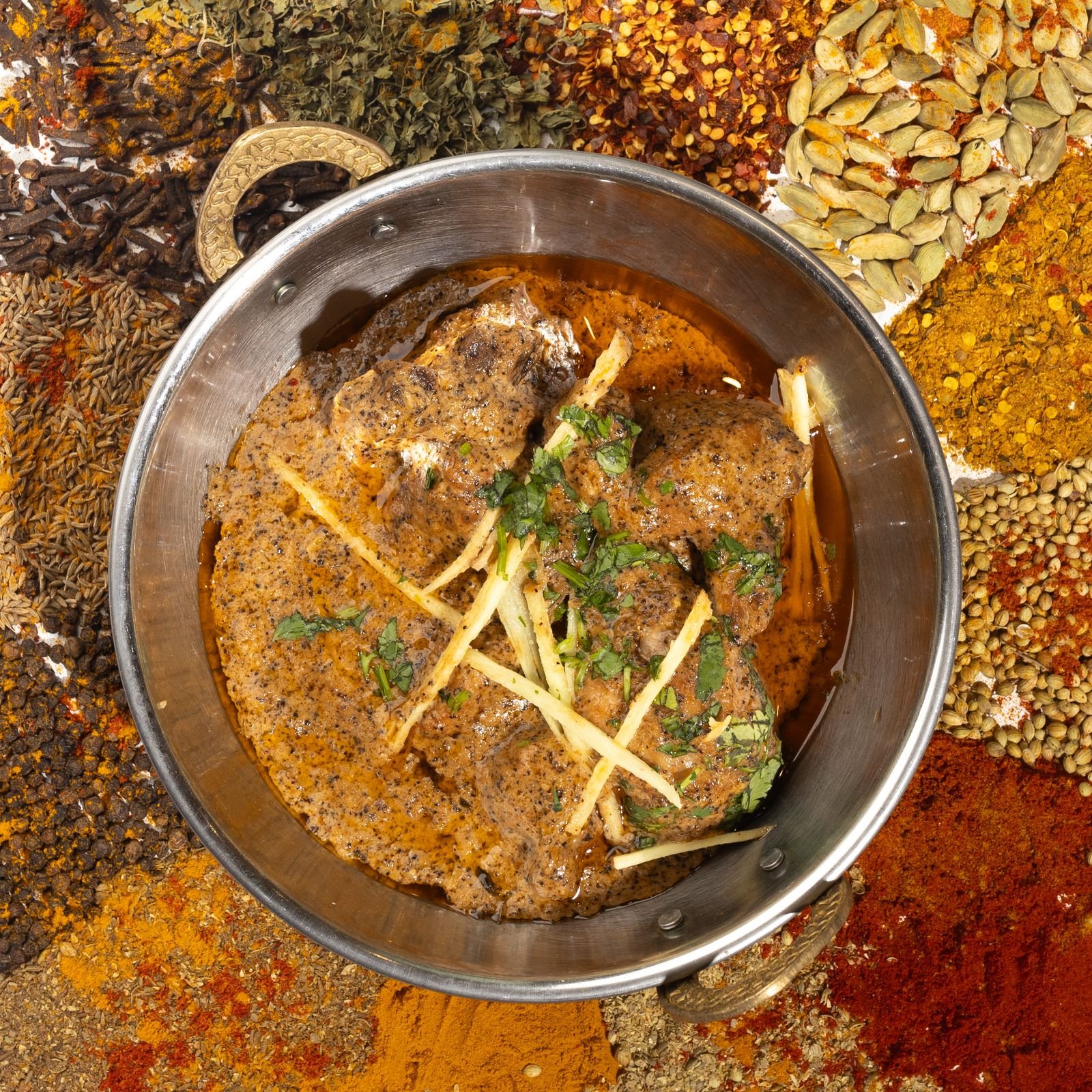
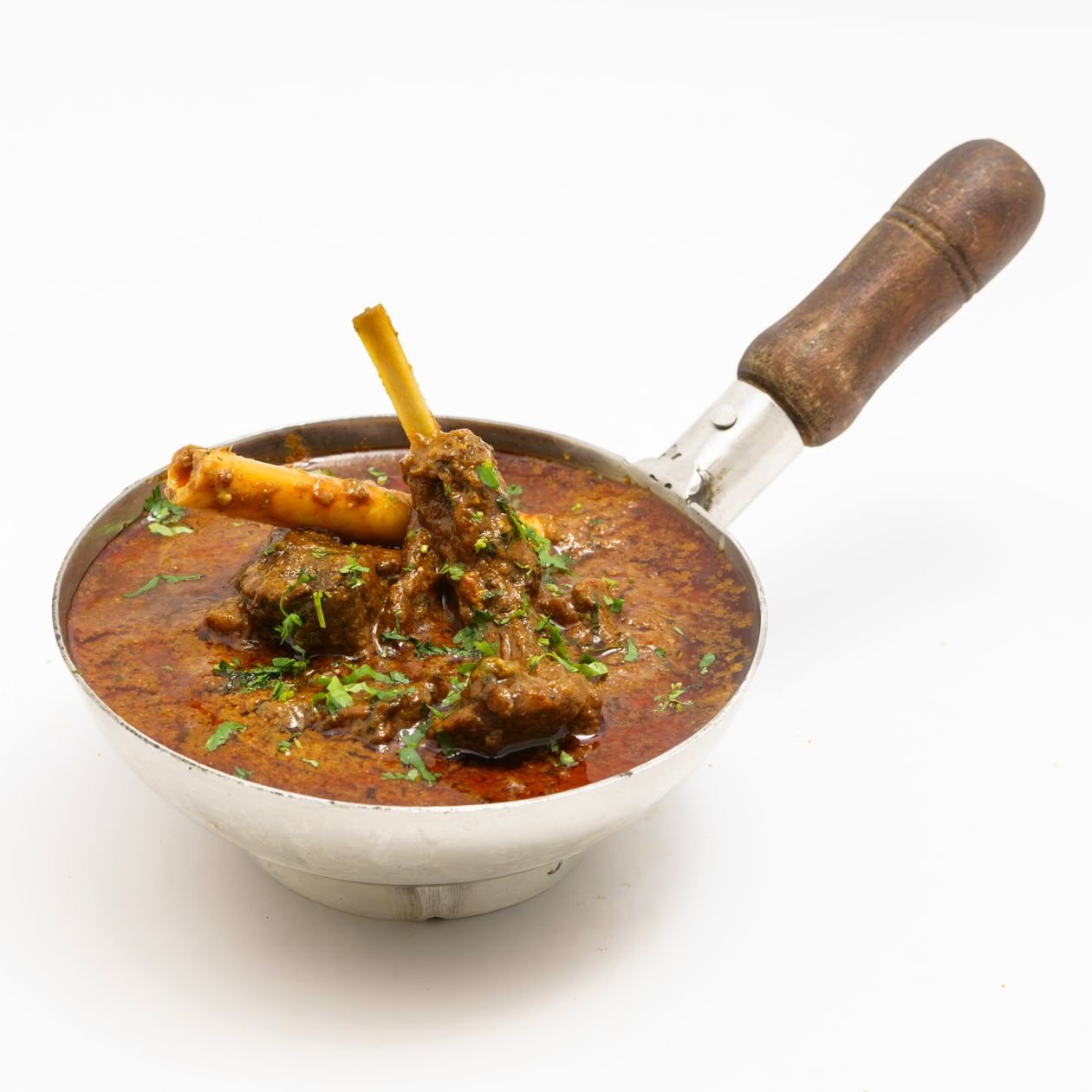
Tender lamb slow-cooked in a deep red Kashmiri sauce with fennel, ginger and warm spices, finished with a swirl of yoghurt. Roghan josh is rich, aromatic and gently hot, the kind of curry that fills the whole house with its smell. Serve it with basmati rice or naan for a proper family feast.
The story behind Roghan Josh
Roghan josh comes from Kashmir, the valley in the far north of India, and its roots reach back to Persian cooking brought to the region centuries ago. The name comes from Persian words meaning clarified butter and heat, which fits a curry that is cooked in ghee and coloured deep red with chillies. It was a dish of the Kashmiri Pandit kitchens first, made without onion or garlic in its oldest form, and it later took on the richer, meatier style that most people know today.
In Kashmiri homes roghan josh is a feast dish, cooked for weddings, festivals and family gatherings rather than everyday meals. It sits at the centre of the wazwan, the great multi-course feast of Kashmir, where the lamb is served in a red gravy that is meant to be rich, aromatic and generous. The cook who makes it well is remembered, and the recipe passes down through families with small changes in the spice mix that everyone argues about.
What makes roghan josh special is the balance of its spices. The heat comes from Kashmiri chillies, which give a deep red colour with only mild fire, while fennel and dried ginger give a warm, almost sweet background that you will not find in other curries. The sauce is smooth and glossy, never thin, and it clings to the meat instead of pooling on the plate. A good roghan josh smells of fennel and cardamom before you even taste it.
Cook it when you want a meal that feels like an occasion. It makes a fine family feast in Nigeria, where spicy, slow-cooked meat with rice is already a celebration, and the pepper heat in this curry will feel right at home. Make it on a weekend, serve it with basmati rice and raita, and let everyone help themselves from the pot in the middle of the table.
- Prep time
- 25 mins
- Cook time
- 30 mins
- Total time
- 55 mins
- Servings
- 4 servings
- Calories
- 520
Ingredients
- 750 g lamb, bone-in, cut into chunks
- 3 tablespoons ghee or oil
- 2 onions, finely sliced
- 1 tablespoon ginger-garlic paste
- 2 tomatoes, pureed
- 1/2 cup plain yoghurt, whisked
- 2 teaspoons Kashmiri red chilli powder and 1 teaspoon paprika
- 1 teaspoon fennel seeds, ground, and 1 teaspoon ground ginger
- 1 teaspoon garam masala and 1/2 teaspoon turmeric powder
- 4 green cardamom pods, 2 black cardamom pods, 1 cinnamon stick and 2 bay leaves
- Salt to taste
- Fresh coriander leaves, chopped
Instructions
- Heat the ghee in a pressure cooker or heavy pot over medium heat. Add the sliced onions and cook for 8 to 10 minutes, stirring often, until they turn deep golden brown at the edges. This slow browning is the base of the whole curry, so do not rush it. The onions should smell sweet and look almost caramelised.
- Add the ginger-garlic paste and cook for one minute until the raw smell fades. Stir in the whole spices: cardamom pods, cinnamon stick and bay leaves. Let them sizzle for 30 seconds until they smell warm and fragrant. The kitchen should fill with a sweet, woody spice smell by now.
- Add the lamb pieces and turn the heat up to high. Brown the meat for 5 to 6 minutes, turning the pieces so they colour on all sides. You will hear the meat sizzle and see the edges turn brown. This searing keeps the lamb juicy and adds depth to the sauce, so give it the full time.
- Turn the heat down to medium and stir in the tomato puree, Kashmiri chilli powder, paprika, ground fennel, ground ginger and turmeric. Cook for 5 minutes, stirring often, until the masala darkens to a deep red and the oil starts to glisten at the edges. The colour should be rich and red, not orange.
- Take the pot off the heat for a moment and whisk in the yoghurt one spoon at a time, stirring hard so it blends into the sauce instead of splitting. This step matters: cold yoghurt added to a very hot pot will curdle. Put the pot back on the heat and season with salt and garam masala.
- Add a cup of hot water, stir well and close the pressure cooker. Cook on high pressure for 20 minutes, then let the pressure release on its own. If you are using a regular pot, cover and simmer on low heat for 45 to 50 minutes until the lamb is tender. The meat should yield easily when pressed with a spoon.
- Open the cooker and check the lamb. It should be soft enough to pull apart with a fork, and the sauce should be thick enough to coat the meat. If the sauce is thin, simmer it uncovered for 5 to 8 minutes until it thickens. If it is too thick, add hot water a splash at a time. Taste and adjust the salt.
- Stir in the chopped coriander and let the curry rest for 5 minutes off the heat. Resting lets the sauce settle and the flavours come together. Fish out the bay leaves and the cinnamon stick before serving, since nobody wants to bite into them.
- Serve hot with steamed basmati rice or warm naan, plus a bowl of cucumber raita on the side. Spoon the curry over the rice so the red sauce soaks in. The lamb should be tender, the sauce should cling to the meat, and the first spoonful should taste warm, rich and gently spiced.
Pro tips
- Use bone-in lamb if you can. The bones add flavour to the sauce and the meat stays juicier during cooking. Boneless lamb works too, but cut it into large chunks so it does not dry out in the pressure cooker.
- Brown the onions properly. Golden brown onions are the base of the colour and sweetness, and pale, rushed onions leave the sauce thin and sharp. Give them the full 8 to 10 minutes on medium heat.
- Use Kashmiri chilli powder, not regular hot chilli powder. It gives the deep red colour with gentle heat. If you cannot find it, mix paprika with a small amount of hot chilli powder to match the colour and heat.
- Whisk the yoghurt before adding it, and take the pot off the heat first. Smooth, room-temperature yoghurt stirred in slowly will blend into a glossy sauce, while cold yoghurt dropped into a boiling pot will split and curdle.
- Let the curry rest for 5 minutes before serving. The sauce thickens slightly as it cools, the spices settle, and the meat relaxes. A curry served straight off a hard boil always tastes harsher than one that has rested.
Variations & serving ideas
The classic version uses lamb, but beef and goat both work well with the same spice mix. Beef needs a little longer under pressure, about 25 minutes, while goat needs the same time as lamb but benefits from a longer rest. Chicken is a faster option: use bone-in pieces, cook for 10 minutes under pressure, and check that the meat is tender before you finish the sauce. The fennel and ginger keep the dish tasting like roghan josh whatever meat you choose.
If you want a richer sauce, stir in two tablespoons of cream at the end instead of more yoghurt. For a lighter version, use oil instead of ghee and skip the cream, though the flavour will be a little less round. A handful of ground almonds stirred into the sauce gives it body and a mild sweetness, which is a trick some Kashmiri cooks use for feast days.
Serve roghan josh with steamed basmati rice, which soaks up the red sauce, or with warm naan for scooping. A cucumber raita and a simple onion salad on the side cool the heat and add crunch. A squeeze of lemon over the curry just before serving brightens the spices without changing them.
This curry pairs well with other dishes for a bigger meal. Serve it beside a dal and a dry vegetable sabzi for a full desi spread, or keep it simple with rice and a salad. Leftover roghan josh makes a good filling for wraps, spooned into a chapati with sliced onion and a little yoghurt, and it tastes even better the next day.
Getting it right
The skill in roghan josh is building the sauce in layers. Brown the onions slowly until they are deep gold, because pale onions give a pale, thin sauce. Then fry the ground spices in the hot ghee until the oil turns red and separates at the edges. Each layer adds colour and flavour, and skipping one leaves the curry tasting flat. The whole spices go in early so their oils melt into the fat.
Heat control matters most when you add the yoghurt. Yoghurt splits if it hits a boiling pot, leaving white flecks in the sauce. Take the pot off the heat, whisk the yoghurt smooth first, and stir it in one spoon at a time. Once it is blended, you can bring the heat back up. The sauce should simmer gently, never boil hard, so the meat stays tender and the sauce stays glossy.
The most common mistake is using hot chilli powder instead of Kashmiri chilli powder. The dish turns fiercely hot and loses its colour balance. If you only have hot chilli powder, use half the amount and add paprika for colour. Another common fault is undercooking the lamb, which stays chewy. The meat must be soft enough to pull apart with a fork. If it is still firm after the pressure cook, close the lid and give it another 5 minutes.
Storing & reheating
Roghan josh keeps well in the fridge for up to 3 days in a sealed container, and most cooks agree it tastes better the next day once the spices have settled into the meat. Cool it fully before you put the lid on, and store the rice separately so neither goes soggy. It also freezes well for up to 3 months; pack it in portions and label the bag with the date.
Reheat gently in a pan over low heat with a splash of water, stirring now and then so the sauce does not catch on the bottom. A microwave works too: heat in short bursts and stir between each one so the meat warms evenly. Do not boil it hard, because fast boiling toughens the lamb and splits the yoghurt in the sauce.
Frequently asked questions
Is this a quick version of roghan josh?
The classic version cooks for over an hour, but this weeknight version uses a pressure cooker to get tender lamb in 30 minutes. The flavour is close to the slow version because the spices still bloom in the hot ghee and the sauce simmers at the end.
What gives roghan josh its red colour?
The red colour comes from Kashmiri red chillies and paprika, not from tomatoes alone. Kashmiri chillies give colour with mild heat. If you use hot chilli powder instead, the colour will be right but the heat will be much stronger.
Can I use beef or chicken instead of lamb?
Yes. Beef cooks the same way, but give it an extra 5 minutes in the pressure cooker. Chicken is faster: cook it for only 10 minutes under pressure and check that it is tender. The spice mix stays the same for all three.
Can I make roghan josh ahead of time?
Yes, it tastes better the next day. Keep it in the fridge for up to 3 days or freeze it for up to 3 months. Reheat gently on low heat with a splash of water, stirring now and then so the sauce does not catch.
How do I make it milder for children?
Use only Kashmiri chilli powder, leave out the green chilli, and add a spoon of yoghurt at the end. The fennel and ginger still give the dish its character without the burn. Serve with plain rice and raita to cool each bite.
Can I use goat meat (mutton)?
Yes, but the texture changes. Cook the mutton longer, about 25 minutes under pressure, and check that it is soft before you finish the sauce. Goat meat is leaner, so keep the lid on while it simmers and add a little extra ghee.