Saag Gosht Recipe
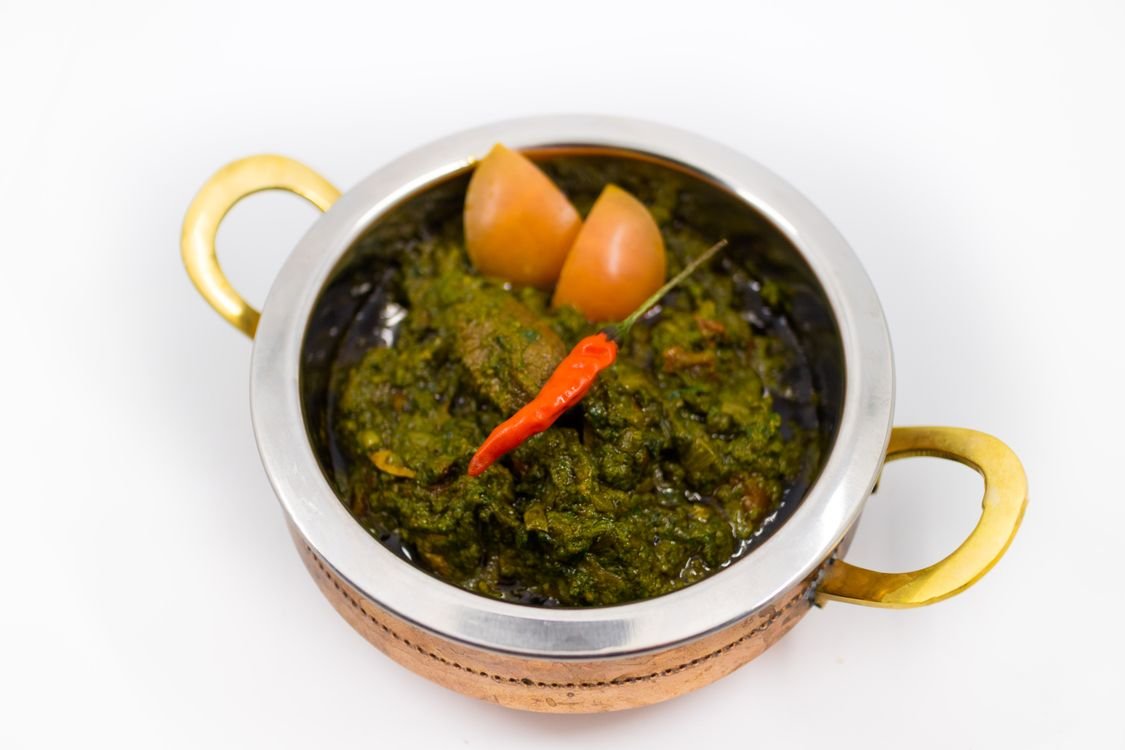
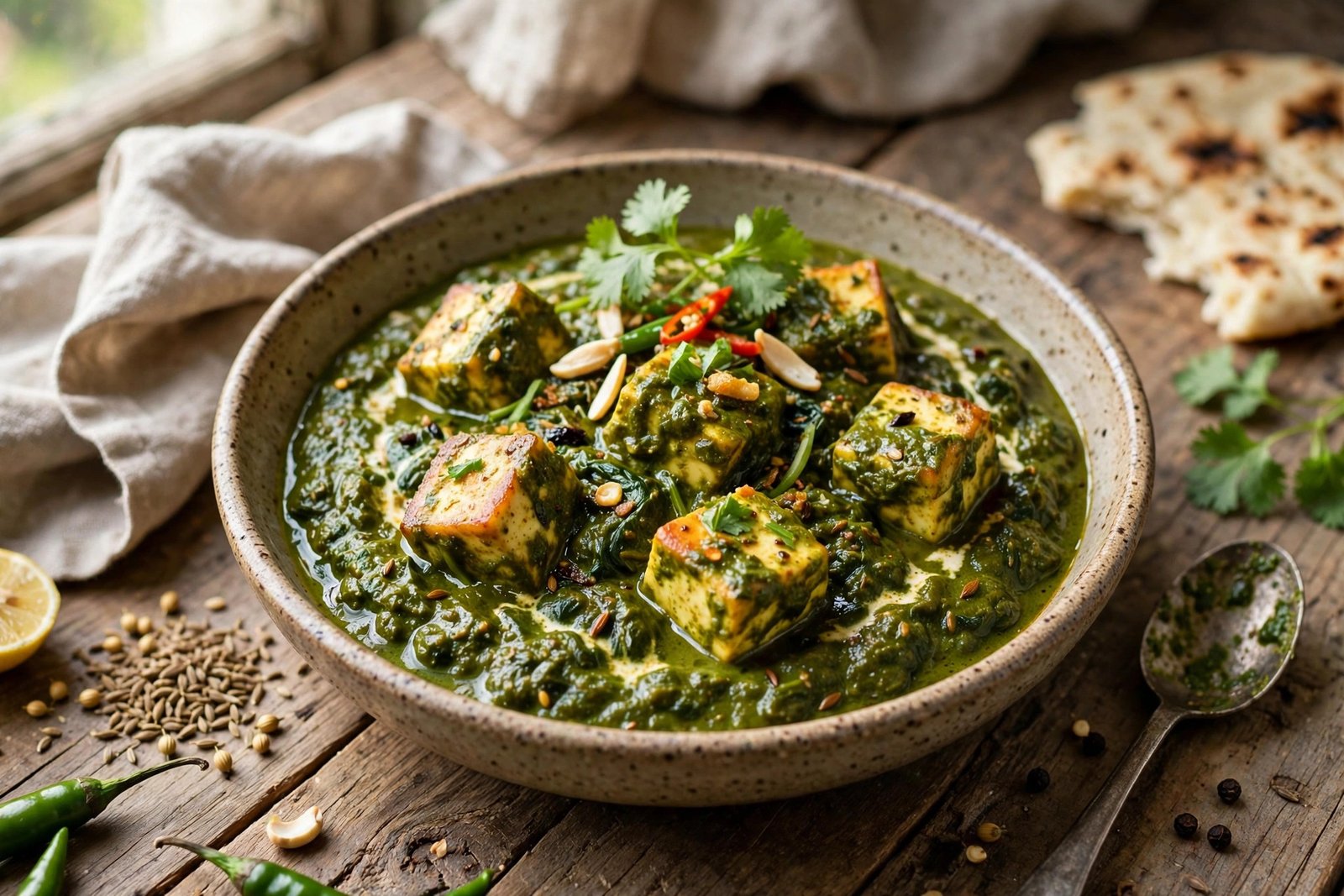
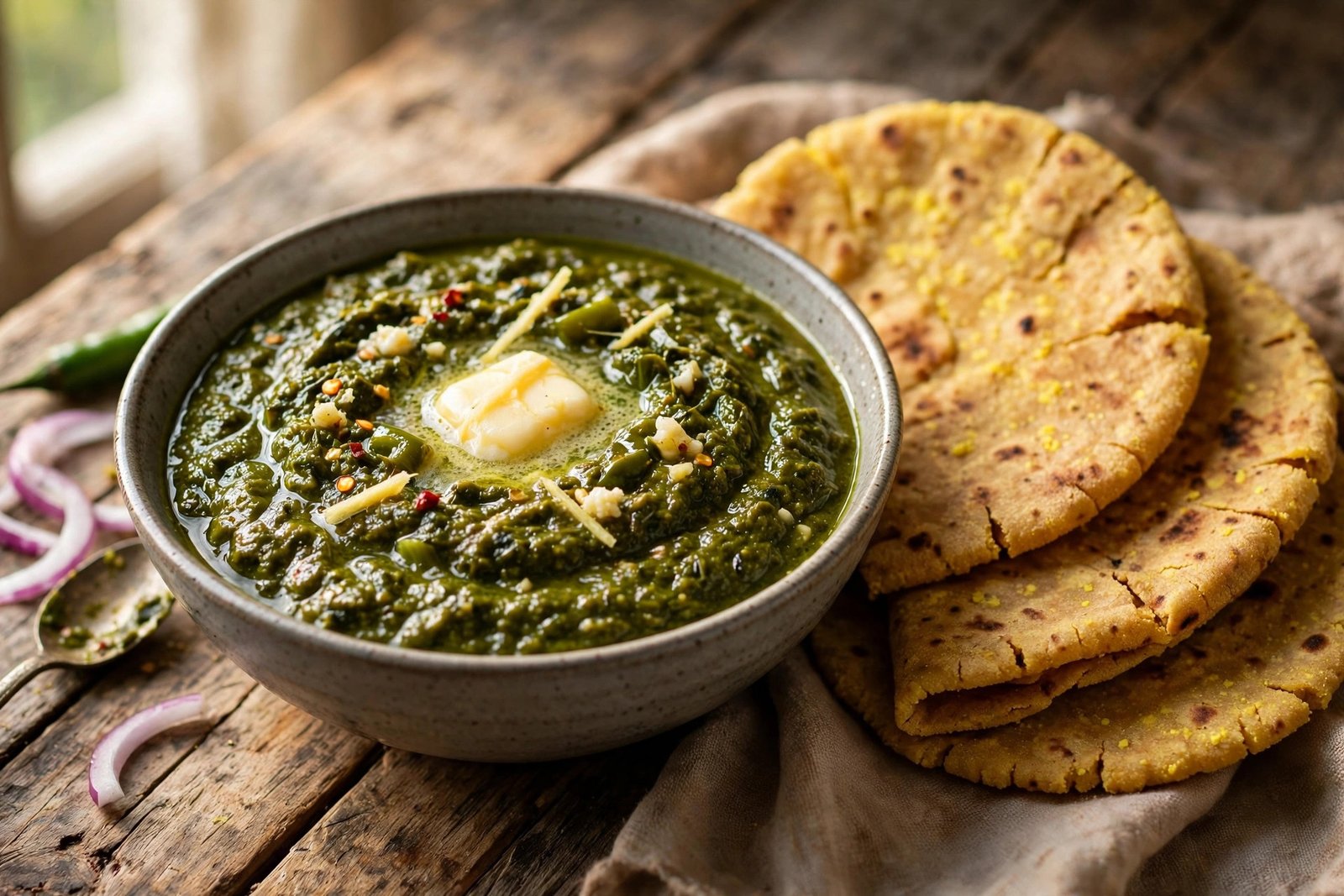
Tender lamb simmers in a thick, dark green spinach gravy with garlic, ginger and warm ground spices until the meat falls apart at a touch. This slow-cooked Pakistani Saag Gosht tastes deep and earthy, with a gentle heat and a silky finish from a spoonful of ghee. Serve it with hot naan or plain rice and a wedge of lemon. It is the kind of pot you put in the middle of the table and let everyone help themselves.
The story behind Saag Gosht
Saag means leafy greens and gosht means meat, so the name of this dish tells you exactly what it is. It comes from Punjab, where spinach grows thick through the cold months and home cooks turn big baskets of it into pots that feed a whole family. Lamb or mutton goes in with the greens, and the two cook down together slowly until the spinach loses its raw edge and the meat gives its richness to the gravy. It is a winter dish at heart, built around a harvest that arrives all at once and needs using.
In Punjabi homes Saag Gosht is everyday food and celebration food at the same time. It shows up at Sunday lunches, at family gatherings, and on tables where guests are expected and the cook wants something generous without fuss. The pot sits in the middle, the bread is torn by hand, and everyone eats from the same dish. That shared way of eating is part of the point. Nobody plates it up in neat portions. You take what you want and go back for more.
What makes this dish special is the way the spinach changes as it cooks. Raw spinach is light and mild, almost watery, but once it is wilted, pureed and simmered with browned lamb, it turns dark, dense and deeply savoury. The garlic and ginger sit underneath rather than on top, and the spices stay warm instead of fiery. The result is a gravy that coats the meat rather than swimming around it, with a flavour that is earthy first and spiced second. A spoonful of ghee at the end gives it a shine and a round, buttery finish.
Cook Saag Gosht when you have time to let a pot simmer and a crowd to feed. It suits cold evenings, weekend lunches and days when you want the house to smell like a proper meal is on its way. The hands-on work is short, mostly washing spinach and slicing onions, and the stove does the rest. Make it once and you will find it earns a regular place in your cooking, because it is filling, cheap for the amount it makes, and it tastes even better the next day.
- Prep time
- 25 mins
- Cook time
- 1 hr 15 mins
- Total time
- 1 hr 40 mins
- Servings
- 4 servings
- Calories
- 480
Ingredients
- 900 g bone-in lamb shoulder, cut into chunks
- 500 g fresh spinach leaves, washed well
- 3 tablespoons ghee or vegetable oil
- 2 medium onions, finely sliced
- 4 garlic cloves, finely chopped
- 1 tablespoon fresh ginger, grated
- 2 medium tomatoes, finely chopped
- 2 green chillies, slit lengthways
- 1 teaspoon cumin seeds
- 1 teaspoon ground coriander
- 1 teaspoon red chilli powder
- 1/2 teaspoon ground turmeric
- 1 teaspoon garam masala
- Salt to taste, plus lemon wedges to serve
Instructions
- Wash the spinach in two or three changes of cold water until no grit remains, then shake it dry. Drop the leaves into a large pot with just the water clinging to them and cook over medium heat for four to five minutes until they collapse into a dark green mass. Tip the spinach into a blender and pulse it to a coarse puree with some texture left, then set it aside.
- Heat the ghee in a heavy pot over medium-high heat until it shimmers and smells nutty. Add the cumin seeds and let them crackle and pop for about thirty seconds. Stir in the sliced onions and cook for eight to ten minutes, stirring often, until they turn soft and golden at the edges.
- Add the garlic and ginger and cook for one minute until the raw smell fades and the mixture smells warm and sweet. Stir in the tomatoes, green chillies, ground coriander, red chilli powder and turmeric. Cook for five minutes until the tomatoes break down and the oil starts to show at the edges of the pan.
- Add the lamb pieces and a good pinch of salt, then turn the heat up and brown the meat for six to eight minutes. Stir so every piece gets coated in the spice mix and catches a little colour. You should hear a steady sizzle and see the meat go from pink to pale brown all over.
- Pour in about 250 ml of hot water and scrape the bottom of the pot to lift any browned bits. Bring it to a boil, then turn the heat down low, put the lid on, and let it simmer for fifty minutes. Check now and then and give it a stir so nothing sticks.
- When the lamb feels tender when you press it with a spoon, stir in the spinach puree. Mix it through the meat and gravy until everything turns a deep, even green. If the pot looks dry, add a splash of hot water so the spinach can loosen and blend in.
- Put the lid back on and cook for another fifteen minutes on low heat. The spinach should darken a shade and the oil should start to glisten on the surface. Taste and add more salt or a squeeze of lemon if the flavour needs lifting.
- Stir in the garam masala and cook for two more minutes so the spice warms through without turning bitter. Turn off the heat and let the pot rest, covered, for ten minutes. Resting lets the meat relax and the gravy settle into a thick, spoon-coating texture.
- Spoon the Saag Gosht into a warm serving bowl and drizzle over a little extra melted ghee if you like. Serve it hot with naan or rice, lemon wedges and sliced onion on the side. The meat should pull apart easily and the spinach should cling to every piece.
Pro tips
- Wash the spinach in plenty of water and lift the leaves out rather than pouring them through a colander, so the grit stays at the bottom of the bowl. Even a little sand will ruin the smooth feel of the gravy, and you will feel it in every bite, so take the time to rinse twice.
- Brown the lamb in a single layer if your pot is wide enough, or in two batches if it is crowded. Meat that steams instead of browning never develops the deep flavour this dish needs.
- Use bone-in lamb when you can. The bones release flavour and body into the gravy as they cook, and the meat around them stays juicier than boneless cuts, which can dry out over a long simmer if the heat runs too high.
- Add the garam masala at the very end. Ground spices added early lose their warmth over a long simmer, while a late addition keeps the aroma fresh and clear.
- Let the finished pot rest for ten minutes before serving. The gravy thickens slightly, the meat relaxes, and the flavours settle into each other instead of tasting sharp and separate.
Variations & serving ideas
Swap the lamb for goat meat and the dish turns richer and a little gamier, which suits the strong spinach base well. Beef shin is another good choice, though it needs a longer simmer before the spinach goes in, so test it with a fork first. Chicken is a faster option, though it needs only twenty-five minutes of simmering, so add the spinach once the chicken is nearly done. For a meat-free version, use chickpeas or paneer cubes folded in at the spinach stage, and cook them just long enough to warm through. Each swap changes the character of the pot, but the spinach, garlic and ginger backbone stays the same.
Mustard leaves bring a sharper, slightly bitter note that many Punjabi cooks love, and a fifty-fifty mix of spinach and mustard leaves is a classic combination. A small handful of fresh fenugreek leaves adds a bitter edge too, but use it sparingly or it will take over. If fresh greens are hard to find, frozen leaf spinach works when thawed and squeezed dry, though the colour will be a little duller and the flavour milder than fresh.
Serve Saag Gosht with buttered naan, tandoori roti or a mound of plain basmati rice. The bread is the better choice if you want to scoop up every last bit of gravy, while rice suits a looser, saucier version of the dish. A simple salad of sliced onion, tomato and green chilli with lemon juice cuts through the richness and adds crunch to the plate, and a few fresh coriander leaves scattered on top brighten the colour.
For drinks, a glass of lassi or a cup of hot chai both sit well beside this meal, and a bowl of plain yoghurt with a pinch of salt cools the palate between bites. Leftovers make a good filling for a paratha the next morning, rolled up with a little sliced onion. However you serve it, put the pot in the middle of the table straight from the stove and let people help themselves, because that is how this dish is meant to be eaten.
Getting it right
The key technique in Saag Gosht is cooking the spinach and the meat in two separate stages and bringing them together at the right moment. Wilt the spinach first, just until it collapses, then pulse it coarse so the gravy keeps some body. If you blend it smooth, the dish turns into a thin green soup. If you skip the puree and chop it fine instead, you get a rustic version that many home cooks prefer, with visible flecks of leaf through the gravy.
Heat control matters most during the long simmer. Brown the lamb over a strong heat so it picks up colour and the spices toast, then drop the heat to the lowest steady simmer once the water goes in. You want a lazy bubble breaking the surface every few seconds, not a rolling boil that toughens the meat. Keep the lid on but slightly ajar if the gravy looks too thin, and check every fifteen minutes to stir and stop the spinach from catching on the bottom.
The common mistake is adding the spinach too early, which leaves it dull and overcooked while the meat is still firm. Another is rushing the onions, which need a full eight minutes to turn sweet and golden. If your gravy tastes flat, it usually needs salt or lemon rather than more spice. If the meat is tough, it is almost always undercooked, so give it another fifteen minutes on low heat with a little more water and it will soften.
Storing & reheating
Let the Saag Gosht cool to room temperature, then move it into a clean container with a tight lid. It keeps in the fridge for three days and the flavour deepens overnight, so it is a good dish to cook a day ahead. For longer storage, freeze it in portions for up to three months, leaving a little space at the top of each container because the gravy expands as it freezes.
Reheat it on the stove over low heat with a splash of water, stirring now and then until it bubbles right through to the centre. Avoid the microwave if you can, because it heats the edges fast and can make the lamb tough. Taste after reheating and add a squeeze of lemon or a pinch of salt to wake the flavours back up.
Frequently asked questions
Can I make Saag Gosht ahead of time?
Yes, and it often tastes better the next day. Cook it fully, cool it fast, and keep it in a sealed container in the fridge for up to three days. Reheat it gently on the stove with a splash of water until it bubbles all the way through.
Can I use mustard leaves or frozen spinach instead of fresh spinach?
Spinach leaves work best, but you can mix in mustard leaves or a small handful of fenugreek leaves for a sharper, more bitter edge. Avoid frozen creamed spinach, which turns the gravy pale and thin. If you use frozen leaf spinach, thaw it and squeeze it dry first.
Which cut of lamb works best for Saag Gosht?
Bone-in lamb shoulder or mutton gives the richest result because the bones add body to the gravy as they cook. Boneless lamb leg also works and cooks a little faster. Goat meat is a good swap, but give it an extra fifteen minutes on the stove.
How thick should the spinach gravy be?
It should be thick enough to coat the meat and hold its shape on the plate, not runny like soup. If yours is thin, take the lid off and let it bubble for ten minutes to reduce. If it is too thick, stir in hot water a spoonful at a time.
Can I make Saag Gosht in a pressure cooker?
Yes. Use a pressure cooker for the meat stage, about twenty-five minutes on high pressure, then open it and finish the spinach in the same pot. You can also cook the whole dish in a slow cooker on low for six hours, adding the spinach in the last hour.
What should I serve with Saag Gosht?
Butter naan, tandoori roti, or plain basmati rice all work well. A simple side of sliced onion, green chillies and lemon cuts through the richness. A bowl of plain yoghurt on the side cools the heat and adds a fresh tang.