Rosh Recipe
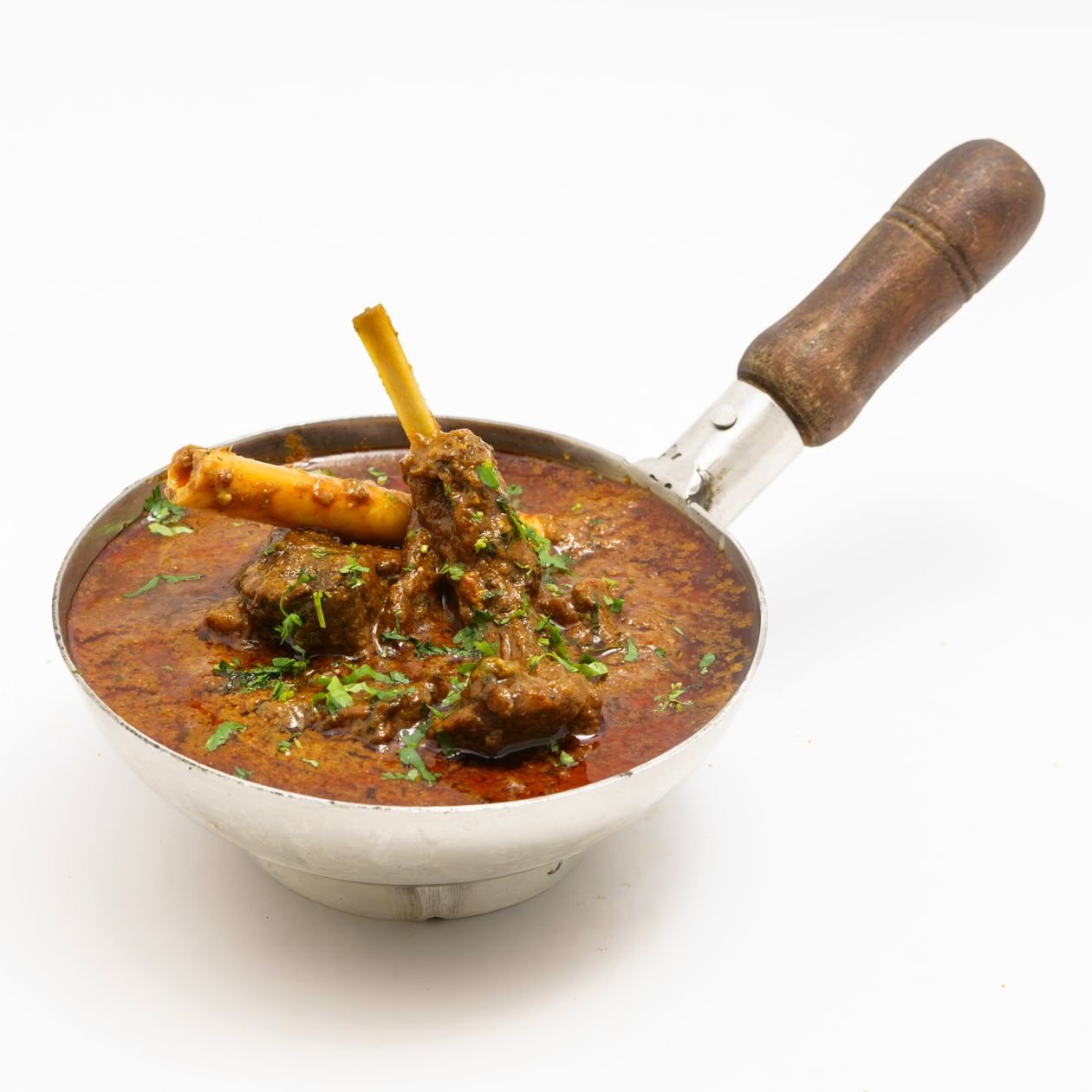
Rosh is lamb cooked slowly in its own fat and juices until it turns meltingly soft and falls off the bone, with almost nothing added beyond salt, green chillies and a little garlic. The meat simmers for hours in a sealed pot, and the thin, rich broth it leaves behind is just as good as the meat. Serve it with fresh naan, lemon and a raw onion salad, and let the lamb do the talking.
The story behind Rosh
Rosh comes from Balochistan and the Pashtun regions of Khyber Pakhtunkhwa, where cooking has always been shaped by the land and the seasons. Shepherds and travellers needed food that could cook slowly with little attention, so meat went into a heavy pot with salt and chillies, the lid was sealed, and the pot sat over low embers for hours. There were no long lists of spices to carry and no rich gravy to stir. The fat of the meat itself became the cooking medium, and the juices that came out of the lamb became the sauce.
In the homes where rosh is a tradition, it is a dish for guests and gatherings rather than an everyday meal. A whole leg or shoulder of lamb goes into the pot, and the finished dish is set down in the middle of the table so everyone can pull the meat apart with their hands and tear off pieces of naan. Eating together from one platter is part of the point, and the cook who makes it well earns a quiet kind of respect, because everyone at the table knows how much patience the dish takes.
What makes rosh special is how little it asks of the cook and how much it gives back. There is no garam masala, no tomatoes and no onion gravy. The flavour is clean and direct: lamb, salt, the gentle heat of green chillies and the richness of the fat as it slowly melts into the meat. Because the pot stays sealed, nothing escapes, and the steam keeps working on the toughest fibres until they give way. The result is meat so soft you can pull it apart with a spoon, plus a thin, golden broth that tastes of nothing but lamb.
Cook rosh when you have an afternoon to spare and people worth cooking for. It suits cold winter evenings, long weekend lunches and any celebration where the meal itself is the event. Start it after lunch and it will be ready for dinner, filling the house with a warm, meaty smell. Plan the rest of the meal around it: fresh naan, a simple salad of onion and tomato, a bowl of plain yogurt and plenty of lemon. Keep the sides light, because the lamb is the whole show.
- Prep time
- 30 mins
- Cook time
- 2 hrs 30 mins
- Total time
- 3 hrs
- Servings
- 4 servings
- Calories
- 540
Ingredients
- 1 kg bone-in lamb shoulder or leg, cut into large pieces
- 1 tablespoon salt, plus more to taste
- 8 green chillies, slit lengthways
- 6 garlic cloves, lightly crushed
- 2 tablespoons ghee or rendered lamb fat
- 1 teaspoon black peppercorns, coarsely cracked
- 120 ml (1/2 cup) water
- 1 teaspoon cumin seeds
- 2 lemons, cut into wedges, to serve
- 1 small onion, thinly sliced, to serve
- 2 tablespoons chopped fresh coriander, to serve
- 4 fresh naan, to serve
Instructions
- Rinse the lamb under cold water and pat it dry with kitchen paper. Trim off loose, papery fat but leave the good fat on, because it is what will cook the rosh. Rub the salt over the pieces with your hands so every side is seasoned.
- Put the lamb into a heavy, thick-bottomed pot with a tight lid, packing the pieces in snugly. Tuck the chillies, garlic and cumin between the pieces, scatter the pepper over the top, then pour in the ghee and water. The water should barely cover the bottom, because the meat will release plenty of its own juice.
- Seal the lid so no steam can escape. The old way is a ring of soft wheat-flour dough around the rim under the lid; a simpler way is foil pressed down firmly. Either way, the seal is what makes rosh work, trapping the steam so the meat cooks gently in its own juices.
- Set the pot over the lowest heat your hob can manage and leave it alone for 2 hours and 30 minutes. You should hear soft, lazy bubbling, not fierce hissing or a rattling lid. If the lid rattles, turn the heat down and do not lift it to peek.
- After 2 hours and 30 minutes, lift the lid and test the meat with a fork. It should pull apart easily, with thin golden broth pooling at the bottom. If it still holds firm, reseal the lid and give it another 20 to 30 minutes.
- Take the pot off the heat and let it rest, lid on, for 10 to 15 minutes. Resting lets the juices settle back into the meat instead of running out onto the plate. While it rests, slice the onion, chop the coriander and warm the naan.
- Taste the broth and adjust the salt a small pinch at a time. Rosh should taste clean and well seasoned rather than salty. If thick fat sits on top, skim some off, but leave a little, because it carries much of the flavour.
- Lift the lamb onto a wide serving platter, pulling the larger pieces apart gently as you go. Spoon hot broth over the top, then scatter the onion and coriander over it and tuck lemon wedges around the edge.
- Serve at once with the warm naan and the remaining broth in a small bowl on the side. Tear off a piece of naan, pick up some lamb with it and spoon over a little broth. Keep extra lemon on the table, because a squeeze right at the end lifts the richness of the lamb.
Pro tips
- Use bone-in lamb with the fat still on it. Boneless, lean meat dries out over a long, slow cook, while bone and fat keep the rosh moist and give the broth its body and flavour. Ask the butcher for shoulder, and have it cut into large pieces rather than small cubes.
- Do not add more water than the recipe says. The lamb releases a surprising amount of juice as it cooks, and extra water only dilutes the broth and washes the flavour out of the meat.
- Keep the heat genuinely low from start to finish. Rosh is a gentle simmer, not a boil, and high heat tightens the meat fibres and turns the lamb tough instead of tender.
- Seal the lid properly and leave it alone. Every time you lift the lid you lose steam and heat, the cooking slows down, and the meat takes longer to turn tender.
- Let the rosh rest for 10 to 15 minutes before serving. The meat relaxes, the juices settle, and the lamb will pull apart cleanly instead of shredding into dry strands on the plate.
Variations & serving ideas
Beef rosh works well if lamb is hard to find or too dear. Use bone-in beef shin or chuck, cut into large pieces, and allow 3 hours on the lowest heat, because beef fibres are tougher and need longer to soften. The flavour is deeper and a little less sweet than lamb, and the broth turns richer and darker. Check it at 3 hours and give it another 30 minutes if the fork still meets resistance.
Chicken rosh is a faster, lighter version for a weeknight. Use a whole chicken cut into 8 pieces, bone in and skin on, and cook it sealed for 45 to 50 minutes on low heat. Chicken releases less fat than lamb, so add an extra tablespoon of ghee and keep the water at the same half cup. The result is tender, lightly spiced chicken in a thin broth, and it is good with the same naan and salad.
For a heartier one-pot meal, add potatoes and whole green chillies to the pot for the last 45 minutes of cooking. Peel 3 medium potatoes, cut them into large chunks and nestle them into the broth so they soak up the lamb juices as they cook. They turn soft and richly flavoured, and they stretch the dish to feed two more people. Some cooks add a few whole dried red chillies at the start for a smokier heat, but keep the count low so the chilli warms rather than overwhelms.
Serve rosh with fresh naan or tandoori roti, a raw salad of onion, tomato and cucumber, and a bowl of plain yogurt. The yogurt cools the chilli heat and the salad adds crunch and freshness against the richness of the lamb. A green chutney made from coriander, mint and green chilli is a good partner too, and a pot of green tea after the meal is the traditional way to finish. Avoid heavy side dishes, because the lamb and its broth are already rich enough on their own. A squeeze of lemon over the finished plate is the last touch, and it is worth doing at the table rather than in the pot.
Getting it right
The key technique in rosh is the sealed, slow cook, and everything else follows from it. The pot must be heavy, with a thick base that spreads the heat evenly and a lid that sits close enough to hold the steam in. A thin pot scorches at the bottom and dries the meat out, while a loose lid lets the steam escape and leaves the lamb tough. If your lid wobbles, seal it with a ring of soft dough or a tight layer of foil under the lid.
Heat and timing control is simple but strict. The pot should sit on the lowest flame that keeps a faint bubble going, and it should stay there for the full 2 hours and 30 minutes. A strong boil tightens the meat and squeezes the juices out, while heat that is too low never gets the fibres to relax. Listen for a soft, occasional blip rather than a constant rolling boil. Lamb shoulder is forgiving if you give it an extra 20 minutes, but it is not forgiving if you rush it on high heat.
The most common mistake is adding too much water at the start, which leaves you with a thin, watery soup and bland meat. Start with just half a cup and trust the lamb to make its own broth. The second mistake is opening the lid every 20 minutes to check, which drops the temperature and stretches the cooking time. The third is using lean, boneless meat, which dries out no matter how carefully you cook it. If your rosh turns out tough, put the lid back on, add a splash of hot water and cook it for another 30 minutes on low heat.
Storing & reheating
Leftover rosh keeps well in the fridge for 3 to 4 days. Let it cool to room temperature, then store the meat in its broth in a covered container, because the broth stops the lamb drying out. It also freezes well for up to 3 months; pack the meat and broth together, squeeze out the air, and label it with the date.
Reheat gently on the hob over low heat with the lid on, adding a splash of water if the broth has thickened. Warm it through for 10 to 15 minutes until it is steaming hot, and do not let it boil hard, or the meat will tighten and dry out. A microwave works in a pinch: cover the dish, heat in short bursts and stir the broth between bursts.
Frequently asked questions
What is rosh and where does it come from?
Rosh is a slow-cooked lamb dish from Balochistan and the Pashtun regions of Pakistan. Bone-in lamb simmers for hours in a sealed pot with salt, green chillies and garlic, cooking in its own fat and juices until it falls apart.
Can I make rosh with beef instead of lamb?
Yes, beef shin or chuck works well, but it needs longer. Allow about 3 hours on the lowest heat and check with a fork before serving. The broth turns darker and richer, and the dish feeds the same number of people.
Why is my rosh tough instead of tender?
Tough rosh almost always means it needed more time or the heat was too high. Put the lid back on, add a splash of hot water and cook for another 30 minutes on low heat. Lean, boneless meat can also stay dry, so use bone-in cuts.
Can I cook rosh in a pressure cooker?
You can, but the flavour will be different. Cook the sealed pot ingredients on low pressure for 35 to 40 minutes, then rest for 10 minutes before opening. You lose the slow-rendered richness, so use the pot method when you have the time.
How much water should I add to rosh?
Only half a cup. The lamb releases a lot of juice as it cooks, and that juice becomes the broth. Adding more water at the start dilutes the flavour and leaves you with a thin, watery soup instead of a rich broth.
What do you serve with rosh?
Fresh naan or tandoori roti, a raw salad of onion, tomato and cucumber, plain yogurt and lemon wedges. Keep the sides simple and fresh, because the lamb and its broth are rich enough on their own. Lemon wedges on the side let everyone add brightness to their own plate.