Dotorimuk Muchim Recipe
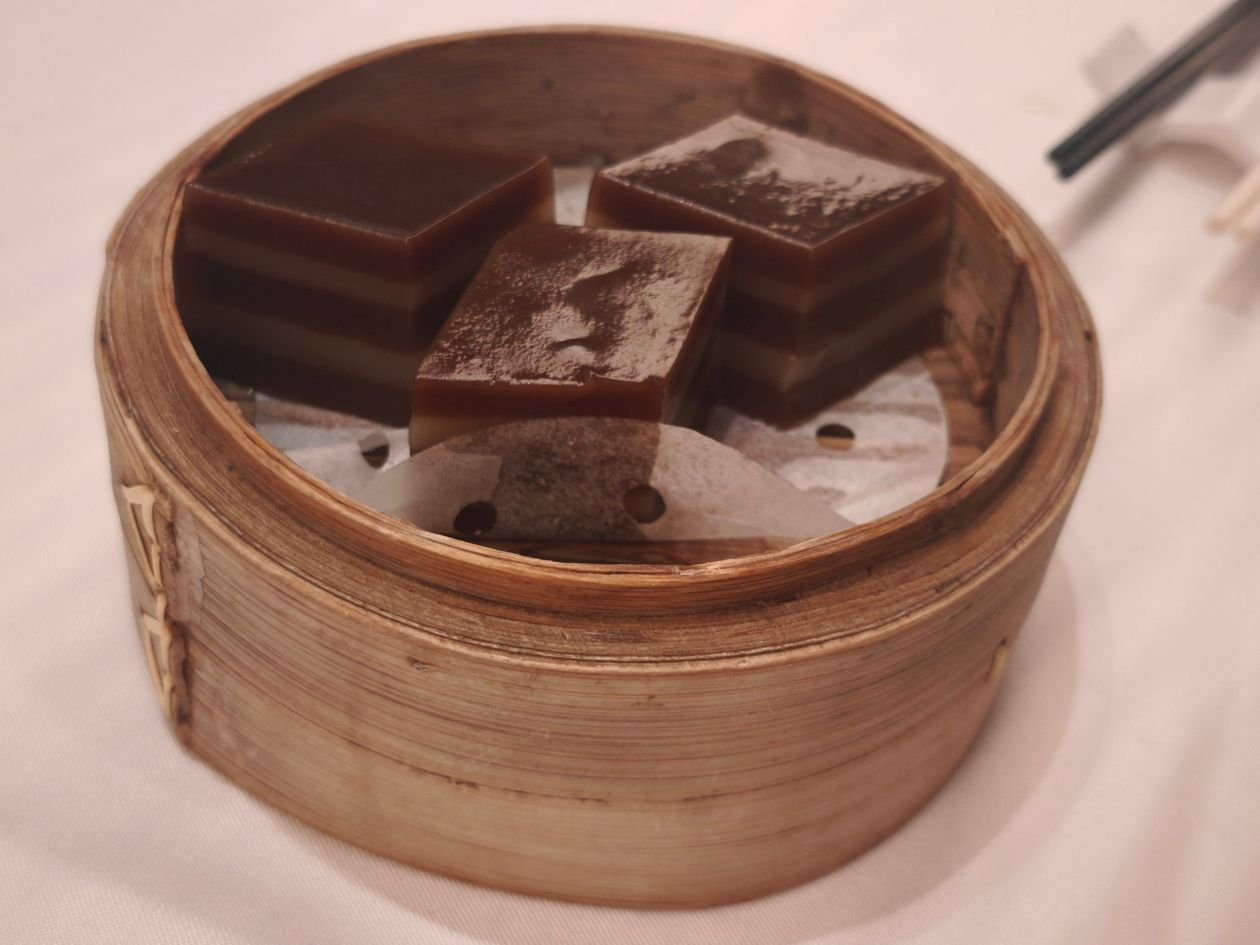
Cool, nutty, and gently spicy, dotorimuk muchim is Korea's acorn jelly salad, a dish with a deep, earthy flavour you will not find anywhere else. The jelly is pale brown and silky, cut into pieces and tossed with cucumber, carrot, and a bold soy and sesame dressing. It is a classic banchan, refreshing next to grilled meat and rich stews, and it comes together in about 35 minutes plus chilling time.
The story behind Dotorimuk Muchim
Dotorimuk is one of Korea's oldest foods, and its story is tied to the mountains. Acorns were a survival food: when rice was scarce, people in mountain villages gathered acorns, leached out their bitter tannins in running water, and ground what was left into a starch. That starch, cooked with water, set into a cool, pale brown jelly that kept well without refrigeration. It was humble food, born of hardship, and it became a lasting part of Korean cooking because it was filling, cheap, and honest.
In Korean homes today, dotorimuk shows up as muchim, a seasoned salad served as a banchan. The jelly is cut into pieces and tossed with vegetables and a bold dressing, and it sits on the table next to rice and a main course. It is the earthier cousin of mung bean jelly: where cheongpomuk is pale and delicate, dotorimuk is brown and nutty, with a flavour that tastes of the forest floor. Older Koreans often say it tastes like the mountains, and they mean it as a compliment.
What makes the dish special is that nutty, earthy depth. Acorn jelly has a flavour no other jelly has, a gentle, almost woody note that stands up to a strong dressing. The soy sauce brings salt, the vinegar brings brightness, the sesame oil brings warmth, and the gochugaru brings a low heat that lingers. The cucumber and carrot add crunch, so every bite gives you soft and crisp together, with the jelly cool on the tongue and the dressing warm in flavour.
Cook this when you want to try something genuinely different, or as part of a Korean spread with grilled meat and rice. The hands-on time is short, but the jelly needs at least 2 hours to set, so make it in the morning and assemble the salad before dinner. It is also a good dish to serve to friends who think they have tried everything Korean; most people have never tasted acorn jelly, and it is a pleasant surprise. Serve it cold, in a wide bowl, and let the dish speak for itself.
- Prep time
- 20 mins
- Cook time
- 15 mins
- Total time
- 35 mins
- Servings
- 4 servings
- Calories
- 170
Ingredients
- 100 g acorn starch
- 600 ml water, for the jelly
- 1 teaspoon salt, for the jelly
- 1 small cucumber, cut into thin half-moons
- 1 small carrot, cut into fine strips
- 2 spring onions, thinly sliced
- 3 tablespoons light soy sauce
- 1 tablespoon rice vinegar
- 1 tablespoon sesame oil
- 1 teaspoon sugar
- 1 garlic clove, finely grated
- 1 teaspoon toasted sesame seeds
- 1 teaspoon gochugaru (Korean chilli flakes)
- 1 sheet gim (roasted seaweed), crumbled, to serve
Instructions
- Make the jelly first, because it needs time to set. Whisk the acorn starch and salt into the cold water in a saucepan, stirring until there are no lumps at all. Acorn starch clumps easily, so take your time with the whisk and scrape the bottom of the pan to catch any dry pockets hiding there.
- Set the pan over medium heat and stir constantly with a wooden spoon. The mixture will turn cloudy and thicken, then suddenly become glossy and dark, like a pale brown glass paste. Keep stirring for 2 more minutes after it turns clear; this extra cooking is what makes the jelly set firm and removes any raw, bitter edge from the starch.
- Pour the hot jelly into a lightly oiled flat container, about 20 cm square, and smooth the top with a wet spatula. Leave it on the counter until it is cool enough to handle, then cover it and put it in the fridge for at least 2 hours, or overnight. It should feel firm and cool when you press it gently, and it should hold its shape when you turn it out.
- While the jelly sets, prep the vegetables. Slice the cucumber into thin half-moons, cut the carrot into fine strips, and slice the spring onions. Put them in a bowl with a pinch of salt and leave them for 10 minutes, then squeeze the water out gently with your hands. This keeps the salad crisp and stops the dressing from turning watery.
- Make the dressing in a small bowl: soy sauce, rice vinegar, sesame oil, sugar, grated garlic, and gochugaru. Stir until the sugar dissolves, then taste it. It should be salty, sour, and nutty, with a gentle warmth from the chilli and a sweetness underneath. Add a splash more vinegar if it tastes flat, or a little more sugar if it tastes sharp.
- Turn the set jelly out onto a board and cut it into bite-sized pieces, about 2 cm across. Dip the knife in cold water first so the jelly does not stick to the blade, and use a clean, gentle cut rather than sawing. The pieces should be smooth and pale brown, cool to the touch, with a soft wobble that holds its shape.
- Put the jelly pieces in a wide bowl with the cucumber, carrot, and spring onions. Pour the dressing over the top and toss gently with your hands or a large spoon, turning the pieces so each one is coated. Be gentle with the jelly; it is delicate, and rough handling will break the pieces into crumbs.
- Sprinkle the toasted sesame seeds over the top and give the salad one last gentle turn. Taste a piece of jelly and adjust the seasoning if needed, a drop more soy sauce for salt or a little more vinegar for brightness. The dressing should cling to the jelly and vegetables, not pool at the bottom of the bowl.
- Serve the salad cold, in a wide shallow bowl, with the crumbled gim scattered over the top just before serving. The seaweed adds a toasty, savoury crunch that works beautifully against the soft jelly. Eat it the same day, as a side dish with rice, while the vegetables are still crisp.
Pro tips
- Whisk the acorn starch into cold water until it is completely smooth before heating. Any dry lump will stay grainy in the finished jelly and will not cook out.
- Stir constantly while the jelly cooks. It thickens suddenly and catches on the bottom of the pan, which gives it a scorched taste you cannot fix.
- Give the jelly at least 2 hours in the fridge, or overnight. A warm jelly is too soft to cut, and the pieces will fall apart when you toss the salad.
- Salt the cucumber and carrot and squeeze out the water before dressing. This one step keeps the whole dish crisp instead of watery.
- Dress the salad just before serving. The dressing draws moisture out of the vegetables, so a salad dressed hours ahead will be soft and soupy.
Variations & serving ideas
Swap the vegetables to suit the season. Thinly sliced radish, bean sprouts, or shredded lettuce all work well, and each one changes the crunch a little. Blanched bean sprouts, cooled quickly under cold water, add a fresh snap. A few perilla leaves, cut into strips, bring a herbal, minty note that suits the earthy jelly. The dressing stays the same, so the dish adapts easily to what is in the fridge.
For a spicier version, stir a spoonful of gochujang into the dressing, or add extra gochugaru and a few drops of chilli oil. The heat sits in the dressing while the jelly stays cool, and that contrast is part of the pleasure. For a milder version, leave the chilli out entirely and add a little more sesame oil and sugar; the salad stays gentle and nutty, and it works well for children or for anyone who prefers no heat.
Serve the salad as a banchan alongside rice and a main course, or as a light lunch on its own with a bowl of rice and a fried egg. The jelly also works well in a cold noodle soup, cut into strips and floated in a chilled broth with cucumber and sesame. Keep the portions small; muk is a side dish, and its lightness is the whole point of it.
Pair the salad with rich or spicy food, where its cool, nutty flavour refreshes the palate. Grilled pork belly, fried chicken, and spicy stews all benefit from a bowl of dotorimuk muchim on the side. A cold barley tea or a light lager sits well alongside it, and the meal stays balanced without anything heavy. A few small dishes around the main course is how a Korean table is meant to look.
Getting it right
The key technique is cooking the starch until it turns clear and glossy. Acorn starch starts cloudy and pale, then thickens and darkens as it heats, turning into a smooth, brown glass paste. That change is the starch gelatinising, and it is the moment the jelly forms. Stir constantly, because the mixture thickens fast and catches easily on the bottom of the pan. Cook for 2 full minutes after it turns clear; this extra time sets the jelly firm and cooks out any bitter, raw edge.
Cutting the jelly takes a light touch. The jelly is smooth and a little sticky, so a dry knife drags and tears it. Dip the blade in cold water before each cut, and use a gentle, clean motion. Cut the pieces bite-sized, about 2 cm across, so they are easy to pick up with chopsticks and easy to coat with dressing. If the jelly is too soft to cut cleanly, it needs more chilling time in the fridge, not more cooking on the stove.
The common mistakes are all about water and timing. A watery salad means the vegetables were not salted and squeezed before dressing, or the dressing sat on the salad too long. Dress it just before serving. A bitter jelly means the starch was undercooked; keep it on the heat for the full 2 minutes after it turns clear. And if the jelly comes out lumpy, the starch was not whisked smooth in the cold water first; whisk until it is completely lump-free before you turn on the heat.
Storing & reheating
Dotorimuk muchim is best eaten the same day, while the jelly is silky and the vegetables are crisp. Leftovers keep in a sealed container in the fridge for up to 2 days, though the dressing draws water out of the vegetables and the salad softens. Drain off any excess liquid before serving, and add a splash of fresh soy sauce and vinegar to wake the flavours up again.
The plain jelly, before dressing, keeps better: it will hold in the fridge for 3 to 4 days in a sealed container, covered with a little cold water. Drain it well and cut it fresh when you are ready to make the salad. Do not freeze the jelly; freezing turns its smooth texture grainy and watery, and it will not recover when it thaws.
Frequently asked questions
Where do I buy acorn starch?
Look for acorn starch in Korean supermarkets, usually near the mung bean starch and potato starch. It is sometimes labelled as dotorimuk garu. If you cannot find it, mung bean starch makes a similar jelly, though it is paler and less nutty in flavour.
Is dotorimuk muchim meant to be spicy?
Yes, that is traditional. Dotorimuk muchim is often served as a spicy salad, and the heat comes from the dressing, not the jelly. Add a teaspoon of gochugaru or a spoonful of gochujang to the dressing, and top the salad with sliced fresh chilli if you like it hot.
Why does my jelly taste slightly bitter?
Acorn starch contains tannins, which can taste slightly bitter if the jelly is undercooked. Cook the starch mixture a full 2 minutes after it turns clear and glossy, and chill it properly. A balanced dressing with enough soy sauce, vinegar, and sesame oil will also cover any trace of bitterness.
Why does my jelly fall apart when I cut it?
The jelly needs to be fully set and properly chilled, and the knife needs to be wet. Give it at least 2 hours in the fridge, or overnight, and dip the blade in cold water before each cut. A warm or undercooked jelly is too soft to hold its shape.
Is this dish vegan?
Yes, as written. The jelly is made from acorn starch and water, and the dressing is soy sauce, vinegar, sesame oil, and vegetables. Just check that your soy sauce has no fish-based additives, or use tamari.
How do I serve dotorimuk muchim?
Serve it as a banchan, a small side dish, alongside rice and a main course. It is especially good with grilled meat and rich stews, where its cool, nutty flavour and clean texture refresh the palate between bites.