Dwaeji Bulgogi Recipe
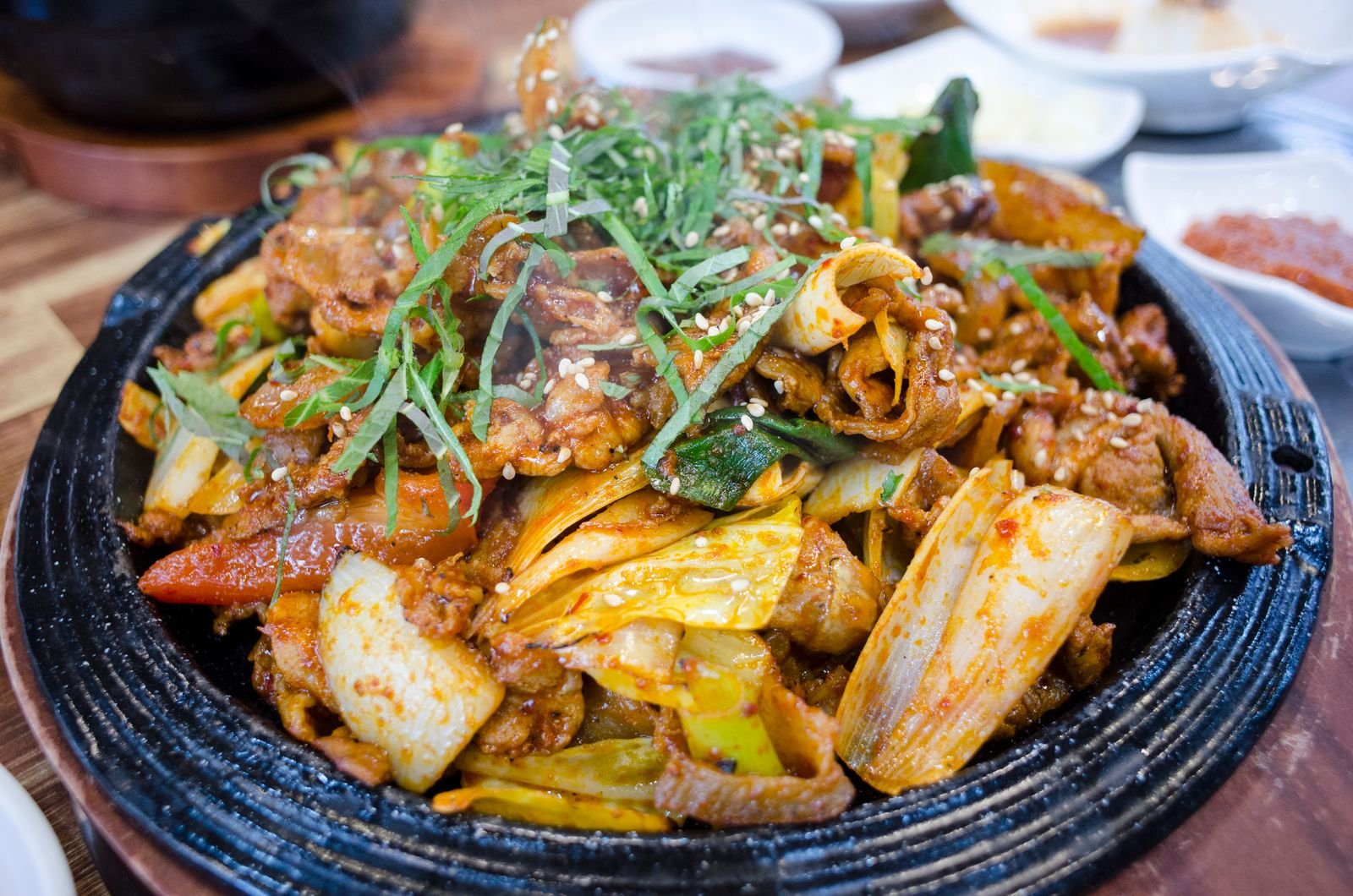
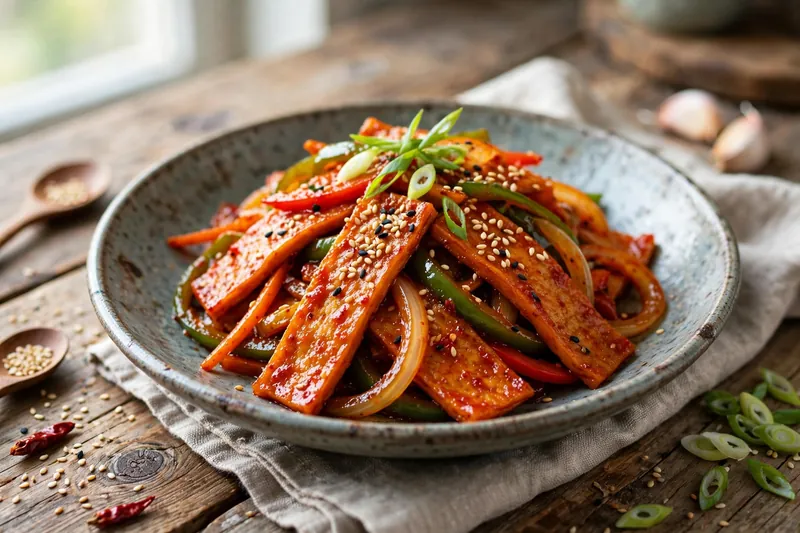
Dwaeji bulgogi is Korea's spicy pork answer to beef bulgogi: thin slices of pork shoulder marinated in gochujang, garlic, and grated pear, then seared in a screaming-hot pan until the edges caramelize. The meat turns smoky, sweet, and just hot enough, with soft onions and a nutty sesame finish. Pile it into lettuce leaves with rice and kimchi, and dinner tastes like a Korean barbecue night at home.
The story behind Dwaeji Bulgogi
Dwaeji means pork and bulgogi means fire meat, so the name is a promise: pork cooked over fierce heat. Beef bulgogi came first, a dish once reserved for royal tables and special occasions because beef was dear. Pork was the everyday meat, cheaper and easier to raise, so home cooks built their own version around it. They swapped the sweet soy marinade of beef bulgogi for a spicier one built on gochujang, and a new classic was born. Pork shoulder takes the marinade well because its fat keeps the meat juicy, and the thin slices cook in minutes on a home stove.
Pork bulgogi is now one of the most cooked dishes in Korean homes. It shows up on weeknights when dinner needs to be fast, at lunch counters as a rice bowl, and at tabletop barbecues where everyone grills their own meat. Restaurants serve it sizzling on a hot plate, and street stalls tuck it into bread rolls or rice. The marinade does the heavy work, so the dish is forgiving for new cooks and quick enough for tired ones.
What makes it special is the marinade itself. Soy sauce gives salt, gochujang brings heat and depth, honey and brown sugar add the sweetness that helps the edges caramelize, and grated Asian pear works quietly in the background. The pear adds a gentle sweetness and its natural enzymes soften the pork, so the meat turns tender even in a short marinade. Garlic and ginger keep the flavor bold, and sesame oil ties everything together with a nutty warmth.
Cook this when you want barbecue flavor without lighting a grill. It is a great Friday-night dinner, a crowd-pleaser for guests who like to build their own lettuce wraps, and a strong choice for meal prep because the marinade freezes well. Make a double batch, freeze half, and you have a fast dinner waiting for a night when cooking feels like too much.
- Prep time
- 40 mins
- Cook time
- 15 mins
- Total time
- 55 mins
- Servings
- 4 servings
- Calories
- 520
Ingredients
- 600 g pork shoulder, thinly sliced
- 3 tablespoons soy sauce
- 2 tablespoons gochujang (Korean chili paste)
- 1 tablespoon gochugaru (Korean chili flakes)
- 1 tablespoon honey
- 1 tablespoon brown sugar
- 4 garlic cloves, minced
- 1 teaspoon grated fresh ginger
- 1/2 Asian pear or apple, grated
- 1 tablespoon sesame oil
- 1 onion, thinly sliced
- 2 green onions, cut into 5 cm pieces
- 1 teaspoon toasted sesame seeds
- Lettuce leaves and steamed rice, to serve
Instructions
- Put the pork in the freezer for 20 to 30 minutes until it feels firm but not frozen solid. Firm meat slices far more thinly than soft meat, and thin slices are the whole secret of this dish. Slice against the grain into pieces about 3 mm thick.
- Whisk the soy sauce, gochujang, gochugaru, honey, brown sugar, garlic, ginger, grated pear, and sesame oil in a large bowl. The marinade should look thick and deep red, and taste sweet, salty, and spicy all at once. Add a spoonful of water if it feels too thick to coat the meat.
- Add the pork slices and the onion to the bowl and toss with your hands until every piece is coated. Cover the bowl and leave it in the fridge for at least 30 minutes. Overnight is even better, and the pork will pick up more flavor the longer it sits.
- Heat a large heavy pan or cast-iron skillet over high heat until a drop of water sizzles and vanishes on contact. Add a thin film of oil and swirl it around. The pan must be very hot before the meat goes in, or the pork will steam instead of searing.
- Lay the pork in the pan in a single layer, leaving space between the pieces. Work in batches if you have to, because crowded pork boils in its own juice and never browns. Cook for 2 to 3 minutes per side until the edges darken and caramelize and the meat smells smoky and sweet.
- When the last batch is nearly done, return all the pork to the pan with the green onions. Toss everything for 1 to 2 minutes so the onions soften slightly and pick up the sauce. The green onions should stay bright and fresh, not wilted and grey.
- Taste a piece and adjust the seasoning. If it needs more salt, add a splash of soy sauce; if it tastes too hot, a drizzle of honey calms it down. Turn off the heat and sprinkle over the sesame seeds and a final drizzle of sesame oil.
- Let the pork rest in the pan for 2 minutes so the juices settle back into the meat. Slice any large pieces into bite-size strips so they fit neatly into a lettuce leaf. Pile the pork onto a warm serving plate and spoon the pan juices over the top.
- Serve with lettuce leaves, steamed rice, and kimchi on the table. To eat it, lay a lettuce leaf in your palm, add rice and a few strips of pork, dab on a little extra gochujang, fold it into a small parcel, and eat it in one or two bites.
Pro tips
- Ask your butcher to slice the pork shoulder thin if you do not want to slice it yourself. Most butchers will do it if you ask, and it saves the trickiest step of the recipe. Tell them you want slices about 3 mm thick for bulgogi, and keep the meat cold on the way home.
- Do not skip the grated pear or apple. It is the quiet ingredient that tenderizes the meat and balances the heat with natural sweetness.
- Marinate in a zip-top bag instead of a bowl. It uses less marinade, coats the meat evenly, and stacks flat in the freezer for meal prep.
- Keep the pork moving less, not more. Let each side sit still in the pan for a full 2 minutes so it can brown properly before you flip it.
- Warm the lettuce leaves for a few seconds in the microwave or a dry pan. Cold, stiff leaves crack when you fold them, while warm leaves bend easily.
Variations & serving ideas
Swap the pork for chicken thigh to make dak bulgogi, the chicken version of the same dish. Chicken thigh stays juicy under high heat and takes the same marinade well; give it the same 30 minutes in the fridge. Beef works too, though it cooks faster and costs more. For a meat-free plate, use thick slices of king oyster mushroom or extra-firm tofu, pressed dry and cut into strips.
Change the heat to suit your table. Leave out the chili flakes and halve the gochujang for a mild version that children enjoy, and add a little more honey to keep it sweet. For extra fire, stir in a chopped fresh chili or a spoonful of chili oil at the end. A squeeze of lime over the finished pork lifts the richness and adds a bright note that suits the smoky meat.
Turn it into a rice bowl instead of wraps. Spoon the pork over steamed rice with a fried egg, shredded carrot, cucumber, and a dollop of kimchi. It also works in noodles: toss the cooked pork through wheat noodles with the pan juices and sliced green onion. Leftover pork makes a great sandwich filling the next day, tucked into a soft roll with pickled cucumber. It also fills rice paper rolls nicely with cucumber and herbs for a cold lunch the next day.
Pair it with drinks that cool the spice. Cold lager is the easy match, and makgeolli, the milky rice wine, softens the chili heat with its gentle sweetness. Soju is the classic barbecue partner, poured into small glasses and shared around the table. If you skip alcohol, barley tea or sparkling water with lemon cleanses the palate between wraps.
Getting it right
The key technique is slicing the pork thin. Thick slices cook unevenly: the outside dries out before the inside is done, and the marinade never reaches the middle. Partly freezing the meat for 20 to 30 minutes firms it up so your knife glides through in even 3 mm slices. Cut against the grain, the direction the muscle fibers run across, and each slice will be tender instead of chewy.
Heat control is the second skill. The pan must be hot enough that the pork sears the moment it lands, with a loud sizzle and a little smoke. That fast sear is what builds the dark, caramelized edges that taste so good. Cook in batches and leave space between the slices. If you pile all the pork in at once, the pan cools down, the meat releases its juices, and you end up with grey boiled pork instead of browned bulgogi.
The common mistakes are all avoidable. Do not marinate longer than a day, because the pear enzymes will turn the pork mushy. Do not skip the rest after cooking: two minutes lets the juices settle so the meat stays moist. And do not be shy with the heat, but keep the marinade moving so the sugars do not burn. A cast-iron pan holds heat better than a thin one, so use the heaviest pan you own for the best browning. If the pan starts to smoke too much, pull it off the heat for a few seconds rather than turning the burner down and losing your sear.
Storing & reheating
Cooked dwaeji bulgogi keeps in the fridge for up to 3 days in a sealed container. Let it cool before you pack it away, and keep the lettuce and rice separate so nothing goes soggy. The flavors deepen overnight, so the second day can taste even better than the first.
Reheat the pork in a hot pan for 2 to 3 minutes until it steams and the edges crisp again; the microwave works but leaves the meat softer. You can also freeze the raw marinated pork in portions for up to a month. Thaw it in the fridge overnight and cook it straight from the bag, exactly as the recipe says.
Frequently asked questions
What is dwaeji bulgogi?
Dwaeji bulgogi is spicy Korean pork barbecue. Thin slices of pork shoulder are marinated in gochujang, soy sauce, garlic, and grated pear, then cooked fast in a hot pan. It is the pork cousin of beef bulgogi, with a spicier and sweeter marinade.
What cut of pork works best?
Pork shoulder is the best choice because it has enough fat to stay juicy under high heat. Pork loin works too but dries out faster, so watch it closely. Ask your butcher to slice it thin, or partly freeze the meat at home and slice it yourself.
How long should I marinate the pork?
Thirty minutes gives you good flavor, and overnight in the fridge gives you the best. The grated pear in the marinade tenderizes the meat, so do not marinate longer than a day. Past that point the pork can turn soft and mushy instead of tender.
Is dwaeji bulgogi very spicy?
It is medium-hot. Gochujang and chili flakes bring the heat, while honey and pear add sweetness to balance it. If you want it milder, halve the chili flakes and add an extra spoonful of honey. The lettuce wraps cool each bite down too.
What do you serve with dwaeji bulgogi?
Lettuce leaves are the classic partner, with steamed rice, kimchi, and a few pickled vegetables on the side. A simple soup, like soybean paste soup, rounds out the meal. Cold beer or makgeolli goes well with the smoky spice.
Can I freeze marinated dwaeji bulgogi?
Yes, it is great for meal prep. Marinate a big batch and freeze it in portions for up to a month. Thaw it in the fridge overnight and cook it straight from the bag. Cooked leftovers keep in the fridge for 3 days and reheat fast in a hot pan.