Bibim Makguksu Recipe
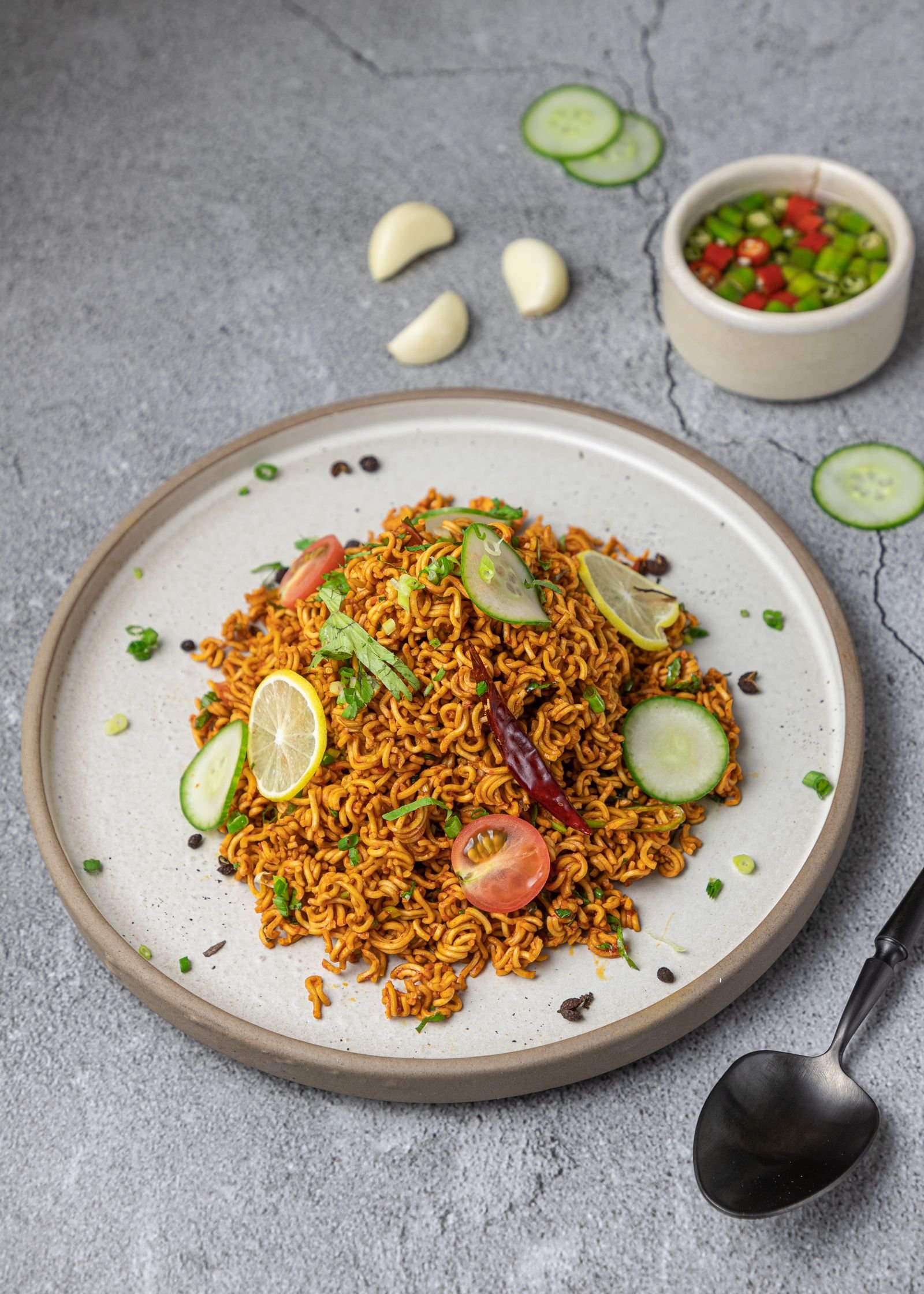
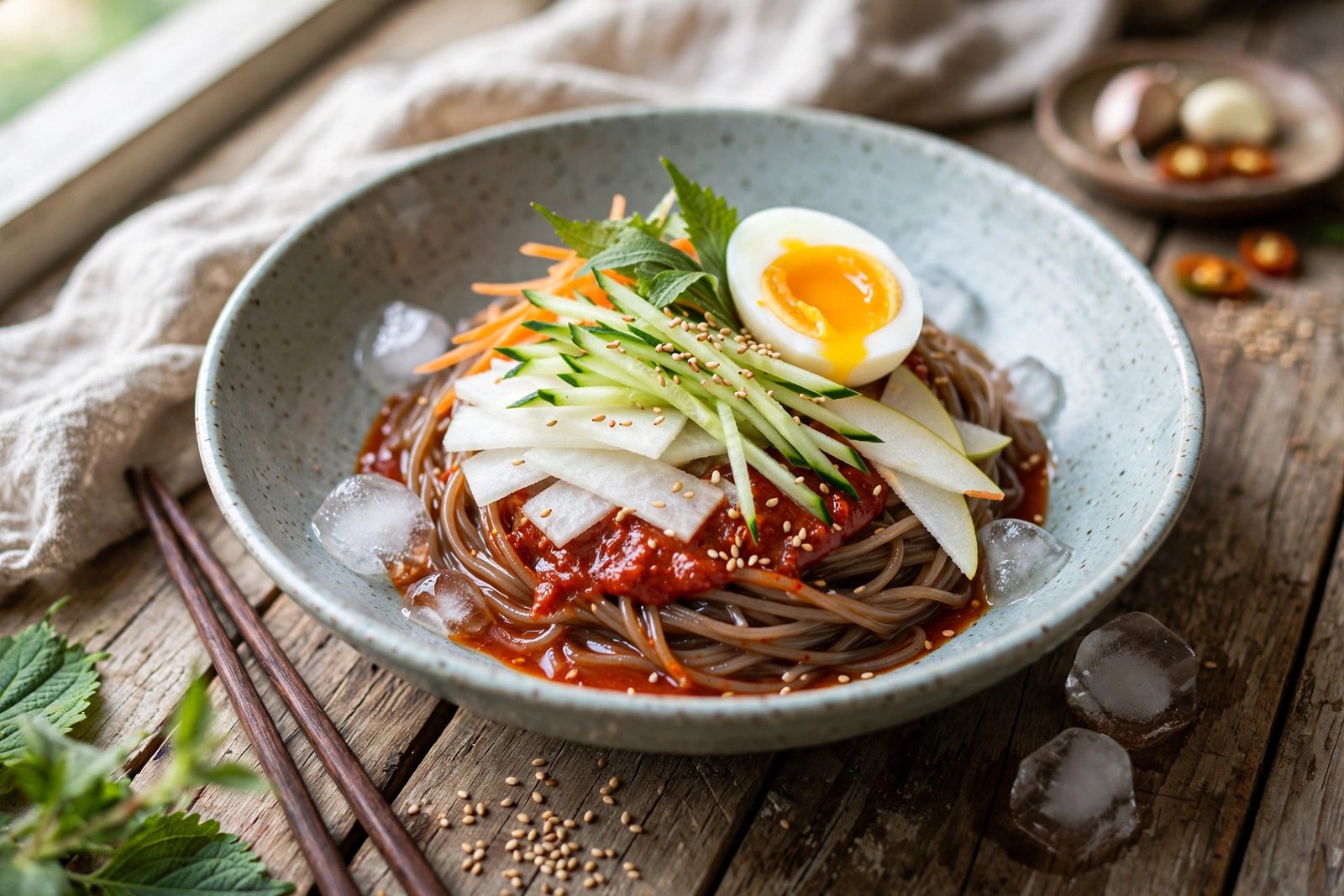
Chewy buckwheat noodles slicked in a spicy, sweet-sour gochujang sauce, topped with cool cucumber, a soft egg and a shower of sesame. Bibim makguksu is bold, refreshing and a little bit addictive — the kind of bowl you mix at the table, take one bite of, and then cannot put down. It is summer food, but honestly, it works all year.
The story behind Bibim Makguksu
Bibim makguksu comes from Chuncheon, the capital of Gangwon Province in the mountains of north-eastern Korea, where buckwheat grows well in the cool climate and poor soil. The city is famous for two noodle dishes: makguksu in cold broth, and this one, bibim makguksu, where the same buckwheat noodles are tossed in a spicy sauce instead. Chuncheon even holds a makguksu festival each year, and the noodle shops along its streets compete over their sauce recipes.
The dish belongs to Korea's bibim tradition — food that you mix together at the table, from bibimbap to bibim naengmyeon. The idea is simple: a bowl of separate parts that only becomes the dish when you toss them together with chopsticks, coating every strand in sauce. It is hands-on, a little bit messy, and it tastes better for it. The sauce is the heart of it — gochujang, vinegar, sugar and sesame oil, balanced so no one flavour shouts over the others.
What makes bibim makguksu special is the contrast in every mouthful. The noodles are chewy and cool, the sauce is spicy and tangy, the cucumber is crisp and fresh, and the egg yolk melts through the sauce and softens the heat. It is a dish of temperatures and textures as much as flavours, and it wakes you up in a way a hot, heavy noodle soup never does.
This is a fast, bright bowl for a warm day. The noodles cook in four minutes, the sauce is a five-minute whisk, and the toppings are a cucumber and an egg. Serve it for a weeknight dinner in Australia when the weather is warm and nobody wants a heavy meal — it is on the table in half an hour, it is fun to eat, it leaves you feeling full without feeling weighed down, and the leftovers keep well. Keep a tub of gochujang in the fridge, a packet of buckwheat noodles in the pantry, and a cucumber in the crisper, and this bowl is always an option, even on the nights when you have not planned anything at all.
- Prep time
- 25 mins
- Cook time
- 30 mins
- Total time
- 55 mins
- Servings
- 4 servings
- Calories
- 470
Ingredients
- 300 g dried buckwheat noodles (makguksu or soba noodles)
- 3 tbsp gochujang (Korean red chilli paste)
- 2 tbsp rice vinegar
- 1 tbsp soy sauce
- 1 tbsp caster sugar
- 1 tbsp sesame oil
- 1 tsp grated fresh garlic
- 1 Lebanese cucumber, julienned
- 2 spring onions, finely sliced
- 4 eggs, soft-boiled (6 minutes)
- 1 tbsp toasted sesame seeds
- 1 tsp toasted sesame oil, extra, for tossing
- 1 tbsp kimchi, chopped (optional, for topping)
- 1 tsp gochugaru (Korean chilli flakes, optional)
Instructions
- Cook the eggs first. Bring a small pot of water to a boil, lower the eggs in gently, and cook for 6 minutes for a soft, jammy yolk. Lift them out into cold water, peel once cool, and halve them. A 6-minute egg gives you a yolk that melts into the sauce when you mix the bowl — that soft richness is part of the dish.
- Make the sauce while the eggs cool. Whisk the gochujang, rice vinegar, soy sauce, sugar, sesame oil, garlic and gochugaru if you are using it, in a large mixing bowl until smooth and glossy. Taste it: it should be spicy, tangy and a little sweet, with the sesame oil rounding off the edges. Adjust with a little more vinegar for brightness or sugar for balance.
- Boil the noodles in plenty of water. Bring a large pot of water to a hard, rolling boil, add the buckwheat noodles, and stir once so they do not clump. Cook for 4 to 5 minutes, tasting a strand at 4 minutes — it should be chewy and springy, with a firm bite, not soft. Buckwheat overcooks fast, so watch the clock.
- Rinse the noodles until they are cold. Tip them into a colander and rinse under cold running water, tossing with your hands until the noodles feel cool, slippery and completely free of surface starch. Shake the colander hard to remove as much water as you can — wet noodles dilute the sauce and make the bowl taste watery.
- Toss the noodles in the sauce. Put the cold, drained noodles into the bowl with the sauce, add the extra sesame oil, and toss with tongs or chopsticks until every strand is evenly coated and glossy red. Lift and turn the noodles rather than stirring in circles, so they stay springy and do not break.
- Divide the noodles between four bowls. Use tongs to lift the noodles in loose, high nests — a tall pile looks better than a flat one and mixes more easily. Make a small well in the centre of each nest for the toppings, so the egg and cucumber sit on top rather than sliding off.
- Add the toppings. Lay the cucumber alongside the noodles, set a halved egg in the centre of each bowl, and scatter the spring onion and sesame seeds over the top. Add the chopped kimchi if you are using it. The bowl should look bright and generous, with the red sauce, green cucumber and golden yolk all showing.
- Mix at the table and eat straight away. Give everyone chopsticks and tell them to toss the bowl well before eating — the egg yolk should break and melt through the sauce, coating the noodles in a richer, silkier layer. Eat it cold and fast: the noodles are at their best in the first ten minutes.
Pro tips
- Do not overcook the buckwheat noodles. Start tasting at 4 minutes and pull them the moment they turn chewy-firm — a minute too long and they go soft and break when you toss them. Set a timer — buckwheat moves fast, and a minute of distraction is all it takes to lose the chew.
- Rinse until the water runs clear. Cold, starch-free noodles are the whole secret: they stay springy, they hold the sauce, and the bowl tastes clean instead of starchy.
- Taste the sauce before the noodles go in. Gochujang brands vary a lot in sweetness and heat, so adjust with vinegar, sugar or soy until the balance is right for you. Remember that the noodles will soften the sauce, so season it a touch bolder than you think it needs.
- Toss in a big bowl, not a small one. You need room to lift and turn the noodles without them spilling, and a wide bowl coats every strand evenly.
- Serve it cold, not lukewarm. Chill the bowls in the fridge for a few minutes if the kitchen is warm — cold noodles and a cold bowl keep the dish refreshing.
Variations & serving ideas
Bibim makguksu is a template as much as a recipe, and it welcomes changes. The classic Chuncheon version is all about the sauce, but the toppings are yours to choose. Sliced pear or apple adds a sweet crunch that Koreans love in cold noodle dishes, and shredded carrots or radish bring colour and bite. For a heartier bowl, add sliced grilled chicken, a few prawns, or thin strips of beef bulgogi on top.
The sauce itself has many lives. Make a double batch and it keeps in the fridge for a week — use it as a dressing for cold soba, a dip for dumplings, or a spicy toss for leftover rice noodles. If you like it hotter, add more gochugaru; if you prefer it milder, add a spoonful of honey and a little extra sesame oil. Some families stir in a spoonful of kimchi juice for extra tang, and it works beautifully.
If buckwheat is a problem, use wheat-based naengmyeon noodles or even spaghetti cooked and rinsed cold — the texture is different, but the sauce still carries the dish. For a gluten-free bowl, use 100% buckwheat noodles and tamari instead of soy sauce, and check that your gochujang is gluten-free, since many brands contain wheat.
Serve bibim makguksu as a light main on a warm day, with something simple on the side. A small bowl of cold cucumber soup, a plate of kimchi, or a few pieces of fried mandu all sit happily next to it. Iced barley tea or a cold beer is the natural drink, and the bowl is substantial enough on its own that you do not need a big spread. A handful of crushed roasted peanuts or a spoonful of toasted sesame seeds stirred through at the end adds crunch and a nutty depth that suits the spicy sauce, and a few leaves of perilla or shiso, if you can find them, bring a fresh herbal note that lifts the whole bowl. For a packed lunch, keep the noodles, sauce and toppings separate and toss them together just before eating — the noodles stay springy, the cucumber stays crisp, and the bowl tastes freshly made.
Getting it right
The key technique is the noodle cook and rinse. Buckwheat noodles have a narrow window: undercooked they taste chalky and raw in the middle, overcooked they turn soft and snap when you toss them. Use a big pot, lots of water at a full rolling boil, and start tasting a minute before the packet time. The moment a strand is chewy with a firm centre, pull the pot off the heat and drain.
The cold rinse is just as important as the cook. Rinsing under cold running water washes off the cloudy surface starch, stops the cooking dead, and tightens the noodles so they stay springy in the sauce. Toss the noodles with your hands under the water until they feel cool and slippery, then shake the colander hard — any water left clinging to the strands will thin the sauce and dull the flavour.
The most common mistake is a sauce that is too thick or too thin. Gochujang straight from the tub is a paste, and it needs the vinegar, soy and sesame oil to loosen it into a sauce that coats rather than clumps. If it feels stiff, add vinegar a teaspoon at a time until it drapes over the noodles. The second mistake is under-seasoning: buckwheat is a strong flavour, and a timid sauce disappears against it. Taste the sauce on a noodle, not on its own, and season until the noodle tastes bright. One more habit worth building: toss the noodles in the sauce while they are still slightly damp from the rinse. A little moisture helps the sauce cling to every strand instead of sliding off, and the bowl comes together in seconds rather than minutes.
Storing & reheating
Bibim makguksu is best eaten fresh, but the parts keep well. Store the sauce in a sealed jar in the fridge for up to a week, and the rinsed, drained noodles in a sealed container for a day, tossed with a teaspoon of sesame oil so they do not stick. Keep the cucumber and eggs separate — cucumber goes soft and the egg is best eaten within a day.
To serve leftovers, toss the cold noodles with the sauce again and add fresh toppings; a fresh egg and fresh cucumber make a day-old batch taste close to new. Do not reheat the noodles — heat ruins the chewy texture that makes the dish. This bowl does not freeze at all, so make only what you plan to eat in a day or two.
Frequently asked questions
Can I use soba noodles instead of makguksu noodles?
Yes, dried soba noodles work well and are easy to find in Australia. Look for buckwheat noodles with a high buckwheat percentage. The texture is very close, and the sauce works exactly the same way. It is a flexible dish, so make it your own and season it to your taste.
How spicy is bibim makguksu?
It has a warm, steady heat from the gochujang, but it is not fiery. The sugar, vinegar and egg yolk all soften the spice. Add more gochugaru for heat, or more sugar and sesame oil to calm it down. It is a flexible dish, so make it your own and season it to your taste.
Can I make the sauce ahead of time?
Yes, the sauce keeps in a sealed jar in the fridge for up to a week and the flavour actually improves after a day. Stir it well before using, since the oil can separate on top. It is a flexible dish, so make it your own and season it to your taste.
Is bibim makguksu gluten-free?
Not as written, because gochujang and soy sauce often contain wheat. Use 100% buckwheat noodles, gluten-free tamari, and a gluten-free gochujang, and the bowl works well for a gluten-free table. It is a flexible dish, so make it your own and season it to your taste.
What can I add to make it more filling?
Sliced grilled chicken, prawns, beef bulgogi or a second egg all add substance. Extra cucumber, shredded carrot and kimchi bulk the bowl up without making it heavy. It is a flexible dish, so make it your own and season it to your taste.
Where can I buy gochujang in Australia?
Most large supermarkets stock gochujang in the Asian aisle, and Korean grocers carry a wider range. Look for a tub labelled gochujang or Korean red chilli paste, in mild or medium heat. It is a flexible dish, so make it your own and season it to your taste.