Kougelhopf Recipe
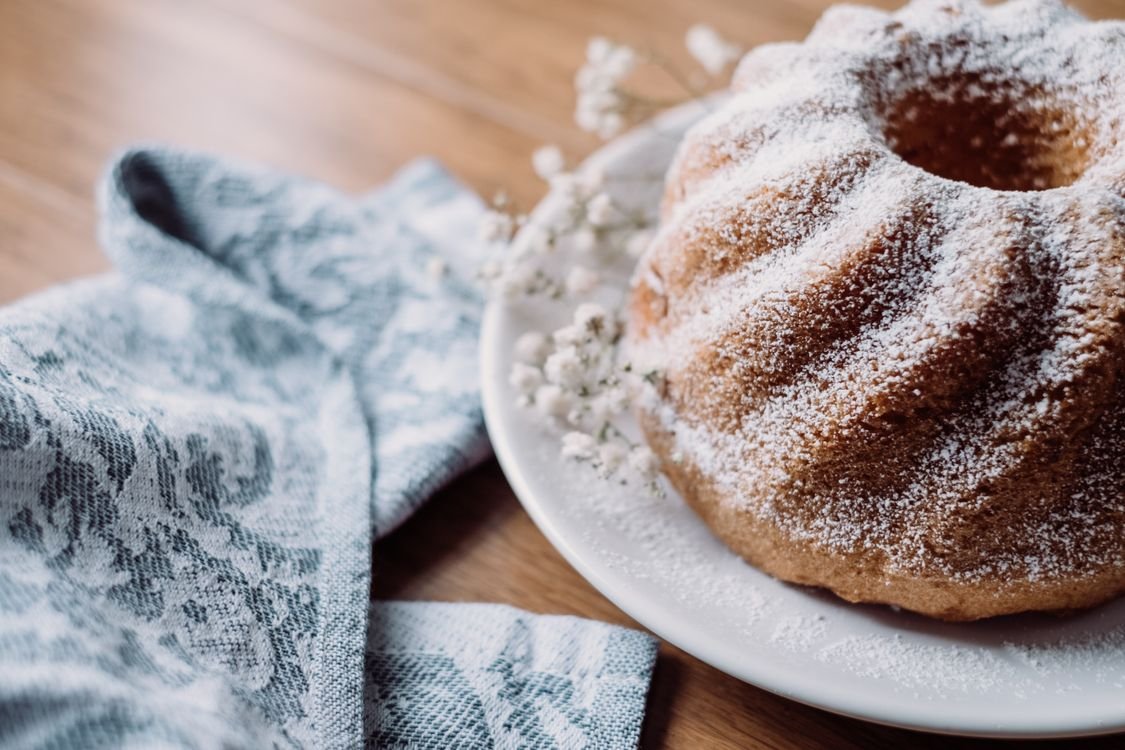
Kougelhopf is the ring-shaped yeast cake of Alsace, golden and buttery, studded with rum-soaked raisins and crowned with whole almonds. It bakes in a fluted mould, so every slice has a crisp sugared edge and a soft, brioche-like crumb. Serve it warm for breakfast, with coffee in the afternoon, or as a gentle dessert with cream.
The story behind Kougelhopf
Kougelhopf comes from Alsace, the wine region of north-eastern France, and it is one of the oldest cakes in the French baking tradition. Its name comes from the Germanic word for a ball or round loaf, and its shape is unmistakable: a tall ring with deep flutes, baked in a special earthenware or copper mould. The dough is enriched with butter, eggs and milk, so the cake sits somewhere between a brioche and a sponge, golden outside and soft inside.
The cake has been a part of Alsatian life for centuries, baked for Sundays, weddings and village festivals. The almonds pressed into the mould are not decoration alone: they toast as the cake bakes and give each slice a nutty crunch at the top. The raisins, soaked in rum or kirsch, stay plump and sweet inside the crumb. In Alsace, families pass their moulds down through generations, and a well-seasoned earthenware mould is a treasured piece of kitchen equipment.
What makes kougelhopf special is its gentle richness. It is sweet but not sugary, buttery but not heavy, and it works at any time of day. A thick slice with coffee in the morning feels like a treat, and the same cake with whipped cream after dinner feels like a proper dessert. The fluted shape does real work too: the ridges crisp up in the oven while the inside stays soft, so every slice has a contrast of textures.
Bake kougelhopf when you have a slow morning and want the house to smell of butter and warm fruit. The dough needs time to rise, so start early and let it take its time. It suits a weekend breakfast, an afternoon tea or a simple dessert after a rich meal. Serve it warm from the oven or at room temperature, dusted with icing sugar, and let everyone cut their own thick slice.
- Prep time
- 30 mins
- Cook time
- 45 mins
- Total time
- 2 hrs 30 mins
- Servings
- 4 servings
- Calories
- 420
Ingredients
- 500 g plain flour, plus extra for dusting
- 7 g fast-action dried yeast
- 100 g caster sugar
- 250 ml warm whole milk
- 2 large eggs, at room temperature
- 150 g unsalted butter, softened
- 100 g raisins
- 3 tablespoons dark rum or warm water
- 50 g whole blanched almonds
- 1 teaspoon fine sea salt
- Icing sugar, for dusting
Instructions
- Put the raisins in a small bowl, pour over the rum or warm water and leave them to soak for 30 minutes. Drain them well and pat them dry with kitchen paper. This keeps them plump and stops them from drying out or burning in the oven. Butter a kougelhopf mould or bundt tin generously, right into every groove.
- Warm the milk until it feels like a comfortable bath, about 37°C. If it is too hot it will kill the yeast, and if it is too cold the dough will rise slowly. Stir in a pinch of the sugar and sprinkle over the yeast. Leave it for 10 minutes until it turns frothy, which tells you the yeast is alive.
- Tip the flour, remaining sugar and salt into a large bowl and make a well in the centre. Pour in the yeasty milk and the eggs, then mix with a wooden spoon until a shaggy dough forms. Turn it out onto a lightly floured surface and knead for 8 minutes, until it is smooth and springs back when poked.
- Add the softened butter a little at a time, kneading it in until the dough turns glossy and elastic. This takes a few minutes and the dough will feel sticky at first, so resist adding more flour. Fold in the drained raisins and knead for 1 minute more so they are spread evenly through the dough.
- Press a whole almond into each groove at the base of the buttered mould, then spoon the dough in and press it down gently so it fills the shape. Cover the tin with a clean cloth and leave it in a warm place for 1 hour and 30 minutes, until the dough has risen to near the top of the tin.
- Heat the oven to 180°C. Bake the kougelhopf for 40 to 45 minutes, until the top is a deep golden brown and the cake sounds hollow when you tap it. If the top browns too fast, lay a sheet of foil loosely over it for the last 10 minutes. The smell of butter and warm raisins should fill the kitchen.
- Leave the cake in the tin for 10 minutes so it firms up, then turn it out onto a wire rack. If it resists, run a thin knife around the edges and tap the tin firmly on the counter. The almonds should sit on top like a crown, and the fluted sides should be crisp and golden.
- Let the kougelhopf cool completely before dusting it with icing sugar. Cut it in thick slices with a serrated knife, using a gentle sawing motion so the soft crumb does not squash. Serve it plain, or with butter, jam or softly whipped cream alongside.
- If the crumb feels slightly dry the next day, warm the slices in a low oven for 5 minutes. A short warming brings back the buttery smell and softens the cake. Never microwave a whole kougelhopf: it heats unevenly and turns rubbery at the edges.
Pro tips
- Use room-temperature eggs and soft butter. Cold eggs cool the dough and slow the yeast, while cold butter will not work into the dough and leaves greasy streaks in the crumb.
- Butter the mould generously, right into the grooves. A missed groove is where the cake sticks, and no amount of tapping will free a cake that has baked onto bare metal or earthenware.
- Soak the raisins for a full 30 minutes. Dry raisins pull moisture out of the dough as they bake, leaving dry pockets, while soaked raisins stay juicy and sweet.
- Check the milk temperature with your finger. It should feel warm and comfortable, like bath water. Too hot and the yeast dies; too cold and the rise takes twice as long.
- Dust with icing sugar only when the cake is completely cool. Sugar on a warm cake melts into a sticky glaze, and you lose the snowy finish that makes a kougelhopf look so inviting.
Variations & serving ideas
The classic kougelhopf uses raisins and almonds, but the dough takes well to other dried fruit. Chopped dried apricots, cranberries or sour cherries all work, and a spoonful of candied orange peel adds a bright, citrus note that suits the butter. Soak any dried fruit before folding it in, and keep the total weight the same so the dough is not overloaded. A version with chocolate chips is popular with children, though purists would call it a different cake.
The flavouring can shift too. A splash of kirsch in place of rum gives a cherry-almond note, while a teaspoon of vanilla extract or a pinch of ground cardamom warms the crumb. Some bakers in Alsace add a little orange zest to the dough, which lifts the richness without changing the character of the cake. A chocolate version exists too, with cocoa folded into half the dough for a marbled effect.
Serve kougelhopf sliced thick, with soft butter and jam for breakfast or afternoon tea. For dessert, add softly whipped cream, a scoop of vanilla ice cream or a spoonful of crème anglaise. In Alsace it is often served plain with coffee, and the cake is sliced at the table so everyone can take the piece they want. A fruit compote on the side adds colour and acidity.
For pairing, coffee is the natural partner, and a milky café au lait suits the buttery crumb. For an evening dessert, a glass of sweet Alsatian wine such as Gewürztraminer vendanges tardives echoes the dried fruit. A cup of black tea with lemon also works, since its sharpness cuts through the butter.
Getting it right
The key technique is handling an enriched dough, which behaves differently from a plain bread dough. The butter goes in after the flour, milk, eggs and yeast have come together, and it must be soft, not melted. Work it in a little at a time, kneading until the dough turns glossy and pulls cleanly away from the bowl. The dough will feel sticky while you work, but adding extra flour makes the cake dense, so keep your hands lightly floured instead and trust the kneading.
Rising is the second skill, and patience is the whole of it. The dough needs a warm, draught-free spot and about ninety minutes to double in size. If your kitchen is cool, use the oven with only the light switched on, which gives a gentle warmth of around 28°C. Do not rush it with a hot oven: heat above 40°C kills the yeast and the cake will bake flat and heavy. A slow rise also builds flavour, so an overnight rise in the fridge is worth trying.
The most common mistake is under-baking. The fluted shape and deep tin hide the centre, so the outside can look done while the middle is still doughy. Bake until the top is a deep golden brown and a skewer pushed into the thickest part comes out clean. Another common slip is turning the cake out too soon: ten minutes in the tin lets it firm up, and turning it out hot can tear the soft crumb.
Storing & reheating
Kougelhopf keeps well at room temperature for 2 to 3 days if you wrap it tightly in cling film or keep it in a cake tin. The crumb stays soft because of the butter and eggs, though the sugared top slowly absorbs moisture. Wait until the cake is completely cool before wrapping it, or condensation will make the crust soggy. Dust with icing sugar again just before serving to freshen it up.
For longer keeping, slice the cake and freeze the slices in a sealed bag for up to 3 months. Defrost slices at room temperature for an hour, or warm them in a low oven for 5 minutes until they smell buttery again. The whole cake also freezes well if wrapped in two layers of cling film and a layer of foil. Avoid the fridge, which dries enriched dough out faster than room temperature.
Frequently asked questions
What is kougelhopf?
Kougelhopf is a traditional Alsatian yeast cake baked in a tall fluted ring mould. It is made from an enriched dough with butter, eggs, milk and sugar, studded with raisins and lined with whole almonds. The result is golden, lightly sweet and somewhere between a brioche and a cake.
Do I need a special mould to make kougelhopf?
A kugelhopf mould is traditional and gives the cake its tall fluted shape, but a bundt tin works well too. A plain ring tin also works, though the cake will look smoother. Whatever tin you use, butter it generously and press the almonds into the grooves so they show on top.
Should I soak the raisins first?
Yes, soaked raisins stay plump and juicy through the bake, while dry raisins shrivel and can burn. Soak them in warm rum or warm water for 30 minutes, then drain them well. Any liquid left on them can make the dough sticky, so pat them dry before folding them in.
How do I get the dough to rise properly?
The dough is soft and sticky, so it needs a gentle hand. Knead until it is smooth and pulls away from the bowl, then let it rise in a warm spot until doubled. If your kitchen is cool, put the bowl in an oven with just the light on. A cold rise overnight in the fridge also works and gives a deeper flavour.
How do I get the cake out of the mould cleanly?
Let it cool in the tin for 10 minutes, then turn it out onto a rack. If it sticks, run a thin knife around the edges and give the tin a firm tap. The cake should release cleanly with the almonds on top. Dust with icing sugar only once it is completely cool, or the sugar melts.
How should I serve kougelhopf?
It is wonderful with coffee or tea in the afternoon, sliced thick and spread with butter or jam. For dessert, serve it with softly whipped cream or a scoop of vanilla ice cream. In Alsace it is also a breakfast cake, eaten plain with a cup of coffee.