Chicken Corn Soup Recipe
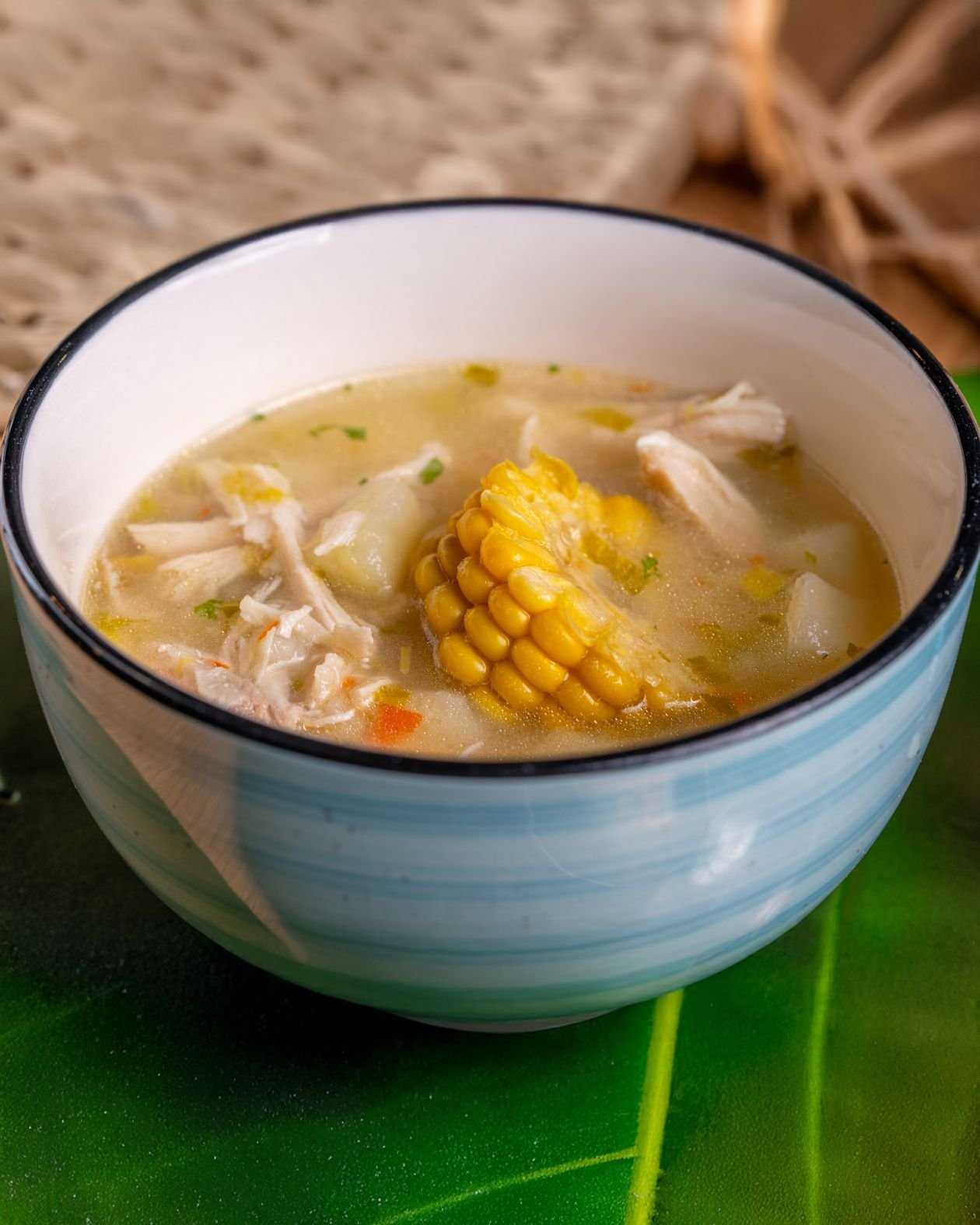
A silky golden soup of shredded chicken and sweetcorn, thickened lightly and finished with ribbons of egg. It is gentle, warming and deeply comforting, the kind of soup that suits a cold evening or a quiet lunch. A little ginger and white pepper give it warmth without any heat.
The story behind Chicken Corn Soup
Chicken corn soup is a quiet classic of Cantonese cooking, the kind of dish that appears on family tables and in small restaurants without any fuss. It grew out of the Cantonese love of clear, nourishing soups, where a good stock does most of the work and the cook adds only what is needed. Sweetcorn arrived in China centuries ago and settled happily into the cuisine, and pairing it with chicken was a natural step. The soup asks for little and gives back a lot: a pot of golden broth, a little protein, and a warmth that suits almost any day.
In Cantonese homes, soup is not a starter but a daily habit. A pot simmers while the rest of dinner is prepared, and the soup is served alongside rice and vegetables rather than before them. Chicken corn soup fits this pattern neatly: it uses a modest amount of chicken, stretches it with stock and corn, and feeds a family without fuss. It is the sort of cooking that values care over display. Many families keep their own small variations, adding a little more ginger in winter or an extra egg when there are more mouths to feed, and the recipe bends easily to what is in the kitchen.
What makes this soup special is its texture. The creamed corn gives the broth a soft body, the kernels add little bursts of sweetness, and the shredded chicken makes every spoonful feel substantial. Then the egg ribbons arrive, fine and golden, turning a simple soup into something that looks cared for. The ginger and white pepper stay in the background, warming the soup without ever taking it over.
Cook this soup when someone in the house is under the weather, or when the evening is cold and you want something gentle. It is also a good first course for a Chinese-style dinner, and children tend to love it because it is mild, sweet and easy to eat. Make a big pot, because it disappears fast and reheats well the next day.
- Prep time
- 15 mins
- Cook time
- 30 mins
- Total time
- 45 mins
- Servings
- 4 servings
- Calories
- 280
Ingredients
- 500 g boneless, skinless chicken breast
- 1.5 litres chicken stock
- 1 teaspoon fresh ginger, finely grated
- 1 can (400 g) creamed sweetcorn
- 150 g sweetcorn kernels, fresh or frozen
- 2 tablespoons light soy sauce
- 1 tablespoon Shaoxing wine (or dry sherry)
- 1 teaspoon sesame oil
- 2 tablespoons cornflour (cornstarch), mixed with 3 tablespoons cold water
- 2 large eggs, lightly beaten
- 1/2 teaspoon ground white pepper
- 1/2 teaspoon salt, or to taste
- 3 spring onions, finely sliced
- 1 tablespoon chopped fresh coriander (optional)
Instructions
- Put the chicken breast in a large pot with the stock and the grated ginger. Bring it to a gentle simmer over medium heat, then turn the heat down low. You want small bubbles breaking the surface, not a rolling boil, which would toughen the chicken.
- Poach the chicken for 12 to 15 minutes, until it is cooked through and no pink remains in the middle. Lift the chicken out onto a plate and leave it to rest for 5 minutes. Keep the stock in the pot; it now carries the flavour of the chicken and the ginger.
- Shred the chicken with two forks, pulling it into fine strips. Fine shreds matter here, because they blend into the soup instead of sitting in heavy chunks. Set the shredded chicken aside while you build the soup.
- Stir the creamed sweetcorn and the sweetcorn kernels into the hot stock, then add the soy sauce and the Shaoxing wine. Bring the soup back to a gentle simmer and cook for 5 minutes. The kernels will soften and the creamed corn will give the soup its golden colour and body. You will see the broth turn a soft yellow and smell the corn sweeten as it heats, which tells you the base is coming together.
- Return the shredded chicken to the pot and stir it through. Taste the soup and add the salt and white pepper. The white pepper gives a warm background heat that suits this soup better than black pepper, which can look speckled in the pale broth.
- Give the cornflour slurry a quick stir, because the starch settles fast, then pour it into the soup in a thin stream while you stir. Simmer for 1 to 2 minutes until the soup thickens slightly and turns glossy. It should coat a spoon lightly, not sit like a sauce.
- Take the pot off the heat and wait until the bubbling stops. Pour the beaten eggs in a slow, thin stream while you stir the soup in one direction with a fork or chopsticks. The egg will set into fine golden ribbons. Stop stirring once the ribbons form so they stay delicate.
- Stir in the sesame oil and check the seasoning once more. The sesame oil goes in at the very end so its fragrance stays fresh and does not cook away. A little extra soy or a pinch more white pepper can lift the whole pot at this stage.
- Ladle the soup into warm bowls and scatter the spring onions and coriander on top. Serve it at once, while the ribbons are soft and the soup is steaming. It needs nothing else, though a slice of bread for dipping never hurts.
Pro tips
- Poach the chicken gently and never let the stock boil hard, or the breast will dry out.
- Stir the cornflour slurry just before pouring, because the starch sinks to the bottom in seconds.
- Take the pot off the heat before adding the egg so the ribbons stay fine and silky.
- Use white pepper rather than black pepper; it warms the soup without speckling the pale broth.
- Warm the bowls before serving so the soup stays hot at the table.
Variations & serving ideas
Add a handful of sliced mushrooms for a deeper, earthier soup. Shiitake work best, but ordinary button mushrooms are fine. Slice them thinly and simmer them with the corn for 5 minutes so they soften and give their flavour to the broth. The soup becomes a little darker and richer, and the mushrooms add a pleasant chew. Dried shiitake need soaking in warm water for 20 minutes first; keep the soaking liquid and add a few spoonfuls to the soup, since it carries a lot of flavour.
For a heartier bowl, stir in a small handful of cooked rice or fine egg noodles at the end. This turns the soup into a light meal on its own, and it is a good way to use up leftover rice. Add the rice only when you are ready to serve, because it keeps soaking up broth and will thicken the soup if it sits.
You can make a lighter version with turkey breast instead of chicken, or leave the meat out entirely and use a good vegetable stock with an extra can of creamed corn. The egg ribbons still give the soup its character, and a little extra sesame oil at the end keeps it fragrant. It will not be quite as rich, but it is still satisfying.
Serve this soup as a first course before a Chinese-style main, or make it the centre of a light lunch with steamed buns or a simple cucumber salad. A few drops of chilli oil on top suit adults who like heat, while children usually prefer it plain. It pairs well with a pot of jasmine tea, which cleans the palate between spoonfuls. For a fuller dinner, follow it with a stir-fry and rice, and the soup will have done its job of opening the meal gently.
Getting it right
The egg ribbons are the one part of this soup that needs care. The pot must be off the heat and the bubbling must have stopped before the egg goes in. Pour the egg in a thin, steady stream while you stir slowly in one direction. Stirring too fast breaks the ribbons into tiny flecks, and pouring too fast makes lumps. Take your time and you will see fine golden threads form in the broth. If your first try makes clumps, do not worry: the soup still tastes the same, and the ribbons come with a little practice.
The chicken needs gentle heat too. A hard boil makes the breast dry and stringy, so keep the stock at a bare simmer while it poaches. Twelve to fifteen minutes is enough for a normal breast. Let it rest before shredding, because the juices settle back into the meat and the shreds stay moist. Fine shreds are worth the effort: they mix into the soup and give every spoonful a little chicken.
The most common mistake is adding the cornstarch slurry to a soup that is not simmering, which leaves a raw, chalky taste. The soup needs a full minute of gentle bubbling after the slurry goes in so the starch cooks through and the soup turns glossy. If the soup is too thin, add a little more slurry; if it is too thick, thin it with stock. Taste again after thickening, because starch dulls seasoning slightly.
Storing & reheating
Let the soup cool to room temperature, then store it in a sealed container in the fridge for up to 3 days. The egg ribbons hold up well, though the soup will thicken as it sits. Reheat it gently over low heat, stirring often, and add a splash of stock or water to bring it back to the right texture.
This soup freezes for up to 2 months, but the egg ribbons soften and the cornstarch can thin a little after thawing. If you plan to freeze it, leave the egg out and add it fresh when you reheat. Thaw overnight in the fridge, warm it slowly, then swirl in the beaten egg as usual.
Frequently asked questions
Can I use frozen or canned sweetcorn?
Yes, frozen sweetcorn works very well and needs no thawing; add it straight to the pot. Canned sweetcorn is fine too, but drain it first and rinse it lightly so the soup does not turn too sweet. Fresh corn cut from the cob gives the best flavour when it is in season, and one cob yields about a cup of kernels, which is plenty for this pot.
How long does chicken corn soup keep in the fridge?
The soup will keep for up to 3 days in the fridge in a sealed container. Reheat it gently over low heat and stir often, because the cornstarch thickens as it cools. Add a splash of stock or water if it has become too thick, and taste again before serving since the seasoning softens a little overnight.
Why does my egg turn into lumps instead of ribbons?
The egg goes in last, off the heat, while you stir the soup in slow circles. The egg sets into fine threads instead of lumps. If the soup is boiling hard when the egg hits it, the egg scrambles, so let the bubbling die down first.
Can I reheat this soup the next day?
Yes, but stir the soup while you reheat it and do not let it boil hard, or the egg ribbons can break apart and the cornstarch can thin out. Warm it on low heat for 4 to 5 minutes and it will come back nicely.
How can I make the soup thicker?
The creamed corn does most of the work, but if you only have whole kernels, blend half the soup with a stick blender before adding the egg. The cornstarch slurry also helps, so make sure you stir it well and give it a full minute to thicken.
Is this soup gluten free?
Use tamari instead of soy sauce, since it is made without wheat, and check that your stock is gluten free. Cornstarch is naturally gluten free. The rest of the ingredients need no change at all.