Bungeoppang Recipe
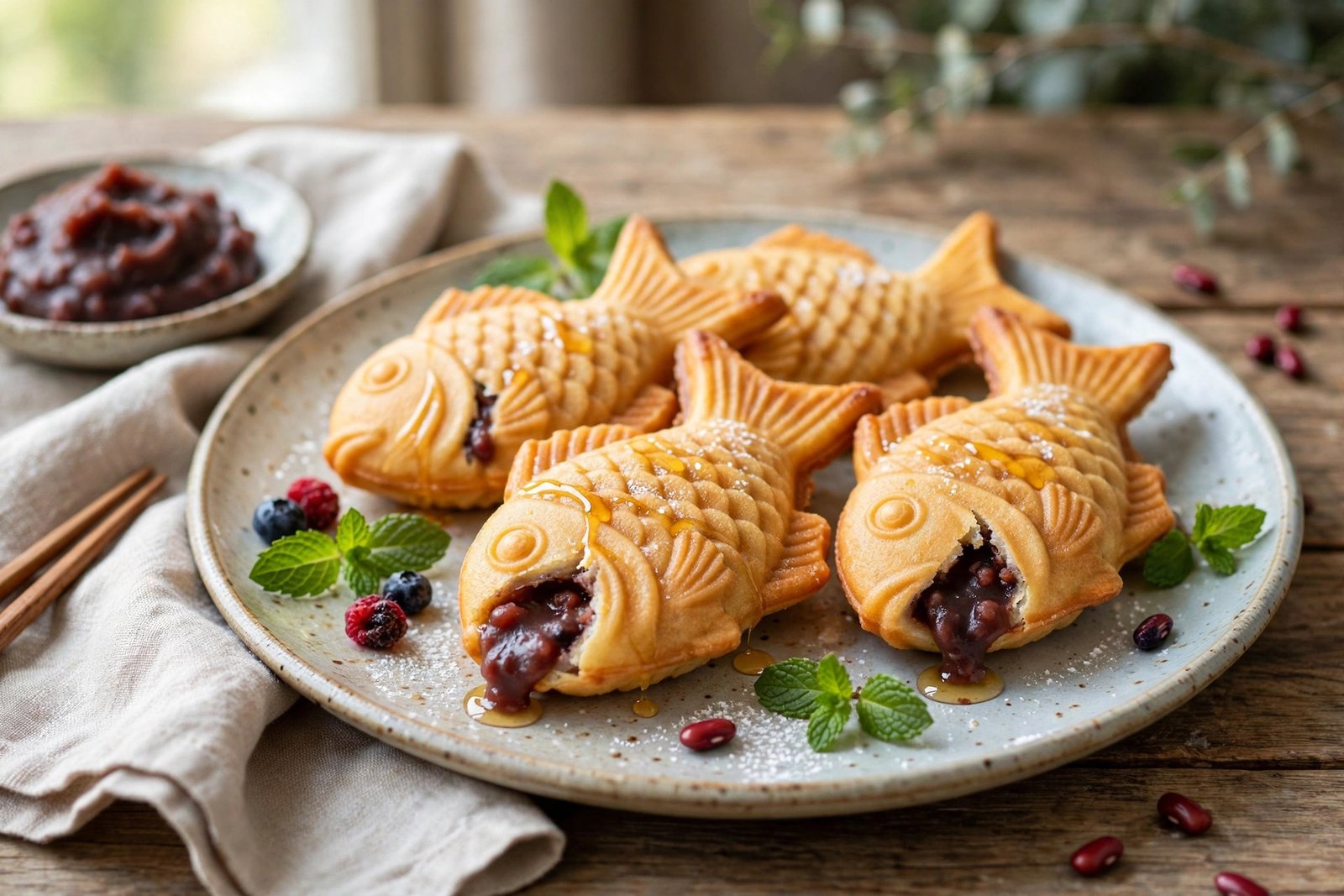
Bungeoppang is Korea's beloved fish-shaped pastry, golden and crisp outside with a warm, sweet red bean filling inside. Sold from street carts on cold winter days, it is nostalgic comfort food for millions of Koreans. With a fish-shaped mould, you can recreate that toasty, just-baked magic in your own kitchen.
Advertisement
- Prep time
- 20 mins
- Cook time
- 20 mins
- Total time
- 40 mins
- Servings
- 4 servings
- Calories
- 340
Advertisement
Ingredients
- 200 g plain flour
- 2 tablespoons sugar
- 1 teaspoon baking powder
- 1/4 teaspoon salt
- 1 large egg
- 250 ml milk
- 1 tablespoon melted butter
- 200 g sweet red bean paste (anko)
- Vegetable oil or butter, for greasing the mould
- Powdered sugar, for dusting (optional)
Instructions
- Whisk the flour, sugar, baking powder, and salt together in a bowl, then whisk in the egg, milk, and melted butter until you have a smooth, pourable batter.
- Heat a fish-shaped bungeoppang mould over medium-low heat and brush both sides generously with oil or butter.
- Pour batter into each fish cavity until about one-third full, then spoon a generous line of red bean paste down the centre.
Advertisement
- Top with more batter until the mould is about three-quarters full, then close the mould firmly.
- Cook for 2 to 3 minutes per side, flipping the mould, until both sides are deep golden brown and crisp.
- Carefully remove the pastries and repeat with the remaining batter and filling.
- Dust lightly with powdered sugar if you like, and serve warm while the filling is still soft.
Advertisement
Pro tips
- Keep the heat at medium-low — too hot and the outside burns before the inside sets.
- Do not overfill with red bean paste or it will leak out of the mould.
- If you do not have a fish mould, a taiyaki or waffle-style press works, or bake the batter in a greased muffin tin.
- Bungeoppang is best eaten warm; reheat leftovers briefly in a dry pan to re-crisp them.
Advertisement
Frequently asked questions
What is Bungeoppang filled with?
The classic filling is sweet red bean paste, but custard cream, chocolate, cheese, and sweet potato are all popular modern variations.
Do I need a special mould for Bungeoppang?
A fish-shaped bungeoppang mould gives the authentic look, but a taiyaki pan or even a waffle maker will make a delicious version with the same batter.
Why is Bungeoppang associated with winter in Korea?
It is a winter street snack in Korea — the warm, freshly baked pastry is the perfect thing to hold and eat on a cold day, much like roasted chestnuts.
Advertisement