Gnocchi al Gorgonzola Recipe
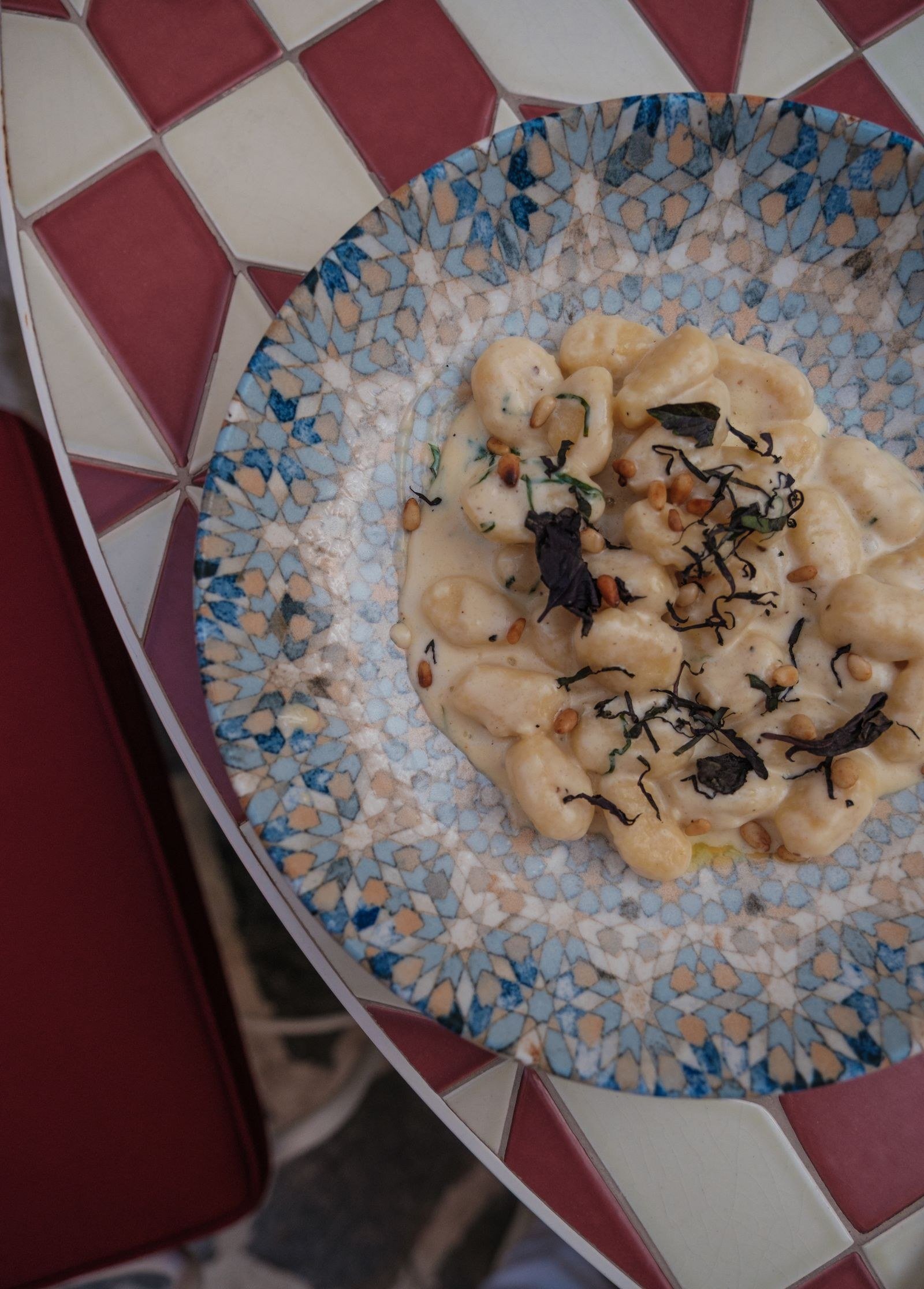
Gnocchi al Gorgonzola is the kind of dinner that feels like a treat and cooks in half an hour. Soft potato gnocchi swim in a silky blue cheese sauce, with toasted walnuts for crunch and a little cream to round the edges. It is rich, salty, deeply savoury, and best eaten the moment it leaves the pan. It is ready in half an hour, using just one pan.
The story behind Gnocchi al Gorgonzola
Gnocchi themselves go back centuries in Italy, to a time when cooks shaped dough from flour, water and whatever was at hand. The potato version we know today arrived after potatoes reached Europe from the Americas, and it took hold in Piedmont and Lombardy in the north, where cool mountain air suited both potatoes and cheese making. Gorgonzola, the blue cheese at the heart of this dish, comes from the same northern plains. Potato gnocchi spread from the north to the rest of Italy over the nineteenth century, and each region shaped them a little differently, from ridged to smooth, large to small.
Gorgonzola takes its name from the town of Gorgonzola near Milan, and it has been made there since at least the ninth century, or so local history claims. The cheese is creamy and sharp, with blue veins that give it a tangy bite. There are two kinds: dolce, which is mild, sweet and spreadable, and piccante, which is firmer and far stronger. Either works in this sauce, and the choice shapes the whole dish. The town still holds a festival for its cheese each year, and the local dairies age their wheels in cool cellars where the blue mould develops slowly over months.
What makes the pairing work is contrast. The gnocchi are soft, pillowy and mild, almost blank, so they carry the sauce without competing with it. The gorgonzola brings salt, tang and a creamy body, while the cream softens its sharpest edges. Walnuts add crunch and a gentle bitterness that keeps the richness from becoming heavy. It is a simple idea, executed well. A handful of toasted walnuts is the classic garnish in Lombardy, where walnut trees grow well in the foothills, and the nuts are often cracked fresh for the dish.
Cook it on a cold evening when you want comfort without a long session at the stove. It suits a quiet dinner for two, a small gathering of friends, or any night when the fridge holds a wedge of gorgonzola and you need it gone. Serve it straight from the pan, with a green salad on the side and bread to catch the last of the sauce. It also works as a first course before a roast, served in small bowls so the richness does not fill everyone up before the main event arrives.
- Prep time
- 15 mins
- Cook time
- 15 mins
- Total time
- 30 mins
- Servings
- 4 servings
- Calories
- 640
Ingredients
- 500 g potato gnocchi, fresh or shelf-stable
- 180 g gorgonzola dolce, rind removed and crumbled
- 120 ml double cream
- 30 g unsalted butter
- 1 small garlic clove, thinly sliced
- 50 g walnuts, roughly chopped
- 40 g Parmesan, finely grated, plus extra to serve
- Salt and black pepper, to taste
- 1 tablespoon chopped flat-leaf parsley, to serve
- A pinch of grated nutmeg
Instructions
- Bring a large pot of well-salted water to a boil and set a wide, deep frying pan over medium heat. Toast the walnuts in the dry pan for 2 to 3 minutes, shaking often, until they smell warm and nutty and turn a shade darker. Tip them onto a plate and set aside.
- Melt the butter in the same pan over medium heat and add the sliced garlic. Cook for 1 minute, stirring, until the garlic smells sweet and turns pale gold at the edges. Do not let it brown, or it will taste bitter in the sauce.
- Pour in the cream and bring it to a gentle simmer, with small bubbles breaking around the edges of the pan. Lower the heat so it stays at a lazy simmer, and let it cook for 2 minutes to thicken slightly.
- Add the crumbled gorgonzola a handful at a time, stirring as each addition melts into the cream. Keep the heat low and steady. The sauce should turn smooth and glossy, with a pale ivory colour and the occasional small streak of blue.
- Stir in the grated Parmesan and the pinch of nutmeg, then season with black pepper. Taste before adding salt, because gorgonzola and Parmesan are both salty. Keep the sauce warm on the lowest heat while the gnocchi cook.
- Drop the gnocchi into the boiling water and stir once so they do not stick to the bottom. Cook until they float to the surface, which takes about 2 to 3 minutes, then give them 30 seconds more. Floating means they are done, and overcooking makes them heavy.
- Lift the gnocchi out with a slotted spoon or spider and add them straight into the sauce, along with a splash of the cooking water. Toss gently over low heat for 1 minute so each piece is coated and the sauce clings to the ridges.
- Scatter in most of the toasted walnuts and toss once more. The sauce should coat the gnocchi in a thick, glossy layer. If it looks too thick, add another splash of pasta water until it moves easily in the pan.
- While the sauce simmers, check that the gnocchi water is at a full rolling boil and the bowls are warm, so nothing has to wait once the gnocchi are cooked.
- Serve at once in warm bowls, topped with the remaining walnuts, the chopped parsley and extra Parmesan. Eat it while the sauce is still silky, as it thickens quickly as it cools.
Pro tips
- Use gorgonzola dolce for a mild, creamy sauce. The piccante version is much sharper, so if you use it, cut the amount to 120 g and add a little extra cream to balance it.
- Do not boil the sauce hard after the cheese goes in. High heat can make it split or turn grainy, so keep it at a gentle simmer and stir steadily while the cheese melts. Stir steadily and keep the pan on the lowest heat while the cheese melts.
- Save a cup of the gnocchi cooking water before you drain. The starch in it loosens the sauce and helps it cling to the gnocchi, which is the difference between a silky coating and a sauce that slides off. Add it a splash at a time.
- Toast the walnuts first, while the pan is dry and empty. Raw walnuts taste soft and flat, but two minutes of heat brings out their oils and gives the dish its crunch. Two minutes of heat brings out their oils and gives the dish its crunch.
- Warm your bowls before serving. Gnocchi cool fast and the sauce sets as it cools, so a warm bowl buys you a few extra minutes of that glossy, just-made texture. A warm bowl buys you a few extra minutes of that glossy, just-made texture.
Variations & serving ideas
For a lighter sauce, swap half the cream for whole milk and use 150 g of gorgonzola. The sauce will be thinner and a little sharper, so add an extra spoonful of Parmesan to help it coat. It still tastes rich, just less heavy on the palate. The sauce will be thinner and a little sharper, so let it simmer an extra minute and add the Parmesan slowly until it coats the back of a spoon. Extra crumbled blue cheese at the end adds punch for keen cheese lovers.
Add a handful of baby spinach to the sauce just before the gnocchi go in. It wilts in seconds and brings a fresh, green note that balances the cheese. Mushrooms work well too: fry sliced chestnut mushrooms in the butter before the garlic, until they are golden and their edges crisp. Add the spinach in small handfuls and let each one wilt before the next goes in, so the pan stays hot and the leaves do not release too much water at once. Dolcelatte or a soft Danish blue work well if gorgonzola is unavailable.
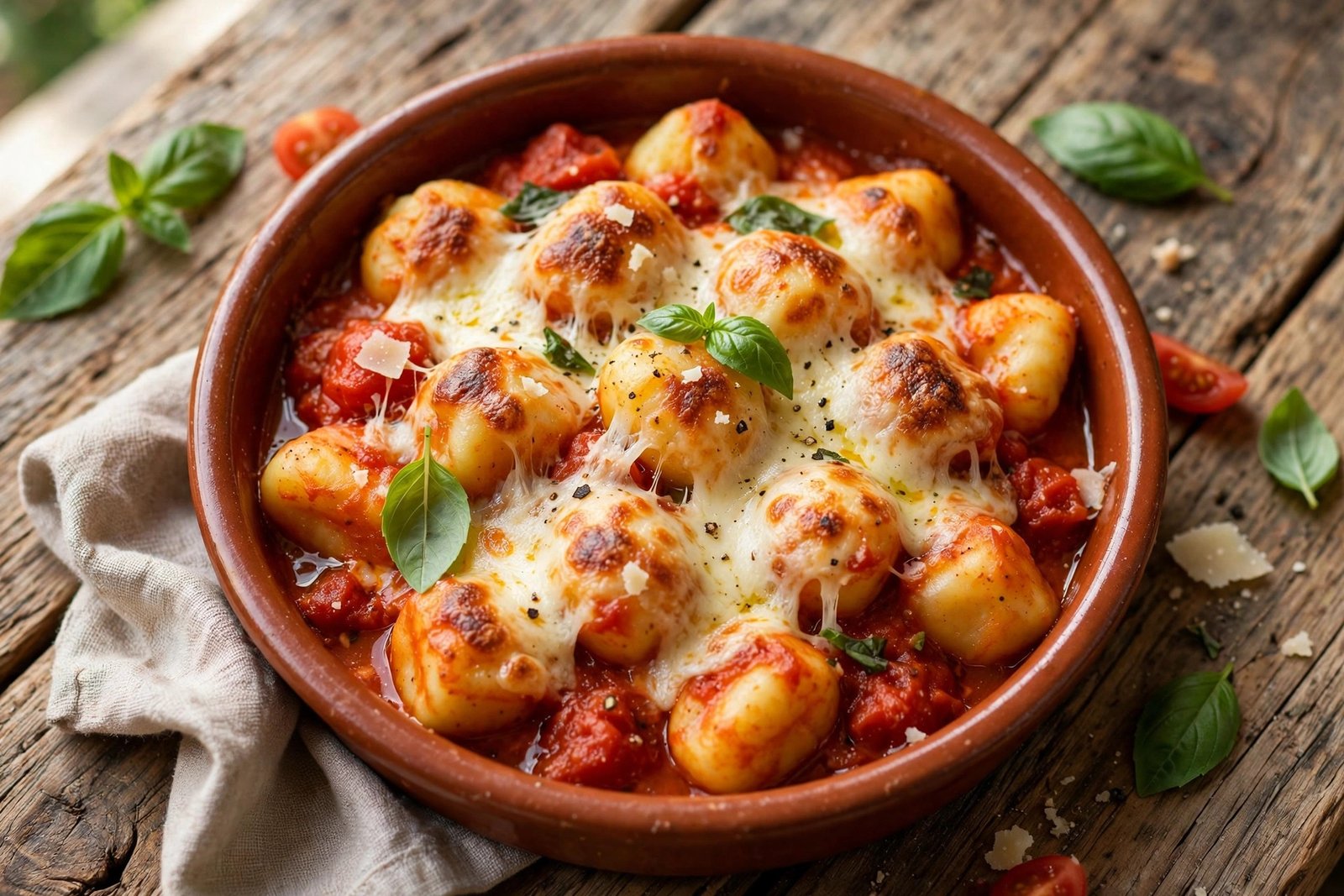
If you want a baked version, tip the finished gnocchi into a buttered dish, scatter over extra Parmesan and walnuts, and grill for 3 to 4 minutes until the top bubbles and turns golden. This works well for a small dinner party, as you can hold it in a low oven for a few minutes. Scatter the cheese and walnuts evenly over the surface so every serving gets a golden, crunchy top, and serve it in the same dish it baked in. Serve it in warm, shallow bowls so the sauce stays glossy.
Serve it with a simple green salad dressed with lemon and olive oil, which cuts through the richness. A glass of dry white wine or a light red suits it, and crusty bread is useful for the sauce left in the bowl. Keep the sides simple and let the gnocchi lead. A glass of dry white wine or a light red suits it, and a lemon-dressed salad on the side keeps the meal from feeling too heavy after the first few bites. A sharp lemon-dressed green salad is the best partner here.
Getting it right
The key technique is melting the cheese gently. Gorgonzola needs low, steady heat to turn smooth. Add it in small handfuls, stirring each one in before the next, and keep the cream at a simmer rather than a boil. Rushing this step gives a grainy sauce that no amount of stirring will fix. If the sauce looks lumpy, take the pan off the heat and whisk in a splash of warm cream, which usually smooths it out without any extra cooking.
Heat and timing control the whole dish. The sauce takes about 5 minutes, the gnocchi about 3, so start the sauce first and drop the gnocchi in when the sauce is nearly ready. Gnocchi wait for no one: they go soft and heavy if they sit in water, and the sauce thickens as it cools, so the two need to meet in the pan at the same moment. Start the water for the gnocchi before you start the sauce, so the pot is at a rolling boil the moment the sauce is ready and nothing has to wait.
The common mistake is overcooking the gnocchi. They are done the moment they float, plus 30 seconds. Any longer and they turn dense and gummy. If your sauce splits, take the pan off the heat, add a splash of cold cream, and whisk hard. It will usually come back together if you catch it early. If your sauce splits, take the pan off the heat, add a splash of cold cream, and whisk hard until it comes back together, then keep the heat low from then on.
Storing & reheating
This dish is best eaten fresh, but leftovers keep in a sealed container in the fridge for up to 2 days. The sauce will set firm as it cools, which is normal. Reheat gently in a pan over low heat with a splash of milk or cream, stirring until it turns silky again. Stir the leftovers gently as they reheat, since the gnocchi are delicate.
Do not freeze the finished dish. The gnocchi turn spongy and the cheese sauce splits when thawed. If you want to plan ahead, make the sauce alone and freeze that for up to a month, then cook fresh gnocchi and stir them in. The walnuts should be toasted fresh each time. The walnuts should be toasted fresh each time, as reheated walnuts turn soft and lose the crunch that makes the dish work.
Frequently asked questions
Can I use shop-bought gnocchi?
Yes, and it works well. Shelf-stable or chilled gnocchi both cook in 2 to 3 minutes. Check the packet for timing and pull them out the moment they float, as overcooked gnocchi turn heavy and dense. Chilled gnocchi cook in the same time, but give them a gentle stir so they do not stick together in the pot.
Which gorgonzola should I buy?
Gorgonzola dolce is the best choice for this sauce. It is mild, creamy and melts smoothly. Piccante is much stronger, so use less of it and add extra cream if that is all you can find. Gorgonzola dolce is mild, creamy and melts smoothly, which is why it suits a sauce.
Can I make it without cream?
You can use whole milk, but the sauce will be thinner. Add the cheese off the heat and stir in an extra spoonful of Parmesan to help it thicken. Butter helps too, so keep the full 30 g in the pan. Add the cheese off the heat and stir in an extra spoonful of Parmesan to help it thicken.
Is this dish vegetarian?
Yes, as long as the gorgonzola and Parmesan are made with vegetarian rennet. Check the label, since some traditional versions use animal rennet. The rest of the ingredients are naturally vegetarian. Check the label, since some traditional versions use animal rennet.
Can I add meat to this recipe?
A little pancetta or cooked chicken works, though the dish is rich enough on its own. If you add pancetta, fry it crisp first and scatter it over the top at the end so it stays crunchy. If you add pancetta, fry it crisp first and scatter it over the top at the end.
Why did my sauce turn grainy?
The heat was too high when the cheese went in. Gorgonzola splits above a gentle simmer. Keep the heat low, add the cheese in small batches, and stir steadily until each batch melts. Keep the heat low, add the cheese in small batches, and stir steadily until each batch melts.