Insalata di Rinforzo Recipe
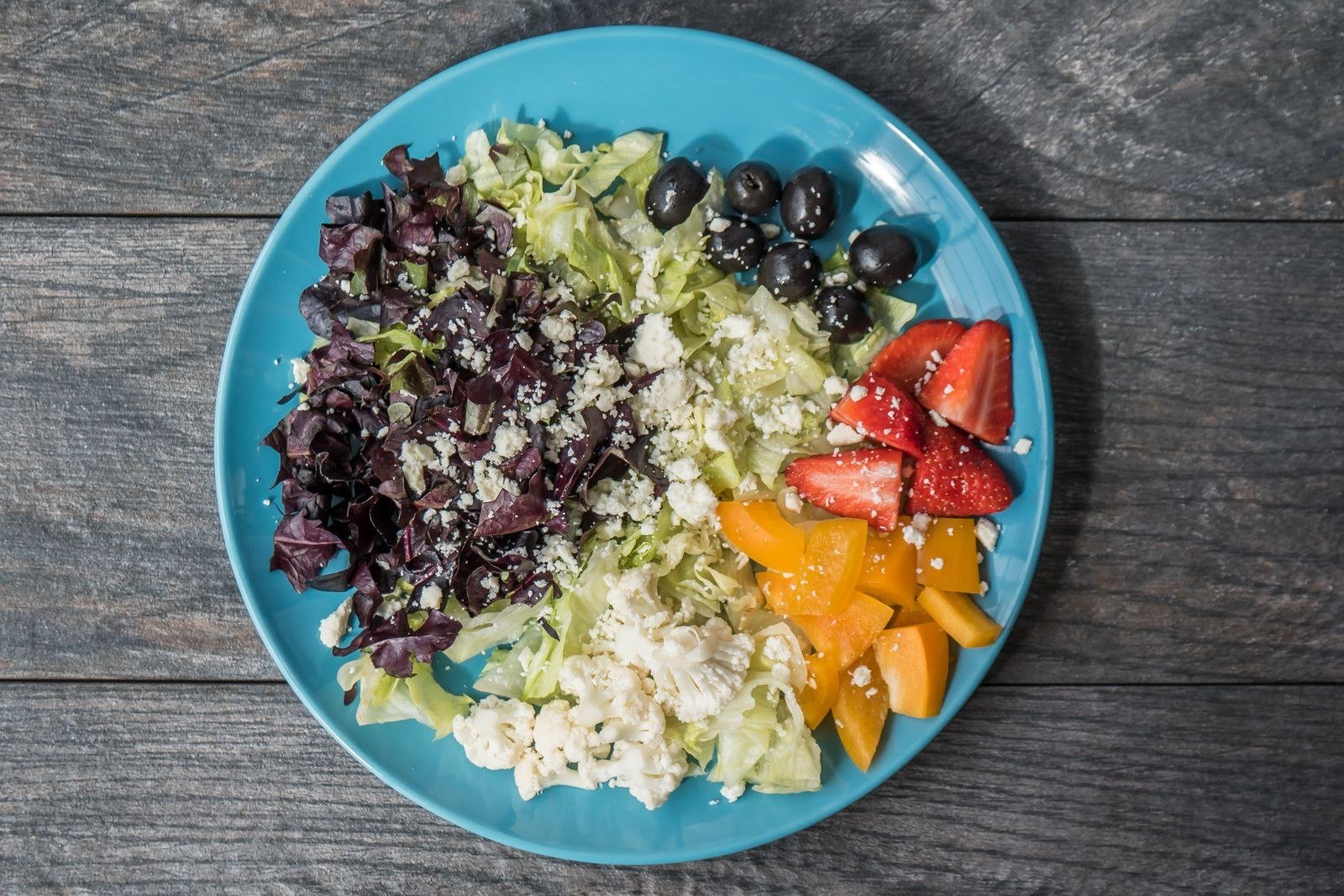
Insalata di Rinforzo is the crunchy, briny cauliflower salad Naples serves at Christmas, and it earns its place on the table. Pickled peppers, olives, capers and anchovies turn simple cauliflower into something sharp, salty and deeply satisfying. It takes little cooking, keeps for days, and tastes better as the flavours settle together. It is the salad regulars ask for by name at Christmas.
The story behind Insalata di Rinforzo
The name says it all. Rinforzo means reinforcement, and Neapolitan families have long topped this salad up through the Christmas season, adding fresh cauliflower and pickles to the bowl as it empties. It began as a practical dish for the Christmas Eve table, when the meal in Naples is traditionally meatless, and a bright, sharp salad was needed to cut through fried fish and rich pasta. In Naples, the salad is also a way to use the jars put up in summer, when peppers and cauliflower were cheap and plentiful.
Christmas Eve in Naples, the Vigilia, is a long evening of seafood and family, and this salad sits at the centre of the antipasti. Cauliflower is the backbone, blanched just until tender, then tossed with the contents of the pantry jars that every Neapolitan kitchen keeps: peppers preserved in vinegar, olives, capers, and anchovies. The dish is a snapshot of southern Italian cooking, where preservation was a way of life and the best flavours came from jars, not the market. The meal often stretches past midnight, with courses arriving slowly, and the salad is one of the few dishes that sits on the table from the start to the finish.
What makes it special is the balance. The cauliflower stays firm and mild, a calm base for everything around it. The pickled peppers bring heat and acid, the olives bring a round salty depth, the capers add a small sharp pop, and the anchovies melt into the dressing with a savoury richness that ties it all together. No single flavour shouts. Each bite is a little different, which is exactly why people keep going back to the bowl. The vinegar in the pickles also keeps the cauliflower crisp for days, which is why the salad tastes as good on the third day as it does on the first.
Cook it when you want a salad that behaves like a main event. It belongs on a holiday table, but it also works on any winter evening when cauliflower is at its best and you want something cold, crunchy and full of character. Make it a day ahead if you can, and let the fridge do the work. Serve it at room temperature, with good bread, and watch it disappear before the main course arrives. If you are feeding a crowd, double the recipe without changing anything else, and use the widest bowl you own so the dressing reaches every floret.
- Prep time
- 25 mins
- Cook time
- 10 mins
- Total time
- 35 mins
- Servings
- 6 servings
- Calories
- 210
Ingredients
- 1 medium cauliflower (about 900 g), cut into small florets
- 150 g pickled sweet peppers, drained and sliced
- 100 g green olives, pitted and halved
- 100 g black olives, pitted and halved
- 3 tablespoons capers, rinsed and drained
- 8 anchovy fillets in oil, chopped
- 100 g pickled giardiniera vegetables, drained and chopped
- 60 ml extra virgin olive oil
- 2 tablespoons white wine vinegar
- 1 small garlic clove, finely grated
- 1 teaspoon dried oregano
- Salt and black pepper, to taste
Instructions
- Bring a large pot of salted water to a rolling boil and add the cauliflower florets. Cook for 3 to 4 minutes only, until a knife meets slight resistance at the thickest part of the stem. You want them tender but still firm, with a clean snap when you bite one.
- Drain the cauliflower in a colander and spread it on a clean tray or baking sheet in a single layer. Leave it for 10 minutes so the steam escapes and the florets dry off. Wet cauliflower will water down the dressing, so do not rush this step.
- While the cauliflower cools, whisk the olive oil, white wine vinegar, grated garlic and oregano in a small bowl. Season lightly with salt and pepper, remembering that the olives, capers and anchovies already bring plenty of salt. Taste and add a splash more vinegar if you like it sharper.
- Tip the cooled cauliflower into a large mixing bowl and pour over half the dressing. Toss gently with your hands or two spoons so every floret is lightly coated. Let it sit for 5 minutes so the cauliflower starts to take on the flavour of the oil and vinegar.
- Add the pickled peppers, both kinds of olives, the capers, the chopped anchovies and the giardiniera. Pour over the rest of the dressing and toss again, gently, so the florets stay intact and the pieces distribute evenly through the bowl.
- Cover the bowl and refrigerate for at least 2 hours, or overnight if you have time. The salad improves as it rests: the cauliflower soaks up the brine, the anchovies soften into the oil, and the flavours settle into each other. Give it one more gentle toss before serving.
- Take the salad out of the fridge 20 to 30 minutes before you serve it. Cold dulls flavour, and this salad is at its best just below room temperature, when the olive oil is fluid and the pickles taste bright.
- Taste a final time and adjust the salt, pepper or vinegar to your liking. Transfer to a wide, shallow serving bowl, spooning some of the dressing from the bottom of the bowl over the top, and serve with crusty bread.
- Before serving, scatter a small handful of chopped flat-leaf parsley over the top for colour, and check the seasoning once more, since cold food needs a little more salt than warm food to taste properly seasoned.
- Store any leftovers in a sealed container in the fridge and top them up with a few fresh florets and a spoonful of pickles the next day, just as Neapolitan families do. The salad will keep for up to 5 days.
Pro tips
- Do not overcook the cauliflower. It should be tender enough to eat easily but firm enough to hold its shape after a night in dressing, and mushy florets will fall apart by day two. Cut the florets evenly so they all cook at the same rate.
- Dry the florets well after blanching. Spread them out and let the steam escape, because any water left on them will thin the dressing and make the salad taste washed out. Spread them in a single layer, or the ones underneath will stay damp.
- Rinse the capers before you add them. The brine they sit in is very salty, and a quick rinse keeps their sharp pop without letting salt take over the whole bowl. Drain them well so no extra brine thins the dressing.
- Use anchovies packed in oil and chop them fine. They almost disappear into the dressing, giving a deep savoury note without any fishy pieces that put people off. Use a fork to mash two fillets into the dressing for even more depth.
- Make it the day before you need it. The flavours genuinely improve overnight, and the salad holds up far better than leafy salads, so it is ideal for busy holiday cooking. Keep a little extra dressing for topping up the bowl.
Variations & serving ideas
For a milder version, leave out the anchovies and add a spoonful of white beans instead. The beans bring a soft, creamy bite that balances the pickles, and the salad stays just as satisfying for anyone who avoids fish. A little extra olive oil keeps it from drying out. White beans also add protein, which makes the salad work as a light lunch on its own. Toasted pine nuts add a buttery crunch that suits the olives.
If you like heat, add a few slices of pickled hot chilli peppers or a pinch of dried chilli flakes to the dressing. The salad can take a good amount of spice, because the cauliflower and olives cool it down. Taste as you go, since pickled chillies vary a lot in strength from jar to jar. Start with half a teaspoon of chilli flakes and taste after an hour in the fridge, because the heat builds slowly as the flakes sit in the oil. Any pickled vegetables work, such as pickled green beans or cauliflower.
Swap the vegetables to suit the season. Broccoli works in place of cauliflower, though it softens faster, so blanch it for only 2 minutes. Roasted red peppers from a jar can replace the pickled sweet peppers if you want a sweeter, softer result. Keep the olives and capers, as they are the backbone of the flavour. If you use broccoli, cut the florets small and watch the clock closely, since broccoli turns soft a full minute faster than cauliflower in boiling water. Serve it in a wide, shallow bowl so the dressing reaches every piece.
Serve it as part of an antipasto spread with cured meats, cheeses and bread, or next to fried fish, where its sharpness cuts through the richness. It also makes a fine light lunch on its own with a slice of focaccia. Pair it with a crisp white wine or sparkling water with lemon, and let the salad do the talking. A plate of this salad next to fried calamari or salt cod is a classic Neapolitan combination, and the sharp dressing cleans the palate between bites of fish.
Getting it right
The key technique is the blanch. Salted water at a full boil, florets in for just 3 to 4 minutes, then straight out and spread to dry. This short cook takes the raw edge off the cauliflower while keeping the crunch that makes the salad work. Test a thick stem with a knife: it should yield with a little resistance, never slide through. Cut the florets to a similar size, about the size of a walnut, so they cook at the same rate and no piece turns soft while another stays raw.
Heat and timing matter most at this one step, because everything else is assembly. Keep the water boiling hard before the cauliflower goes in, so the temperature does not drop and the florets cook evenly. If the pot is too small and the water goes still, the cauliflower will sit and soften unevenly, so use the biggest pot you have and cook in two batches if needed. If you are cooking two batches, let the water come back to a full boil between them, or the second batch will cook more slowly and turn out uneven.
The common mistake is dressing warm, wet cauliflower. Warm florets soak up oil unevenly and steam in the bowl, turning soft overnight. Cool them fully, dry them well, and dress them in two stages so the coating is even. If the salad tastes flat, it almost always needs more vinegar or salt, so adjust before serving rather than adding more oil. Taste the dressing on a piece of cauliflower rather than from the spoon, because the mild floret shows you the real balance of salt, acid and oil.
Storing & reheating
Keep the salad in a sealed container in the fridge for up to 5 days. It actually improves over the first two days as the flavours settle, and the cauliflower stays firm if you blanched it properly. Top it up with fresh florets and pickles as it runs low. Stir the salad each time you serve it, since the dressing settles at the bottom.
Freezing is not a good idea. The cauliflower turns soft and watery when thawed, and the pickles lose their snap. This is a fridge salad through and through. To serve leftovers, let the bowl sit out for 20 minutes, toss it, and add a fresh drizzle of olive oil and a squeeze of lemon if it tastes muted. A squeeze of fresh lemon over leftovers wakes them up nicely.
Frequently asked questions
Can I make Insalata di Rinforzo ahead of time?
Yes, and you should. It needs at least 2 hours in the fridge, and it tastes better after a full night as the cauliflower absorbs the dressing. Make it up to 2 days before serving and keep it covered in the fridge. The flavours only improve with a second night in the fridge.
What does rinforzo mean?
Rinforzo means reinforcement in Italian. The name comes from the Neapolitan habit of topping the salad up with fresh cauliflower and pickles as the bowl empties through the Christmas season. Or add a few extra olives and a pinch more oregano.
Can I leave out the anchovies?
Yes. The salad still works without them, though you lose a layer of savoury depth. Add a pinch more salt and a spoonful of capers to make up for it, or stir in some white beans. Avoid pre-sliced olives in brine, which taste flat by comparison.
Which olives are best for this salad?
A mix of green and black olives gives the best balance. Green olives are firmer and sharper, black olives are softer and rounder. Use pitted olives and halve them so they mix through the salad. A cold salad straight from the fridge will taste muted and dull.
Is this salad served hot or cold?
It is served cold or at room temperature, never hot. Take it out of the fridge 20 to 30 minutes before serving so the olive oil loosens and the flavours come forward. Pat the thawed florets very dry before you dress them.
Can I use frozen cauliflower?
Fresh cauliflower is much better here. Frozen florets turn soft quickly and release water into the dressing. If you must use frozen, thaw it fully, pat it dry, and skip the blanching step entirely. If the florets are very wet, spread them on a tray and leave them for 10 minutes before you dress them.