Frittata di Patate Recipe
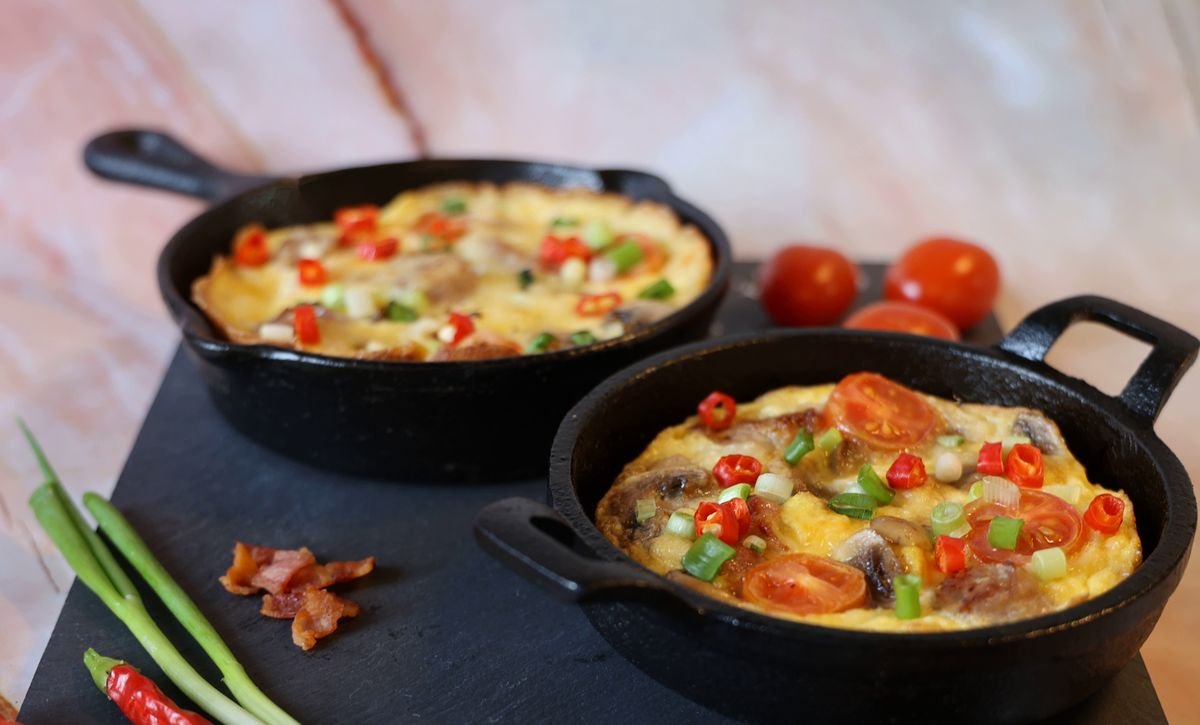
Frittata di Patate is Italy's answer to the question of what to cook when the fridge is nearly empty. Tender slices of potato, beaten eggs, grated Parmesan and a little parsley come together in a pan to make a golden, filling omelette that works hot, warm or cold. It is simple food done well, and it never fails.
The story behind Frittata di Patate
The frittata is one of the oldest dishes in Italian cooking. The word comes from fritto, meaning fried, and the dish grew out of the habit of cooking eggs in a pan with whatever was at hand. In the countryside, where eggs and potatoes were always available, the potato frittata became a staple: cheap, filling, and easy to carry out to the fields wrapped in cloth for lunch. The frittata was also a way to use up leftover pasta, vegetables or meat, which is why so many Italian families have their own version of it.
Potatoes reached Italy from the Americas in the sixteenth century and spread slowly through the country, first as animal feed, then as food for the poor, and finally as a beloved staple. The potato frittata came with them, a dish that turned a humble tuber into a proper meal. It was the kind of cooking that asked for no recipe book, just a pan, some eggs, and a feel for the heat. In Rome, the frittata is often eaten in a sandwich, tucked into crusty bread with a little salad, as a quick lunch for workers.
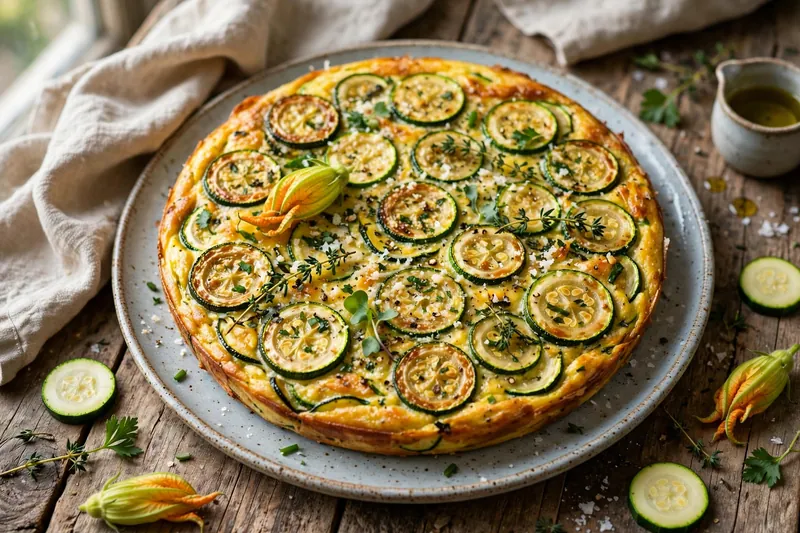
What makes it special is the texture. The potatoes cook slowly in the oil until they are soft inside and lightly golden at the edges, then the eggs set around them into a firm but tender cake. The top turns pale gold, the inside stays moist, and each slice gives you soft potato, creamy egg and salty Parmesan in one bite. It is plain food, but it is deeply satisfying. The eggs should be beaten just enough to mix the yolks and whites, since over-beating adds air and makes the frittata puff up and then sink.
Cook it when you want a simple, honest meal with almost no shopping. It suits a quick lunch, a light dinner with a salad, or a picnic, since it travels well and tastes good cold. Make it for a family breakfast on a slow morning, or slice it into squares for a party snack. Serve it with bread and a green salad, and it is enough. It is a forgiving dish, and even a frittata that breaks when you flip it still tastes good, cut into rough pieces and served warm.
- Prep time
- 15 mins
- Cook time
- 25 mins
- Total time
- 40 mins
- Servings
- 4 servings
- Calories
- 380
Ingredients
- 500 g waxy potatoes, peeled
- 6 large eggs
- 50 g Parmesan, finely grated
- 1 small onion, thinly sliced
- 3 tablespoons olive oil
- 2 tablespoons chopped flat-leaf parsley
- Salt and black pepper, to taste
- 1 tablespoon butter
- A pinch of grated nutmeg (optional)
Instructions
- Slice the potatoes into thin rounds, about 3 mm thick, keeping them even so they cook at the same rate. A sharp knife or a mandoline makes this easy. Put the slices in a bowl of cold water for 5 minutes, then drain and pat them dry. Waxy potatoes such as Charlotte or new potatoes work best, and they should feel firm and heavy with no green patches or sprouts.
- Warm the olive oil in a wide non-stick frying pan, about 24 cm across, over medium heat. Add the potato slices and the onion, season with salt, and cook for 12 to 15 minutes, turning the slices gently now and then. They should turn soft and pale gold at the edges, never brown or crisp. Stir the potatoes gently with a wooden spoon, since rough handling breaks the slices and turns them into a mash in the pan.
- While the potatoes cook, crack the eggs into a large bowl and beat them lightly with a fork until the yolks and whites are just mixed. Stir in the Parmesan, the parsley, the nutmeg if you are using it, and a good pinch of salt and pepper. Beat the eggs in a wide bowl so the Parmesan mixes in evenly, and check that no streaks of white remain before you pour.
- When the potatoes are tender, spread them evenly across the pan in a single layer. Pour the beaten eggs over the top and tilt the pan so the egg runs into all the gaps between the slices. Lower the heat to medium-low. Spread the potatoes with a spoon so they cover the pan evenly, with no bare patches where the egg would set on its own.
- Cook for 8 to 10 minutes without stirring, until the edges set and the top is mostly firm but still slightly wet in the middle. Shake the pan gently now and then to make sure the frittata is not sticking. You should hear a soft sizzle, not a fierce fry.
- Place a large flat plate over the pan and flip the frittata onto it in one confident movement. Slide it back into the pan, uncooked side down, and add the butter around the edges so it melts underneath. Cook for 4 to 5 minutes more, until the second side is golden.
- If you would rather not flip it, slide the pan under a hot grill for 3 to 4 minutes instead, until the top is set and pale gold. Watch it closely, as the top can colour fast under the grill.
- Slide the frittata onto a serving plate and let it rest for 5 minutes before cutting. This short rest lets the eggs finish setting and makes clean slices possible. Cut it into wedges and serve warm, or let it cool and serve at room temperature.
Pro tips
- Use waxy potatoes, not floury ones. Waxy potatoes hold their shape in the pan and stay tender, while floury potatoes break apart and turn the frittata into a mash. If the potatoes start to stick, add a splash more oil and lower the heat, since sticking usually means the pan is too hot.
- Slice the potatoes thinly and evenly. Thick slices take too long to cook and stay hard in the middle, while thin slices cook through in the time the eggs need to set. A mandoline set to 3 mm gives the most even slices, and even slices are the key to potatoes that cook at the same rate.
- Keep the heat gentle once the eggs go in. High heat browns the bottom before the top sets, and the frittata ends up burnt underneath and raw on top. Medium-low heat gives an even, golden result. Use a pan with a heatproof handle if you plan to finish under the grill, since a plastic handle will melt and ruin the dish.
- Do not stir the eggs after you pour them in. Stirring breaks the frittata apart and turns it into scrambled eggs with potato. Let it set undisturbed, and only shake the pan to check it is not sticking.
- Rest the frittata for 5 minutes before cutting. The eggs are still setting when it leaves the pan, and a short rest gives you clean wedges instead of a soft, falling-apart slice.
Variations & serving ideas
For a richer version, add a handful of grated mozzarella or a few spoonfuls of ricotta to the egg mixture. The cheese melts into soft pockets as the frittata cooks, making each slice creamier. A little cooked pancetta or ham, diced and stirred through the potatoes, also works well. A little chopped ham or cooked bacon stirred through the potatoes adds a salty, smoky note that suits the eggs and the Parmesan.
Add other vegetables to the pan with the potatoes. Sliced courgettes, diced peppers or a handful of spinach all suit this dish, though they need to be cooked until soft before the eggs go in. Spinach should be squeezed dry first, or it will make the frittata watery. For a spring version, add a handful of peas and some chopped asparagus to the pan, both of which cook quickly and stay bright green.
Swap the Parmesan for Pecorino Romano for a sharper, saltier flavour, and use a little less salt in the egg mixture. Fresh herbs can change the character too: try basil in summer, or a little chopped rosemary with the potatoes in winter. A spoonful of pesto swirled into the beaten eggs gives the frittata a fresh, herby flavour and a pale green colour through the middle.
Serve it as a light lunch with a green salad and bread, or cut it into small squares as part of an antipasto spread. It also makes a fine picnic dish, wrapped in foil and eaten cold. Pair it with a glass of white wine or sparkling water with lemon. If you want a richer result, use half cream and half eggs in the mixture, though the frittata will be softer and needs a gentler heat.
Getting it right
The key technique is cooking the potatoes properly before the eggs go in. They need 12 to 15 minutes in the oil over medium heat, turning gently, until they are soft right through and lightly golden at the edges. If they are still firm when the eggs go in, they will stay hard in the finished frittata, and no amount of extra cooking will fix them without burning the eggs. The pan should be wide enough that the egg mixture is no more than 3 cm deep, so it sets evenly from the bottom to the top.
Heat and timing control the eggs. Once the eggs are in the pan, the heat should be medium-low, so the bottom sets slowly while the heat rises through the mixture and sets the top. Shake the pan now and then to keep the frittata moving. If the edges set too fast and the middle stays liquid, lower the heat and cover the pan with a lid for a minute. A lid on the pan for the last few minutes helps the top set without browning the bottom, and it is a good trick if your grill is unreliable.
The common mistake is flipping too early or too late. Flip when the top is mostly set but still slightly wet in the centre: the plate will hold it together, and the second side will finish in the pan. If you flip too early, it falls apart. If you wait too long, the bottom burns. When in doubt, finish it under the grill instead. The potatoes should be cooked until a fork slides through them easily, since they will not soften much more once the eggs go in.
Storing & reheating
Leftovers keep in a sealed container in the fridge for up to 2 days. The frittata is good cold, sliced into wedges for lunch, or brought back to room temperature for 20 minutes before serving. Reheat slices gently in a pan over low heat, or in the oven at 160 C for 8 minutes. Wrap leftover slices in foil or cling film before you put them in the fridge, so they do not dry out or pick up smells from other food.
Do not freeze the finished frittata, as the eggs turn rubbery and the potatoes go watery when thawed. If you want to plan ahead, cook the potatoes a day in advance and keep them in the fridge, then assemble and cook the frittata fresh when you are ready to eat. Cold frittata slices make a good sandwich filling with a little mayonnaise and salad, and they travel well in a lunchbox.
Frequently asked questions
What potatoes are best for frittata?
Waxy potatoes are the best choice, as they hold their shape and stay tender. Floury potatoes break apart in the pan and turn the frittata soft and crumbly. Look for waxy varieties and slice them thinly and evenly. Charlotte, Anya and other waxy salad potatoes are all good choices, and they are sold in most supermarkets in the potato section.
Do I have to flip the frittata?
No. You can finish it under a hot grill for 3 to 4 minutes instead, until the top is set and pale gold. Flipping gives a more even result, but the grill method is easier and works well if you watch it closely. Keep the pan about 10 cm below the heat so the top sets without burning.
Can I make frittata ahead of time?
Yes, and it is often better the next day. Cook it, let it cool, and keep it covered in the fridge for up to 2 days. Serve it cold or at room temperature, which makes it ideal for picnics and packed lunches.
Why did my frittata stick to the pan?
The pan was probably not non-stick, or the heat was too high. Use a good non-stick pan, keep the heat gentle, and shake the pan now and then while the eggs set. A little extra oil helps too, and a well-seasoned cast iron pan works if you keep it oiled.
Can I add meat to this frittata?
Yes. Diced pancetta, ham or cooked sausage all work well. Cook the meat with the potatoes first so it is hot and its fat flavours the pan, then pour the eggs over the top as usual. Go easy on the salt, since cured meat is already salty.
Is frittata served hot or cold?
Both. It is good warm from the pan, but it is also excellent at room temperature or cold, which is why it is a classic picnic and packed lunch dish in Italy. Let it rest for 5 minutes before cutting either way.