Frittata di Pasta Recipe
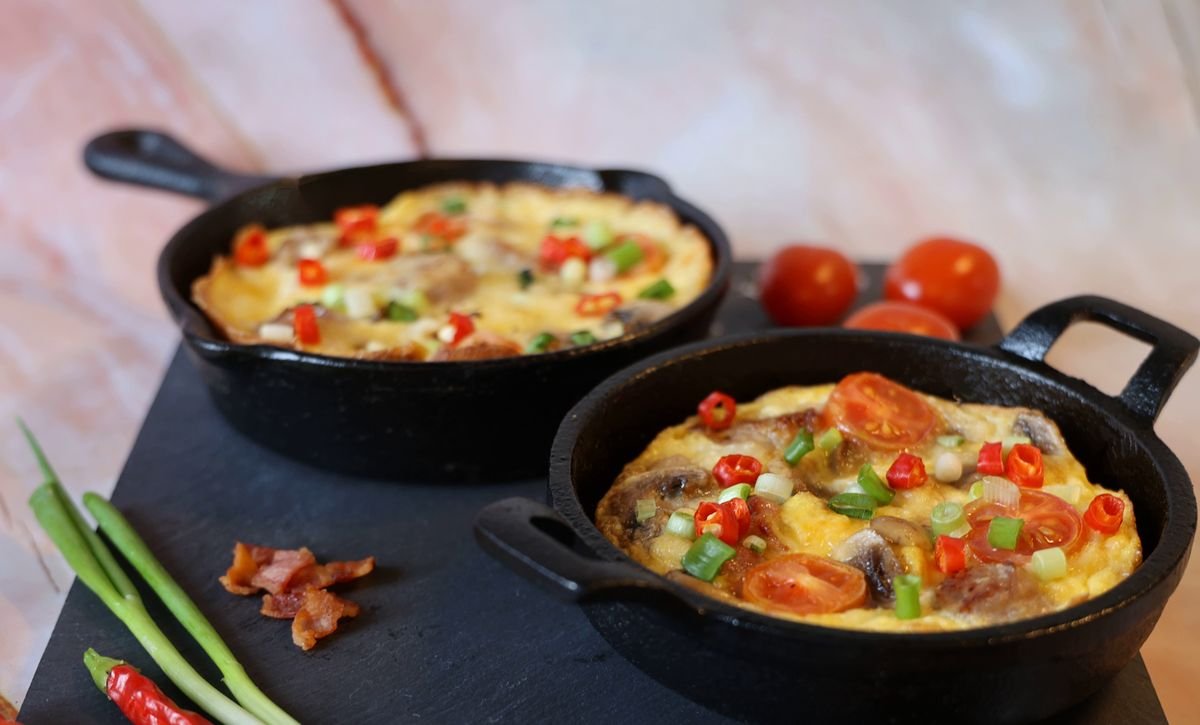
Frittata di Pasta is Naples' clever answer to leftover spaghetti: cold pasta bound with eggs and cheese, then fried into a golden, sliceable cake. The outside turns crisp and brown while the inside stays soft, cheesy and full of pasta. It is cheap, fast and endlessly flexible, and it tastes just as good cold from the fridge as it does hot from the pan. One pan, one plate, dinner sorted.
The story behind Frittata di Pasta
Frittata di Pasta comes from Naples, where it is also called frittata di maccheroni, and it was born from the same practical instinct as so many Italian classics: never waste good food. Leftover pasta from Sunday lunch was mixed with eggs and cheese, fried in a pan, and turned into Monday's meal. Over time it stopped being a way to use up scraps and became a dish people made on purpose, especially for picnics and the Easter Monday outing, when Neapolitan families packed it cold in baskets and ate it outdoors.
The dish belongs to the home kitchen, not the restaurant, and every family has its own version. Some add pancetta or salami, some keep it plain with just cheese, and some fold in leftover vegetables or a spoonful of tomato sauce. The constant is the method: cold pasta, plenty of eggs, a hot oiled pan, and a confident flip. In Naples, a frittata that holds together when you turn it is a small point of pride, and the flip is the part everyone watches.
What makes frittata di pasta special is the way it changes the pasta itself. Spaghetti that was soft and saucy yesterday becomes something new, crisp at the edges, golden on both faces, and tender inside, with melted cheese running through it. The egg does not just bind the pasta, it gives the whole cake a rich, savoury flavour, and the browned crust adds a toasty note that plain pasta never has.
This is a perfect weeknight dinner for a family in the US, because it uses what is already in the fridge and asks for nothing fancy. Leftover spaghetti from last night, a few eggs, some cheese, and dinner is on the table in half an hour, with a salad on the side. Children like the crisp edges and the cheese, adults like that it costs almost nothing, and everyone likes that it can be eaten hot, warm or cold. It is the kind of cooking that rewards a cook who looks in the fridge first and shops second, and it turns an ordinary Tuesday into something worth sitting down for.
- Prep time
- 25 mins
- Cook time
- 30 mins
- Total time
- 55 mins
- Servings
- 4 servings
- Calories
- 480
Ingredients
- 4 cups cooked spaghetti, cooled
- 6 large eggs
- 1/2 cup grated Parmesan or Pecorino Romano cheese
- 1/2 cup diced provolone or mozzarella cheese
- 1/2 cup diced pancetta or salami, optional
- 2 tablespoons chopped fresh parsley
- 1 garlic clove, minced
- Salt and black pepper, to taste
- 3 tablespoons olive oil
- 1 tablespoon butter
- Extra grated cheese, for serving
Instructions
- If you are cooking pasta fresh, boil it in salted water until just al dente, drain it well and toss it with a teaspoon of olive oil. Spread it on a tray and let it cool for at least 15 minutes, since hot pasta will scramble the eggs before they reach the pan.
- Crack the eggs into a large bowl and whisk them until the yolks and whites are fully mixed and a little frothy on top. Stir in the grated Parmesan, the diced provolone, the parsley and the garlic, then season with a good pinch of salt and plenty of black pepper.
- Add the cooled spaghetti to the bowl along with the pancetta or salami if you are using it. Toss everything with your hands or tongs until every strand is coated in egg, and the cheese and meat are spread evenly through the pasta instead of sitting in one clump.
- Heat the olive oil and butter in a 10-inch nonstick or well-seasoned cast iron skillet over medium heat. When the butter stops foaming and the oil shimmers, pour in the pasta mixture and spread it out into an even layer with a spatula, pressing it down gently.
- Cook for 6 to 8 minutes without stirring, shaking the pan now and then so the frittata does not stick. The edges should turn golden and pull away from the sides, and the top should look mostly set with just a little wet egg left in the centre.
- Slide a thin spatula around the edges to loosen the frittata, then place a large flat plate over the pan and flip the whole thing in one quick motion. The golden side should now be facing up, and the pan should be empty and ready for the second side.
- Slide the frittata back into the pan, uncooked side down, and cook for another 5 to 6 minutes until the second side is golden brown and the centre feels firm when you press it gently. You will hear a soft sizzle and smell the cheese melting through the pasta.
- Turn off the heat and let the frittata rest in the pan for 5 minutes so the eggs finish setting and the cheese settles. This rest is what lets you slice clean wedges instead of a pile of loose pasta.
- Slide the frittata onto a board or plate, cut it into wedges and serve hot, warm or at room temperature. A shower of extra grated cheese and a few torn parsley leaves on top is all it needs before it goes to the table.
Pro tips
- Use a well-seasoned cast iron or a good nonstick pan. A pan that sticks will tear the frittata apart at the flip, and no amount of oil will save a pan with a damaged coating. If you only have stainless steel, use a little more oil and keep the heat at medium, letting the egg set before you try to move it.
- Cut long spaghetti into shorter lengths with kitchen scissors before mixing. Strands of about 3 inches are much easier to spread evenly and slice cleanly.
- Do not skimp on the eggs. Six eggs for 4 cups of pasta is the right ratio, and too few eggs means the frittata will crumble when you cut it.
- Let the frittata rest for 5 minutes before slicing. The eggs finish setting as it cools, the cheese firms up slightly, and the wedges come out neat instead of falling apart.
- Season the egg mixture well. Pasta is bland on its own, so the eggs need a generous pinch of salt and plenty of black pepper to carry the whole dish.
Variations & serving ideas
The classic Neapolitan version uses spaghetti, eggs, cheese and a little pancetta, but the recipe bends easily. Fold in leftover roasted vegetables, a handful of spinach, or some sautéed mushrooms for a meat-free version. A spoonful of tomato sauce mixed through the pasta gives a red, saucy version that children often prefer, while a little chilli flake in the eggs adds a gentle warmth for adults.
For a richer frittata, use a mix of cheeses, like provolone for melt and Pecorino Romano for salty bite, or add a spoonful of ricotta to the egg mixture for a softer, creamier centre. If you want a lighter version, use four whole eggs and two egg whites, skip the pancetta, and cook it in a well-oiled nonstick pan with a little less oil. The result is still golden and satisfying, with fewer calories per slice. A frittata made with leftover macaroni and cheese is a favourite with children, and a version with sausage and peppers tastes like a diner breakfast served for dinner.
If you need a swap, almost any pasta shape works, though short shapes like penne, rigatoni or fusilli are the easiest to slice. Gluten-free pasta also works, but it is softer, so handle it gently and let it cool fully before mixing. For a dairy-free version, use a firm plant-based cheese that melts, and add a spoonful of nutritional yeast to the eggs for a cheesy flavour.
Serve frittata di pasta hot with a green salad and some crusty bread, or cold as picnic food with olives, cured meats and a tomato salad. It makes a great lunchbox slice, a brunch dish with coffee, or a light supper with a bowl of soup. A glass of white wine or a cold sparkling water with lemon sits nicely beside it, and the leftovers are often the best part of the next day.
Getting it right
The single most important step is cooling the pasta before it meets the eggs. Hot pasta starts cooking the eggs on contact, and you end up with scrambled egg tangled through spaghetti instead of a smooth mixture that fries into a cake. Cold pasta from the fridge is ideal, and fresh pasta needs at least 15 minutes spread out on a tray before you mix it in.
Heat control decides whether the frittata browns or burns. Medium heat is right, and you should hear a steady sizzle when the mixture hits the pan, not an angry roar. Too hot and the bottom blackens before the top sets, too cool and the eggs weep liquid and the frittata turns soggy. Shake the pan gently every minute or so, and run a spatula around the edge to keep it from sticking.
The flip is the part people fear, and the fix is simple: make sure the frittata is fully loosened before you turn it. Slide a thin spatula all the way around the edge and underneath, and give the pan a shake to prove the cake moves freely. If it sticks, cook it for 2 more minutes and try again. If the flip still feels too risky, finish the top under the broiler instead, which gives you the same golden crust with no drama at all.
Storing & reheating
Frittata di pasta keeps in the fridge for up to 3 days, wrapped tightly or in a sealed container. It is one of those dishes that tastes just as good cold as hot, so many people eat the leftovers straight from the fridge, sliced into wedges for lunch.
To reheat, warm slices in a 350°F oven for 8 to 10 minutes, or in a dry skillet over medium heat for 2 to 3 minutes per side until the edges crisp again. The microwave works in a pinch but softens the crust. It also freezes well for up to 1 month; thaw overnight in the fridge and reheat in the oven.
Frequently asked questions
Can I use leftover pasta for frittata di pasta?
Yes, leftover pasta is the traditional base and works best, because cold pasta holds its shape and fries up crisp. If you are starting fresh, cook the spaghetti, drain it, toss it with a little oil and let it cool completely before you mix it with the eggs.
Do I have to flip the frittata?
Yes. Slide the frittata onto a plate, put the pan upside down over it, and flip the whole thing in one quick, confident move. If that feels risky, finish it under the broiler for 3 to 4 minutes instead, watching closely so the top browns without burning.
What pasta shape works best?
Short pasta like penne or rigatoni works well and is easier to slice, but long spaghetti is the classic choice and gives the prettiest cross-section. Use whatever you have, and cut long strands into shorter lengths with kitchen scissors if they are hard to manage.
Can I eat frittata di pasta cold?
Yes, a frittata di pasta is a classic picnic and lunchbox food in Naples, where it is often eaten at room temperature. Let it cool, slice it into wedges, wrap them well, and they will keep nicely for a few hours out of the fridge.
Why did my frittata fall apart when I sliced it?
The pan was probably too hot or the egg mixture was too thin for the amount of pasta. Keep the heat at medium so the eggs set slowly, and use enough eggs to coat every strand. Letting the frittata rest for 5 minutes before slicing also helps it hold together.
Can I bake frittata di pasta instead of frying it?
Yes. Bake it in a greased oven-safe dish at 375°F for 25 to 30 minutes until the top is golden and the centre is set. The crust will be softer than the fried version, but the flavour is the same and it is easier to make for a crowd.