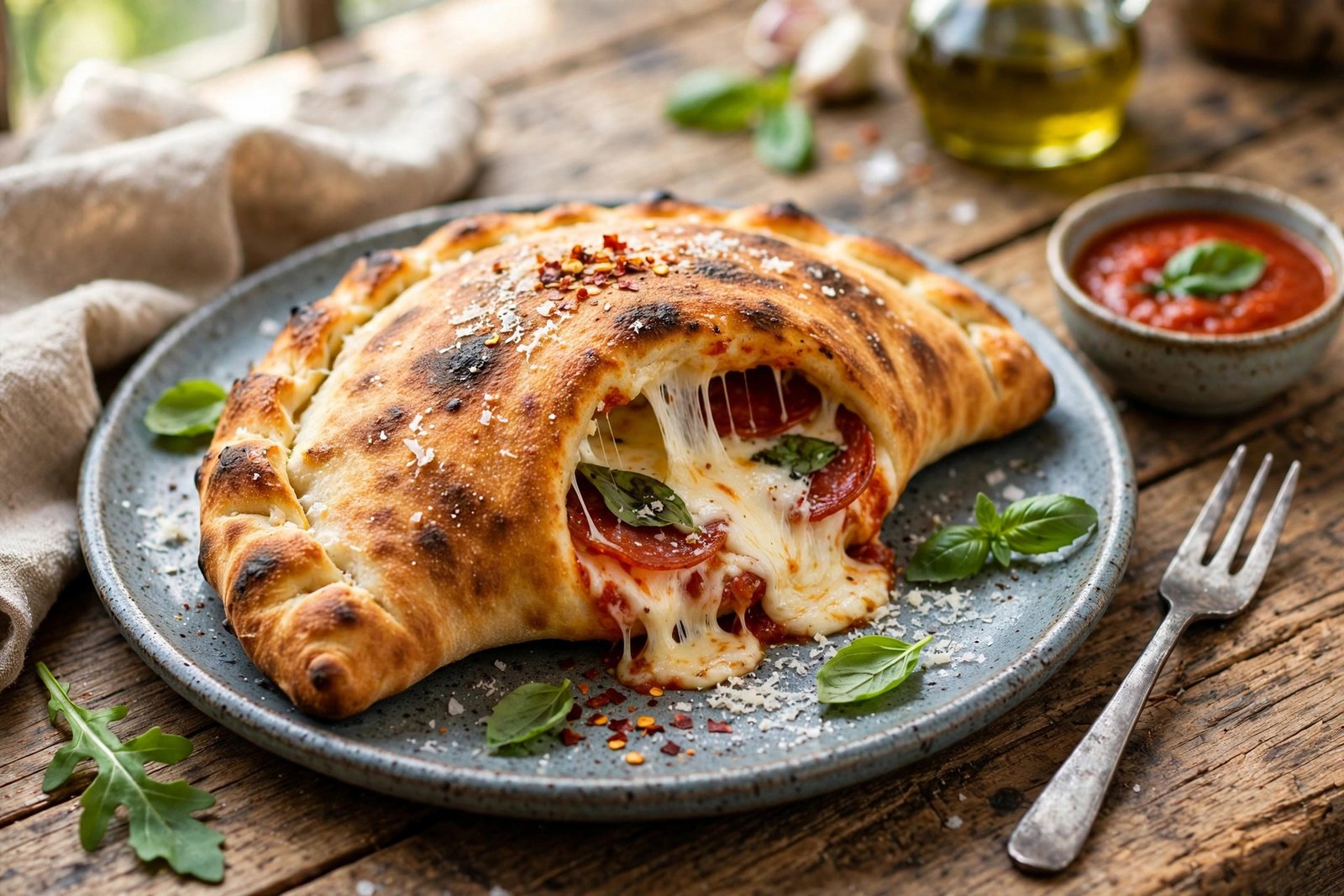
Braciole Recipe
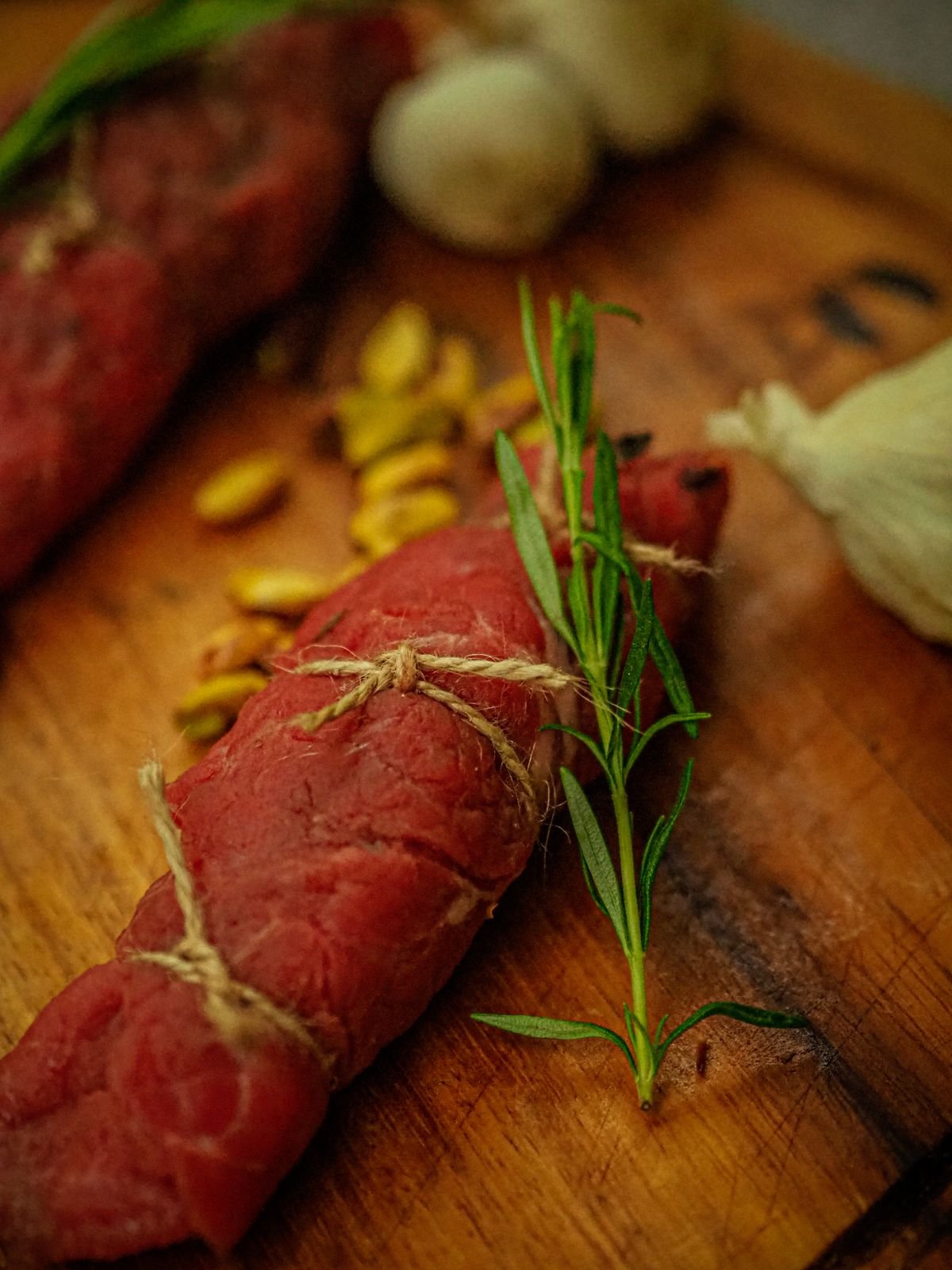
Braciole are thin slices of beef rolled around garlic, breadcrumbs, cheese and herbs, then braised slowly in tomato sauce until meltingly tender. The sauce turns rich and meaty, the filling stays juicy, and the whole dish tastes like a Sunday at an Italian family table. Serve it with pasta and crusty bread for mopping up every drop. Leftovers taste even better the next day, when the sauce has had time to deepen.
The story behind Braciole
Braciole is a dish of southern Italy, where it has fed families in Naples, Puglia and Sicily for generations. The idea is simple and practical: take a thin slice of beef, spread it with whatever tasty filling you have, roll it up, tie it, and cook it slowly in tomato sauce. In Naples it is called braciole, in Puglia it is often braciola, and in some homes it goes by involtini. The names change from town to town, but the shape and the method stay the same, and every family claims its own filling is the right one.
This dish belongs to Sunday lunch, the long Italian meal that starts in the early afternoon and stretches for hours. The braciole braises gently while the family gathers, and the sauce doubles as a pasta sauce: the cook tosses the pasta with the rich tomato sauce as a first course, then serves the beef rolls as the second course. Nothing is wasted, and the same pot feeds the whole table twice. It is the kind of cooking that turns a modest cut of beef into a feast.
What makes braciole special is the contrast between the outside and the inside. The beef turns soft and tender after its long braise, while the filling stays distinct: salty cheese, sweet currants, crunchy pine nuts, fresh parsley and garlic, all pressed into a spiral you can see when you slice the roll. The sauce picks up flavour from the beef and the filling at the same time, so it tastes deeper than a plain tomato sauce ever could. Each bite gives you beef, filling and sauce together.
This is a dish for a slow day, and it suits a British Sunday lunch beautifully. In the UK it works as the centrepiece of a relaxed family meal, the kind where everyone sits down together and nobody rushes. Start it in the late morning, let it simmer while you set the table and make a salad, and serve it in the early afternoon with pasta and good bread. The pot does most of the work, and the house smells wonderful for hours before anyone eats.
- Prep time
- 30 mins
- Cook time
- 90 mins
- Total time
- 2 hours
- Servings
- 4 servings
- Calories
- 520
Ingredients
- 800 g beef top round, sliced 5 mm thick
- 100 g fresh breadcrumbs
- 60 g grated Pecorino Romano cheese
- 3 garlic cloves, finely chopped
- 3 tablespoons chopped fresh parsley
- 1 teaspoon dried oregano
- 60 g pine nuts, toasted
- 40 g currants or raisins
- 4 tablespoons olive oil
- 1 onion, finely diced
- 2 garlic cloves, sliced
- 800 g tinned chopped tomatoes
- 2 tablespoons tomato paste
- 120 ml red wine
Instructions
- Lay the beef slices on a clean worktop and pound them gently with a meat mallet until they are an even 5 mm thick. Work from the centre outward and stop before the meat tears. Season both sides with salt and black pepper. Even slices roll neatly and cook at the same speed, so take your time here.
- Mix the breadcrumbs, Pecorino, chopped garlic, parsley, oregano, pine nuts and currants in a bowl. Drizzle in two tablespoons of olive oil and stir until the mixture holds together when you squeeze a handful. It should smell garlicky and herby, with the cheese giving it a salty edge. Taste a pinch and add more salt if it seems flat.
- Spread a thin, even layer of filling over each beef slice, leaving a 1 cm border at the edges. Press the filling down lightly with your fingers so it sticks. Roll each slice up from the short end into a tight cylinder, tucking the sides in as you go. Tie each roll in two places with kitchen string, snug but not so tight that the filling squeezes out.
- Heat the remaining olive oil in a large heavy pot over medium-high heat. Sear the braciole in batches, turning them with tongs until they are browned on all sides. This takes about two minutes per side, and the rolls should smell rich and meaty. Do not crowd the pot, or the beef will steam instead of browning. Set the rolls aside on a plate.
- Lower the heat to medium and cook the diced onion in the same pot for five minutes, until soft and golden. Stir in the sliced garlic and cook for one more minute, until it smells fragrant. Add the tomato paste and stir for a minute until it darkens slightly and smells sweet. This short cooking step deepens the flavour of the whole sauce.
- Pour in the red wine and let it bubble for two minutes, scraping the browned bits off the bottom of the pot with a wooden spoon. Those browned bits carry a lot of flavour. Add the chopped tomatoes and a pinch of salt, then stir everything together. The sauce should look deep red and smell of tomato, garlic and wine.
- Return the braciole to the pot, nestling them into the sauce so they are mostly covered. Bring the sauce to a gentle simmer, then turn the heat down to low and put the lid on, leaving it slightly open. Cook for 90 minutes, turning the rolls once halfway through. The sauce should bubble lazily, not boil hard, and the kitchen will smell wonderful.
- Check the beef after 90 minutes by pressing a roll with a fork. It should give easily and feel tender all the way through. If it still resists, cook for another 15 minutes. Taste the sauce and adjust the salt, adding a pinch of sugar if the tomatoes taste sharp. The sauce should be thick enough to coat a spoon.
- Lift the braciole out of the pot and snip off the kitchen string. Slice each roll into thick rounds to show the spiral of filling inside. Spoon the sauce over the slices and serve over pasta, or with crusty bread. Pour any extra sauce into a jug for the table, because someone will always want more.
Pro tips
- Ask the butcher to slice the beef thinly, or pound it yourself. Even slices roll neatly and cook evenly, while thick or uneven slices tear or stay tough in the middle.
- Toast the pine nuts in a dry pan for two minutes before adding them to the filling. Toasting brings out their buttery flavour and keeps them crunchy inside the roll instead of soft and bland.
- Do not skip the searing step. Browning the rolls builds deep flavour in the beef and the sauce, and it helps the rolls hold their shape. Sear in batches so the pot stays hot and the beef browns instead of steaming.
- Cook the tomato paste for a full minute before adding the wine and tomatoes. Raw tomato paste tastes tinny and sharp, but a short fry turns it sweet and deep, and it gives the sauce a richer colour.
- Let the braciole rest in the sauce for ten minutes before serving. The rest lets the beef relax and soak up the sauce, so the slices stay juicy when you cut them and the filling holds together.
Variations & serving ideas
The filling is where you can make braciole your own. Some families use hard-boiled egg sliced thinly down the centre of the roll, which adds a rich yellow spiral when sliced. Others add prosciutto or salami under the breadcrumbs for extra saltiness, or swap the pine nuts for chopped walnuts. A little grated lemon zest in the filling lifts the whole dish and works well with the tomato sauce.
The sauce can change too. A splash of red wine is classic, but you can leave it out and add a little beef stock instead. Some cooks stir in a spoonful of sugar to soften sharp tomatoes, while others add a pinch of chilli flakes for warmth. In summer, fresh ripe tomatoes can replace tinned ones; use about 1 kg, peeled and chopped, and cook the sauce a little longer to thicken it.
Serve braciole the traditional way, as a second course after pasta tossed in the same sauce. For a simpler meal, serve the rolls with creamy polenta, mashed potatoes or crusty bread. In the UK it makes a fine Sunday lunch centrepiece, served family-style in the pot at the middle of the table, with a big green salad and a jug of the sauce for passing round.
Pair it with a medium red wine, such as a Chianti or a Montepulciano, which matches the tomato sauce without overpowering the beef. A sparkling water with lemon cleanses the palate between bites. For dessert, keep it simple after such a rich main course: fresh fruit, a small scoop of gelato, or just coffee and a biscuit to finish the meal.
Getting it right
The key skill in braciole is rolling and tying the beef tightly. A loose roll unravels in the sauce and loses its filling, while a roll tied too tightly squeezes the filling out the ends. Spread the filling thinly, leave a border at the edges, roll firmly from the short end, and tie two loops of kitchen string, one near each end. The roll should feel firm and even, like a small parcel, with no filling spilling out.
Heat control is the second skill. Sear the rolls over medium-high heat until they are properly browned, because that colour becomes flavour in the sauce. Then braise at the lowest possible simmer, with the lid slightly open. A hard boil toughens the beef and makes the sauce split, while a lazy bubble keeps the meat tender and the sauce smooth. Check after an hour and add a splash of water if the sauce looks too thick.
The most common mistake is undercooking, because the beef feels tough right up until it turns tender. Give it the full 90 minutes, and test with a fork rather than the clock. If the fork meets resistance, the meat needs more time. The second common mistake is a filling that falls out, which usually means the filling was too wet or the rolls were not tied well. Drain the currants, press the filling down firmly, and tie in two places every time.
Storing & reheating
Braciole keeps in the fridge for up to four days, stored in its sauce in a covered container. The sauce protects the beef from drying out, and the flavour deepens overnight. Reheat gently in a covered pot over low heat for 15 minutes, adding a splash of water if the sauce has thickened. Stir occasionally so the bottom does not catch, and do not let the sauce boil hard.
You can freeze braciole for up to three months. Cool it completely, then pack the rolls with their sauce in a freezer-safe container, leaving a little room at the top for expansion. Thaw overnight in the fridge and reheat slowly on the stove. The filling holds up well to freezing, though the beef will be slightly softer than when freshly cooked. Do not freeze the rolls without sauce, or they will dry out.
Frequently asked questions
What cut of beef is best for braciole?
Top round, flank steak or thinly sliced sirloin all work well. Ask the butcher to cut the beef about 5 mm thick, or pound it yourself between sheets of cling film until it is even. The slices need to be thin enough to roll easily but thick enough not to tear when you tie them.
Can I make braciole without pork in the filling?
Yes, but the flavour will be milder and the filling softer. Use a firm vegetarian sausage or a mix of mushrooms, breadcrumbs and cheese. Roll and tie the beef the same way, and braise it for the same time. The sauce will still turn rich and satisfying.
Can I make braciole a day ahead?
Yes, and it is a good idea. The sauce improves after a day in the fridge, and the beef becomes even more tender. Cool the braciole in the sauce, cover the pot, and reheat gently on the stove. Add a splash of water if the sauce has thickened too much overnight.
Why does my filling fall out when I cook braciole?
The usual cause is a filling that was too wet or rolls that were tied too loosely. Drain any wet ingredients well, press the filling firmly onto the beef, and tie each roll in two places with kitchen string. A short sear before braising also helps the rolls hold their shape.
Can I cook braciole in a slow cooker?
A slow cooker works well for this dish. Sear the rolls first, then place them in the slow cooker with the sauce and cook on low for six to seven hours. The beef will be very tender. Check the sauce near the end and reduce it on the stove if it seems thin.
What should I serve with braciole?
Serve the braciole over pasta tossed with the sauce, with a green salad and crusty bread on the side. The pasta catches the sauce beautifully, and the bread is perfect for the last drops. A simple plate of roasted vegetables also works well alongside the rolls.