Cannelloni Recipe
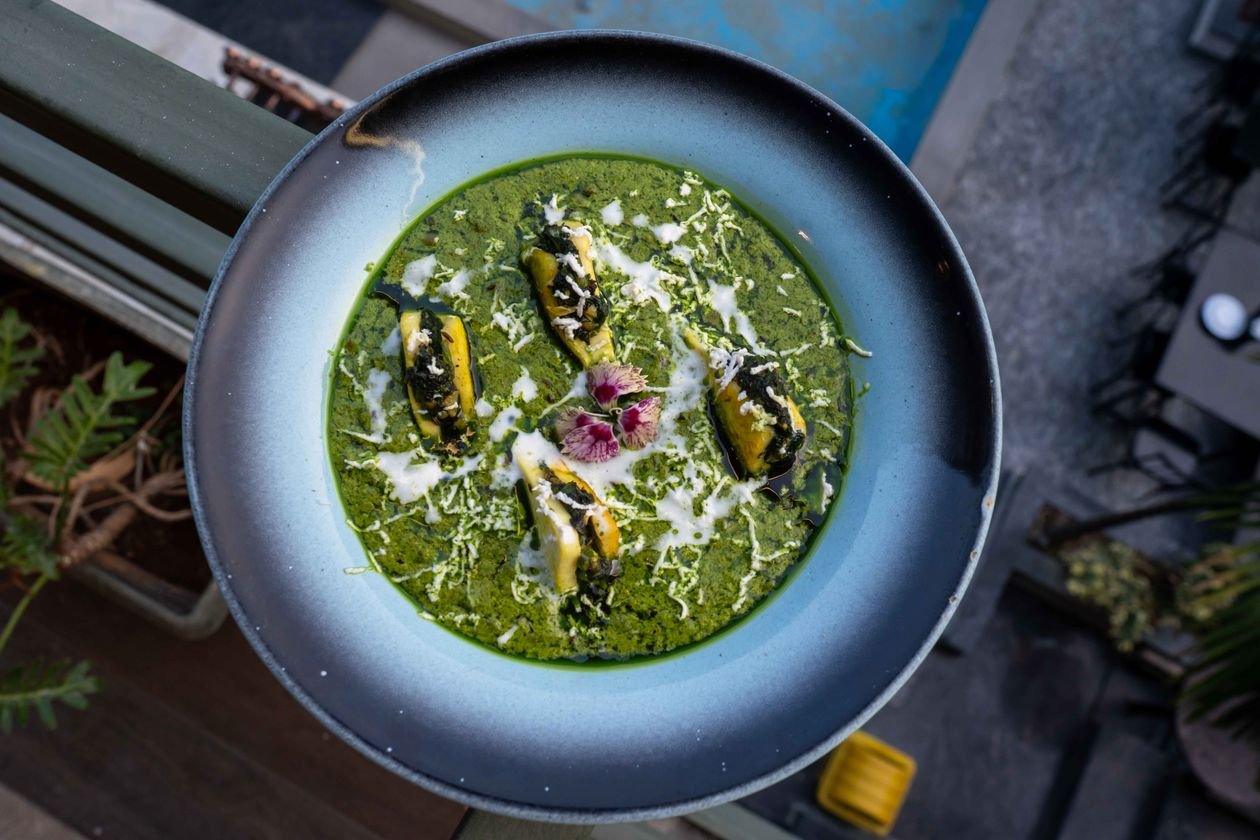
Cannelloni are wide pasta tubes filled with ricotta and spinach, baked in tomato sauce under a golden blanket of melted cheese. The edges go slightly crisp, the middle stays soft and creamy, and the whole dish comes out of the oven bubbling and ready to share. It is the kind of food that makes a table go quiet for the first few bites.
The story behind Cannelloni
Cannelloni come from Italy, where filled and baked pasta has been part of family cooking for generations. The name means little tubes, and the dish grew out of the same tradition as lasagne, layering pasta, sauce and cheese in a baking dish. Early versions used meat fillings, but the ricotta and spinach version became the most loved, especially in central Italy, where fresh ricotta and leafy greens were always close at hand. Ricotta itself is a by-product of cheese making, made from the whey left after curdling milk, so the dish is a fine example of Italian cooks wasting nothing and turning leftovers into something worth celebrating.
In Italian homes, cannelloni are a Sunday and celebration dish. Making them takes a little time, so they appear at family lunches, holiday tables and gatherings where a crowd needs feeding. The baking dish goes straight from the oven to the table, and everyone serves themselves, which gives the meal a relaxed, shared feeling that suits the food. It is also a dish that travels well to a neighbour or a friend, covered in foil and still warm, which is why it appears so often at gatherings and shared meals.
What makes cannelloni special is the contrast inside each tube. The pasta turns tender and soaks up the tomato sauce, the ricotta filling stays soft and creamy, and the cheese on top goes golden and slightly crisp at the edges. Spinach adds an earthy note that keeps the richness in check, and a little nutmeg in the filling gives a warm background flavour you notice without quite naming it.
Cook cannelloni when you want a proper oven dish that feeds four or more without last-minute fuss. It suits a Sunday lunch, a dinner with friends or a cold evening when you want something warm and filling from the oven. You can assemble it hours ahead and bake it when you are ready, which makes it one of the most forgiving dishes in Italian cooking.
- Prep time
- 25 mins
- Cook time
- 40 mins
- Total time
- 1 hr 5 mins
- Servings
- 4 servings
- Calories
- 580
Ingredients
- 12 cannelloni tubes (dried, no-boil or regular)
- 500 g ricotta, drained
- 300 g fresh spinach, wilted and squeezed dry
- 1 egg
- 80 g Parmesan, finely grated, plus extra for the top
- A pinch of ground nutmeg
- Salt and black pepper to taste
- 600 ml tomato passata
- 2 garlic cloves, thinly sliced
- 2 tablespoons olive oil
- 150 g mozzarella, torn into small pieces
- A handful of fresh basil leaves
Instructions
- Heat the oven to 190°C (170°C fan) and lightly oil a baking dish about 25 x 20 cm. Spread a thin layer of passata over the base, so the pasta tubes never sit on a dry dish and stick while they bake.
- Warm the olive oil in a small pan over medium heat and cook the garlic for 1 minute until it smells sweet and turns just pale gold. Pour in the passata with a pinch of salt, simmer gently for 10 minutes, then taste and adjust the salt. The sauce should taste bright and fresh, not sharp. You should hear a soft sizzle as the garlic hits the oil, and the kitchen will start to smell warm and savoury within a minute.
- Mix the filling in a large bowl: ricotta, chopped spinach, egg, Parmesan, nutmeg and plenty of black pepper. Stir until it is smooth and even, then taste and add salt. The filling should taste bold, because the pasta and sauce will soften the seasoning.
- Spoon the filling into a piping bag, or a sturdy freezer bag with one corner snipped off, and pipe it into each tube from both ends. Fill them generously but do not pack them too tightly, or the filling squeezes out as the pasta swells in the oven. Hold the tube upright in one hand and pipe from the top, then turn it over and fill from the other end so the filling reaches all the way through.
- Lay the filled tubes in a single layer over the sauce in the dish, leaving a little space between them. Pour the rest of the sauce over the top, making sure every tube is covered, then scatter the mozzarella and extra Parmesan evenly across the surface.
- Cover the dish tightly with foil and bake for 25 minutes. The foil traps steam, which cooks the pasta through and keeps the filling soft while the sauce bubbles gently underneath.
- Remove the foil and bake for a further 15 minutes until the cheese is golden and bubbling at the edges. You should hear a gentle sizzle and see the top turn a deep gold in places, with the sauce bubbling around the sides of the dish. The mozzarella should be melted into pools and the Parmesan should have crisped into golden patches across the surface.
- Rest the cannelloni for 10 minutes before serving, so the filling sets and the tubes hold their shape when you lift them out. Scatter basil over the top and serve straight from the dish with a green salad and crusty bread.
Pro tips
- Squeeze the spinach really dry before you mix the filling. Wet spinach makes a watery filling that leaks and leaves the pasta soggy. A good test is to squeeze a handful: if water drips out, keep pressing, because even a little extra moisture will thin the filling and soften the pasta.
- Cover every tube with sauce before baking. Any pasta left dry will turn hard and chewy in the oven. Pay special attention to the ends of the tubes, which dry out first, and spoon sauce right up to the edges of the dish.
- Rest the dish for 10 minutes after baking. It lets the filling set, so the tubes come out whole instead of falling apart on the spoon. The cheese also firms slightly as it cools, which makes neat portions easier to lift out with a wide spoon or spatula.
- Use a piping bag or a snipped freezer bag to fill the tubes. A spoon works, but it is slow and messy, and the bag fills each tube evenly in seconds. Work over the bowl so any filling that misses the tube falls back in, and keep a damp cloth nearby for wiping your hands between tubes.
- Grate your own Parmesan if you can. Pre-grated cheese often contains anti-caking agents that stop it melting smoothly over the top. Freshly grated Parmesan melts into a smooth golden crust, while pre-grated cheese can stay grainy and pale on top of the dish.
Variations & serving ideas
A meat filling makes a heartier version of the same dish. Brown 400 g of minced beef or pork with onion and garlic, stir in a little tomato paste, then cool it and mix with ricotta and Parmesan for a rich, savoury alternative. A mushroom version uses finely chopped sautéed mushrooms with thyme and ricotta, and it suits a vegetarian table that still wants deep flavour. A seasonal version with roasted butternut squash, sage and ricotta is excellent in autumn, when squash is sweet and cheap, and it needs no meat at all to feel rich.
Substitutions are simple. Frozen spinach works well if you thaw it and squeeze it very dry, and cottage cheese blended smooth can stand in for ricotta in a pinch, though the texture is slightly looser. Lasagne sheets rolled around the filling make a good substitute if you cannot find cannelloni tubes, and a béchamel sauce poured over the top before baking gives a creamier, paler finish than tomato alone.
Serve cannelloni straight from the baking dish with a crisp green salad and bread to catch the sauce. It also works with roasted vegetables on the side, or as a first course in smaller portions before a roast. The dish is rich, so keep the sides simple and fresh, with something green and a little sharp to balance the cheese.
Pair it with a light red wine, such as a Chianti, or with sparkling water and lemon if you prefer no alcohol. A bitter green salad with lemon dressing cuts through the richness nicely, and garlic bread is welcome if your table likes it, though plain crusty bread is enough. For a full meal, start with a simple antipasto and finish with fruit or a light sorbet, because the cannelloni itself is filling enough to carry the dinner.
Getting it right
The key technique in cannelloni is getting the moisture balance right, because the pasta cooks in the sauce rather than in water. The tubes need enough sauce around them to soften fully, but not so much that the dish turns soupy. Spread sauce under and over the tubes, cover the dish with foil, and let the trapped steam do the work. Check that every tube is coated before it goes in the oven, and you will avoid hard, dry edges. If you are using regular dried tubes rather than no-boil ones, add a little extra sauce and an extra five minutes under the foil, because the thicker pasta needs more moisture and time to soften fully.
Heat and timing control are straightforward but worth watching. A moderate oven, 190°C, cooks the pasta through in about 40 minutes without burning the cheese. The foil stage does the slow work of softening the tubes, and the uncovered stage is short, just long enough to brown the top. If your oven runs hot, check the cheese after 10 minutes uncovered, because Parmesan can go from golden to burnt quickly.
The common mistakes are easy to avoid once you know them. A watery filling comes from spinach that was not squeezed dry, so press it hard in a clean cloth until almost no water comes out. Tubes that crack open in the oven were usually overfilled, so leave a little room at each end. A soggy top means the dish was not baked uncovered long enough, so give it the full 15 minutes and let the cheese bubble. A dry dish means not enough sauce, so be generous with the passata, especially around the edges.
Storing & reheating
Cannelloni keep in the fridge for up to 3 days in a sealed container, and the flavours actually deepen overnight. Reheat individual portions in the oven at 180°C for 15 to 20 minutes, covered with foil so the top does not dry out. A splash of water or extra passata over the top before reheating keeps the pasta soft.
For longer storage, freeze the assembled but unbaked dish, wrapped tightly, for up to 2 months. Bake it straight from frozen at 180°C for about 55 minutes, keeping the foil on for the first 40 minutes. Do not freeze a baked dish that has already been served from, because the texture suffers on a second reheat.
Frequently asked questions
Do I need to boil cannelloni tubes first?
No, most dried cannelloni are made to cook in the sauce, and no-boil tubes definitely are. Regular tubes also soften fine in a well-sauced, foil-covered dish. Boiling them first makes them fragile and hard to fill, so fill them dry and let the oven do the work.
How do I stop the filling leaking out?
Fill the tubes generously but leave a little room at each end, and do not pack the filling in tightly. The ricotta swells slightly as it heats, so a tube packed full will squeeze filling out. A piping bag gives you better control than a spoon.
Can I assemble cannelloni ahead of time?
Yes, assemble the dish up to a day ahead, cover it and keep it in the fridge. Let it sit at room temperature for 20 minutes before baking, and add 5 minutes to the covered baking time if it goes in cold from the fridge. The sauce keeps the pasta from drying out overnight, and the filling firms up slightly, which actually makes the tubes easier to lift out whole.
What can I use instead of ricotta?
Cottage cheese blended until smooth is the closest substitute, though slightly looser in texture. Mascarpone mixed with a little lemon juice also works for a richer filling. Avoid hard cheeses alone, because the filling needs the soft, creamy base that ricotta gives.
Why is my cannelloni dry on top?
Some pasta was probably left uncovered by sauce, or the dish was baked without foil. Make sure every tube is coated with sauce before baking, keep the foil on for the first 25 minutes, and add a little extra passata around the edges of the dish. The tubes need full sauce coverage and a proper foil-covered bake, so check both before you blame the pasta brand.
Can I freeze cannelloni?
Yes, freeze the assembled unbaked dish for up to 2 months, wrapped tightly. Bake from frozen at 180°C for about 55 minutes, with foil on for the first 40 minutes. Cooked cannelloni also freezes, but the pasta softens more on reheating.