Masoor Dal Recipe
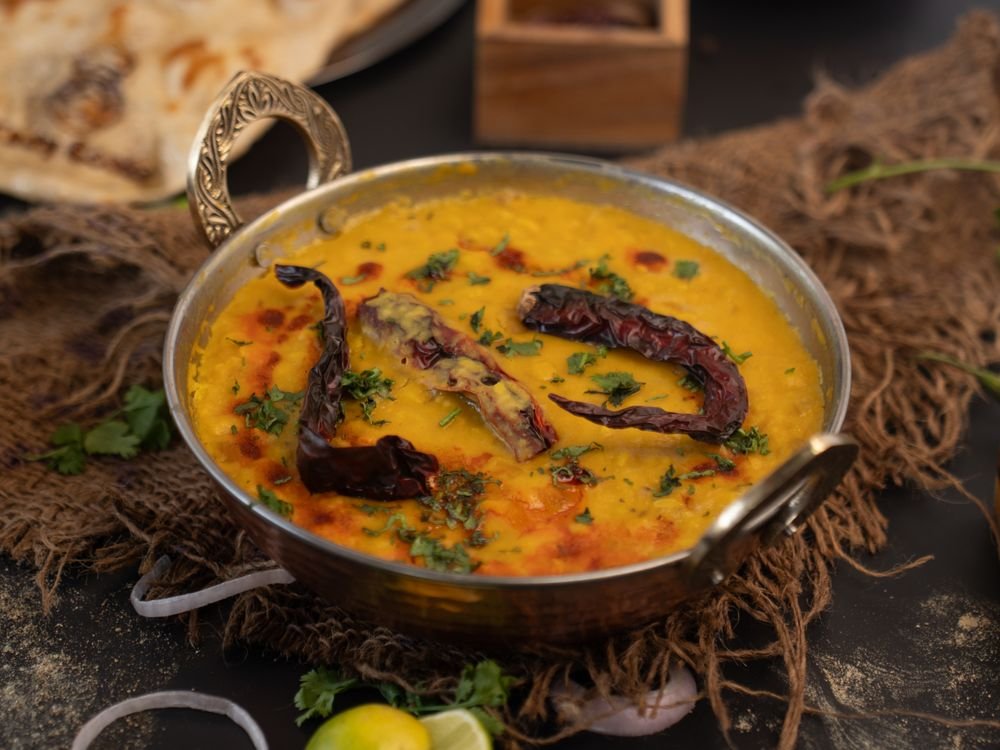
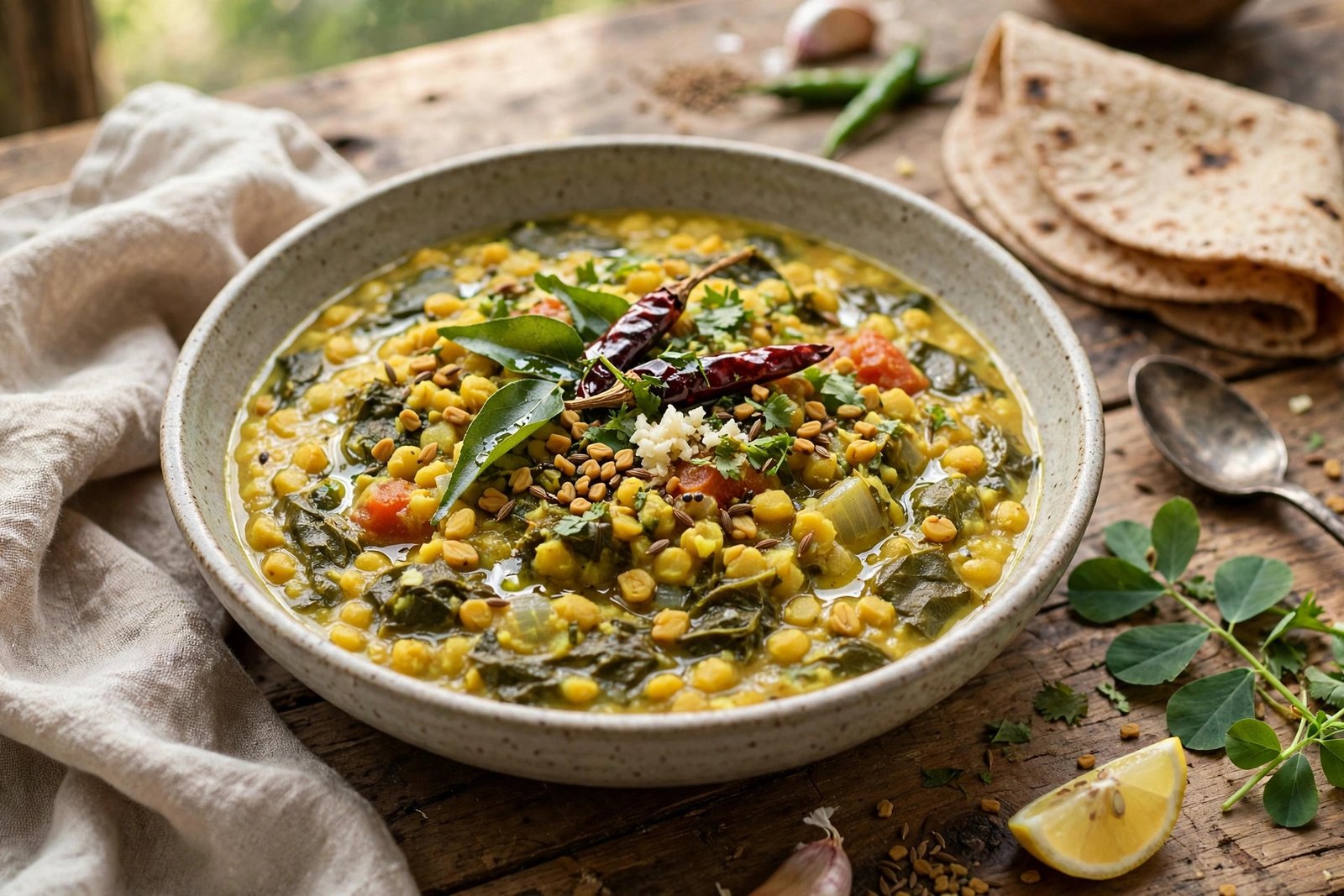
Masoor dal is the quickest dal in the Indian kitchen — small red lentils that break down in minutes into a smooth, earthy bowl with a warm orange glow. Onion, tomato and ginger build the base, and a sizzling tadka of ghee, cumin and garlic gives it a rich finish. It is simple, filling and kind on the budget. Serve it with rice, roti and a wedge of lemon.
The story behind Masoor Dal
Masoor dal begins with the red lentil, a small, flat pulse that has fed families across India for centuries. Unlike larger lentils that hold their shape, the red lentil is built to break down, and that is exactly what makes it so loved. It needs no pressure cooker and no long soaking, just a pot, some water and twenty minutes, and it rewards you with a dal so smooth it barely needs a spoon to mash it. In many homes it is the first dal a new cook learns, because it is almost impossible to get wrong.
In Indian kitchens, masoor dal is the workhorse of the week. It shows up on busy evenings when there is no time for a slow-cooked meal, in lunchboxes packed for long days, and on the tables of families watching their budget, because a single cup of lentils feeds four people well for very little money. It also travels easily across regions: in the north it is cooked thick and finished with ghee, in Bengal it appears as a thinner, lighter dal with a mustard-oil tempering, and everywhere it is treated as honest, everyday food.
What makes this dal special is its texture and its speed. The lentils collapse into a creamy mass all on their own, so the cook can focus on the base instead: onion softened until sweet, tomato cooked until jammy, ginger and garlic warmed in ghee. That base gives the mild lentils their character, and the colour tells the story too, a warm orange that deepens as the tomato cooks in. A squeeze of lemon at the end cuts through the richness and wakes the whole bowl up.
Cook masoor dal whenever you need dinner in a hurry without giving up on flavour. It suits a weeknight when the fridge is nearly empty, a light lunch before a long afternoon, or a cold evening when something warm and filling is the only thing that will do. Pair it with plain rice and a sharp pickle, and you have a complete meal that costs very little and leaves everyone full. It is also a good dal to cook in a big batch, because it reheats well and tastes even better the next day.
- Prep time
- 25 mins
- Cook time
- 25 mins
- Total time
- 50 mins
- Servings
- 4 servings
- Calories
- 290
Ingredients
- 1 cup masoor dal, red lentils (200 g)
- 4 cups water, plus extra as needed
- 1/2 teaspoon turmeric powder
- 1 teaspoon salt, plus more to taste
- 2 tablespoons ghee or vegetable oil
- 1 teaspoon cumin seeds
- 1 medium onion, finely chopped
- 1 tablespoon ginger, finely grated, and 3 garlic cloves, finely chopped
- 2 medium tomatoes, finely chopped
- 1 green chili, slit lengthways
- 1 teaspoon coriander powder
- 1/2 teaspoon red chili powder
- 2 tablespoons fresh coriander leaves, chopped
- 1 tablespoon lemon juice
Instructions
- Rinse the masoor dal in a bowl under cold running water, swirling it with your hand and tipping the cloudy water away. Repeat three or four times until the water runs mostly clear, then leave the dal to soak for 15 minutes while you chop the onion, tomato and ginger. Drain it well before cooking.
- Tip the drained dal into a heavy pot with 4 cups of water and the turmeric. Bring it to a gentle boil over medium-high heat, then turn the heat down so it simmers softly. A pale foam will rise in the first few minutes; skim it off with a spoon and throw it away.
- Let the dal simmer uncovered for 20 to 25 minutes, stirring now and then so it does not stick to the bottom. You will see the small orange lentils swell, split and slowly collapse into a smooth, earthy mass. The dal is ready when a spoon pressed against a lentil crushes it with no resistance at all.
- While the dal cooks, heat the ghee in a separate pan over medium heat until it shimmers and smells nutty. Add the cumin seeds and wait for them to pop and crackle, which takes about 20 seconds. Keep the pan moving so the seeds toast evenly without burning.
- Add the chopped onion and cook for 4 to 5 minutes until it softens and turns golden at the edges, stirring often. The onion should smell sweet and look translucent before you move on. If it starts to brown too fast, turn the heat down a notch and add a splash of water.
- Stir in the ginger and garlic and cook for 1 minute until the raw smell disappears and the mixture smells warm and fragrant. Add the chopped tomatoes, green chili, coriander powder and red chili powder, then cook for 4 to 5 minutes until the tomatoes soften and the oil starts to separate at the edges of the pan.
- Scrape the whole tomato-onion mixture into the pot of cooked dal and stir it through. The dal should turn a deeper orange and smell rich and spicy at once. Let it simmer together for 3 to 4 minutes so the flavours have time to marry.
- Season with the salt and taste, adjusting until the dal tastes warm and well rounded. If it looks too thick, stir in hot water a ladle at a time until it flows slowly off the spoon. Remember that it will thicken more as it sits, so keep it a touch looser than you think you need.
- Stir in the lemon juice and most of the chopped coriander, then cover the pot and let the dal rest for 5 minutes. This short rest lets the flavours settle together. Serve hot with rice or roti and the remaining coriander scattered over the top.
Pro tips
- Rinse the dal until the water runs clear, since the dusty starch on unrinsed lentils makes the dal cloudy and slightly bitter.
- Cook the onion until it is truly golden, not just soft, because that sweetness is what carries the flavour of the whole dish.
- Let the tomato cook until the oil separates at the edges, which is the sign that its raw, sharp taste has cooked away.
- Salt only after the lentils are soft, because salting too early can toughen the skins and slow the cooking.
- Add lemon juice off the heat at the very end, so the bright citrus flavour stays fresh instead of cooking away.
Variations & serving ideas
The easiest variation is the tempering. Swap the cumin seeds for mustard seeds and a few curry leaves for a South Indian touch, or add a pinch of asafoetida and a dried red chili for a sharper, earthier flavour. Some cooks stir a spoon of grated ginger into the base with the garlic, while others finish with a pinch of garam masala for a warmer, deeper taste. Each version keeps the same smooth dal underneath, so you can change the seasoning to suit the mood of the day.
You can also build the dal up into a heartier bowl. Stir in a handful of spinach or chopped methi leaves in the last five minutes, and they will wilt straight into the hot dal. A diced potato or a piece of pumpkin cooked with the lentils melts into the dal and makes it thicker and more filling. A spoon of grated coconut stirred in at the end gives a gentle sweetness that works well with rice. If you want more heat, add a second green chili or a little extra red chili powder, and taste as you go so the spice stays friendly rather than fierce.
For substitutions, the ghee can be replaced with any neutral oil or with a spoon of butter, and the result stays rich because the onion and tomato do most of the work. If you cannot find masoor dal, moong dal is the closest swap, cooking in about the same time with a milder, slightly sweeter taste. Toor dal needs a pressure cooker to reach the same softness, so it is not a straight swap in this recipe. The ginger can be left out if you do not have it, but the garlic is worth keeping, since it anchors the flavour.
Serve masoor dal the way most Indian families do, with steamed basmati rice and a wedge of lemon, or with warm roti for scooping. It pairs well with a sharp mango pickle, a crisp papad, and a small salad of onion, tomato and cucumber that cuts through the richness of the ghee. For a fuller meal, add a dry vegetable dish such as aloo gobi or a simple cabbage stir-fry on the side, and finish with a spoon of plain yoghurt. Leftover dal also makes a good filling for a stuffed paratha the next morning.
Getting it right
The key technique in this recipe is cooking the base properly before it meets the dal. Onion, ginger, garlic and tomato need time in hot ghee to turn sweet and jammy, and that cannot be rushed. Give the onion a full four to five minutes until it turns golden at the edges, then let the tomato cook until the oil separates and the mixture looks glossy. If you add the base to the dal while the tomato is still raw and sharp, the whole bowl will taste thin and unfinished.
Heat control matters most in the simmer. Masoor dal needs gentle, steady heat rather than a rolling boil, because a hard boil throws the lentils around, breaks them unevenly, and can push foam over the rim of the pot. Keep the heat low enough that the surface trembles and bubbles lazily, and stir every few minutes so the lentils at the bottom do not settle and catch. Skim the foam in the first five minutes, since it carries the dusty, slightly bitter notes you do not want in the finished dal.
The most common mistake is a dal that tastes flat, and it almost always comes from under-seasoning or a weak base. Salt the dal once the lentils are soft, then taste and adjust after the base goes in, because the two layers of flavour need to meet. If the dal turns out too thick, thin it with hot water, never cold, which would dull the flavour and cool the pot. If the onion browns too fast, turn the heat down and add a splash of water; burnt onion will haunt the whole pot, while a patient onion makes the dish.
Storing & reheating
Let the dal cool completely before you store it, since a hot pot warms everything around it in the fridge and makes the dal sweat. Spoon it into a sealed container and keep it in the fridge for up to 4 days; the flavour often improves overnight as the onion, tomato and spices settle into the lentils. For longer storage, freeze it in portions for up to 3 months, leaving a little room at the top of each container because the dal expands as it freezes.
Reheat the dal gently in a pot over low heat, stirring often and adding hot water a ladle at a time, because it will have set into a firm mass in the fridge. Do not reheat it on high heat, which scorches the bottom before the middle is warm. Add the lemon juice and fresh coriander only after reheating, so the dal tastes freshly made rather than reheated.
Frequently asked questions
What is masoor dal, and where can I buy it?
Masoor dal is the split red lentil, made from small orange-red lentils with the skin removed. It cooks in about 20 minutes and breaks down into a smooth, creamy dal without any mashing. Find it in Indian grocery shops and most supermarkets, often labelled red lentils or split red lentils.
Do I need to soak masoor dal before cooking?
No, masoor dal does not need soaking. The lentils are small and thin, so they cook through in 20 to 25 minutes from dry. A quick rinse is enough. Soaking for 15 minutes will shave a few minutes off the cooking time, but it is optional rather than necessary.
Why does my masoor dal get so thick as it cools?
Masoor dal thickens quickly as it cools because the lentils keep absorbing water. Stir in hot water a ladle at a time until it loosens to the texture you like. Cook it a little looser than you think you need, since the dal on the table will always be thicker than the dal in the pot.
Can I make masoor dal ahead of time?
Yes, it keeps well for up to 4 days in the fridge in a sealed container. Cool it fully first, then reheat it gently with a splash of water, stirring often. Add the lemon juice and fresh coriander after reheating so the flavour stays bright and fresh.
Is masoor dal vegan and gluten-free?
Yes, as written it is vegetarian and gluten-free, with ghee as the only animal product. Swap the ghee for vegetable oil and the dish becomes fully vegan. The flavour stays rich because the onion, tomato, cumin and garlic carry the whole dish.
What should I serve with masoor dal?
Steamed basmati rice is the classic partner, with a spoon of plain yoghurt and a wedge of lemon. It also goes well with roti, jeera rice, or a simple salad of onion, tomato and cucumber. A crisp papad and a sharp pickle round out the plate nicely.