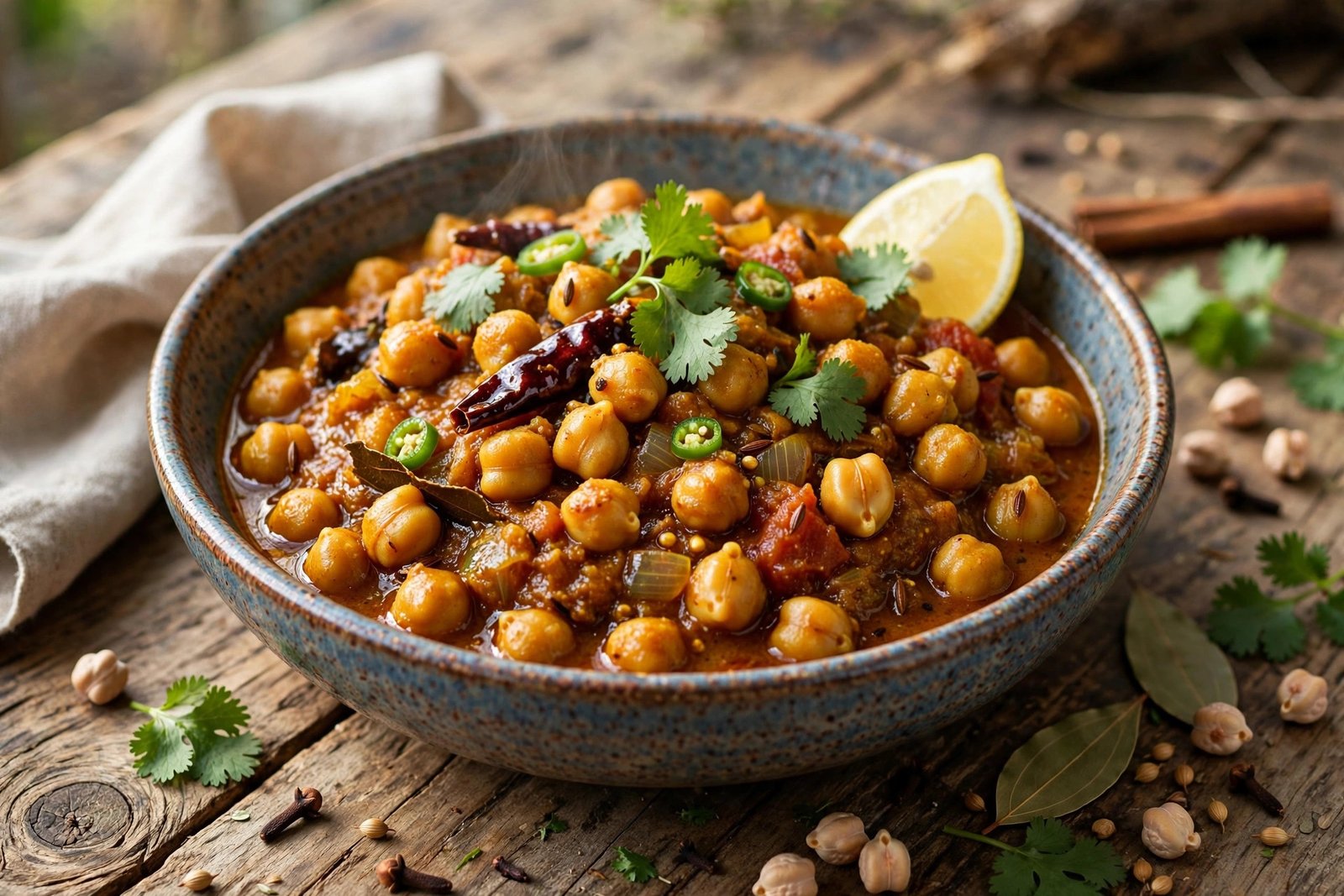
Baingan ka Raita Recipe
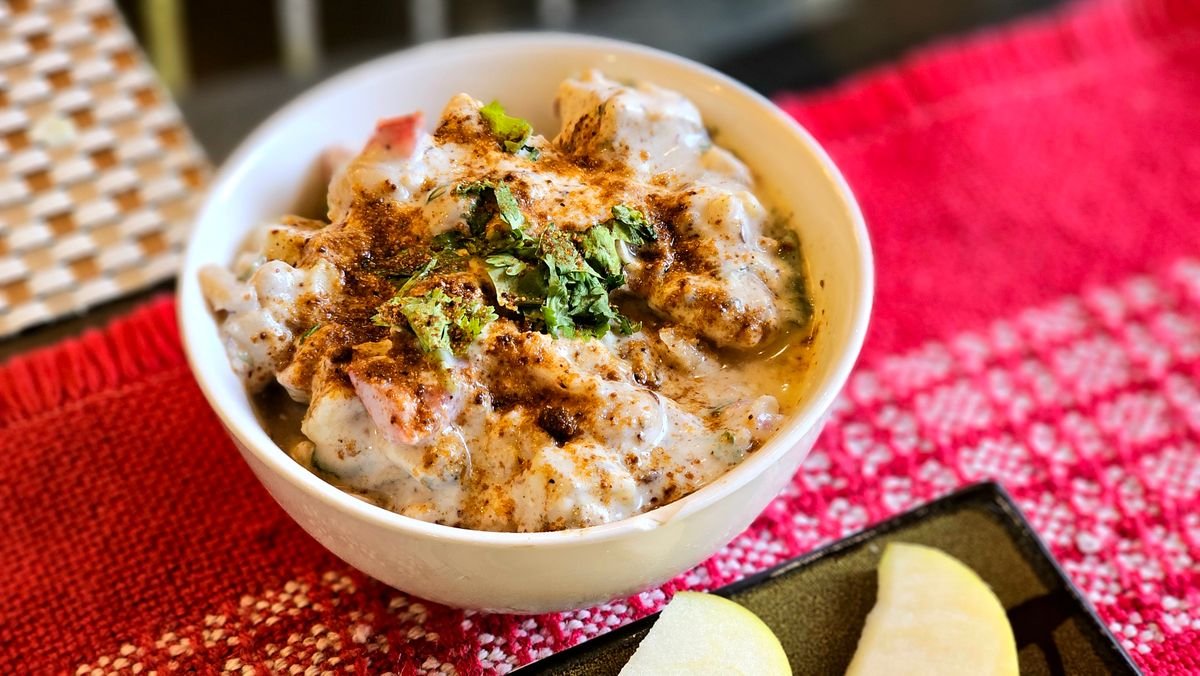
Baingan ka Raita pairs smoky roasted eggplant with cool, creamy yogurt and a gentle tempering of spices. The eggplant collapses over a flame into a soft, smoky flesh that folds into the yogurt like a sauce. Serve it chilled beside biryani or curry, and let it do its quiet, cooling work. It takes half an hour, most of it waiting for the eggplant to roast over the flame.
The story behind Baingan ka Raita
Raita is one of the oldest accompaniments in Indian cooking, a bowl of seasoned yogurt served beside curries, biryanis and flatbreads to cool the palate and balance the heat. Baingan ka raita takes that idea a step further by adding roasted eggplant, a vegetable that turns soft, smoky and almost creamy over an open flame. The combination of cool yogurt and smoky eggplant has been cooked in Indian homes for generations, especially in the north.
In Indian meals, raita is not a side dish you forget about. It sits on the thali next to the dal, the sabzi and the rice, and it does real work: the yogurt soothes the tongue after a spicy bite, the spices in the tempering add warmth without heat, and the eggplant makes it substantial enough to eat on its own with a piece of bread. It is the dish that lets you enjoy a fiery curry without suffering for it.
What makes this version special is the roasting. Eggplant roasted over a flame develops a deep, smoky flavour that no pan can match, and its flesh turns so soft that it folds into the yogurt like a sauce. Roasted cumin and a little mustard oil in the tempering add a warm, nutty note, and fresh coriander keeps the whole bowl bright. The result is cool, smoky, creamy and lightly spiced all at once.
Make it when the main dish is rich or spicy, when you are serving biryani, or when you want a cooling side that takes little effort. It suits a weeknight dinner as easily as a weekend feast, and it is one of those dishes that tastes even better after an hour in the fridge. Roast the eggplant while the curry simmers, and the raita will be ready when everything else is. Eggplant is cheap and widely available, so this raita is one of the most economical side dishes you can make, and it feeds a crowd for very little money. Some families roast the eggplant the night before, so the raita comes together in five minutes the next day, which makes it a useful dish for busy evenings. In Punjab, cooks sometimes add a spoonful of roasted peanuts to the raita, which adds a crunch that plays nicely against the soft eggplant.
- Prep time
- 15 mins
- Cook time
- 15 mins
- Total time
- 30 mins
- Servings
- 4 servings
- Calories
- 150
Ingredients
- 1 large eggplant, about 350 g
- 400 g plain yogurt, whisked smooth
- 1 tablespoon mustard oil
- 1 teaspoon cumin seeds
- 1/2 teaspoon mustard seeds
- 1 green chilli, finely chopped
- 1/2 teaspoon roasted cumin powder
- 1/2 teaspoon red chilli powder
- 1/2 teaspoon salt
- 1 tablespoon fresh coriander, chopped
- 1 teaspoon ginger, finely grated
- 1 tablespoon lemon juice
- 1 pinch asafoetida
- 1 spring onion, thinly sliced
Instructions
- Roast the eggplant directly over a gas flame, turning it every few minutes with tongs, until the skin is blackened and blistered all over and the flesh feels completely soft when you press it. This takes about 12 to 15 minutes. The eggplant should collapse slightly and smell deeply smoky, which is the flavour you want.
- Place the roasted eggplant in a bowl and cover it with a plate for 5 minutes. The trapped steam loosens the charred skin, so it peels away easily. Once it is cool enough to handle, peel off the blackened skin and discard it, keeping as much of the soft, smoky flesh as you can.
- Mash the eggplant flesh with a fork until it is soft and creamy, with a few small lumps left for texture. It should look pale and smoky, with a little of the char mixed in for flavour. If you find any hard seeds or tough fibres, pick them out and discard them.
- Whisk the yogurt in a large bowl until it is smooth and creamy, then stir in the mashed eggplant, ginger, lemon juice, salt and half the roasted cumin powder. Mix gently until the eggplant is folded through the yogurt in pale, smoky swirls. Taste and add a little more salt or lemon if needed.
- Heat the mustard oil in a small pan until it just begins to smoke, then take it off the heat and let it cool for 30 seconds. Add the cumin seeds and mustard seeds, and listen for them to pop and crackle. This is the tempering, and it should smell warm, nutty and fragrant within seconds.
- Add the asafoetida, green chilli and red chilli powder to the hot oil and stir for 10 seconds, then pour the whole tempering over the raita. The hot oil will sizzle as it hits the cool yogurt, and the spices will bloom into the bowl. Stir it through gently so the tempering spreads evenly.
- Fold in the fresh coriander and spring onion, then cover the bowl and chill it in the fridge for at least 20 minutes. The cold rest lets the smoky eggplant, the tangy yogurt and the warm spices settle together, and the raita tastes noticeably better cold than at room temperature.
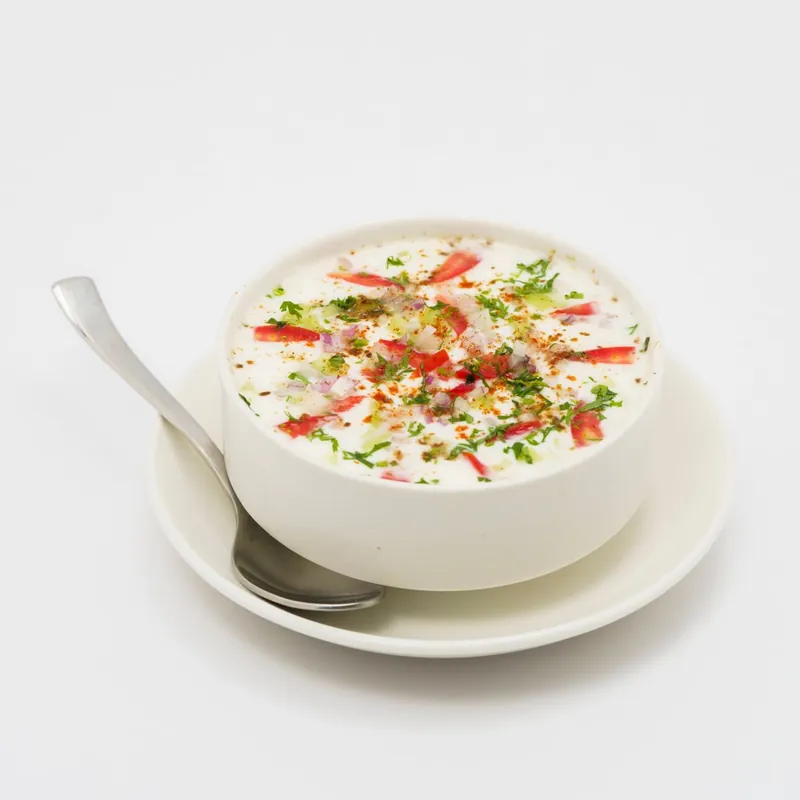
- Sprinkle the remaining roasted cumin powder over the top just before serving, and serve the raita chilled in a small bowl. It should look creamy and pale, with flecks of green coriander and a few dark specks of roasted eggplant running through it. Eat it with biryani, curry or flatbread. Keep the raita in the fridge until the moment you serve it, since it tastes best when it is properly cold.
Pro tips
- Roast the eggplant over a real flame if you can, because the smoky flavour is the whole point, and an oven roast never tastes the same. Turn it with tongs, not a fork, so the skin stays intact while it cooks.
- Whisk the yogurt until it is completely smooth before adding the eggplant, since lumpy yogurt makes a lumpy raita that never looks or tastes right. A few strokes with a balloon whisk will do it in under a minute.
- Let the mustard oil cool for 30 seconds after smoking, because oil that is too hot burns the cumin seeds and turns the tempering bitter. Hold your hand above the pan to feel the heat drop before the seeds go in.
- Chill the raita for at least 20 minutes before serving, since the flavours need time to settle and the dish tastes best cold.
- Peel the eggplant while it is still warm, because the skin comes away easily then, and it sticks stubbornly once the flesh has cooled. Save the roasted eggplant skin for the compost, since it has done its job of protecting the flesh and carries a bitter, charred flavour.
Variations & serving ideas
You can roast the eggplant in a hot oven at 220 C for 25 minutes if you have no gas flame, turning it once halfway through. The flavour will be milder and less smoky, so add a pinch of smoked paprika to the yogurt to bring back some of the depth. An air fryer at 200 C for 15 minutes also works well for a smaller eggplant.
Swap the yogurt for a thick Greek yogurt if you want a richer, creamier raita, and thin it with a spoonful of milk if it gets too stiff. For a dairy-free version, use a plain coconut yogurt, which adds a gentle sweetness that suits the smoky eggplant. Leave the green chilli out for a mild raita, or add a little more for a version with real warmth.
Serve baingan ka raita with biryani, pulao, or any rich curry, where its cool creaminess balances the spice. It is also good with parathas or naan, eaten on its own as a light lunch, or as part of a thali with dal, rice and a vegetable dish. A spoonful on the side of a kebab plate works beautifully too.
It pairs well with a glass of lassi, a cool mint drink, or plain cold water with a squeeze of lemon. The yogurt is already cooling, so the drink can be simple and light. Avoid anything hot or heavily spiced alongside it, since the raita is there to give the palate a rest from heat. A spoonful of pomegranate seeds scattered over the top adds a jewel-like colour and a burst of tart sweetness that suits the smoky eggplant. For a richer version, stir in two tablespoons of cream with the yogurt, which makes the raita silkier without changing its flavour. A pinch of smoked paprika stirred into the yogurt deepens the smoky flavour when the eggplant was oven-roasted instead of flame-roasted. For a prettier bowl, top the raita with a few pomegranate seeds and a drizzle of mustard oil, which adds colour and a gentle warmth to the finished dish. Serve it with warm naan torn into pieces, so everyone can scoop up the creamy raita.
Getting it right
The key technique is the flame roasting. Hold the eggplant over an open gas flame and turn it slowly, letting the skin blacken and blister while the flesh inside turns soft and smoky. The skin protects the flesh from burning, and the steam inside cooks it through. You will know it is done when the eggplant collapses slightly and feels soft all the way through when you press it with tongs. Under-roasted eggplant stays firm and tastes bitter.
Heat control matters most in the tempering. Mustard oil must be heated until it smokes, which removes its raw, pungent edge, but it must then cool for half a minute before the seeds go in. Seeds added to oil that is too hot will burn and turn bitter in seconds. You want a lively pop and crackle, not a violent splatter, and the whole tempering takes less than a minute.
The most common mistake is under-roasting the eggplant, which leaves the flesh firm and bitter instead of soft and smoky. Another is pouring the tempering over warm raita, which thins the yogurt and dulls the spices. Let the yogurt and eggplant cool fully before the tempering goes on, and chill the finished raita so the flavours settle. If the raita tastes flat, it usually needs a little more salt or lemon juice, not more spice. A heavy cast iron pan holds heat well for the tempering, though a small steel tadka pan is the traditional tool and heats up in seconds. A small steel tadka pan is worth owning, since it heats in seconds and pours the tempering neatly.
Storing & reheating
Store baingan ka raita in a sealed container in the fridge for up to 3 days. The flavour deepens after a few hours, as the smoky eggplant and the spices settle into the yogurt. Stir it gently before serving, and drain any watery liquid from the top. Do not leave it at room temperature for more than 2 hours, especially in warm weather.
Freezing is not recommended, because yogurt separates and turns grainy when thawed, and the smooth texture that defines raita is lost. Make only as much as you will eat within a few days, since the ingredients are simple and the preparation takes half an hour. Leftover raita works well as a spread on flatbread or as a cooling dip with vegetable pakoras the next day.
Frequently asked questions
What is baingan ka raita?
Baingan ka raita is an Indian side dish of flame-roasted eggplant folded into whisked yogurt, finished with a tempering of cumin, mustard seeds and chilli. It is served cold alongside biryani, curries and flatbreads to cool the palate. The eggplant is roasted over a flame first, which gives the raita its deep, smoky flavour.
How do I roast eggplant without a gas flame?
Roast it in a hot oven at 220 C for about 25 minutes, turning once, until the skin is dark and the flesh is soft. An air fryer at 200 C for 15 minutes also works. The flavour will be less smoky, so add a pinch of smoked paprika.
Why is my raita watery?
The yogurt was probably too thin, or the eggplant was not drained after roasting. Use thick, full-fat yogurt, whisk it smooth, and let the roasted eggplant cool and drain before mixing. Stirring gently instead of beating hard also keeps the texture creamy.
Can I make baingan ka raita ahead of time?
Yes, and it tastes better after a few hours in the fridge, once the smoky eggplant and the spices have settled into the yogurt. Make it up to a day ahead, keep it sealed and chilled, and sprinkle the roasted cumin on top just before serving.
Is baingan ka raita gluten-free?
Yes, as written it is naturally gluten-free, since it contains only eggplant, yogurt and spices. Check that your asafoetida is gluten-free, because some brands mix it with wheat flour. Use a pure asafoetida or leave it out. The yogurt, eggplant and spices are all naturally free of gluten.
What do I serve with baingan ka raita?
Serve it chilled with biryani, pulao, or any rich or spicy curry, where its cool creaminess balances the heat. It is also good with parathas, naan, or kebabs, and as part of a thali with dal, rice and a vegetable dish.