Boondi Raita Recipe
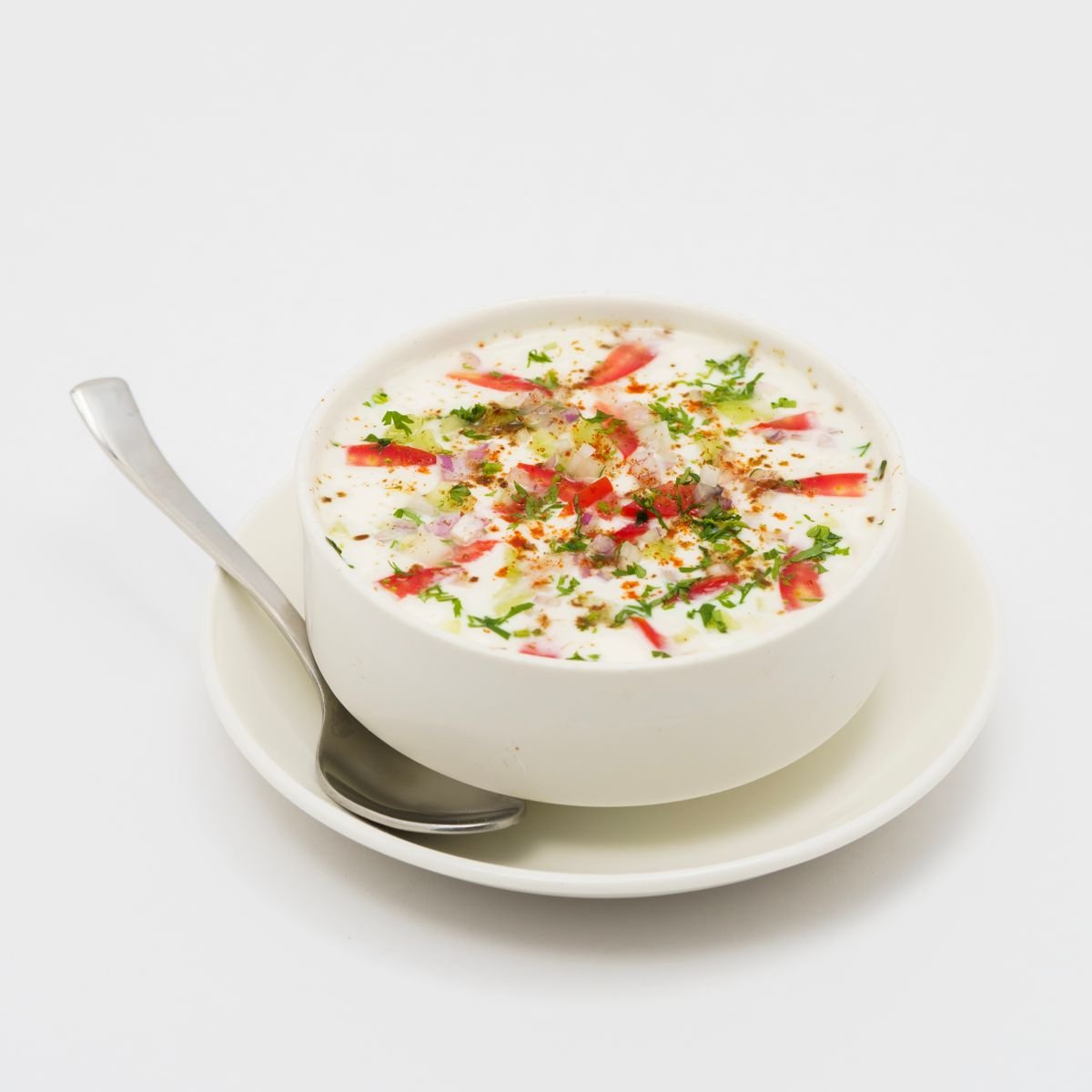
Boondi Raita is cool, creamy yogurt filled with crisp little chickpea flour pearls and a warm cumin tempering. The boondi softens on the outside and keeps a little bite in the centre, the yogurt is whisked until smooth, and fresh coriander keeps the bowl bright. A classic Indian side dish, ready in twenty minutes. It needs no cooking beyond a one-minute tempering, and it tastes better after a short chill.
The story behind Boondi Raita
Boondi raita is one of the most loved raitas in Indian cooking, and it starts with boondi itself: tiny, round fritters made from chickpea flour batter, dropped through a perforated ladle into hot oil until they puff into crisp golden pearls. Sweet boondi is used in desserts, but the plain, salted kind belongs in raita, where it soaks up yogurt and turns soft on the outside while keeping a little bite in the centre.
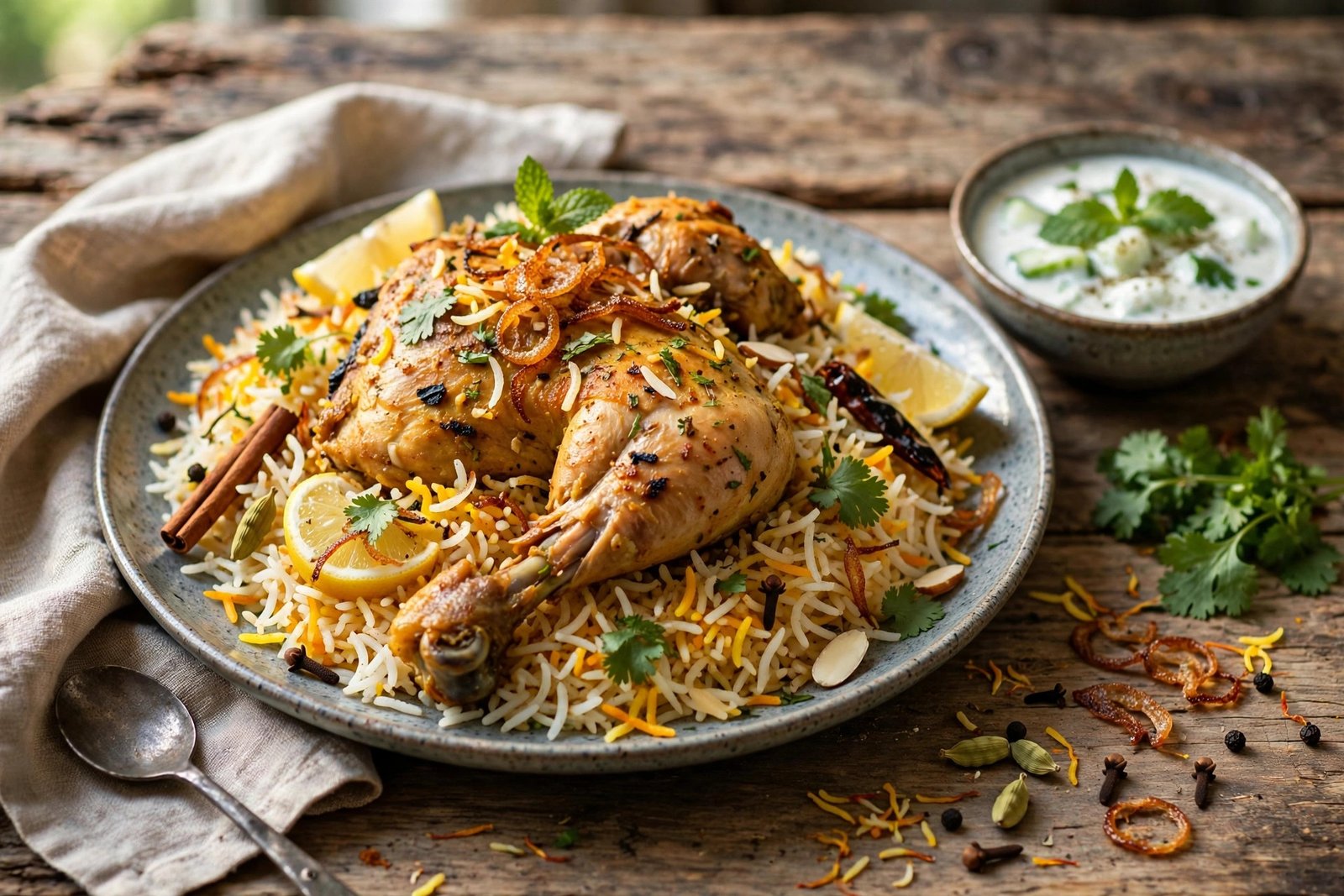
In Indian homes, boondi raita is the side dish that appears whenever the main course is spicy or rich. It sits on the thali next to biryani, pulao or a fiery curry, and it does the quiet work of cooling the palate. The yogurt soothes, the boondi adds texture and a gentle chickpea flavour, and the roasted cumin and chilli in the tempering give it warmth without real heat. It is simple food, but it is food that people ask for by name.
What makes this version special is the contrast. The boondi is soaked just long enough to soften, so each pearl is creamy on the outside and still has a little resistance when you bite it. The yogurt is whisked until smooth, the spices are roasted and ground fresh, and a handful of coriander keeps the bowl bright. A good boondi raita should feel cool, light and refreshing, never heavy or stodgy.
Make it when you are serving biryani, when the curry is hotter than usual, or when you want a quick side dish that needs no cooking. It takes twenty minutes from start to finish, and most of that is waiting for the boondi to soak. It is the kind of dish you can put together while the main course finishes cooking, and it always earns its place on the table. Boondi is sold in most Indian grocery shops, so this raita is a pantry dish as much as a fresh one, ready whenever the main course needs a cool companion. Buy two bags at once, since one always seems to disappear into snacking before the cooking starts. In many Indian homes, boondi raita is the first raita children learn to like, since the little pearls are fun to eat and the flavour is gentle.
- Prep time
- 10 mins
- Cook time
- 10 mins
- Total time
- 20 mins
- Servings
- 4 servings
- Calories
- 180
Ingredients
- 400 g plain yogurt, whisked smooth
- 150 g plain boondi, unsalted
- 1 cup warm water
- 1/2 teaspoon salt
- 1/2 teaspoon roasted cumin powder
- 1/4 teaspoon red chilli powder
- 1/4 teaspoon black salt
- 1 green chilli, finely chopped
- 1 tablespoon fresh coriander, chopped
- 1 tablespoon fresh mint, chopped
- 1 teaspoon sugar
- 1 teaspoon lemon juice
- 1 teaspoon ghee
- 1/2 teaspoon mustard seeds
Instructions
- Put the boondi in a bowl and pour the warm water over it. Leave it to soak for 5 minutes, until the pearls have softened on the outside but still hold their shape when you press one. They should feel plump and tender, not mushy. Drain the boondi well and squeeze it very gently to remove excess water.
- Whisk the yogurt in a large bowl until it is completely smooth and creamy, with no lumps at all. A few strokes with a whisk or a fork will do it, and the yogurt should look glossy and pour slowly off the spoon. If it is very thick, stir in a spoonful of cold water to loosen it.
- Stir the salt, sugar, lemon juice, roasted cumin powder, black salt and half the red chilli powder into the yogurt. Mix until everything is evenly spread through the bowl, then taste it. The yogurt should taste tangy, lightly salty and gently spiced, with a faint sweetness in the background.
- Fold the drained boondi into the yogurt with a spoon, turning it over gently so the pearls are coated without being crushed. The boondi should be spread evenly through the bowl, not sitting in a clump at the bottom. Add the green chilli, coriander and mint, and fold them in lightly.
- Heat the ghee in a small pan over medium heat until it melts and shimmers. Add the mustard seeds and wait for them to pop, which takes about 20 seconds. The seeds should crackle and jump in the pan, and the ghee should smell warm and nutty. Take the pan off the heat straight away.
- Pour the hot tempering over the raita and stir it through gently, so the mustard seeds and ghee spread evenly without breaking the boondi. The warm ghee will leave a thin, glossy sheen on the yogurt, and the tempering adds a final layer of warmth to the flavour.
- Cover the bowl and chill the raita in the fridge for at least 15 minutes, so the boondi finishes softening and the flavours settle together. It tastes noticeably better cold, and the chill firms the yogurt up a little so it holds its shape on the plate.
- Sprinkle the remaining red chilli powder and a pinch more roasted cumin over the top just before serving. Serve the raita chilled, in a small bowl, alongside biryani, pulao or curry. Each spoonful should have creamy yogurt, soft boondi and a fleck of green herb. Serve the raita in small bowls rather than one large one, since it looks prettier and stays colder on the table.
Pro tips
- Soak the boondi for only 5 minutes, because over-soaked boondi turns to mush and disappears into the yogurt instead of keeping its shape. Check one pearl at four minutes, since some brands soften faster than others.
- Whisk the yogurt until it is completely smooth, since lumpy yogurt makes a lumpy raita that looks unfinished and feels grainy on the tongue. Strain it through a sieve if it will not smooth out, which fixes even the lumpiest yogurt.
- Use plain, unsalted boondi, because the sweet kind is made for desserts and will make the raita taste wrong. Read the packet twice in the shop, since the two kinds look almost identical.
- Chill the raita before serving, since the flavours settle as it cools and the yogurt firms up to a pleasant, spoonable thickness. A glass bowl shows off the pearls nicely, so use one if you have it.
- Add the tempering last and stir it in gently, because vigorous stirring crushes the boondi and turns the raita into a uniform paste. Taste the yogurt before you add the boondi, since it is much easier to fix the seasoning while the bowl is still smooth.
Variations & serving ideas
You can make boondi at home from chickpea flour batter, though most cooks buy it ready-made from an Indian grocery shop, where it is sold in bags. If you cannot find plain boondi, use small, unsweetened chickpea flour pearls or even crushed papad for a different but pleasant crunch. Some cooks add a spoonful of grated carrot or finely diced cucumber for colour and freshness.
Swap the yogurt for thick Greek yogurt if you want a richer raita, and thin it with a little cold water or milk to reach a pouring consistency. For a dairy-free version, use a plain coconut or soy yogurt, which works well with the cumin and chilli. Leave the green chilli out for a mild raita, or add a pinch of chaat masala for a tangy, spiced twist.
Serve boondi raita with biryani, pulao, or any rich curry, where its cool creaminess balances the spice. It is also good with parathas, as a dip with vegetable pakoras, or as part of a thali with dal, rice and a vegetable dish. A spoonful on the side of a kebab plate works well too, and children usually love it. A pinch of chaat masala sprinkled over the top just before serving adds a tangy, spiced note that makes the raita taste like it came from a street stall. For a prettier bowl, reserve a few dry boondi pearls and scatter them on top, so the surface has a little crunch as well as colour. Crushed roasted peanuts add a different kind of crunch, though they change the flavour, so add them only if you like a nuttier raita. A spoonful of grated carrot stirred through adds sweetness and colour, while a pinch of chaat masala on top gives the raita a tangy lift.
It pairs well with a glass of sweet lassi, a cool mint drink, or plain cold water with lemon. The raita is already cooling, so keep the drink light and simple. A hot, spiced chai would fight the coolness of the yogurt, so save that for after the meal, when the raita has done its work.
Getting it right
The key technique is the boondi soak. Warm water softens the crisp pearls from the outside in, and five minutes is the sweet spot: long enough to take away the hard crunch, short enough to keep a little bite in the centre. Drain them well and squeeze gently, because boondi holds a surprising amount of water, and wet boondi thins the yogurt and makes the raita runny. Test one pearl before you fold them in.
Heat control is minimal here, since the only cooking is the tempering. Ghee should be melted and shimmering, not smoking, when the mustard seeds go in. The seeds pop in about twenty seconds, and you must take the pan off the heat the moment they do, or they burn and turn bitter. The whole tempering takes less than a minute, and it is better to undercook it slightly than to let it go too far.
The most common mistake is over-soaking the boondi, which turns it into mush and leaves the raita with no texture at all. Another is using sweet boondi by accident, which makes the dish taste like dessert. Check the packet before you buy. If the raita tastes flat, it usually needs a little more salt or a few more drops of lemon juice, not more spice, since the cumin and chilli are there for warmth, not for heat. If the boondi still feels hard in the centre after five minutes, give it another minute in the warm water, then drain it immediately so it does not go soft all the way through. Warm water works better than cold for the soak, since it softens the pearls faster and more evenly from the outside in.
Storing & reheating
Store boondi raita in a sealed container in the fridge for up to 2 days. The boondi will keep softening over time, so it is at its best on the first day, when the pearls still have a little bite. Stir it gently before serving, and drain any watery liquid from the top. Do not leave it at room temperature for more than 2 hours.
Freezing is not recommended, because yogurt separates and turns grainy when thawed, and the boondi turns to mush. Make only as much as you will eat within a couple of days, since the ingredients are cheap and the preparation takes twenty minutes. Leftover raita can be thinned with a little water and used as a cooling sauce over a rice bowl the next day.
Frequently asked questions
What is boondi raita?
Boondi raita is an Indian side dish of small, crisp chickpea flour pearls soaked until soft and folded into seasoned yogurt. It is served cold with biryani, pulao and curries, where its cool creaminess balances spicy food. The little pearls soften in the yogurt while keeping a gentle bite in the centre.
Where can I buy boondi?
Find plain, unsalted boondi at Indian grocery shops, where it is sold in bags near the snacks and flours. Make sure you buy the plain kind, not the sweet boondi used in desserts, which would make the raita taste wrong.
How long should I soak boondi for raita?
About 5 minutes in warm water, until the pearls soften on the outside but still hold their shape. Any longer and they turn to mush. Drain them well and squeeze gently, since boondi holds a lot of water. Test one pearl before folding them in, so you know they are ready.
Can I make boondi raita ahead of time?
Yes, and it tastes better after 15 minutes in the fridge, once the flavours have settled. It keeps for up to 2 days, though the boondi softens over time, so it is best on the first day when the pearls still have a little bite.
Is boondi raita gluten-free?
Yes, as written it is naturally gluten-free, since boondi is made from chickpea flour and the rest of the dish is yogurt and spices. Check the boondi packet, because some brands add a little wheat flour to the batter. The yogurt and spices are naturally gluten-free, so the boondi is the only thing to check.
What do I serve with boondi raita?
Serve it chilled with biryani, pulao, or any rich or spicy curry. It is also good with parathas, as a dip with vegetable pakoras, or as part of a thali with dal, rice and a vegetable dish. A spoonful of boondi raita on a hot chapati, rolled up like a wrap, makes a quick and satisfying snack for children.