Bourdeto Recipe
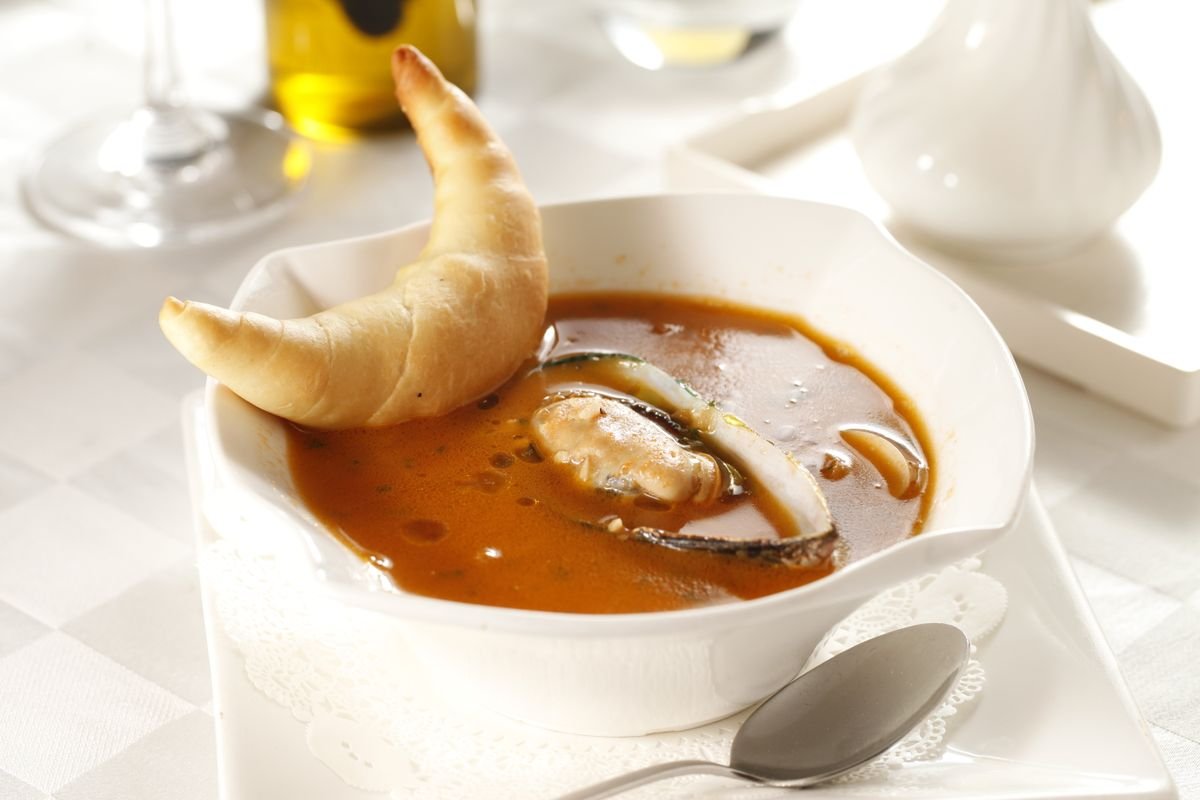
Bourdeto is the fiery fish stew of Corfu, where scorpion fish or any firm white fish simmers in a rich sauce of tomato, sweet paprika and olive oil. The sauce turns a deep, warm red, and the fish soaks it up until every bite is bold, peppery and full of the sea. Serve it with crusty bread and a simple salad, and you have the dish Corfiot fishermen have eaten for generations.
The story behind Bourdeto
Bourdeto comes from Corfu, the green island in the Ionian Sea, where fishermen have cooked their catch in paprika and tomato for generations. The dish takes its name from the Venetian word brodeto, meaning broth, a reminder of the centuries when Venice ruled the island and left its mark on the kitchen. The classic fish is scorpion fish, a spiny, ugly creature with sweet flesh that was once too cheap to sell — the fishermen kept it for themselves, and cooked it in the boldest sauce they knew.
On Corfu, bourdeto is the taste of the harbour. Tavernas near the water serve it in deep bowls with bread and a glass of local white wine, and the sauce is the point as much as the fish — it is mopped up with bread until the bowl is clean. Families cook it on Sundays, when the fishmonger has the best catch, and the kitchen fills with the smell of paprika, garlic and tomato. It is a dish that asks for company, a big table and plenty of bread.
What makes bourdeto special is the sauce. Sweet paprika gives it colour and warmth, hot paprika gives it a gentle fire, and the tomatoes cook down into something rich and slightly sweet. The fish does not need to be fancy — it just needs to be fresh and firm enough to hold its shape while it simmers in the sauce. Olive oil ties it all together, carrying the paprika and softening the acidity of the tomato into a sauce that coats the fish like velvet.
Cook bourdeto when you want a fish dish with real character, something bolder than a plain grilled fillet. It is a fine warming dinner for a cool evening in Australia, made in one pot and served in the middle of the table with bread and a simple salad. It suits a seaside holiday, a weekend lunch with friends, or any night when you want the flavours of a Greek island in your own kitchen. Buy the freshest fish you can find, be generous with the paprika, and let the sauce do the talking.
- Prep time
- 20 mins
- Cook time
- 35 mins
- Total time
- 55 mins
- Servings
- 4 servings
- Calories
- 420
Ingredients
- 800 g firm white fish fillets, cut into large pieces
- 1 cup onions, finely chopped
- 3 garlic cloves, finely sliced
- 400 g ripe tomatoes, grated or finely chopped
- 2 tablespoons sweet paprika
- 1 teaspoon hot paprika or chilli flakes
- 1/2 cup olive oil
- 1/2 cup water or light fish stock
- 1 tablespoon tomato paste
- 1 teaspoon salt
- 1/2 teaspoon black pepper
- 1 bay leaf
- 2 tablespoons fresh parsley, chopped
- 1 lemon, cut into wedges, to serve
Instructions
- Rinse the fish pieces under cold water and pat them dry with kitchen paper, then season them lightly with half the salt and the black pepper. Dry fish browns better and holds together in the sauce, so take a moment to blot each piece well. Set the fish aside on a plate while you start the sauce.
- Pour the olive oil into a wide, heavy pot or deep frying pan over medium heat and add the onions. Cook for 6 to 7 minutes, stirring often, until the onions turn soft, sweet and translucent, with just a hint of gold at the edges. The onion base gives the sauce its sweetness, so do not rush this step or leave the onions raw and sharp.
- Add the garlic and cook for 1 minute until it smells fragrant, then stir in the sweet paprika and hot paprika. Cook the spices for 30 seconds, stirring all the time, until they darken slightly and the oil turns a deep red. Paprika burns quickly, so keep the pan moving and do not let it sit still on the heat.
- Add the grated tomatoes, tomato paste, bay leaf and the remaining salt, then pour in the water or fish stock. Stir well, scraping the bottom of the pan to lift up any browned bits. Bring the sauce to a gentle simmer and cook for 12 to 15 minutes, uncovered, until it thickens, darkens and the oil starts to glisten on the surface. Taste and adjust the salt.
- Lay the fish pieces gently into the sauce in a single layer, spooning a little sauce over the top of each piece. Turn the heat down to low and cover the pot with a lid. The fish will cook in the steam and the sauce, so there is no need to turn the pieces — in fact, turning them risks breaking the flesh.
- Simmer very gently for 12 to 15 minutes, until the fish is opaque all the way through and flakes easily when you press it with a fork. You will see the sauce bubbling softly around the edges and the fish turning a rich, paprika red. Lift the lid once halfway through to check the sauce is not sticking, but otherwise leave the pot alone.
- Take the pot off the heat and rest the bourdeto for 5 minutes with the lid on. This short rest lets the fish relax into the sauce and the flavours come together. Fish out the bay leaf and taste the sauce once more, adding a squeeze of lemon if it needs brightness or a pinch more salt if it tastes flat.
- Serve the bourdeto in deep bowls, spooning plenty of the red sauce over each piece of fish. Scatter the chopped parsley over the top and set out lemon wedges and crusty bread on the table. Eat it hot, with the bread for mopping up the sauce, and enjoy the bold, peppery warmth of it.
Pro tips
- Bloom the paprika in the oil for just 30 seconds, stirring all the time. This short step releases the colour and flavour of the spice into the oil, which is what gives bourdeto its deep red sauce. Keep the tomatoes ready to add at once, because paprika burns fast and turns bitter if it sits in a hot pan.
- Choose a firm white fish that can hold its shape in the sauce. Snapper, sea bass, cod, monkfish and red mullet all work well, while delicate fish like sole or flounder fall apart. Ask your fishmonger for the freshest firm fish of the day and cut it into large pieces so it cooks evenly.
- Cook the tomato sauce until it thickens before the fish goes in. Twelve to 15 minutes of gentle simmering lets the tomatoes lose their raw edge and the oil separate slightly on the surface, which tells you the sauce is ready. A thin, watery sauce will never coat the fish properly.
- Do not turn the fish while it cooks. The pieces are delicate once they start to simmer, and turning them risks breaking the flesh into flakes. Lay them in a single layer, spoon sauce over the top, put the lid on and let the gentle heat do the work.
- Let the bourdeto rest for 5 minutes before serving. The fish relaxes into the sauce, the flavours come together and the sauce thickens slightly as it cools. A short rest turns a good stew into a great one, and the dish stays hot while you set out the bread and lemon.
Variations & serving ideas
For a richer bourdeto, add a handful of prawns in the last 5 minutes of cooking, or a few mussels in the last 8 minutes. The shellfish add sweetness to the sauce and turn the stew into a proper feast. You can also stir in a spoonful of capers or a few sliced green olives at the end, which add a salty, briny note that suits the paprika well.
You can adjust the heat to suit your table. For a milder stew, use sweet paprika only and leave out the chilli flakes. For a hotter pot, add a pinch of hot paprika or a finely chopped fresh chilli with the garlic. A splash of white wine stirred in with the tomatoes lifts the sauce, and a pinch of sugar balances the acidity if your tomatoes are sharp.
Serve bourdeto in deep bowls with plenty of crusty bread for mopping up the sauce, and a simple salad of tomato, cucumber and red onion on the side. In Australia, it makes a fine warming dinner on a cool evening — set the pot in the middle of the table with bread, lemon wedges and a bottle of white wine, and let everyone help themselves.
Pair bourdeto with a crisp white wine, a cold beer or a glass of sparkling water with lemon. The sauce is rich enough to follow a light starter like grilled octopus or a Greek salad, and the leftovers make a wonderful base for a seafood pasta or a fish sandwich the next day. Keep the bread coming — the sauce is too good to leave in the bowl.
Getting it right
The key technique is blooming the paprika. Paprika needs a minute in hot oil to release its colour and flavour, but it burns in seconds if you leave it still. Add it to the softened onions and garlic, stir constantly for 30 seconds, and have the tomatoes ready to go in at once. The tomatoes stop the cooking and carry the paprika into the sauce, which is why this dish turns such a deep, even red.
Heat control during the simmer is the second skill. The fish should cook gently in the sauce, with the pot barely bubbling, so the flesh stays whole and the sauce thickens slowly. A hard boil breaks the fish apart and makes the sauce thin and harsh. Keep the lid on, the heat low, and resist the urge to stir — spoon sauce over the fish instead of turning the pieces.
The most common mistakes are using fish that is too delicate, adding the paprika to a dry pan and overcooking the fish. Delicate fish like sole falls apart in a stew, so choose a firm fish that can hold its shape. Paprika in a dry, overheated pan turns bitter in seconds, so always add it to oil with the onions and keep it moving. And fish needs only 12 to 15 minutes in the sauce — any longer and it dries out and sheds flakes into the pot.
Storing & reheating
Bourdeto keeps in the fridge for up to 2 days in a sealed container, with the fish stored in the sauce so it stays moist. The sauce actually tastes better the next day, once the paprika and tomato have settled together. For longer storage, freeze the sauce on its own for up to a month and cook fresh fish in it when you are ready to eat.
To reheat, warm the bourdeto gently over low heat until it just simmers, spooning the sauce over the fish as it warms. Never boil it hard, or the fish will fall apart and dry out. Add the fresh parsley and lemon only after reheating, so they stay bright and fresh.
Frequently asked questions
What fish should I use for bourdeto?
Scorpion fish is the classic choice on Corfu, but it is hard to find elsewhere. Any firm white fish works well — snapper, sea bass, cod, monkfish or red mullet all hold their shape in the sauce. Avoid delicate fish like sole, which falls apart in the stew.
Is bourdeto very spicy?
It is meant to be gently spicy, with a warm heat from the paprika and a little bite from the chilli. If you prefer it milder, use sweet paprika only and leave out the chilli flakes. For a hotter pot, add a pinch more chilli or a spoonful of hot paprika.
Can I make bourdeto ahead of time?
Yes, bourdeto keeps well in the fridge for 2 days, and the sauce actually improves overnight as the flavours settle. Keep the fish in the sauce so it stays moist, and reheat it gently over low heat. Add the fresh parsley only when you serve it.
Why is my bourdeto too watery?
A stew that is too watery usually means the tomatoes were very juicy or the lid stayed on too long. Cook the sauce uncovered for the last 10 minutes so the excess liquid evaporates, and use a little less water next time. The sauce should be thick enough to coat the fish.
Can I add prawns or mussels?
Yes, and it is a good way to make the dish go further. Add prawns in the last 5 minutes of cooking, and mussels in the last 8 minutes, discarding any that do not open. The shellfish add sweetness to the sauce and turn the stew into a proper feast.
Is bourdeto gluten free?
Traditional bourdeto is made with fish, tomato and olive oil, so it is naturally gluten free. Just serve it with gluten-free bread or rice instead of crusty wheat bread, and check that any stock you use is gluten free too.