Eliopita Recipe
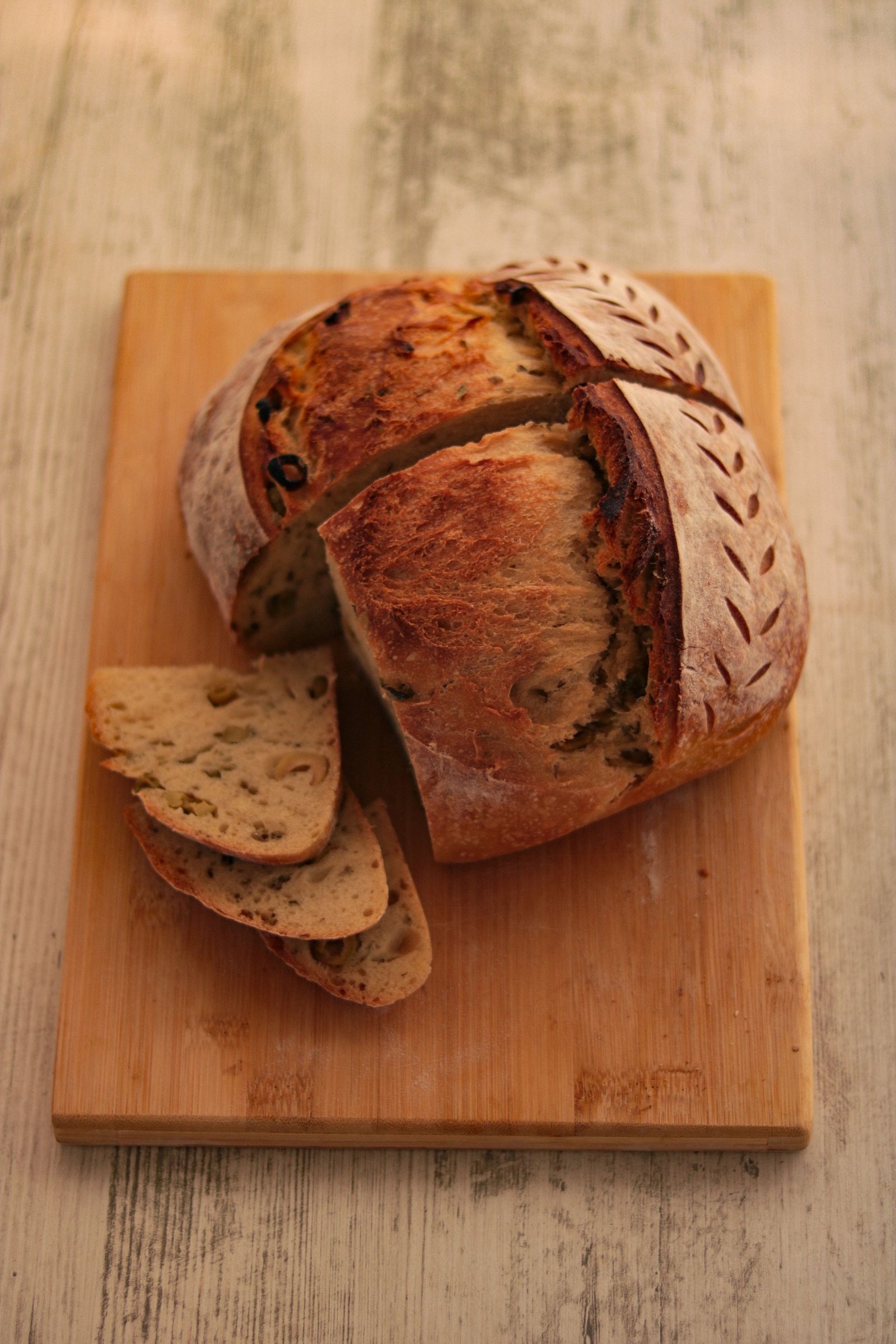
Eliopita is Cyprus's beloved olive pie: a soft, golden loaf of dough made with orange juice and olive oil, packed with chopped black olives, onion, and fresh mint. Every slice is salty, herby, and faintly sweet from the orange, with a crisp sesame top. It is the kind of baking that fills the kitchen with a warm, olive-oil smell and disappears fast.
The story behind Eliopita
Eliopita comes from Cyprus, where olive trees have grown in the hills and coastal villages for thousands of years. The name means olive pie, and the dish is a savoury loaf or rolled pie made from a soft dough, traditionally mixed with fresh orange juice instead of water, and filled with chopped black olives, onion, and herbs. It is everyday baking on the island: made for breakfast, for coffee, for picnics, and for the fasting days of Lent, when a pie with no dairy or egg fits the rules.
In Cypriot kitchens, eliopita is made in several shapes. Some bakers press the dough into a round pan like a pie, others roll it into a long log and coil it into a tin, and some make small individual rolls. The filling stays much the same: black olives, spring onions or regular onion, fresh mint, and sometimes coriander. Sesame seeds go on top, and the loaf bakes until it is golden and crisp at the edges. It is eaten warm or at room temperature, often with a cup of Cypriot coffee.
What makes eliopita special is the dough. The orange juice gives it a faint sweetness and a soft, tender crumb, while the olive oil keeps it rich and moist. Against that gentle sweetness, the salty olives and fresh mint stand out in every bite. It is not a bread and not quite a pie, but something in between, and a slice with coffee is one of the simplest pleasures in Cypriot cooking. The sesame seeds on top toast as the loaf bakes, adding a nutty crunch that plays against the soft crumb, and the orange in the dough keeps the loaf moist for a day or two after baking.
Bake eliopita when you want the house to smell like a bakery and you want something to share. It suits a weekend morning, a potluck, or a lunchbox. Make it for a family meal in Canada on a Saturday, cut it into thick squares while it is still warm, and put it on the table with cheese, tomatoes, and coffee. It keeps well, travels well, and rarely lasts the day.
- Prep time
- 30 mins
- Cook time
- 40 mins
- Total time
- 1 hr 10 mins
- Servings
- 4 servings
- Calories
- 460
Ingredients
- 400 g all-purpose flour, plus extra for dusting
- 2 teaspoons baking powder
- 1/2 teaspoon fine sea salt
- 120 ml olive oil, plus extra for brushing
- 180 ml fresh orange juice
- 1 1/2 cups pitted black olives, chopped (about 200 g)
- 1 small onion, finely chopped
- 3 spring onions, thinly sliced
- 1/4 cup fresh mint leaves, chopped
- 2 tablespoons fresh coriander, chopped (optional)
- 1 teaspoon dried oregano
- 1 tablespoon sesame seeds, for sprinkling
- 1 tablespoon black sesame seeds, for sprinkling (optional)
Instructions
- Heat the oven to 180°C (350°F) and brush a 23 cm round cake tin or a loaf tin generously with olive oil. Line the base with a circle of baking paper if you are using a cake tin, so the loaf lifts out cleanly. Set the tin aside while you make the dough.
- Tip the flour, baking powder, and salt into a large bowl and stir them together. Pour in the olive oil and the orange juice, then stir with a wooden spoon until a soft, slightly sticky dough comes together. It will look shaggy at first, then smooth out as you stir. Do not overwork it; a few gentle turns are enough.
- Turn the dough onto a lightly floured counter and knead it gently for 2 to 3 minutes, just until it feels smooth and soft. It should be supple and a little tacky, not stiff. If it sticks to your hands, dust them with flour rather than adding more flour to the dough, which would make the loaf heavy.
- Put the olives, onion, spring onions, mint, coriander if using, and oregano in a bowl and mix them together. Taste a little of the mixture. The olives should be salty and the herbs fresh. If your olives are very salty, rinse them briefly and pat them dry before chopping.
- Roll the dough out on a floured counter into a rectangle about 30 cm by 25 cm. Spread the olive mixture evenly over the surface, leaving a 2 cm border along one long edge. Drizzle a little olive oil over the filling and press it down gently with your hands so it sticks to the dough.
- Roll the dough up from the long edge, tucking it snugly as you go, like a Swiss roll. Pinch the seam closed and tuck the ends under. Place the roll seam-side down in the prepared tin, curving it into a coil if you are using a round tin. Brush the top generously with olive oil.
- Sprinkle the sesame seeds over the top and press them down lightly so they stick. Let the loaf rest for 15 to 20 minutes while the oven finishes heating. The dough will relax and puff up slightly, which helps it bake evenly and keeps the crumb soft.
- Bake for 35 to 40 minutes, until the top is deep golden brown and the loaf sounds hollow when you tap it. The kitchen should smell of warm olives and orange. If the top is browning too fast after 25 minutes, lay a loose sheet of foil over it.
- Let the eliopita cool in the tin for 10 minutes, then lift it out onto a wire rack. Slice it thickly with a serrated knife while it is still warm, and serve it with coffee, tea, or a glass of wine. It is also good at room temperature, cut into squares for a picnic or lunchbox.
Pro tips
- Use fresh orange juice, not juice from a carton. Fresh juice gives a brighter flavour and a softer crumb, while carton juice can taste flat and make the dough heavy.
- Do not over-knead the dough. This is a baking-powder dough, not a yeasted bread, so a few gentle minutes is enough. Overworking it makes the loaf tough instead of tender.
- Rinse very salty olives before chopping them. Black Cyprus olives and Kalamata olives vary a lot in saltiness, and a quick rinse keeps the filling balanced instead of overpowering. Kalamata olives are widely available in Canada and work very well; just check the label, since some are packed in brine and some in oil, and drain them well either way.
- Brush the top generously with olive oil before baking. It helps the crust turn golden and crisp, and it keeps the sesame seeds stuck to the loaf.
- Let the loaf rest for 10 minutes before slicing. A hot loaf is soft inside and will squash under the knife, while a short rest lets the crumb set so the slices hold their shape.
Variations & serving ideas
The filling is easy to change. Sun-dried tomatoes, chopped and stirred in with the olives, add sweetness and a deeper colour. A handful of crumbled feta or grated halloumi turns the loaf richer, though it is no longer a fasting dish. Chopped walnuts add crunch, and a pinch of chilli flakes gives the filling a gentle warmth that suits the olives well. A spoonful of chopped sun-dried tomatoes stirred into the olive mixture adds sweetness and a deeper red colour, and a pinch of dried chilli gives the filling a gentle warmth without overpowering the mint. A handful of chopped walnuts adds crunch and a mild bitterness that suits the salty olives, while a pinch of chilli flakes gives the filling a gentle warmth without overpowering the mint.
The shape can change too. Instead of one large roll, divide the dough into four pieces and make small individual rolls, which bake in about 25 minutes. Or press the dough into a round tin like a pie, spread the filling on top, and fold the edges over. Small rolls are handy for lunchboxes, and a whole round loaf looks handsome on a table. Small rolls are handy for lunchboxes and bake in about 25 minutes, while a whole round loaf looks handsome on a table and slices into generous wedges.
For a dairy-free version, which is how eliopita is often made during Lent, keep the recipe as written, since it has no butter, milk, or egg. For a richer loaf, brush the top with a beaten egg instead of olive oil before baking, which gives a shinier, deeper golden crust. A beaten egg brushed on top gives a shinier, deeper golden crust.
Serve eliopita warm with Cypriot coffee or tea, or at room temperature with cheese, tomatoes, and olives as part of a meze spread. It pairs well with halloumi, a simple salad, or a glass of white wine. Cut into squares, it travels well for picnics, and it is a welcome addition to a potluck table. Cut into squares, it travels well for picnics, and a slice tucked into a lunchbox with fruit and cheese makes a complete, easy lunch.
Getting it right
The dough is the heart of eliopita, and it is a baking-powder dough, which means it is quick and forgiving. The key is not to overwork it. Stir until the dough just comes together, knead gently for 2 to 3 minutes, and stop as soon as it feels smooth. Over-kneading develops the gluten and turns a tender loaf tough. The dough should feel soft and a little tacky, like a relaxed earlobe, not firm like bread dough. Stop as soon as it feels smooth, since over-kneading turns a tender loaf tough.
Rolling the filling in evenly matters. Spread the olive mixture right to the edges, leaving only a small border, and press it down so it sticks. If the filling is loose, it falls out when you slice the loaf. Roll the dough snugly, not loosely, and pinch the seam firmly so the roll holds its shape in the oven. A loose roll uncurls and the filling spills. If the dough tears while you roll it, pinch the tear closed with damp fingers and carry on; a small patch disappears in the oven and nobody will know it was there.
The most common mistake is underbaking. The loaf should be deep gold on top and sound hollow when tapped. If the top colours too fast, tent it with foil and keep baking, since the middle needs the full time to cook through. A pale, underbaked eliopita is doughy inside, while a properly baked one has a crisp top and a soft, even crumb.
Storing & reheating
Eliopita keeps at room temperature for 2 days, wrapped in a clean cloth or beeswax wrap, and in the fridge for up to 5 days in a sealed container. The crust softens over time, but a few minutes in a warm oven brings back the crispness. A few minutes in a warm oven brings back the crispness the crust loses overnight.
To reheat, warm slices in a 160°C (325°F) oven for 8 to 10 minutes until the crust crisps and the filling is hot. For longer storage, freeze the cooled loaf whole or in slices for up to 2 months. Thaw at room temperature for an hour, then warm in the oven. Avoid the microwave, which makes the crumb rubbery.
Frequently asked questions
What olives should I use for eliopita?
Black Cyprus olives are traditional, but Kalamata olives are the easiest to find in Canada and work very well. Use pitted olives, chop them roughly, and taste them first. If they are very salty, rinse them briefly and pat them dry before adding them to the filling.
Can I make eliopita without orange juice?
You can use water instead, but the orange juice is part of what makes the dough tender and faintly sweet. If you have no oranges, use water with a tablespoon of lemon juice. The loaf will still be good, though a little less fragrant.
Is eliopita suitable for Lent or vegan diets?
Yes, as written this recipe has no dairy or egg, which is how eliopita is traditionally made during Lent in Cyprus. The dough uses olive oil and orange juice, and the filling is olives, onion, and herbs. Just skip the optional cheese in the variations.
Can I make eliopita ahead of time?
Yes. Bake it the day before and keep it wrapped at room temperature, or refrigerate it for up to 5 days. Reheat slices in a 160°C oven for 8 to 10 minutes to crisp the crust. It is also good served at room temperature, so it suits picnics and potlucks.
Why is my eliopita doughy in the middle?
The loaf was likely underbaked or the oven was too hot, so the top browned before the middle cooked. Bake for the full 35 to 40 minutes, tent the top with foil if it colours too fast, and check that the loaf sounds hollow when tapped before taking it out.
Can I freeze eliopita?
Yes, it freezes well for up to 2 months. Let the loaf cool fully, then freeze it whole or in slices wrapped tightly. Thaw at room temperature for about an hour, then warm in a 160°C oven for 8 to 10 minutes until the crust crisps again.