Fakes Soupa Recipe
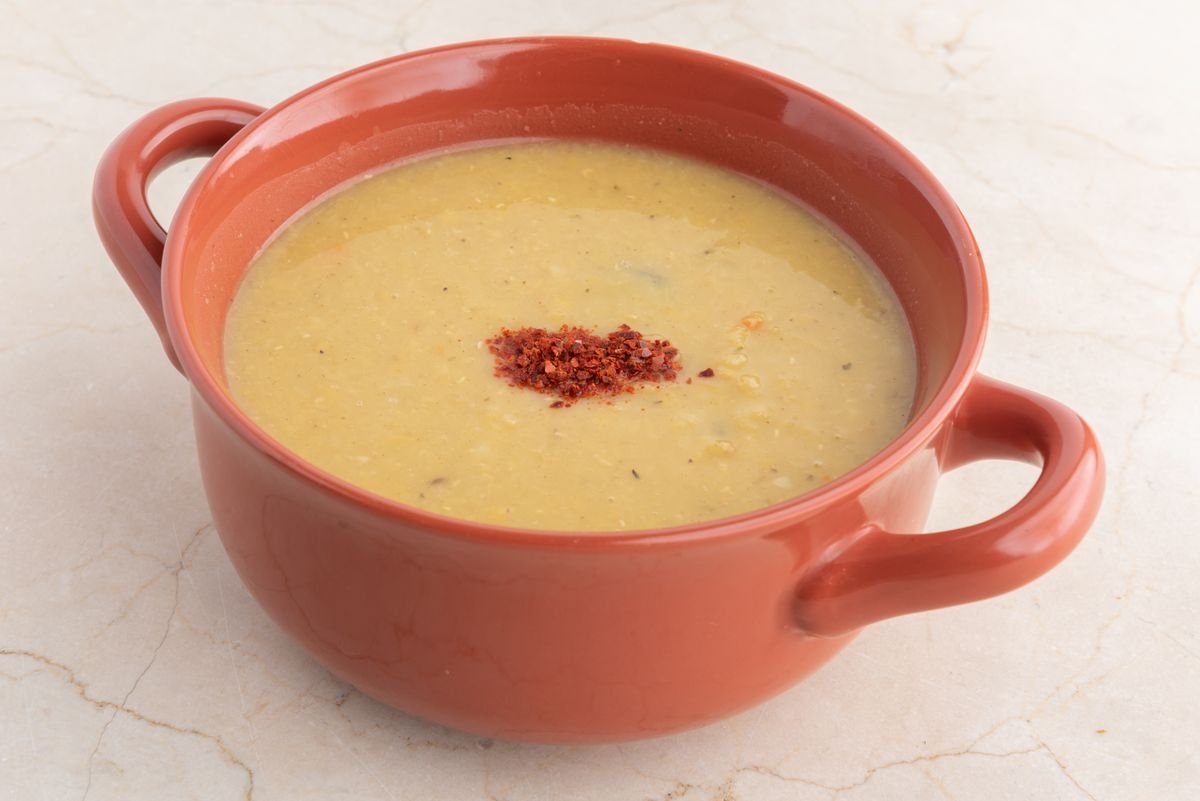
Fakes Soupa is the lentil soup that every Greek family knows by heart. Brown lentils simmer with onion, carrot, tomato and bay until soft and earthy, then the soup is finished with a generous pour of olive oil, a crumble of feta and a squeeze of lemon. It is simple, hearty and deeply comforting, the kind of meal that costs little and gives a lot.
The story behind Fakes Soupa
Lentils are one of the oldest foods in the Mediterranean, grown in Greece since ancient times, and fakes has been a staple of the Greek table for thousands of years. It was the food of farmers and fishermen, cheap, filling and easy to store, and it appears in the writings of ancient Greek authors as an everyday dish. The recipe has barely changed: lentils, water, onion, olive oil and bay. It was the food of farmers and fishermen, cheap, filling and easy to store, and it appears in the writings of ancient Greek authors as an everyday dish.
In modern Greece, fakes is the classic food of Lent, the fasting period before Easter when meat and dairy are avoided. Families cook it on Wednesdays and Fridays through Lent, and it is served with bread, olives and a glass of wine. It is also the dish Greek mothers make when someone is ill or tired, because it is gentle, nourishing and easy to digest. Families cook it on Wednesdays and Fridays through Lent, and it is served with bread, olives and a glass of wine, while the fasting rules keep meat off the table.
What makes it special is its honesty. There is nothing fancy in the pot, just lentils and vegetables cooked slowly until they turn soft and the broth turns thick and earthy. The olive oil at the end is not a garnish but an ingredient: a good pour of extra virgin oil gives the soup a fruity richness that transforms it. The lemon and feta add brightness and salt. The olive oil at the end is not a garnish but an ingredient, because a good pour of extra virgin oil gives the soup a fruity richness that transforms it completely.
Cook it when you want a simple, nourishing meal that asks little of you. It suits a cold evening, a light lunch, or a weeknight when the fridge is nearly empty. Serve it with crusty bread, a few olives and a wedge of lemon, and eat it slowly. Serve it with crusty bread, a few olives and a wedge of lemon, and eat it slowly, because this is a soup that rewards a little patience.
- Prep time
- 15 mins
- Cook time
- 45 mins
- Total time
- 60 mins
- Servings
- 4 servings
- Calories
- 340
Ingredients
- 300 g brown lentils, rinsed and picked over
- 1 large onion, finely chopped
- 2 medium carrots, diced small
- 2 celery sticks, diced small
- 3 garlic cloves, thinly sliced
- 2 tablespoons tomato paste
- 1 bay leaf
- 1 teaspoon dried oregano
- 60 ml extra virgin olive oil, plus extra to serve
- 1.2 litres water or vegetable stock
- 1 tablespoon red wine vinegar
- Salt and black pepper, to taste
- 100 g feta cheese, crumbled, to serve
- 1 lemon, cut into wedges, to serve
Instructions
- Rinse the lentils in a sieve under cold water and pick out any small stones or shrivelled grains. Put them in a large pot, cover with cold water, and bring to a boil. Cook for 5 minutes, then drain and discard the water. This first boil removes the foam and any bitterness.
- Warm the olive oil in the same pot over medium heat and cook the onion, carrot and celery for 7 to 8 minutes, stirring often, until the onion turns soft and pale gold and the vegetables smell sweet. Do not let them brown.
- Add the garlic and tomato paste and cook for 2 minutes, stirring constantly, until the paste turns a shade darker and smells rich and sweet. This short fry takes the raw edge off the paste and deepens the flavour of the soup.
- Return the lentils to the pot and add the bay leaf, oregano and 1.2 litres of water or stock. Bring to a gentle boil, then turn the heat down to low and simmer, half-covered, for 35 to 40 minutes, until the lentils are soft and starting to break down.
- Stir the soup now and then and skim off any foam that rises to the surface. If the soup looks too thick, add a splash of hot water. The finished soup should be thick enough to coat a spoon but still loose enough to pour.
- Remove the bay leaf and stir in the red wine vinegar. Taste and season with salt and pepper, remembering the feta will add salt at the table. The vinegar should brighten the soup without making it sour, so add it a little at a time.
- Stir the soup well and check the thickness, adding a splash of hot water if it has become too thick to pour easily, then taste and adjust the vinegar and salt. The soup should be thick enough to coat a spoon but still loose enough to pour from the ladle.
- Let the soup sit off the heat for five minutes before ladling, so the lentils finish softening and the flavours come together in the pot. This short rest also lets the temperature even out, so the first bowl is not too hot to eat.
- Ladle the soup into warm bowls and finish each one with a generous drizzle of extra virgin olive oil and a crumble of feta. Serve with lemon wedges and crusty bread, and let everyone add as much oil, feta and lemon as they like.
Pro tips
- Rinse and pick over the lentils before cooking. A small stone in a bowl of soup is an unpleasant surprise, and a quick rinse also washes away dust and any shrivelled grains that would stay hard. before you start cooking.
- Do not salt the lentils until they are soft. Salt added early can toughen the skins and slow the cooking, so season at the end when the lentils have broken down and the soup is nearly done. so season at the end.
- Use a good olive oil for the finish. The oil stirred in at the end is a flavour, not a garnish, so a fruity, peppery extra virgin oil makes a real difference to the finished soup. for the finished soup.
- Skim the foam as the soup simmers. The foam is harmless but it can make the broth cloudy and give it a slightly bitter taste, so a quick skim every 10 minutes keeps the soup clear and clean. and keep it clean.
- Let the soup rest for 10 minutes off the heat before serving. The lentils continue to soften and the flavours settle, so the first spoonful tastes rounder and more balanced than straight from the pot. for a rounder flavour.
Variations & serving ideas
For a richer soup, add a diced potato with the carrots. It breaks down as the soup cooks and thickens the broth, giving a creamier texture without any cream. A parsnip works the same way and adds a gentle sweetness. Add a diced potato with the carrots, because it breaks down as the soup cooks and thickens the broth, giving a creamier texture without any cream at all.
Swap the brown lentils for green lentils if you like; they hold their shape a little better and give a firmer bite. Red lentils cook much faster and break down completely, so the soup turns smooth and thick, more like a puree. Adjust the cooking time to 20 minutes for red lentils. Swap the brown lentils for green lentils if you like, because they hold their shape a little better and give a firmer bite, while red lentils break down into a smooth, thick soup.
Add a handful of spinach or chopped kale in the last 5 minutes for extra greens. They wilt quickly into the hot soup and add colour and iron. A pinch of chilli flakes gives a gentle warmth if you like a little heat in your soup. Add a handful of spinach or chopped kale in the last five minutes for extra greens, because they wilt quickly into the hot soup and add colour and iron.
Serve it with crusty bread for dipping, a few Kalamata olives, and a simple salad of tomato and cucumber. A glass of red wine suits it, and the soup is filling enough to be a meal on its own. Leftovers taste even better the next day. Serve it with crusty bread for dipping, a few Kalamata olives, and a simple salad of tomato and cucumber, and a glass of red wine suits it well. Leftovers taste even better the next day, so make a full pot. A second helping is always welcome, and the pot rarely lasts until the next day in a hungry house, so consider doubling the recipe when friends are coming for lunch, with extra bread for dipping and olives on the side.
Getting it right
The key technique is the first boil and drain. Lentils release foam and a slightly bitter taste in their first few minutes of cooking, and boiling them briefly, then discarding the water, gives a cleaner, sweeter soup. It takes only 5 extra minutes and it is worth it every time. It takes only five extra minutes and it is worth it every time, because the first boil gives a cleaner, sweeter soup with no bitterness at all, without fail.
Heat and timing matter during the long simmer. The soup should bubble gently, half-covered, for 35 to 40 minutes. Too hot and the lentils break down too fast and turn mushy; too cool and they stay firm in the middle. Check at 30 minutes and taste a lentil: it should be soft all the way through with no chalky centre. Check at thirty minutes and taste a lentil, because it should be soft all the way through with no chalky centre, and a gentle bubble is the right heat.
The common mistake is adding salt too early. Salt toughens lentil skins and slows cooking, so the soup takes longer and the lentils stay firm. Season at the end, after the lentils are soft, and taste as you go. If the soup tastes flat, it usually needs more vinegar or lemon, not more salt. If the soup tastes flat, it usually needs more vinegar or lemon, not more salt, so add acid a little at a time and taste as you go.
Storing & reheating
Fakes keeps beautifully in the fridge for up to 5 days in a sealed container, and the flavour improves as it sits. The soup will thicken as it cools, so reheat it gently on the stove with a splash of water, stirring until it loosens to the texture you like. Reheat it gently on the stove with a splash of water, stirring until it loosens to the texture you like, because the soup thickens as it cools.
You can freeze the soup for up to 3 months in portions. Thaw overnight in the fridge and reheat slowly, adding water as needed. Add the fresh olive oil, feta and lemon only when serving, as they do not survive freezing well. The soup itself freezes perfectly. Thaw overnight in the fridge and reheat slowly, adding water as needed, and add the fresh olive oil, feta and lemon only when serving.
Frequently asked questions
Which lentils are best for fakes?
Brown lentils are the traditional choice, as they hold their shape while turning soft and creamy. Green lentils work well too. Red lentils cook faster and break down into a smooth, thick soup. Green lentils work well too, with a firmer bite.
Why do I boil the lentils twice?
The first short boil removes foam and a slightly bitter taste, giving a cleaner soup. It also washes away dust. Drain and discard the first water, then cook the lentils in fresh water or stock. It also washes away dust from the lentils.
Is fakes soup vegan?
The soup itself is vegan if you use water or vegetable stock and skip the feta. It is traditionally served with feta, but the soup is just as good without it, finished with olive oil and lemon. The soup is just as good without the feta.
Can I make fakes in advance?
Yes, and it tastes better the next day. Cook it fully, cool it, and keep it in the fridge for up to 5 days. Reheat gently with a splash of water and add fresh olive oil and feta when serving. Reheat gently with a splash of water before serving.
What do I serve with lentil soup?
Crusty bread is essential for dipping, along with olives and lemon wedges. A simple salad of tomato, cucumber and onion makes a good side, and the soup is filling enough to be a meal on its own. The soup is filling enough to be a meal alone.
Why is my lentil soup bland?
It usually needs acid, not salt. Add a splash of red wine vinegar or a squeeze of lemon, and finish with a good pour of olive oil. The feta at the table adds salt and tang that lift the whole bowl. Finish with olive oil and lemon at the table.