Velouté de Potiron Recipe
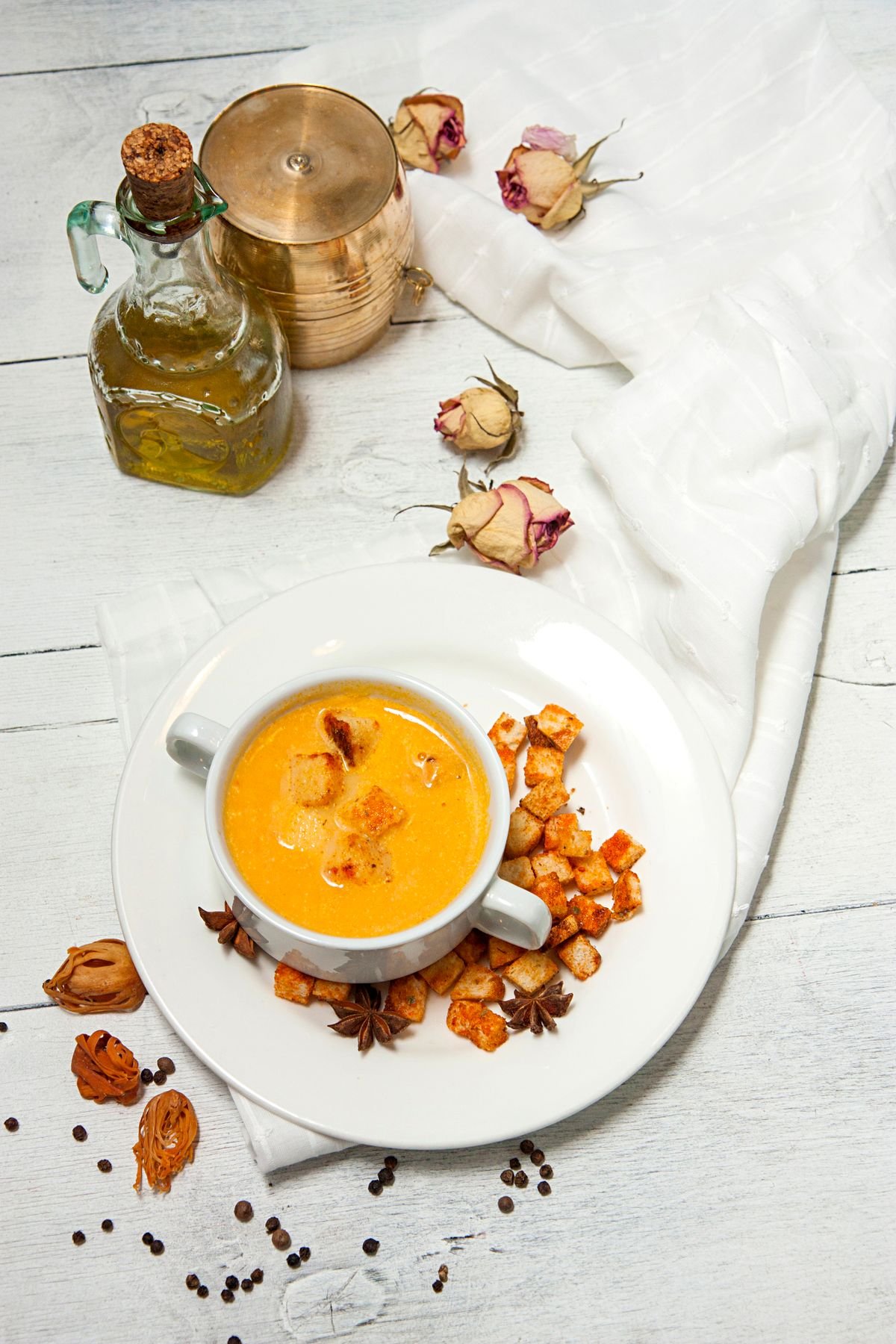
Velouté de potiron is the silkiest pumpkin soup you will ever make: roasted pumpkin blended with butter, stock and cream until it pours like velvet, with a whisper of nutmeg and a swirl of cream on top. It is gentle, golden and deeply comforting. Make it on a cold evening and serve it with good bread. It is a gentle soup that even picky eaters tend to love, thanks to its smooth texture and mild, buttery flavour.
The story behind Velouté de Potiron
Velouté de potiron is one of the great soups of French home cooking. The word velouté means velvety, and the soup earns its name: pumpkin, butter, stock and cream blended until the texture is as smooth as silk. It is a dish of the autumn, when pumpkins are ripe and the evenings turn cold, and it has been made in French farmhouse kitchens for generations. The recipe is simple, but the result tastes like care and patience.
In France, pumpkin soup is the food of October and November, when the harvest comes in and the first frosts arrive. Families roast the pumpkin, simmer it with leeks and butter, and serve it in deep bowls with crusty bread. The soup appears on the table at lunch and at dinner, and it is one of the first things French children learn to cook, because the method is forgiving and the result is always good. It is a soup that tastes of home.
What makes this soup special is its texture and its gentle flavour. Roasting the pumpkin first gives it a sweet, caramelised depth that boiling alone cannot match, and blending it with butter and cream turns it into something that pours like velvet. The nutmeg sits quietly in the background, warming the flavour without taking it over. A good velouté should coat the spoon and slide off it slowly, leaving a golden trail behind.
This is a soup for a cold evening, and it suits a Canadian autumn beautifully. In Canada it works as a cosy dinner after a day in the cold, served with crusty bread and a glass of wine, or as a warming lunch on a weekend. Pumpkins are plentiful in Canadian autumn markets, so the soup is easy to make from local produce. Make a big pot, eat it hot, and let the golden colour and gentle sweetness warm the whole table.
- Prep time
- 15 mins
- Cook time
- 30 mins
- Total time
- 45 mins
- Servings
- 4 servings
- Calories
- 280
Ingredients
- 1 kg sugar pumpkin, peeled and cubed
- 2 tablespoons olive oil
- 30 g unsalted butter
- 1 onion, diced
- 1 leek, white part only, sliced
- 2 garlic cloves, sliced
- 750 ml chicken or vegetable stock
- 1 teaspoon ground nutmeg
- 1 bay leaf
- 100 ml double cream, plus extra to serve
- 1 teaspoon fine sea salt
- 1 teaspoon black pepper
- 2 tablespoons toasted pumpkin seeds, to serve
- 1 tablespoon chopped fresh chives, to serve
Instructions
- Heat the oven to 200°C and line a baking tray with baking paper. Toss the cubed pumpkin with the olive oil and a pinch of salt, then spread it in a single layer on the tray. The cubes should not overlap, or they will steam instead of roasting. Roast for 25 minutes, until the pumpkin is soft all the way through and the edges are golden and caramelised.
- While the pumpkin roasts, melt the butter in a large pot over medium heat until it foams. Add the diced onion and sliced leek, and cook for eight minutes, stirring often, until they soften and smell sweet. The onion should turn translucent and the leek should look glossy. Do not let them brown, or the soup will taste bitter.
- Stir in the sliced garlic and cook for one more minute, until it smells fragrant. Add the nutmeg and stir for 30 seconds, so the spice blooms in the butter and fills the kitchen with its warm smell. Pour in the stock and add the bay leaf, then bring the pot to a gentle simmer over medium heat.
- Tip the roasted pumpkin into the pot, scraping in any caramelised bits from the tray, because they carry a lot of flavour. The pumpkin should be soft enough to break apart with a spoon. Simmer the soup for ten minutes, so the flavours come together and the pumpkin softens even further. The pot will smell sweet, buttery and warm.
- Fish out the bay leaf and throw it away. Blend the soup until completely smooth, using a stick blender right in the pot, or working in batches in a jug blender. Blend for a full two minutes, until the soup looks glossy and pours like velvet. If it seems too thick, add a ladle of hot stock and blend again. The texture should coat a spoon but still pour easily.
- Stir in the double cream and warm the soup through over low heat for two minutes. Do not let it boil after adding the cream, or the cream can split. Taste the soup and adjust the salt, pepper and nutmeg. The flavour should be gently sweet and buttery, with the nutmeg in the background, not shouting over the pumpkin.
- Ladle the soup into warm bowls, filling each one about three-quarters full. The soup should look golden and smooth, with a slight shine on the surface from the butter and cream. A warm bowl keeps the soup hot while you finish garnishing, so heat the bowls with hot water first if you have time.
- Swirl a spoonful of cream over the top of each bowl, drawing a spiral with the back of the spoon. Scatter over the toasted pumpkin seeds and the chopped chives. The seeds add a nutty crunch, the chives add a fresh green note, and the cream swirl makes the bowl look finished and inviting.
- Serve the soup at once, while it is hot and the cream swirl is still neat. Eat it slowly, with a spoon, and let the silky texture and gentle sweetness do their work. A slice of crusty bread on the side is perfect for wiping the bowl clean at the end, and nobody will mind if you ask for a second helping.
Pro tips
- Choose a sugar pumpkin, not a carving pumpkin. Sugar pumpkins are small, dense and sweet, while carving pumpkins are watery and stringy, and they make a thin, bland soup. Butternut squash is a fine substitute when pumpkins are out of season.
- Roast the pumpkin in a single layer with space between the cubes. Crowded pieces steam instead of roasting, and the soup loses the sweet, caramelised flavour that makes it special. Use two trays if you need to, rather than piling the pumpkin up.
- Cook the onion and leek gently, without browning. Soft, sweet alliums give the soup a gentle base flavour, while browned onion adds a bitter note that fights with the pumpkin. Keep the heat at medium and stir often.
- Blend the soup for a full two minutes, even when it looks smooth. The extra blending breaks down the last fibres of pumpkin and gives the soup its glossy, velvety texture. A soup that looks smooth can still feel grainy on the tongue.
- Taste and season after blending, not before. The pumpkin, stock and butter all bring their own salt, so the soup may taste flat before blending and just right after. Add salt a pinch at a time, and check the nutmeg too, until the flavour is warm and rounded.
Variations & serving ideas
The squash is the easiest thing to change. Butternut squash gives a similar golden colour and a slightly sweeter flavour, while a kabocha squash makes a denser, richer soup. You can also mix pumpkin with a sweet potato for extra body, or add a carrot for a brighter colour. The method stays the same, so use whatever orange squash looks good at the market.
The flavouring can change too. A pinch of cinnamon or ginger adds warmth, while a little curry powder turns the soup into something spicier and more exotic. A spoonful of maple syrup brings out the sweetness of the pumpkin and works well for a Canadian table. For a smoky note, add a pinch of smoked paprika to the butter with the nutmeg.
Serve velouté de potiron as a first course or a light lunch, with crusty bread and a green salad. In Canada it makes a fine cosy autumn dinner, served in deep bowls with toasted pumpkin seeds and a swirl of cream. For a heartier meal, follow it with a cheese toastie or a slice of quiche, and keep the rest of the menu simple so the soup stays the star.
Pair it with a dry white wine, such as a Sauvignon Blanc, which cuts through the richness of the cream. A sparkling apple juice is a good non-alcoholic choice, and a light beer also works with the sweet pumpkin. For dessert, keep it simple after such a rich soup: fresh fruit, a small cheese plate, or just coffee to finish the meal.
Getting it right
The key skill in this soup is the roasting. Roast the pumpkin until it is soft all the way through and the edges are golden and caramelised, about 25 minutes at 200°C. The caramelisation is where the deep, sweet flavour comes from, so do not pull the tray out early. Spread the cubes in a single layer, because overlapping pieces steam instead of roasting and the soup loses its depth.
Blending is the second skill. The soup must be completely smooth, with no grainy bits of pumpkin left. Blend for a full two minutes, longer than you think you need, until the soup looks glossy and pours like velvet. A stick blender in the pot is the easiest way, but a jug blender works too if you blend in small batches and hold the lid down firmly with a tea towel.
The most common mistake is under-seasoning, because pumpkin is naturally mild and needs salt to wake it up. Taste the soup after blending and add salt a little at a time until the flavour comes alive. The second common mistake is adding the cream too early and then boiling the soup, which makes the cream split. Stir the cream in at the very end, warm the soup through gently, and never let it boil again.
Storing & reheating
Velouté de potiron keeps in the fridge for up to four days, stored in a covered container. The soup thickens as it cools, so stir in a splash of stock or water when you reheat it. Warm it gently in a covered pot over low heat for ten minutes, stirring now and then. Do not let it boil hard, or the cream can split and the soup can catch on the bottom.
You can freeze the soup for up to three months, but freeze it before adding the cream. Cool it completely, then pack it into freezer containers, leaving room at the top. Thaw it overnight in the fridge and reheat it slowly, then stir in fresh cream and garnish with toasted pumpkin seeds. The seeds themselves keep for a week in a sealed jar, and they are best toasted fresh for the crunch.
Frequently asked questions
What pumpkin is best for velouté de potiron?
Sugar pumpkins, also called pie pumpkins, are the best choice because they are sweet, dense and full of flavour. Large carving pumpkins are watery and stringy, and they make a thin, bland soup. Butternut squash is a fine substitute when pumpkins are out of season, and it gives a similar golden colour and sweetness.
Can I make velouté de potiron without roasting the pumpkin?
Yes, and it is a quicker version of the same soup. Skip the roasting step and simmer the peeled, cubed pumpkin in the stock for 20 minutes, until soft, then blend as usual. The flavour will be a little lighter, so add a knob of butter at the end to make up for the missing depth.
Can I make velouté de potiron dairy-free?
Yes. Use a good vegetable stock and replace the butter with olive oil or a dairy-free butter. Swap the double cream for a splash of coconut cream or oat cream, which blends in smoothly and keeps the soup silky. The result is still rich and golden, with the same gentle pumpkin flavour.
Can I freeze velouté de potiron?
Yes, and it freezes very well. Cool the soup completely, then pack it into freezer containers, leaving room at the top for expansion. It keeps for up to three months. Thaw it overnight in the fridge and reheat it gently, then stir in fresh cream just before serving. The texture stays smooth and silky after freezing.
Why is my soup grainy instead of smooth?
This usually means the pumpkin was under-roasted, or the soup was under-blended. Roast the pumpkin until soft all the way through and the edges are caramelised, then blend the soup for a full two minutes, until glossy and smooth. A splash of cream at the end also helps the texture turn silky.
What should I serve with velouté de potiron?
A hunk of crusty bread and a simple green salad make a complete lunch. For a heartier meal, serve the soup with a cheese toastie or a slice of quiche. A glass of dry white wine or a sparkling apple juice pairs well with the sweet pumpkin, and a few toasted pumpkin seeds on top add a pleasant crunch.