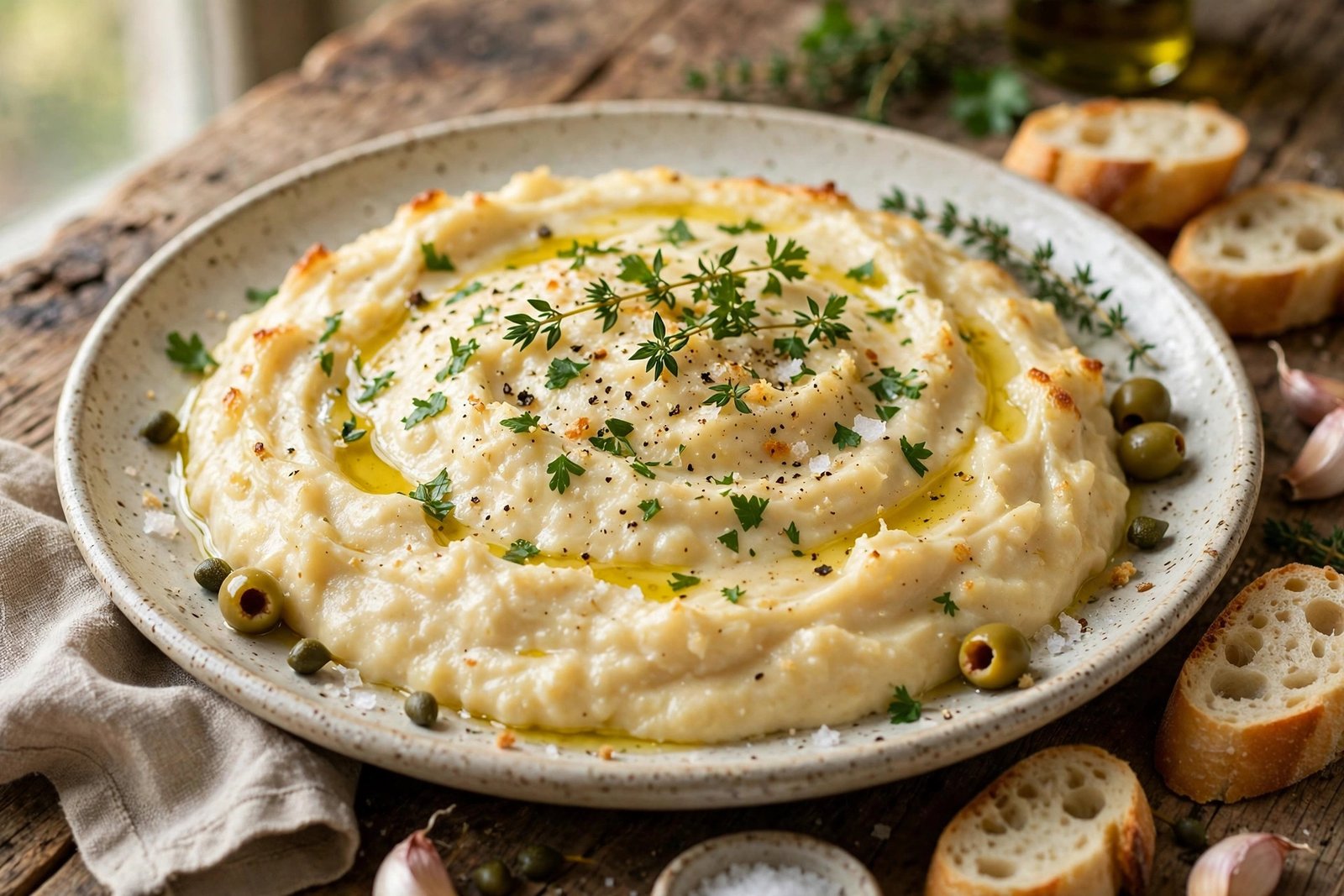
Baeckeoffe Recipe
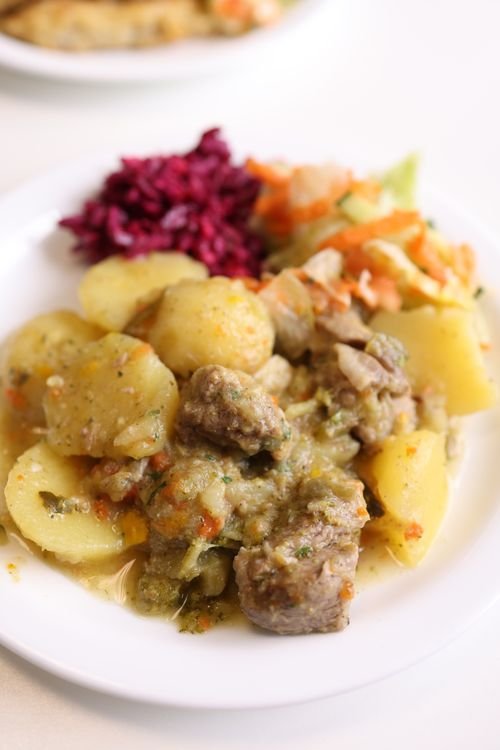
Baeckeoffe is Alsace in a pot. Three meats marinate overnight in white wine, then bake slowly under sliced potatoes and onions until everything turns tender and deeply flavoured. The sealed lid traps every drop of steam, so the meat stays juicy and the potatoes soak up the wine and drippings. It is a patient, generous dish, and it tastes like a long Sunday lunch in Strasbourg.
The story behind Baeckeoffe
Baeckeoffe comes from Alsace, the region in north-eastern France that borders Germany, and its name tells you exactly how it was cooked. In the local dialect it means baker's oven. On wash day, when the house was busy and the kitchen fire was needed for laundry, women would carry a sealed earthenware pot of meat and potatoes to the village baker, who slid it into his cooling oven after the morning bread came out. The pot sat there for hours, gently baking while the household worked, and it was collected in time for dinner.
The dish grew out of that practical arrangement. Alsace is wine country, so the marinade is a dry local white, usually Riesling or Sylvaner, and the meats are the ones a farm household had on hand: pork, lamb and beef. Potatoes and onions stretch the meat, juniper and bay give it a woodsy perfume, and a ring of bread dough pressed around the lid seals the pot shut. That seal is the whole trick. Nothing escapes, so the wine, the meat juices and the potato starch cook down together into a rich sauce.
What makes baeckeoffe special is how little it asks of you once it is in the oven. There is no browning in batches, no sauce to babysit, no last-minute juggling. You layer everything cold, pour over the marinade, press the lid on and let time do the work. When you break the dough seal at the table, a cloud of wine-scented steam rises and the potatoes at the edges have gone crisp and golden while the ones underneath are soft and soaked with flavour. It is theatre and dinner in one pot.
Cook baeckeoffe when you have a slow afternoon and a table full of people. It suits cold weather, big family lunches and any day when you want the house to smell wonderful for hours. Start the marinade the night before and the next day is easy. Serve it straight from the pot with a green salad and a glass of the same white wine you cooked with, and let everyone help themselves.
- Prep time
- 30 mins
- Cook time
- 3 hrs
- Total time
- 3 hrs 30 mins
- Servings
- 4 servings
- Calories
- 640
Ingredients
- 400 g boneless pork shoulder, cut into 4 cm chunks
- 300 g boneless lamb shoulder, cut into 4 cm chunks
- 300 g stewing beef, cut into 4 cm chunks
- 750 ml dry white wine, such as Riesling
- 1 kg waxy potatoes, peeled and sliced 5 mm thick
- 3 medium onions, thinly sliced
- 2 leeks, white and pale green parts, sliced into rings
- 3 garlic cloves, finely chopped
- 2 bay leaves and 6 juniper berries, lightly crushed
- 1 tablespoon fresh thyme leaves
- 2 tablespoons plain flour mixed with 3 tablespoons water, for the seal
- Salt and black pepper
Instructions
- Put the pork, lamb and beef in a large bowl with the garlic, bay leaves, juniper berries and thyme. Pour over the white wine, season with a teaspoon of salt and a good grind of pepper, and stir so every piece is wet. Cover and leave in the fridge overnight, or for at least 8 hours, turning the meat once if you remember.
- Heat the oven to 160°C. Lift the meat out of the marinade with a slotted spoon and set the liquid aside. Pat the meat dry with kitchen paper so it browns rather than steams. Season the potato slices and onion rings lightly with salt and pepper in separate bowls.
- Choose a heavy lidded casserole or earthenware pot that holds about 4 litres. Spread a third of the potatoes over the base, then a third of the onions and a third of the leeks. Lay half the meat on top in a single layer, spreading the pieces out so they cook evenly.
- Repeat the layers: another third of potatoes, onions and leeks, then the rest of the meat. Finish with the last of the potatoes, onions and leeks, tucking the slices in neatly so the top is flat. Pour the reserved marinade over everything until the liquid nearly reaches the top layer.
- Mix the flour and water into a soft, sticky paste. Roll it into a long rope and press it all the way around the rim of the pot, then set the lid on top and press down firmly. The dough should squish out slightly and close every gap. This seal is what keeps the steam inside.
- Put the pot in the oven and bake for 3 hours without lifting the lid. You will hear a faint bubbling and smell wine, thyme and roast meat drifting through the kitchen. The seal may crack and darken a little, which is normal, and the dough will bake hard.
- Take the pot out and leave it to rest for 15 minutes. The bubbling will settle and the sauce will thicken slightly as it cools. Tap the hardened dough ring with a knife and lift the lid away. A rush of fragrant steam should greet you, and the top potatoes should look golden at the edges.
- Spoon out the baeckeoffe at the table so everyone gets meat, potatoes and plenty of the wine sauce. Check the seasoning of the sauce and add salt or pepper if it needs it. Serve with a sharp green salad and crusty bread to mop up the juices.
- If the sauce looks thin, leave the lid off and return the pot to the oven for 10 minutes. The heat will reduce it a little without drying the meat. Serve the baeckeoffe hot, straight from the pot, and keep the lid nearby to keep second helpings warm.
Pro tips
- Marinate for a full night if you can. Eight hours in wine softens the meat and lets the juniper and thyme work their way right through, which is what gives the dish its Alsatian character.
- Use waxy potatoes such as Charlotte or Nicola. Floury potatoes fall apart during the long bake and turn the sauce cloudy, while waxy ones hold their shape and soak up flavour.
- Do not skip the dough seal. It is the traditional method and it matters: without it the wine evaporates, the top dries out and the meat cooks in a dry oven instead of its own steam.
- Cut the meat into even chunks, about 4 cm across. Small pieces dry out over three hours and large ones stay tough in the middle, so a uniform size keeps every bite tender.
- Taste the marinade liquid before you pour it in. If your wine is very sharp, add a pinch of sugar to round it out. The long bake concentrates acidity, so balance it now rather than later.
Variations & serving ideas
The classic mix is pork, lamb and beef, but you can shift the balance to suit your fridge. All pork shoulder works well and stays juicy, while a version with smoked pork belly or a couple of smoked sausages tucked in gives a deeper, woodsy note that suits the sauerkraut-loving side of Alsace. Chicken thighs can replace the lamb if you prefer a lighter pot, though they cook faster, so add them only for the last 90 minutes to keep them from falling apart.
The wine is worth choosing with care. A dry Riesling is the traditional pick, and its acidity keeps the long bake bright. Sylvaner and Pinot Blanc work just as well, and a dry cider makes a gentler, apple-scented version that children and cider lovers enjoy. Avoid sweet or oaked wines: sweetness turns cloying over three hours and oak goes bitter. If you want no alcohol at all, use good chicken stock with a splash of white wine vinegar for lift.
Serve baeckeoffe straight from the pot, family style, with a simple green salad dressed in sharp vinaigrette. The salad cuts through the richness and gives the plate something fresh. A pile of cornichons on the side adds crunch and acidity, and crusty bread is essential for the sauce. In Alsace the pot often arrives at the table with the dough seal still on, cracked open in front of everyone.
For pairing, pour the same dry white wine you cooked with. A glass of Riesling or Sylvaner echoes the flavours in the pot and cleans the palate between bites. If your guests prefer red, a light Pinot Noir from Alsace works, served cool rather than warm. Finish with something simple and fresh, such as fruit or a lemon tart, since the main course is already rich.
Getting it right
The key technique is the dough seal, called luting, and it is simpler than it sounds. You need a flour-and-water paste thick enough to roll into a rope but soft enough to squash. Press it around the rim, set the lid on top and push down so the paste fills the gap between pot and lid. As it bakes, the dough hardens and locks the steam in. The pot then cooks in its own moist heat, which is why the meat turns spoon-tender instead of drying out.
Heat and timing control matter more than speed. A low oven, around 160°C, is the right call: the pot comes up to a gentle simmer and stays there, and three hours gives the connective tissue in the shoulder cuts time to melt into the sauce. If the oven runs hot, the liquid boils hard and the potatoes break down, so check your oven with a thermometer if you have one. Resist lifting the lid to peek, since every opening lets out the steam the dish depends on.
The most common mistake is a thin, watery sauce at the end, and it usually means the seal leaked or the pot was too wide. A taller, narrower pot keeps the liquid level high and the potatoes submerged. If the sauce is still thin when you open the lid, leave the lid off and bake for 10 minutes more. Another common slip is under-seasoning: potatoes drink up salt, so season each layer and taste the sauce before serving.
Storing & reheating
Leftovers keep well in the fridge for up to 3 days. Spoon the meat, potatoes and sauce into a covered container and cool it quickly before refrigerating. The flavours actually deepen overnight, and the sauce sets into a light jelly that melts again when you reheat it. Reheat gently in a covered pot over low heat with a splash of water or white wine, stirring once or twice, until it is steaming all the way through.
Baeckeoffe also freezes for up to 3 months, though the potatoes soften a little on thawing. Freeze in portion-sized containers with plenty of sauce, and defrost overnight in the fridge before reheating. Avoid the microwave if you can, since it heats unevenly and can toughen the meat. A low oven, covered with foil, gives the most even result.
Frequently asked questions
What is baeckeoffe?
Baeckeoffe is a slow-baked Alsatian casserole of pork, lamb and beef marinated in white wine, layered with potatoes, onions and leeks. The pot is sealed with a ring of bread dough and baked for hours, so the meat turns tender and the potatoes soak up the wine sauce.
Do I really need to marinate the meat overnight?
Overnight is best, but 8 hours is enough for the wine, garlic and juniper to flavour the meat properly. A shorter marinade still works, though the meat will taste milder. If you are short on time, even 4 hours is better than none.
Can I make baeckeoffe without the dough seal?
You can, but the seal is what makes the dish. It traps steam so the meat braises in its own juices. Without it, cover the pot tightly with foil under the lid and check the liquid level halfway through, topping up with a little wine or stock if needed.
What wine should I use for baeckeoffe?
Use a dry Alsatian white such as Riesling, Sylvaner or Pinot Blanc. The wine should be one you would happily drink, since its flavour concentrates during the long bake. Avoid sweet or heavily oaked wines, which turn cloying or bitter.
Can I cook baeckeoffe in a slow cooker?
Yes, with a small change. Layer everything in the slow cooker, pour over the marinade and cook on low for 7 to 8 hours. You lose the dough seal and the crisped top potatoes, but the meat turns beautifully tender and the sauce is rich.
What should I serve with baeckeoffe?
A sharp green salad and crusty bread are all you need. The salad cuts the richness and the bread mops up the sauce. Cornichons on the side add crunch, and a glass of the same dry white wine ties the meal together.