Potage Saint-Germain Recipe
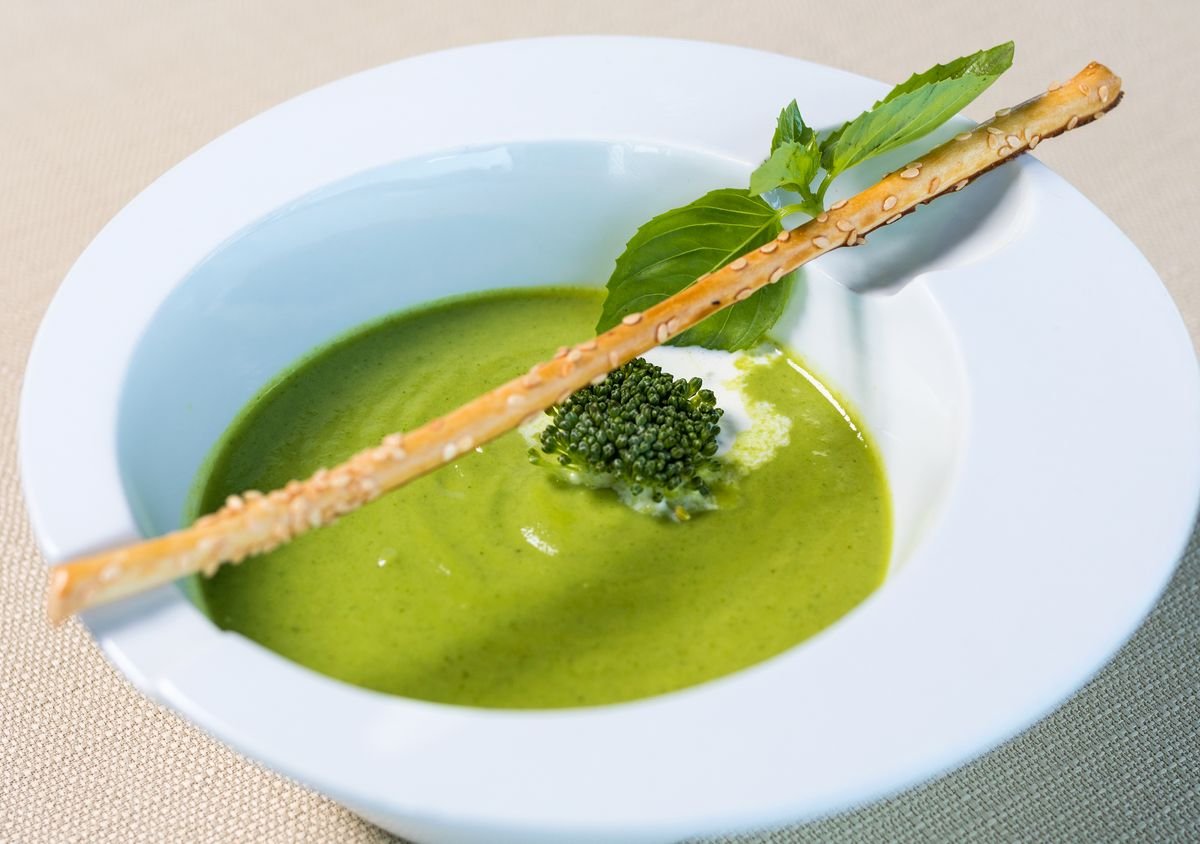
Potage Saint-Germain is the classic French split pea soup: silky, pale green and gently smoky, made with dried peas, leeks and a ham bone, then finished with cream and crisp croutons. It is smooth, comforting and deeply savoury. Make a big pot, and let the soup simmer while the house fills with its warm, hammy smell. It is a fine make-ahead soup too, since the flavour deepens overnight in the fridge.
The story behind Potage Saint-Germain
Potage Saint-Germain takes its name from the town of Saint-Germain-en-Laye, west of Paris, where green peas were grown in the royal gardens and prized by the French court. The soup itself is older than the name: French cooks have made pea soup for centuries, using dried peas that kept through the winter and a ham bone for flavour. It was the soup of the farmhouse and the palace alike, because peas were cheap, filling and available all year round.
In French cooking, potage is a smooth, blended soup, and Saint-Germain is one of the most famous of them all. The soup appears in the great French cookbooks, from Carême to Escoffier, always made the same way: green split peas, leeks, a ham bone, and a finish of cream. It was served as the first course of a formal dinner, in a silver tureen, with croutons passed separately so they stayed crisp until the last moment.
What makes this soup special is its texture and its colour. The split peas break down completely during the long simmer, so the soup turns silky and pale green without any flour or thickener. The ham gives it a gentle smokiness, the leeks add sweetness, and the cream rounds off the edges. The croutons are not a garnish for show; they add the crunch the smooth soup needs, and they soak up the flavour as you eat.
This is a soup for a cold day, and it suits a British lunch table very well. In the UK it works as a warming midday meal, served with crusty bread and a salad, or as a first course before a roast. Make it on a Sunday, let it simmer while you do other things, and eat it through the week. The soup tastes even better on the second day, when the flavours have had time to settle and deepen.
- Prep time
- 15 mins
- Cook time
- 60 mins
- Total time
- 75 mins
- Servings
- 4 servings
- Calories
- 340
Ingredients
- 400 g dried green split peas, rinsed
- 1 ham bone or 200 g smoked ham hock
- 2 leeks, white part only, sliced
- 1 onion, diced
- 2 carrots, diced
- 2 celery sticks, diced
- 2 garlic cloves, sliced
- 1.5 litres chicken or vegetable stock
- 2 tablespoons unsalted butter
- 1 bay leaf
- 1 teaspoon fresh thyme leaves
- 100 ml double cream
- 2 slices white bread, cubed, for croutons
- 1 tablespoon olive oil
Instructions
- Rinse the split peas in a colander under cold running water, picking out any small stones or broken peas. The water should run clear after a few seconds. Set the peas aside to drain. There is no need to soak split peas overnight, which is one of the reasons this soup is so easy to make on a weekday.
- Melt the butter in a large heavy pot over medium heat until it foams and smells nutty. Add the leeks, onion, carrots and celery, and cook for eight minutes, stirring often, until the vegetables soften and smell sweet. The leeks should turn glossy and pale, and the onion should lose its raw edge. Do not let the vegetables brown.
- Stir in the sliced garlic and cook for one more minute, until it smells fragrant. Add the rinsed split peas, the ham bone or ham hock, the bay leaf and the thyme. Pour in the stock and stir everything together. The pot should be about two-thirds full. Bring it to a gentle boil over medium-high heat.
- Skim off any foam that rises to the surface with a spoon, then turn the heat down to low and put the lid on, leaving it slightly open. Simmer the soup for 50 to 60 minutes, stirring every 15 minutes so the peas do not stick to the bottom. The peas will break down and the soup will thicken, filling the kitchen with a warm, smoky smell.
- While the soup simmers, make the croutons. Toss the bread cubes with the olive oil and a pinch of salt, then spread them on a baking tray. Bake at 180°C for eight to ten minutes, turning once, until they are golden and crisp all the way through. They should sound dry when you tap them. Set them aside to cool.
- Lift the ham bone out of the pot and set it aside. If you used a ham hock, pull off any tender meat, chop it into small pieces, and keep it for garnishing the soup. Fish out the bay leaf and throw it away. Taste the soup and remember that the ham is salty, so you may not need much extra salt.
- Blend the soup until smooth, using a stick blender right in the pot, or working in batches in a jug blender. The soup should turn pale green and silky, with no lumps of pea left. If it seems too thick, add a ladle of hot water or stock and blend again. The texture should coat a spoon but still pour easily.
- Stir in the double cream and warm the soup through over low heat for two minutes. Do not let it boil after adding the cream, or the cream can split. Taste the soup and adjust the salt and pepper. The flavour should be savoury and smoky, with the sweetness of the leeks and carrots coming through at the end.
- Ladle the soup into warm bowls and swirl a little extra cream over the top. Scatter over the chopped ham, if you kept any, and a handful of the crisp croutons. Serve at once, while the soup is hot and the croutons are still crunchy. The croutons soften quickly in the soup, so add them at the table, not in the kitchen.
Pro tips
- Rinse the split peas well before cooking. The rinse removes dust and any small stones, and it helps the soup cook evenly. Pick through the peas as you rinse them, because a single stone can crack a tooth.
- Skim the foam off the surface when the soup first comes to a boil. The foam carries bitter flavours and cloudy starch, and removing it gives a cleaner-tasting soup with a brighter green colour.
- Use the white part of the leeks only. The green tops are tougher and can make the soup bitter, so save them for stock. Slice the white part thinly and wash it well, because leeks hide grit between their layers.
- Add the croutons at the table, not in the kitchen. Croutons soften in minutes once they touch the soup, so pass them in a bowl and let everyone add their own. A crisp crouton against the silky soup is the whole point.
- Taste the soup after blending, not before. The ham bone gives up its salt slowly, so the soup may taste flat before blending and salty after. Adjust the seasoning at the very end, when the flavour is settled and true.
Variations & serving ideas
The ham is the classic flavouring, but you can change it. A smoked bacon joint, a piece of salt pork, or even a few rashers of smoked bacon all give the same smoky depth. For a lighter soup, use a chicken stock and a ham bone, and finish with a knob of butter instead of cream. The peas themselves carry the soup, so the meat is a seasoning, not the main event.
The vegetables can change with the seasons. Add a diced potato for a thicker soup, or a parsnip for a sweeter one. A handful of fresh peas stirred in at the end adds colour and a fresh pop of flavour. In spring, a few mint leaves blended into the soup give it a bright, green lift that works well with the peas.
Serve potage Saint-Germain as a first course or a light lunch, with crusty bread and a green salad. In the UK it makes a fine warming lunch on a cold day, served in deep bowls with the croutons passed separately. For a heartier meal, follow it with a cheese toastie or a slice of quiche, and keep the rest of the menu simple.
Pair it with a dry white wine, such as a Muscadet or a Chablis, which cuts through the richness of the cream. A sparkling water with lemon is a good non-alcoholic choice, and a light beer also works with the smoky ham. For dessert, keep it simple after such a rich soup: fresh fruit, a small cheese plate, or just coffee to finish the meal.
Getting it right
The key skill in this soup is the simmer. Keep the heat low, with the lid slightly open, so the soup bubbles gently instead of boiling hard. A hard boil makes the peas stick to the bottom and burn, and it clouds the soup. Stir every 15 minutes, scraping the bottom of the pot, and the peas will break down evenly into a smooth, creamy soup.
Blending is the second skill. The soup must be completely smooth, with no grainy bits of pea left. A stick blender in the pot is the easiest way, but a jug blender works too if you blend in small batches and hold the lid down firmly. Blend for a full minute longer than you think you need, because a truly silky soup is what separates a good potage from an ordinary pea soup.
The most common mistake is adding the cream too early and then boiling the soup, which makes the cream split into greasy streaks. Stir the cream in at the very end, warm the soup through gently, and never let it boil again. The second common mistake is under-seasoning, because the ham makes the salt level hard to judge. Taste the soup after blending, and add salt a little at a time until the flavours come alive.
Storing & reheating
Potage Saint-Germain keeps in the fridge for up to four days, stored in a covered container. The soup thickens as it cools, so stir in a splash of water or stock when you reheat it. Warm it gently in a covered pot over low heat for ten minutes, stirring now and then. Do not let it boil hard, or the cream can split and the soup can catch on the bottom.
You can freeze the soup for up to three months, but freeze it before adding the cream and croutons. Cool it completely, then pack it into freezer containers, leaving room at the top. Thaw it overnight in the fridge and reheat it slowly, then stir in fresh cream and top with fresh croutons. The croutons themselves keep for three days in a sealed jar at room temperature.
Frequently asked questions
Can I freeze potage Saint-Germain?
Yes, and it freezes beautifully. Cool the soup completely, then pack it into freezer containers, leaving room for expansion. It keeps for up to three months. Thaw it overnight in the fridge and reheat it on the stove, adding a splash of water or stock if it has thickened. Add the cream and croutons only when you serve it.
Can I make potage Saint-Germain vegetarian?
Yes. Leave out the ham and use a good vegetable stock instead, with a spoonful of smoked paprika or a dash of liquid smoke for the smoky note. The peas themselves give the soup its body and flavour, so it stays satisfying. Add a knob of butter at the end for richness.
Can I use fresh or frozen peas instead of split peas?
Yes, and it is a simple swap. Use frozen peas in place of dried split peas, and cut the cooking time to 25 minutes. The soup will be brighter green and a little lighter in flavour. A handful of fresh mint stirred in at the end makes the fresh pea version taste even better.
How thick should potage Saint-Germain be?
The soup should be thick enough to coat a spoon but still pourable. If it is too thick, add hot stock a ladle at a time. If it is too thin, simmer it uncovered for ten minutes, or blend in a spoonful of peas with a little soup. Taste and adjust the salt after every change.
How do I blend hot soup safely?
Blend it in two batches and fill the jug no more than half full, because hot soup expands. Hold the lid down with a folded tea towel and start on the lowest speed. A stick blender is safer: blend the soup in the pot, moving the blender slowly until the texture is smooth.
What should I serve with potage Saint-Germain?
A hunk of crusty bread and a simple green salad make a complete lunch. For a heartier meal, serve the soup with a cheese toastie or a slice of quiche. A glass of dry white wine or a sparkling water with lemon cleanses the palate between spoonfuls of the rich, creamy soup.