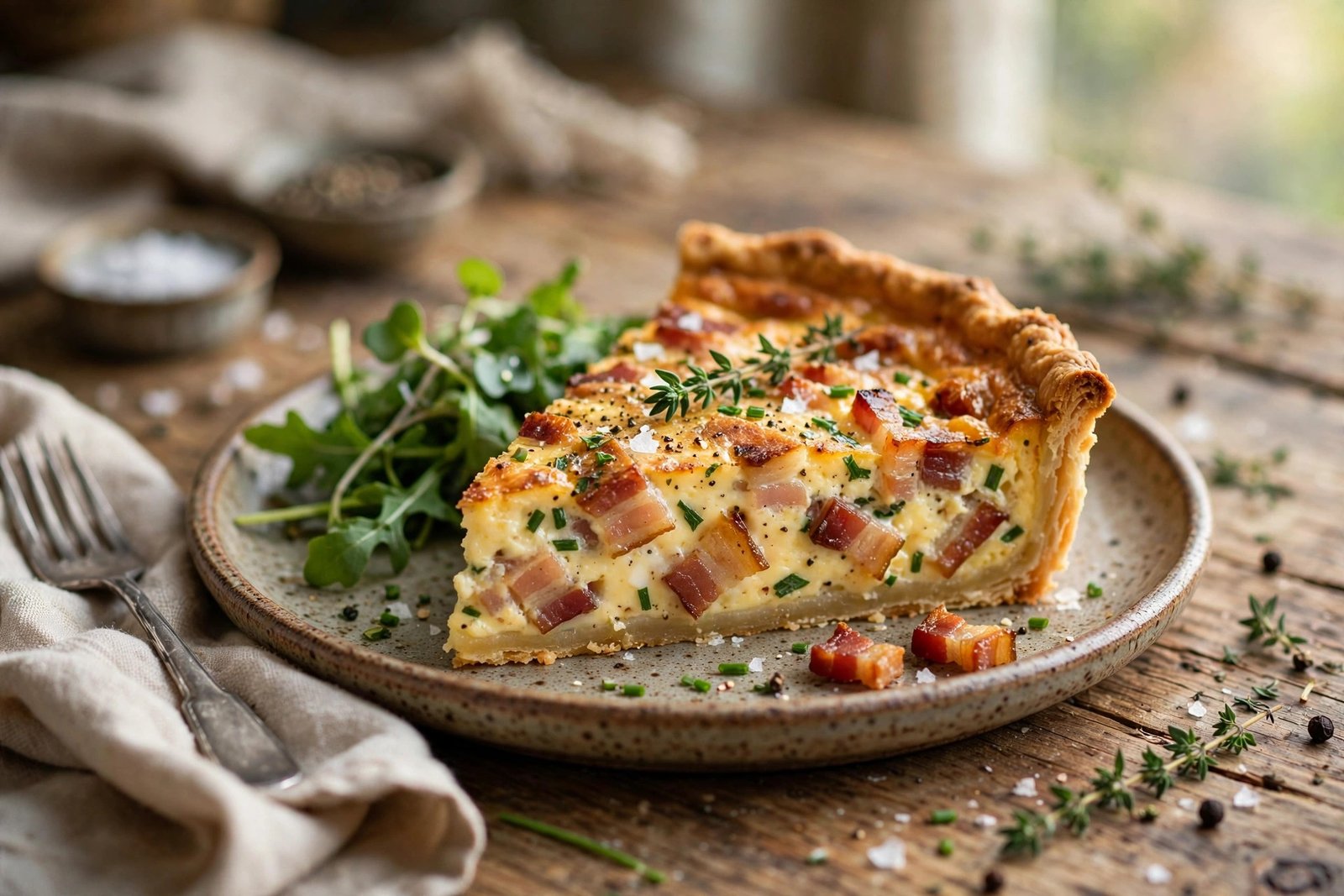
Poulet au Vinaigre Recipe
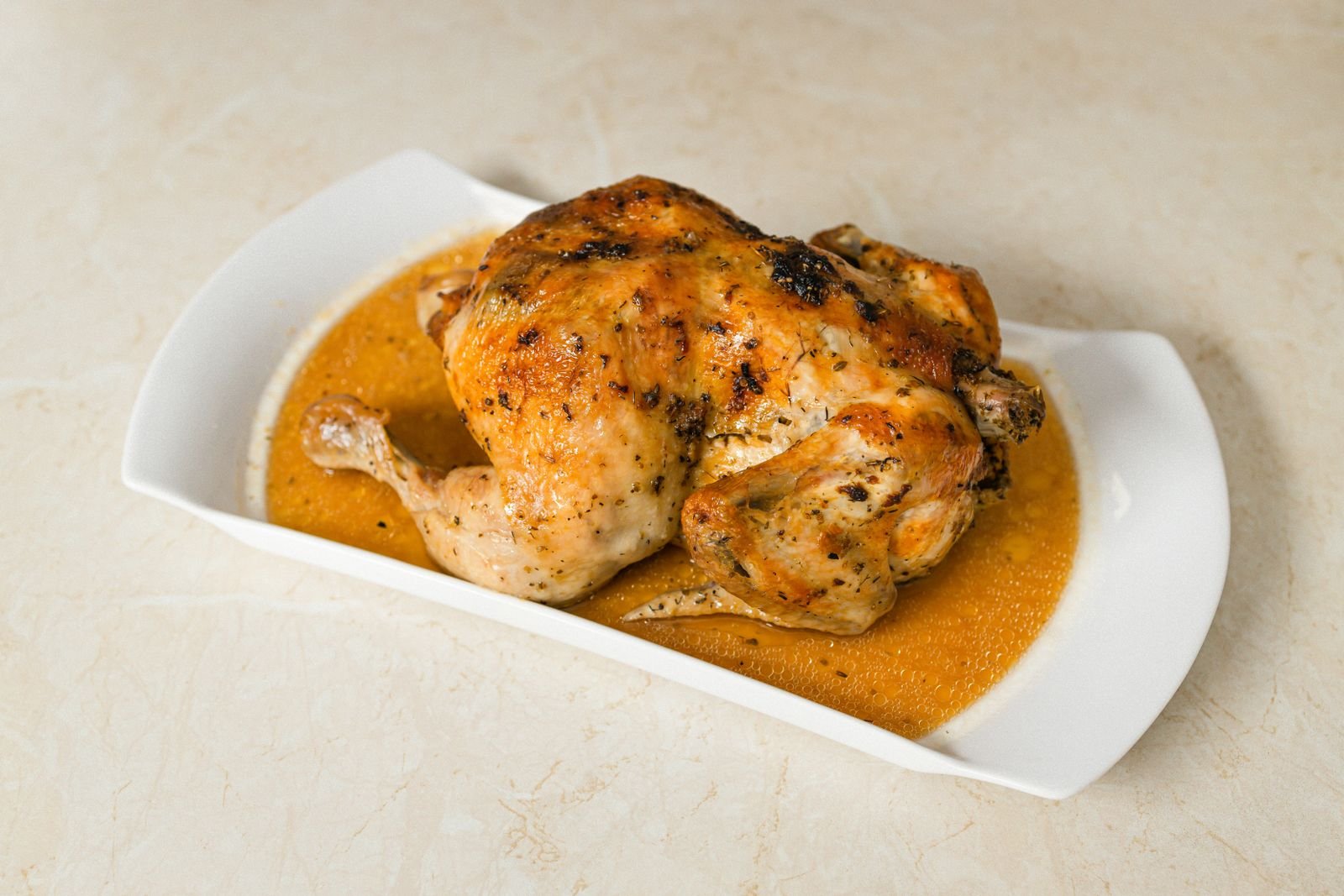
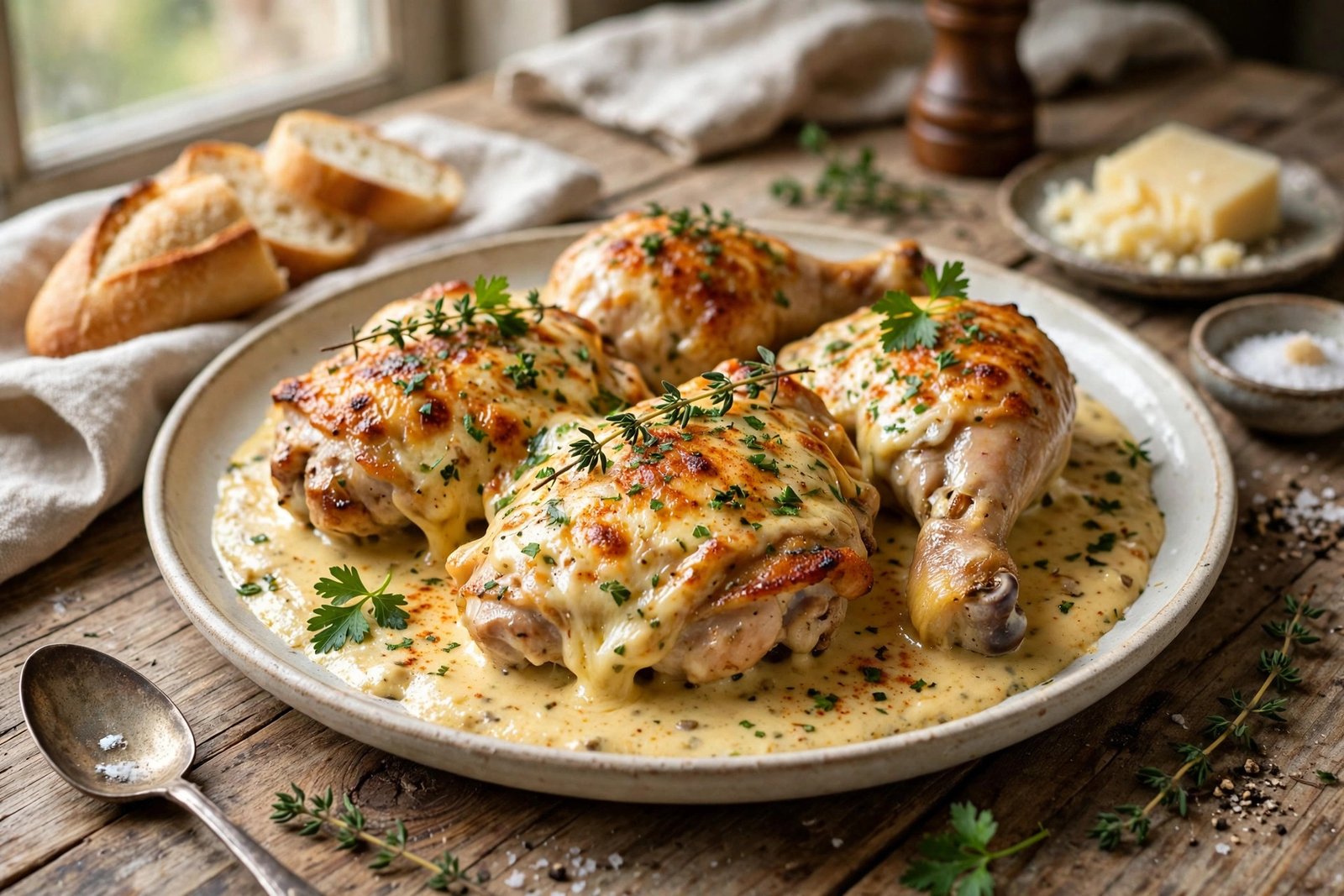
Golden chicken thighs simmered in a sharp vinegar sauce with soft shallots, Dijon mustard and a swirl of cream — poulet au vinaigre is a French bistro classic that tastes both rich and bright at once. The sauce is tangy, silky and deeply savoury, and it turns an ordinary chicken supper into something worth lingering over. It is the kind of dish that makes a weeknight feel like a small celebration, with a sauce you will want to save.
The story behind Poulet au Vinaigre
Poulet au vinaigre comes from Lyon, the great food city of eastern France, where vinegar has seasoned cooking for centuries. In the days before refrigeration, vinegar preserved food and brightened rich, fatty dishes, and cooks learned to use it as a flavouring in its own right. Chicken cooked in vinegar, with shallots and wine, became a staple of the region's farmhouse kitchens and later of its famous bouchons, the small, hearty restaurants that still define Lyonnaise cooking today. Lyon's cooks are famous for turning humble ingredients into great food, and this chicken is one of their proudest examples.
In France this is a proper family dish, the kind that appears on a Sunday table with a bowl of steamed potatoes and a green salad. It is also a bistro favourite, served in restaurants where the cooking is generous and unpretentious, and where a good sauce matters more than fancy presentation. The dish belongs to that proud tradition of French home cooking that turns simple ingredients into something greater than the sum of its parts. A pot of it often sits on the stove while the family gathers, and the cook spoons sauce over each plate at the table.
What makes it special is the balance of sharp and rich. The vinegar cuts through the fat of the chicken skin and the cream, while the shallots melt into sweetness as they cook, and the mustard adds a gentle warmth that ties everything together. The sauce is the star here: it should be glossy, tangy and savoury all at once, and it begs to be spooned over potatoes or mopped up with bread. Tarragon is the classic herb here, and its faint aniseed note suits the vinegar in a way that parsley alone cannot match.
Cook it when you want a dinner that feels French and comforting without being fussy or expensive. It suits a cold evening, a small dinner party, or a weekend meal when you have an hour to let the chicken simmer gently. Most of the time is hands-off, and the smell of the sauce as it reduces is enough to bring everyone to the table early.
- Prep time
- 15 mins
- Cook time
- 45 mins
- Total time
- 60 mins
- Servings
- 4 servings
- Calories
- 550
Ingredients
- 8 bone-in, skin-on chicken thighs, about 1 kg total
- 2 tablespoons plain flour, for dusting the chicken
- 2 tablespoons butter and 1 tablespoon olive oil, for frying
- 8 shallots, peeled and halved lengthwise
- 3 garlic cloves, finely chopped
- 120 ml red wine vinegar
- 150 ml dry white wine
- 250 ml chicken stock, preferably homemade
- 1 tablespoon Dijon mustard
- 150 ml double cream
- 2 tablespoons chopped fresh tarragon or parsley
- 1 teaspoon caster sugar, if needed to balance
- Salt and black pepper, to taste
- Steamed potatoes and green beans, to serve
Instructions
- Season the chicken thighs with salt and pepper, then dust them lightly with flour, shaking off the excess so only a thin coat remains. The flour helps the skin brown evenly and thickens the sauce later, so do not skip it or pile it on too thick.
- Melt the butter with the olive oil in a large, deep frying pan or casserole over medium-high heat until the butter foams. Lay the chicken in skin-side down and cook for 5 to 6 minutes without moving it, until the skin is a deep golden brown and crisp at the edges, and leave it undisturbed so the skin crisps.
- Turn the chicken over and brown the other side for 3 to 4 minutes, then lift the pieces out and pour off all but 1 tablespoon of the fat. The browned bits left in the pan are full of flavour, so leave them there; they will dissolve into the sauce.
- Add the shallots to the pan, cut-side down, and cook for 3 to 4 minutes over medium heat until they soften and turn golden at the edges. Stir in the garlic and cook for 30 seconds more, until it smells sweet and fragrant, taking care not to let it catch and turn bitter.
- Pour in the red wine vinegar and let it bubble hard for 2 minutes, scraping the bottom of the pan to lift up all the browned bits. The sharp smell will fill the kitchen at first, then soften as the vinegar reduces by about half and turns syrupy, and scrape up every browned bit.
- Add the white wine, chicken stock and Dijon mustard, stirring until the mustard dissolves into the liquid. Taste the sauce and add a pinch of sugar if the vinegar still tastes harsh, then return the chicken to the pan, skin-side up, nestling the pieces into the sauce.
- Bring the sauce to a gentle simmer, then lower the heat, cover the pan, and cook for 25 to 30 minutes until the chicken is tender. The sauce should bubble lazily, not boil hard, or the chicken will toughen and the cream may split later, and keep the flame low.
- Lift the chicken out and raise the heat under the sauce. Simmer for 5 minutes until it thickens enough to coat the back of a spoon, then lower the heat and stir in the cream, warming it through for 1 minute without letting it boil.
- Return the chicken to the pan, spoon the sauce over each piece, and warm everything together for 2 minutes. Scatter over the tarragon or parsley, taste the sauce once more for salt and vinegar balance, and serve at once with steamed potatoes and green beans.
Pro tips
- Brown the chicken skin properly, since a pale, flabby skin will never crisp up later once it sits in the sauce. Colour on the skin means flavour in the sauce, so do not rush this step.
- Use a good red wine vinegar, not a cheap, harsh one, because the vinegar is the soul of this dish and a poor one will dominate everything. Taste the vinegar on its own first, since a harsh one will show up in the finished dish.
- Keep the simmer gentle once the chicken goes back in, since a hard boil toughens the meat and can make the sauce split. A lazy bubble is what you want, with the lid sitting slightly ajar.
- Taste the sauce before adding the cream, and add the sugar a pinch at a time, because the vinegar softens as it cooks and needs less sweetening than you expect. A pinch at a time is the rule, since you can always add more but cannot take it back.
- Let the chicken rest in the sauce for 5 minutes before serving, so the meat relaxes and the flavours settle together.
Variations & serving ideas
For a lighter version, use skinless chicken breasts and half the cream, though the sauce will be thinner and the dish less rich. Some cooks add a handful of sliced mushrooms with the shallots, which soak up the vinegar sauce and add an earthy depth. A splash of brandy flamed in the pan before the vinegar adds warmth, though it is entirely optional and the dish is complete without it. A little wholegrain mustard stirred in at the end gives the sauce a gentle bite and a pretty, speckled look. A few sliced mushrooms cooked with the shallots add an earthy depth to the sauce.
If chicken thighs are not available, drumsticks work well and need the same cooking time, while a whole chicken cut into pieces is the traditional choice. Bone-in pieces are always better here, since the bones add flavour to the sauce and keep the meat moist during the long simmer. Boneless thighs cook faster, so check them after 20 minutes to avoid drying them out. A whole chicken cut into pieces is the traditional choice, and it feeds a crowd for little money. A whole chicken feeds a crowd for little money, and the leftovers are excellent.
Serve poulet au vinaigre with steamed or mashed potatoes, which soak up the sauce beautifully, and a simple green salad dressed with lemon and oil. Crusty bread is essential for the last of the sauce, and a glass of dry white wine or a light red such as Beaujolais pairs well with the tangy, rich flavours. Glazed carrots or buttered leeks make a good side too, and both pick up the sauce nicely. A green salad with a sharp dressing cuts through the richness of the cream.
To make it a fuller meal, start with a simple salad or a bowl of soup, then serve the chicken as the main course with green beans or glazed carrots. The dish also works well for a dinner party, since it can be made an hour ahead and reheated gently, and the sauce only improves as it sits. The sauce only improves as it sits, so it is ideal for entertaining.
Getting it right
The key technique is building the sauce in layers, and each layer needs its moment. First the chicken browns properly, which creates the savoury base, then the shallots soften and sweeten, then the vinegar reduces and concentrates, and finally the stock and wine bring everything together. Rushing any of these steps leaves you with a sauce that tastes flat or harsh, while patience gives you depth and balance. The flour on the chicken does two jobs at once, helping the skin brown and giving the sauce its body.
Heat control matters most during the simmer. The chicken should cook in a sauce that barely bubbles, with small, lazy blips breaking the surface, and the lid should sit slightly ajar so the sauce reduces a little as it cooks. If the sauce boils hard, the chicken toughens and the cream is more likely to split when it goes in, so keep the flame low and check the pan every few minutes. A lid left slightly ajar lets the sauce reduce a little while the chicken cooks, so the flavour concentrates.
The most common mistake is adding the cream too early or letting it boil, which makes the sauce grainy and dull. Another common slip is under-seasoning the vinegar sauce, which needs a proper pinch of salt to taste bright rather than sour. If the sauce tastes too sharp at the end, a little more cream or a pinch of sugar will round it out, while a squeeze of lemon can lift a sauce that tastes flat.
Storing & reheating
Leftovers keep well in a sealed container in the fridge for up to 3 days, and the sauce often tastes even better the next day as the flavours settle. The chicken will be softer, but the vinegar keeps it lively, and a gentle reheat brings it back. Store the chicken in its sauce so it does not dry out.
To reheat, warm the chicken and sauce gently in a covered pan over low heat for 8 to 10 minutes, until hot all the way through, adding a splash of stock if the sauce has thickened too much. Avoid the microwave, which can split the cream sauce and overcook the chicken. This dish also freezes well for up to 2 months; thaw it overnight in the fridge before reheating gently. Label the container with the date, so you know exactly how long it has been in the freezer.
Frequently asked questions
What vinegar should I use for poulet au vinaigre?
Red wine vinegar is traditional and gives the sauce a deep, mellow sharpness. Use a good-quality one, since cheap vinegar tastes harsh, and avoid malt vinegar or balsamic, which are too strong and sweet for this dish. White wine vinegar works too, though the sauce will be paler and a little sharper.
Can I use chicken breast instead of thighs?
Yes, but thighs are better, since they stay moist during the long simmer and the bones add flavour to the sauce. If you use breasts, reduce the cooking time to 20 minutes and check them early so they do not dry out. Thighs are worth seeking out, since they stay juicy and the bones enrich the sauce.
Why does my sauce taste too sour?
The vinegar probably needed a longer reduction, or the sauce needs a pinch of sugar and a little more cream. Simmer the sauce for a few more minutes, taste again, and add sugar a pinch at a time until the sharpness softens. A longer simmer usually fixes it, since the vinegar mellows as it reduces.
Can I make this dish ahead of time?
Yes, it reheats beautifully and the sauce often tastes better the next day. Cook it fully, cool it, and store it in the fridge for up to 3 days, then reheat gently in a covered pan over low heat. Cool it quickly before refrigerating.
What should I serve with poulet au vinaigre?
Steamed or mashed potatoes are the classic partner, since they soak up the tangy sauce. Add a green salad and crusty bread, and a glass of dry white wine or light red completes the meal. A simple green salad and good bread are all you need beside the potatoes.
Can I leave out the cream?
Yes, the dish works without cream, though the sauce will be sharper and thinner. Add an extra knob of cold butter at the end instead, swirling it in off the heat to give the sauce a soft shine. A knob of cold butter swirled in at the end gives the sauce a soft shine instead.