Poulet à l'Estragon Recipe
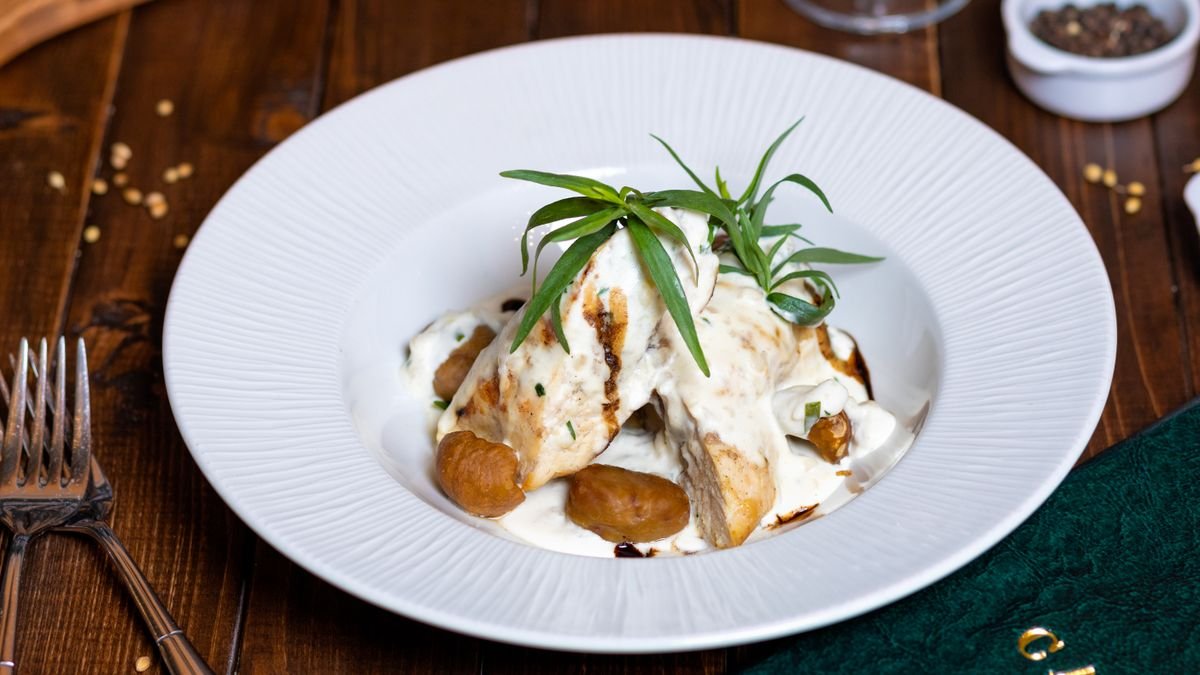
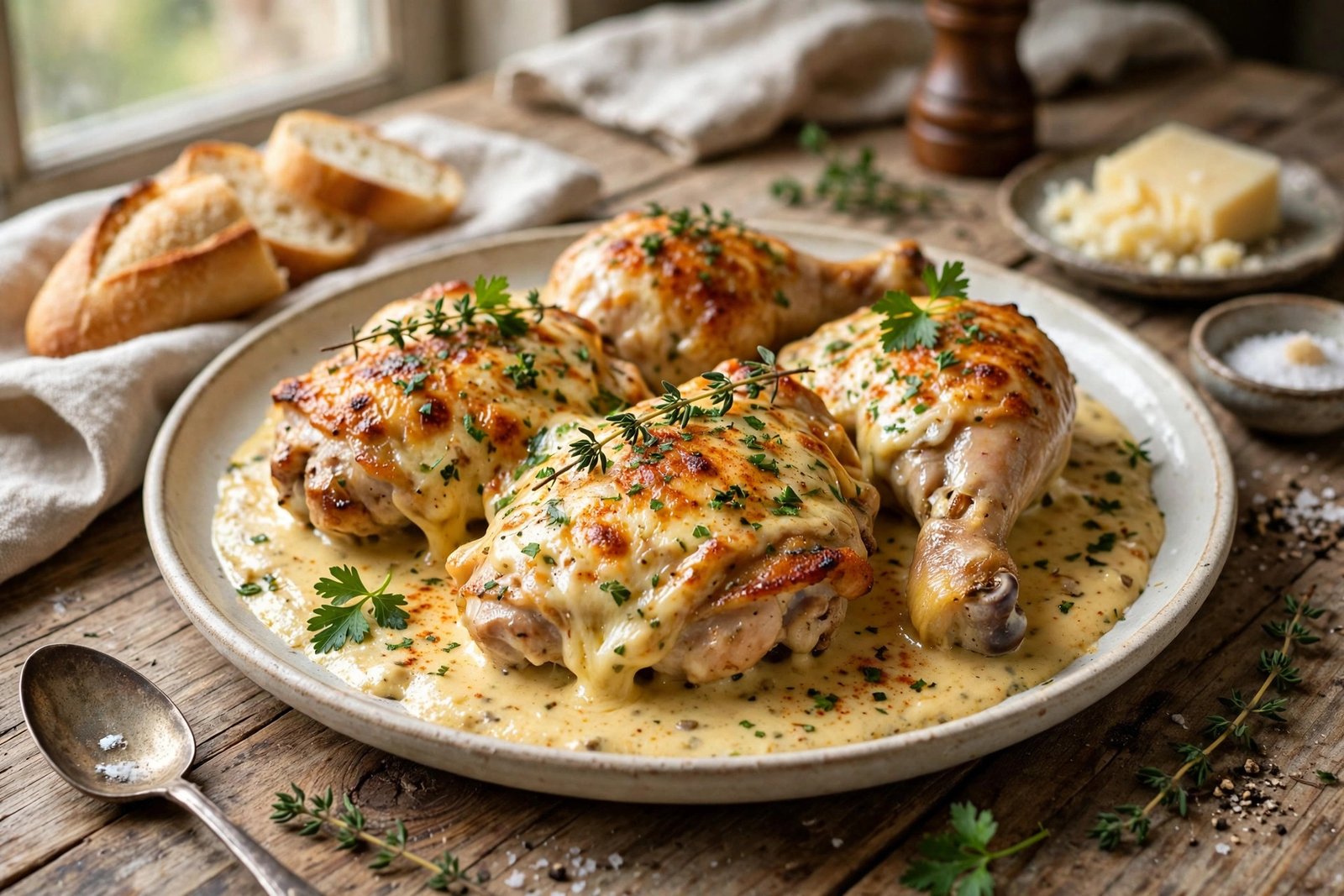
Golden chicken pieces simmered in white wine, cream and fresh tarragon until the sauce turns silky and fragrant. This is the kind of French cooking that asks little of you and gives a lot back — a handful of shallots, one good herb, and a pan you already own. Serve it with rice or buttered potatoes, and let the sauce do the talking.
The story behind Poulet à l'Estragon
Poulet à l'estragon is one of the great dishes of the French bistro, built on a single herb. Tarragon arrived in France from Central Asia centuries ago and found a natural home in French cooking, where its sweet aniseed flavour suits chicken, fish and eggs alike. Cooks in the Loire Valley and Burgundy began pairing it with chicken in wine and cream, and the combination became a fixture on bistro menus. It is the kind of recipe that grew slowly, passed from cook to cook, rather than being invented in one kitchen on one day.
The dish belongs to the French tradition of cooking that treats the pan as the centre of the meal. Everything happens in one pot: the chicken browns first, the shallots soften in the same fat, the wine lifts the browned flavour from the base, and the cream finishes the sauce. There is nothing showy about it, and that is the point. French home cooks have made versions of this for generations, adjusting the wine, the mustard and the amount of tarragon to suit their own table. It is a recipe that rewards attention rather than skill.
What makes it special is the balance between the herb and the sauce. Tarragon has a warm, peppery sweetness that cuts through cream without fighting it, and it gives the whole dish a clear, fresh scent that fills the kitchen as it cooks. The chicken itself stays simple — browned skin, tender meat — so the sauce can carry the flavour. You get a meal that tastes like a restaurant dish, but the method is forgiving: if the sauce reduces a little too far, a splash of stock brings it back.
Cook this when you want a proper dinner without a long evening in the kitchen. It suits a weeknight when friends drop by, a Sunday lunch that needs to feel a little bit special, or any cold evening when a creamy sauce and warm rice sound right. Buy the tarragon fresh and use it generously — a small bunch is not enough. Once the pan is on the table and the sauce is being spooned over rice, you will understand why this dish has lasted so long.
- Prep time
- 20 mins
- Cook time
- 40 mins
- Total time
- 60 mins
- Servings
- 4 servings
- Calories
- 520
Ingredients
- 8 bone-in, skin-on chicken thighs
- 1 teaspoon sea salt
- 1/2 teaspoon black pepper
- 2 tablespoons olive oil
- 30 g unsalted butter
- 3 shallots, finely chopped
- 2 garlic cloves, thinly sliced
- 150 ml dry white wine
- 250 ml chicken stock
- 150 ml double cream
- 1 large bunch fresh tarragon, leaves picked
- 1 tablespoon Dijon mustard
- 1 teaspoon lemon juice
- Steamed rice or buttered potatoes, to serve
Instructions
- Season the chicken thighs well with salt and pepper on both sides, then let them sit at room temperature for 10 minutes. Cold chicken straight from the fridge browns unevenly and drops the pan temperature, so this short rest matters. Pat the skin dry with kitchen paper — dry skin is what turns golden and crisp.
- Heat the olive oil in a wide, heavy casserole over medium-high heat until it shimmers. Lay the thighs skin-side down, leaving space between them, and do not move them for 5 to 6 minutes. Listen for a steady sizzle; the skin should turn deep gold and pull away from the pan easily when it is ready. Turn and brown the other side for 3 minutes, then lift the pieces out onto a plate.
- Lower the heat and add the butter to the same pan. Scrape up the browned bits stuck to the base as the butter melts — they carry a lot of flavour. Add the shallots and cook gently for 4 minutes until soft and pale gold, then add the garlic and cook for 30 seconds until you can smell it. Do not let the garlic brown or the sauce will taste bitter.
- Pour in the white wine and let it bubble for 2 minutes, scraping the pan as it reduces by about half. This cooks off the harsh alcohol taste and leaves the wine's fruit behind. Add the chicken stock and bring the liquid to a gentle simmer, with small bubbles breaking the surface rather than a rolling boil.
- Return the chicken to the pan skin-side up, so the skin stays above the liquid and keeps its crispness. Scatter in half the tarragon leaves. Put the lid on slightly ajar and simmer on low heat for 25 minutes. The sauce should barely bubble; if it boils hard, the chicken will toughen and the cream will split later.
- Lift the chicken out onto a warm plate and cover it loosely with foil. Turn the heat up under the sauce and let it reduce for 4 to 5 minutes until it coats the back of a spoon. Stir in the cream and the mustard, then simmer very gently for 2 minutes more. The sauce should turn pale and glossy, never boil.
- Taste the sauce and adjust it. Add the lemon juice off the heat, a little at a time, until the flavour brightens without turning sharp. Add salt if it needs it — remember the stock already carries salt. Stir in the rest of the fresh tarragon at the last moment so its aniseed scent stays lively.
- Slide the chicken back into the sauce and spoon it over the skin. Warm it through for 2 minutes on the lowest heat, turning each piece once so it is coated. Check the thickest thigh with a knife: the juices should run clear and the meat near the bone should show no pink.
- Serve the chicken on warm plates with rice or buttered potatoes, and spoon plenty of sauce over each piece. Scatter a few extra tarragon leaves on top. Put the pan on the table if you like — people always want more sauce, and it saves a second trip to the kitchen.
Pro tips
- Pat the chicken skin completely dry before it hits the pan. Wet skin steams instead of browning, and you will lose the crisp texture that makes this dish so good.
- Use a dry white wine you would happily drink. The wine reduces in the pan, so any harsh or sweet notes will show up in the sauce.
- Strip tarragon leaves by holding the stem at the top and pulling your fingers down it. The leaves come away cleanly and you avoid the woody stalks, which taste bitter.
- Taste the sauce after the cream goes in, not before. Cream softens salt and sharpness, so the seasoning you liked a minute earlier may need another pinch.
- Let the chicken rest in the sauce for five minutes before serving. The meat relaxes, the juices settle, and the sauce has time to cling to every piece.
Variations & serving ideas
The classic version uses chicken thighs, but the sauce works just as well with a whole spatchcocked chicken roasted in the oven. Brown the bird in a pan, then roast it at 190°C for about 50 minutes, basting with the wine and stock as it cooks. Stir the cream and tarragon into the pan juices at the end. The skin turns beautifully crisp this way, and the dish suits a Sunday table with more people to feed.
If you prefer a lighter plate, swap the double cream for crème fraîche, which holds up better to heat and adds a gentle tang. You can also leave the cream out entirely and finish the sauce with a knob of cold butter whisked in off the heat — the result is thinner but still rich, and the tarragon comes through more clearly. A squeeze of extra lemon at the end keeps the flavours bright when the sauce is lighter.
The dish pairs naturally with rice, which soaks up the sauce, but buttered new potatoes or a soft polenta work just as well. For a greener plate, add green beans or asparagus to the table; their freshness balances the cream. In spring, a handful of peas stirred into the sauce for the last two minutes adds colour and sweetness, and a little chopped chive alongside the tarragon gives the herb flavour more depth.
Serve poulet à l'estragon with a glass of dry white wine — a Loire Sauvignon Blanc or a Chablis both suit it well. A simple green salad with a sharp mustard dressing makes a good starter, and a light dessert such as poached pears or a lemon tart finishes the meal without weighing it down. Leftovers reheat well, so do not be shy about making a double batch when chicken is on offer.
Getting it right
The first skill in this recipe is browning the chicken properly. The pan must be hot enough that the skin sizzles the moment it touches the oil, and the pieces must have room around them. If you crowd the pan, the chicken steams in its own juices and the skin stays pale and soft. Leave each piece alone for a full five minutes — moving it early tears the skin and stops the browning. When the skin is deep gold and releases from the pan on its own, it is ready to turn.
Heat control matters again once the cream goes in. Cream sauces need a gentle simmer, not a rolling boil, because high heat makes the fat separate and the sauce turn grainy. Keep the flame low enough that only a few small bubbles break the surface, and stir now and then so nothing catches on the base. If the sauce does look like it is splitting, take the pan off the heat at once and whisk in a spoonful of cold cream. In most cases that pulls it back together.
The common mistake with tarragon is treating it like a dried herb and adding it all at the start. Fresh tarragon loses its scent with long cooking, so add half early for depth and the rest at the end for fragrance. The other mistake is under-seasoning the sauce before the cream goes in — cream dulls salt, so taste again after the cream is added and adjust. Get the browning, the gentle heat and the late tarragon right, and the dish practically cooks itself.
Storing & reheating
Leftover poulet à l'estragon keeps well in the fridge for two days, and many cooks think the sauce tastes even better on the second day. Store the chicken in its sauce in a sealed container and cool it quickly before it goes in the fridge. Reheat gently in a covered pan over low heat for about 10 minutes, and do not let the sauce boil, or the cream will split. A splash of stock or cream loosens the sauce if it has thickened overnight.
Freezing is possible but not ideal, because the cream sauce loses its smooth texture and the fresh tarragon fades. If you do freeze it, use a sealed container, keep it for no more than a month, and stir in fresh tarragon and a spoonful of cream when you reheat. Never freeze the dish with rice — cook the rice fresh on the day you serve it. Leftover chicken meat, picked from the bone, also makes a good sandwich filling the next day.
Frequently asked questions
Can I use dried tarragon instead of fresh?
Fresh tarragon has long, slender dark green leaves and a sweet smell with a hint of aniseed. Dried tarragon works in a pinch, but use a third as much and add it early so it has time to soften. The fresh herb's flavour is far brighter, so it is worth buying the bunch.
What cut of chicken works best?
Bone-in, skin-on pieces give the best result because the bones add flavour to the sauce and the skin keeps the meat moist. Thighs and drumsticks are the safest choice. Breasts work too, but cook them for less time — about 25 minutes — or they will dry out.
Can I make the sauce lighter?
Yes, if you keep the flavour mild. A little extra lemon juice at the end lifts a richer sauce, but do not overdo it or the cream may split. A teaspoon of wholegrain mustard also helps cut the richness without changing the character of the dish.
Can I freeze poulet à l'estragon?
It is not ideal. The sauce contains cream and fresh tarragon, and it loses its shine and texture after freezing. If you must, freeze the chicken in the sauce for up to a month and stir in fresh tarragon when you reheat. The fridge keeps it well for two days, which is usually enough.
Can I cook this the day before?
Yes, and it is often better the next day. Keep the chicken in its sauce and reheat it gently in a covered pan over low heat for about 10 minutes. Do not let the sauce boil or the cream may split. Stir in a spoonful of fresh chopped tarragon just before serving to wake the flavour up.
Why did my cream sauce split?
The sauce splits when the cream gets too hot or the lemon goes in too early. Keep the heat at a gentle simmer and add lemon juice off the heat at the very end. If it does split, take the pan off the heat and whisk in a spoonful of cold cream — that usually brings it back together.