Moules à la Crème Recipe
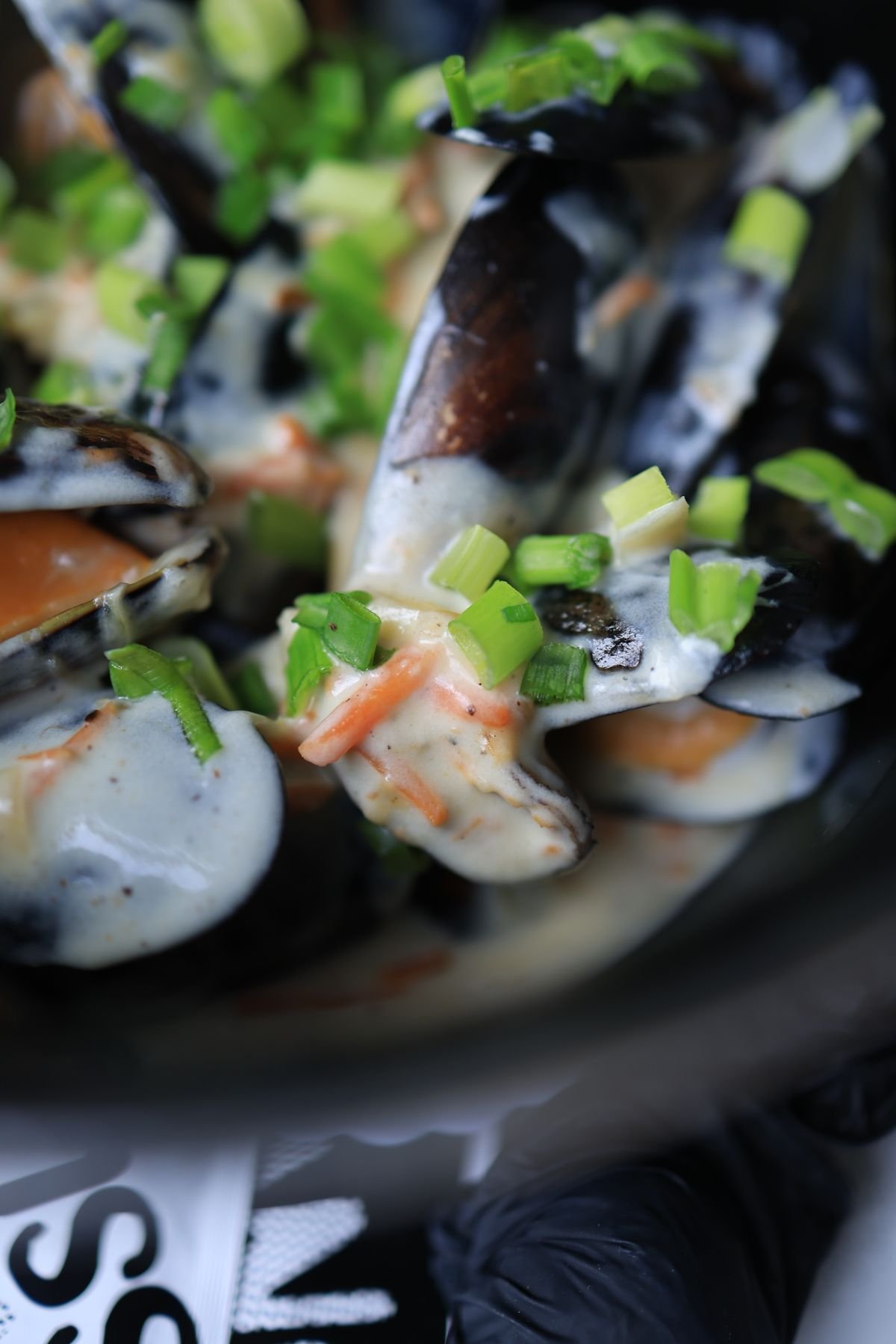
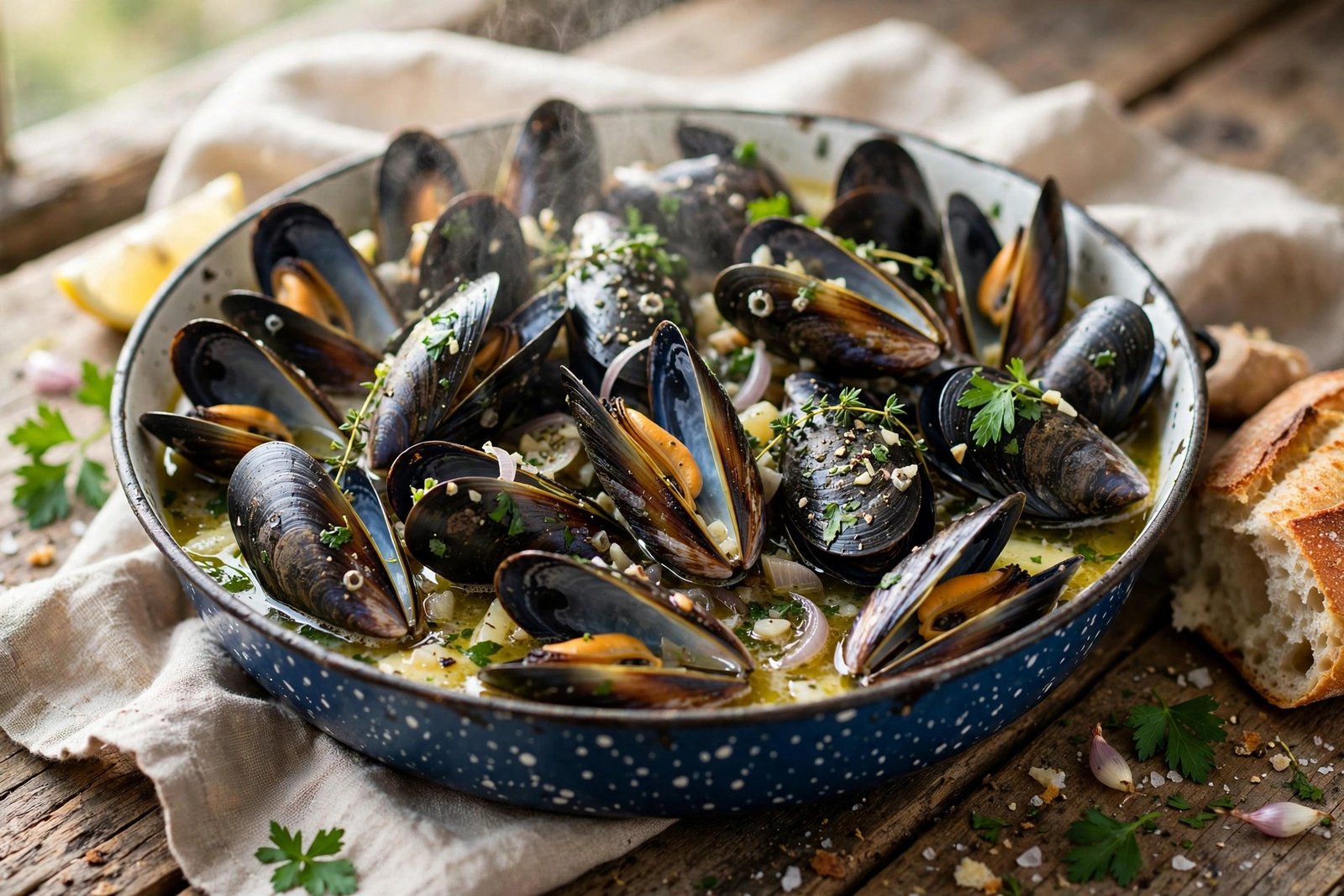
Plump mussels simmer in white wine, garlic, shallots and cream until they open into a silky, briny sauce that begs for crusty bread. This is the bistro dish that looks fancy and cooks in minutes, with a spoonful of mustard and a shower of parsley to finish. Serve it straight from the pot, with a big bowl for the shells and plenty of bread for the sauce.
The story behind Moules à la Crème
Mussels have fed the coasts of northern France for centuries, and the creamy version most people know today grew up in the brasseries of Normandy and Brittany, where butter, cream and cider or white wine were always close at hand. Fishermen brought the day's catch straight to the harbour kitchens, and cooks learned that a hot pot, a splash of wine and a lid were all a kilo of mussels really needed. The cream came later, as a way to soften the salty liquor the mussels release and turn it into a sauce worth spooning up. What started as a fisherman's quick supper became a bistro standard, ordered at lunch counters and white-tablecloth tables alike.
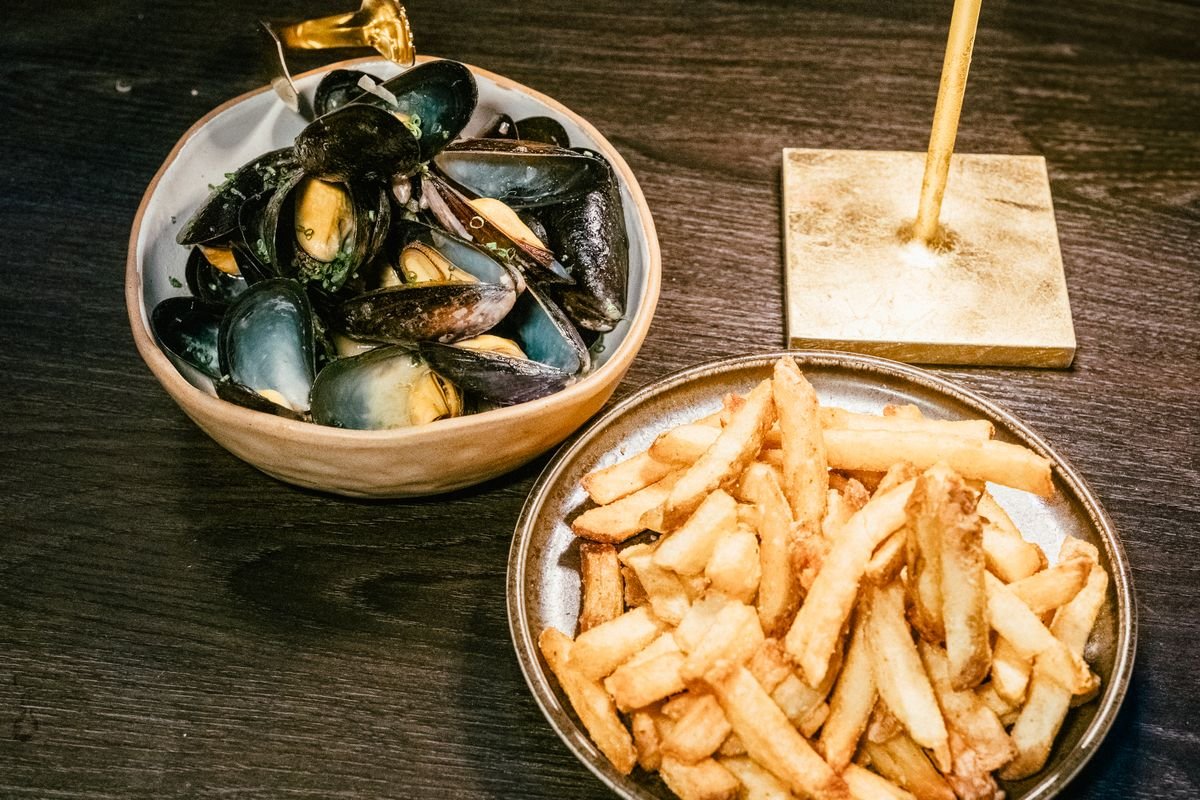
In France, mussels are a shared dish. The pot lands in the middle of the table, the lid comes off in a rush of steam, and everyone reaches in with their hands or an empty shell used as a pair of tongs. In the north, the pot often comes with a pile of frites, and the fries go straight into the sauce. Families along the Channel coast eat mussels through the summer, when the shellfish are fat and sweet, and the meal stretches out over a bottle of cold white wine and a long conversation.
What makes this dish special is how little stands between you and a restaurant result. The mussels do most of the work, releasing their own salty juices into the pan, and the cream and wine simply shape that liquid into something rich and spoonable. A spoonful of Dijon at the end wakes the sauce up, and a squeeze of lemon keeps it from feeling heavy. You get deep flavour from five minutes of cooking, which is why French home cooks keep it in rotation all year.
Cook this when you want something that feels like a treat but fits a busy evening. It suits a Friday night with friends, a light dinner for two, or a Canadian weeknight when you want a taste of a French bistro without leaving the house. Buy the mussels the same day you cook them, pick up a good loaf of bread, and dinner is on the table in about half an hour.
- Prep time
- 15 mins
- Cook time
- 20 mins
- Total time
- 35 mins
- Servings
- 4 servings
- Calories
- 480
Ingredients
- 2 kg fresh mussels, scrubbed and debearded
- 2 tablespoons unsalted butter
- 2 shallots, finely chopped
- 4 garlic cloves, thinly sliced
- 200 ml dry white wine
- 200 ml double cream
- 1 tablespoon Dijon mustard
- 1 tablespoon fresh lemon juice
- 1 bay leaf
- 4 tablespoons fresh flat-leaf parsley, chopped
- 1/2 teaspoon black pepper, freshly ground
- Crusty bread, to serve
Instructions
- Tip the mussels into a large bowl of cold water and scrub each shell, pulling off any beards. Tap any open mussel sharply on the bench; if it stays open, throw it away. Rinse the mussels in two changes of cold water and drain them well.
- Melt the butter in a large heavy pot over medium heat until it foams and smells nutty. Add the shallots and cook for 2 minutes, stirring often, until they turn soft and see-through but not brown. Stir in the garlic and cook for 30 seconds more, just until you can smell it in the air above the pot.
- Pour in the white wine and add the bay leaf, then turn the heat up until the wine bubbles hard. Let it boil for 1 minute so the raw alcohol smell cooks off and the pan smells warm and sharp. The liquid should be steaming well before the mussels go in.
- Tip in all the mussels at once, put the lid on tight, and shake the pot once or twice. Cook on high heat for 4 to 5 minutes, shaking the pot again halfway through, until almost every shell has opened wide. You will hear the shells knocking softly against each other as they steam.
- Lift the lid and look for shells that stayed shut. Throw those away, then use a slotted spoon to move the opened mussels into a large warm serving bowl. Work quickly so the mussels do not sit and overcook in the hot pot. Keep the cooking liquid in the pot.
- Turn the heat to medium and stir the cream into the mussel liquid. Let it simmer gently for 2 to 3 minutes until it thickens enough to coat the back of a spoon. Do not let it boil hard or the cream can split, and stir from time to time so it thickens evenly.
- Whisk in the Dijon mustard and the lemon juice, then taste the sauce. It should be rich and salty with a bright edge; add a pinch of salt only if it needs it, since the mussels already bring plenty of salt. The finished sauce should look pale gold and glossy, never thin or greasy.
- Pour the hot sauce over the mussels in the bowl and scatter the chopped parsley and black pepper over the top. The sauce should pool at the bottom, glossy and pale gold, ready for bread. Give the bowl a gentle shake so the sauce settles between the shells.
- Serve right away with crusty bread and an empty bowl on the table for shells. Eat the mussels with your fingers or an empty shell, and mop up the sauce with the bread while it is still hot. The first spoonful of sauce tells you the dish is ready.
Pro tips
- Buy mussels from a fishmonger you trust and cook them the same day, keeping them cold in the fridge in a bowl covered with a damp cloth, never sealed in a plastic bag, since they need air to stay alive.
- Check every mussel twice: discard any that stay open after a sharp tap before cooking, and discard any that stay shut after cooking, since both can be unsafe to eat and one bad mussel can spoil the whole pot.
- Use a wine you would happily drink, because its flavour concentrates in the sauce; a dry white such as Muscadet or Sauvignon Blanc works best, and a wine that is too sweet will make the sauce taste flat.
- Warm your serving bowl with hot water before you fill it, so the mussels and sauce stay hot while everyone eats at a relaxed pace, and warm the bread in the oven for a few minutes too.
- Do not overcook the mussels; pull the pot off the heat as soon as most shells have opened, because a minute too long turns them small and rubbery and the sauce goes cloudy.
Variations & serving ideas
For a lighter version, swap half the cream for more wine and a knob of butter whisked in at the end, which keeps the sauce glossy without the same richness. A spoonful of wholegrain mustard gives a milder, grainy finish, while a pinch of chilli flakes adds gentle heat that suits a cold evening. Some cooks stir in a handful of chopped tarragon with the parsley for a soft anise note that pairs well with the wine, and a little chopped chives can stand in for parsley if that is what you have in the fridge.
If you cannot find fresh mussels, frozen cooked mussel meat works in a pinch, though the sauce will miss the liquor fresh shells release. Simmer the meat in the wine and cream for just 2 minutes so it heats through without turning tough. You can also add a few prawns to the pot in the last 2 minutes for a mixed shellfish version that stretches the dish further, and a small handful of clams cooks in the same time if you want to mix the shellfish.
Serve the mussels the French way, with a pile of golden frites and mayonnaise on the side, or keep it simple with sourdough and a green salad dressed with lemon. For a Canadian weeknight supper, a bowl of this with good bread and a crisp white wine feels like a small holiday at the table. The sauce also makes a lovely base for pasta if you have leftovers.
Pair the dish with a dry white wine, a cold lager, or sparkling water with lemon. Keep the sides light and let the mussels carry the meal. A simple plate of sliced tomatoes with olive oil and salt is all you need alongside the pot.
Getting it right
The key technique is steaming the mussels in a covered pot over high heat. The trapped steam cooks them fast and evenly, and the shells pop open as the meat inside firms up. Shaking the pot halfway through moves the mussels at the bottom to the top so every shell gets the same heat. Take the lid off once, check the shells, and get them out of the pot quickly. A wide, heavy pot works better than a tall narrow one, since the mussels spread in a thinner layer and the steam reaches them all at once.
Heat control matters in two places. First, the wine must boil hard before the mussels go in, so the alcohol cooks off and the steam is strong from the start. If the wine is only warm when the mussels land, they will sit and slowly heat instead of steaming, and the meat turns tough before the shells open. Second, the cream must only simmer once it joins the liquid; a rolling boil can split it into greasy streaks. Keep the heat at medium, stir now and then, and pull the pan off the heat the moment the sauce coats a spoon.
The most common mistake is overcooking the mussels while waiting for the last few to open. A small number will always stay shut, and waiting for them ruins the rest. Take the opened mussels out as soon as most are open, and discard the closed ones without a second thought. The other common slip is adding salt before tasting; mussel liquor is naturally salty, so season only after the sauce is finished.
Storing & reheating
Mussels are best eaten the day they are cooked, but leftovers keep in the fridge for one day in a sealed container with their sauce. Pick the meat out of the shells before storing, since the shells take up space and the meat reheats more evenly on its own. Do not keep leftover mussels for longer than a day, and throw them away if they smell at all off.
To reheat, warm the sauce gently in a pan over low heat and add the mussel meat for the last minute only, just until hot through. Do not boil the sauce again or the mussels will toughen and the cream may split. Leftover sauce on its own makes a fine base for pasta or a fish soup the next day.
Frequently asked questions
How do I know if my mussels are fresh?
Fresh mussels smell like clean seawater, with no strong fishy smell, and their shells feel heavy for their size. Open shells should close when tapped firmly, and closed shells should stay shut. Ask your fishmonger when they arrived and cook them the same day.
Can I use frozen mussels for this recipe?
Yes, frozen cooked mussel meat works, though the flavour will be milder than fresh shell-on mussels. Thaw the meat in the fridge overnight, then simmer it in the wine and cream sauce for just 2 minutes so it warms through without turning rubbery.
What wine is best for moules à la crème?
A dry white wine such as Muscadet, Sauvignon Blanc or a dry Pinot Grigio works best, because it adds brightness without sweetness. Use a bottle you enjoy drinking, since the wine flavour concentrates as the sauce reduces in the pan.
Why did my cream sauce split?
Cream splits when it boils hard or when too much acid is added at once. Keep the sauce at a gentle simmer, stir the lemon juice in off the heat, and use double cream rather than single cream, since its higher fat content holds together better.
How many mussels do I need per person?
Allow about 500 grams of mussels in the shell per person for a main course, which cooks down to a generous bowl each. For a starter, 250 grams per person is plenty, especially if you are serving bread and a side salad.
What should I serve with moules à la crème?
Crusty bread is essential for mopping up the sauce, and frites are the classic French pairing. A simple green salad with a lemon dressing and a glass of dry white wine round out the meal without taking attention away from the mussels.