Gobi Gosht Recipe
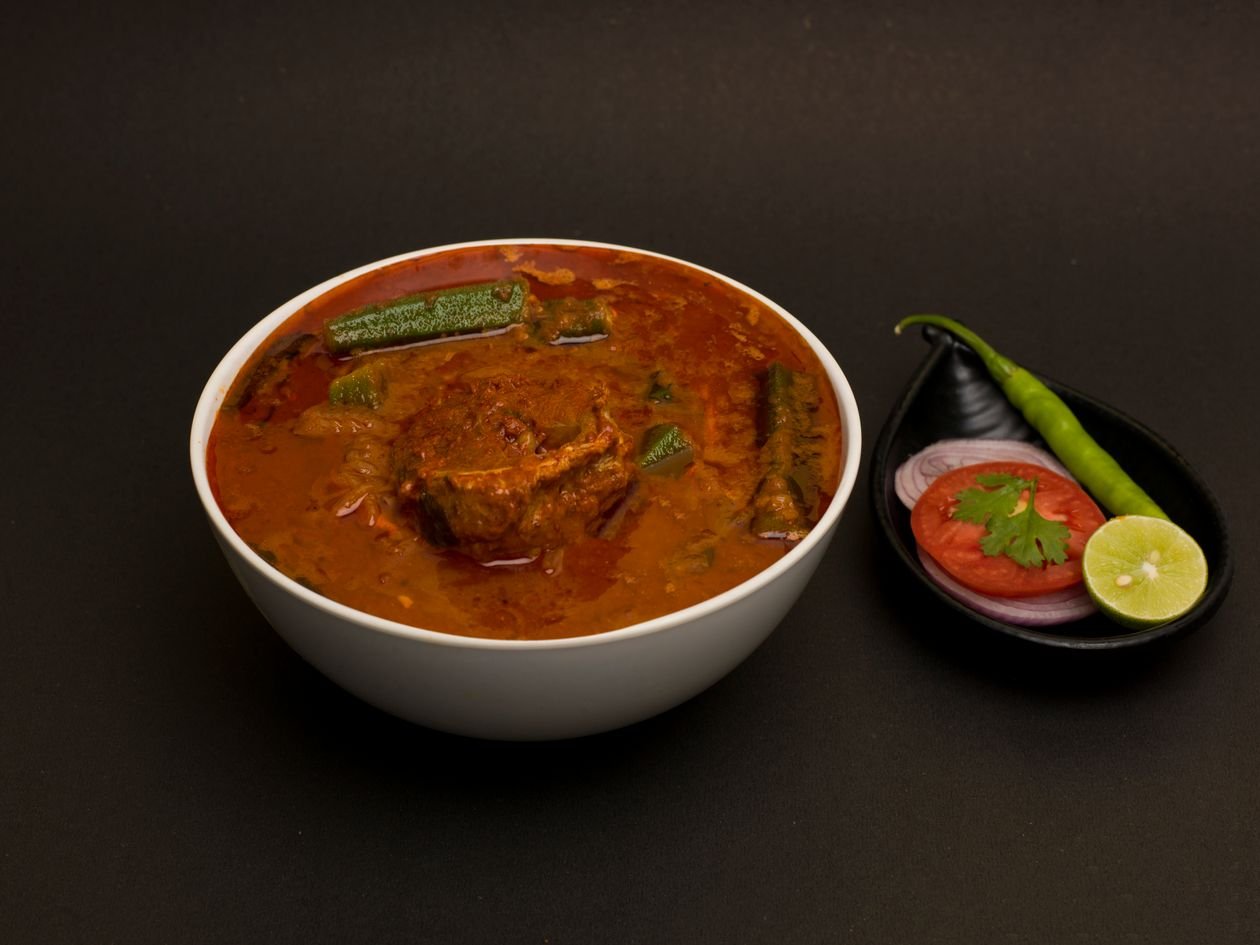
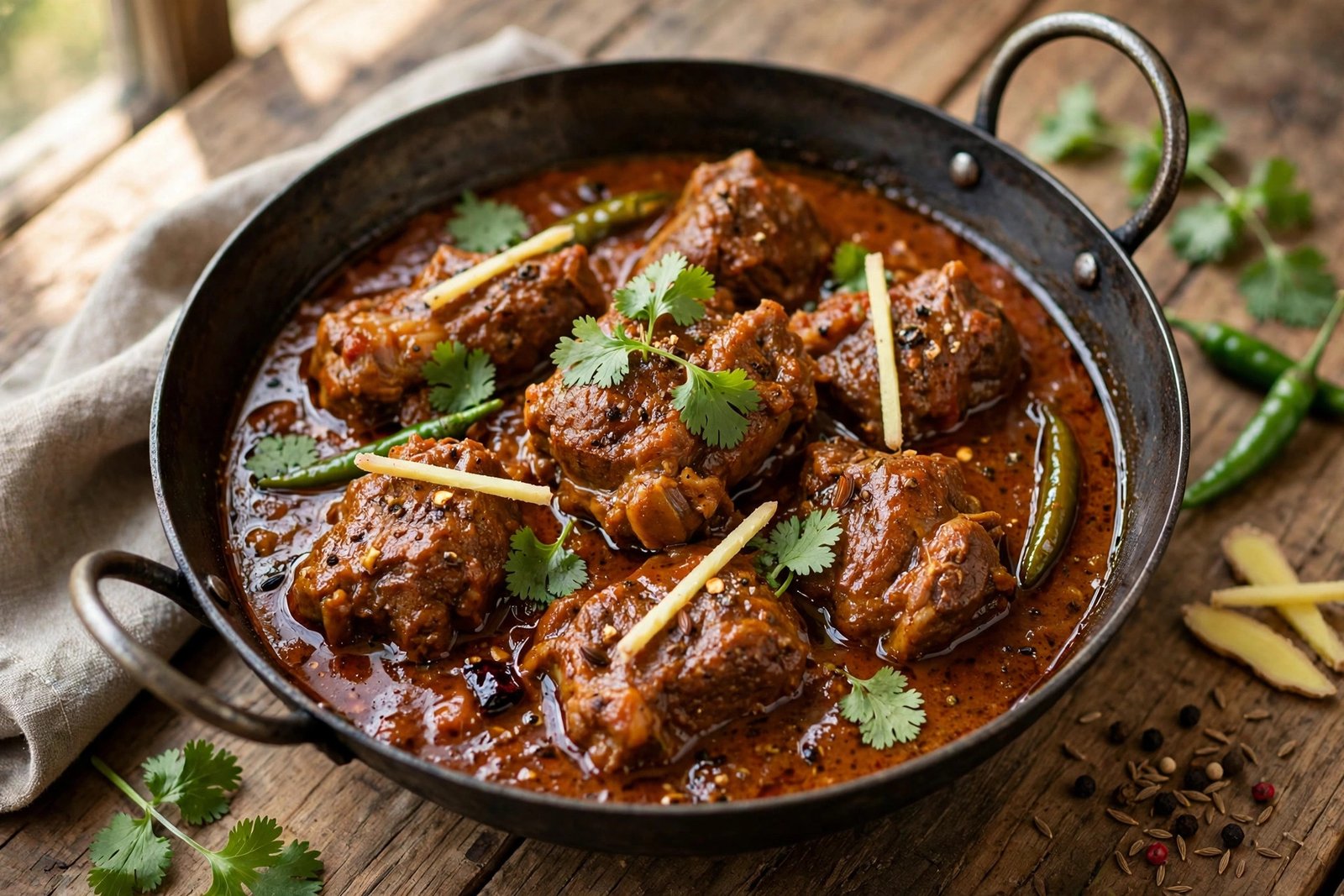
Gobi Gosht is a slow-cooked Desi curry of tender mutton and cauliflower florets simmered in a spiced onion and tomato gravy. The cauliflower soaks up the sauce without falling apart, the meat turns soft enough to pull from the bone, and the gravy smells of garam masala and fresh ginger. Serve it with roti or rice. It is a proper weekend curry, rich and warming.
The story behind Gobi Gosht
Gobi gosht pairs two foods that share the Desi table every winter: cauliflower, at its best in the cool months, and mutton, the meat of choice for slow-cooked home curries across Pakistan and North India. The name is plain and honest, gobi for cauliflower and gosht for meat, and the dish needs no fancier introduction. It is the kind of curry a family cooks on a Sunday, when there is time to let a pot simmer properly. Winter is cauliflower season in the Punjab, and the heads are so large that one is often enough for a whole family curry.
In Punjabi and Lahori kitchens, the dish is a cold-weather staple. Cauliflower arrives at the markets in huge, heavy heads from November onwards, and mutton is bought fresh from the butcher for the weekend. The cook browns onions slowly, builds a tomato masala, then lets the meat cook down in its own steam until the gravy turns thick and dark. The cauliflower goes in near the end, so it drinks up the sauce while staying in whole, tender pieces.
What makes Gobi Gosht special is the way the two main ingredients help each other. Mutton on the bone gives the gravy a deep, savoury body that plain vegetables never achieve, and cauliflower brings a gentle sweetness that softens the richness of the meat. The florets catch the gravy in their folds, so every bite carries both the spice and the vegetable at once. The ginger matchsticks scattered on top at the end add a fresh, peppery bite that wakes up the rich gravy.
Cook this when the days turn cool and you want a proper curry that fills the house with the smell of ginger and garam masala. It is a weekend dish, not a quick weeknight one, and it rewards the time you give it. Serve it with hot roti for scooping, a simple salad, and a pot of chai afterwards, and the meal feels complete. It is the kind of meal that brings everyone to the table at once, drawn by the smell drifting from the kitchen.
- Prep time
- 25 mins
- Cook time
- 50 mins
- Total time
- 1 hr 15 mins
- Servings
- 4 servings
- Calories
- 480
Ingredients
- 600 g mutton on the bone, cut into pieces
- 1 small cauliflower (about 500 g), cut into large florets
- 3 tablespoons vegetable oil or ghee
- 2 medium onions, thinly sliced
- 1 tablespoon each ginger paste and garlic paste
- 3 medium tomatoes, finely chopped
- 1 teaspoon cumin seeds
- 1 teaspoon coriander powder, 1 teaspoon red chili powder and 1/2 teaspoon turmeric powder
- 1 teaspoon garam masala
- 1 teaspoon salt, plus more to taste
- 2 green chilies, slit lengthways
- 1/4 cup fresh coriander leaves, chopped
- 1 tablespoon fresh ginger, cut into thin matchsticks
Instructions
- Heat the oil or ghee in a heavy pot over medium heat. Add the cumin seeds and let them crackle for about 30 seconds, until they darken a shade and smell nutty. If they start to smoke, lift the pot off the heat for a few seconds before you carry on.
- Add the sliced onions and cook for 8 to 10 minutes, stirring often, until they turn deep golden at the edges. This slow browning is what gives the gravy its colour and sweetness, so do not rush it or push the heat up to speed it along. The onions are ready when they are the colour of light caramel and the pan smells sweet rather than sharp.
- Stir in the ginger and garlic pastes and cook for two minutes, until the raw smell disappears and the mixture smells warm and fragrant. Scrape the bottom of the pot as you stir so the pastes do not catch and burn.
- Add the tomatoes with the coriander powder, red chili powder and turmeric. Cook for 7 to 8 minutes, stirring and pressing the tomatoes with the back of the spoon, until the mixture darkens, the oil starts to show at the edges, and the tomatoes lose their raw, sharp smell.
- Add the mutton pieces and the salt, then turn the heat up to medium-high. Fry the meat in the masala for 5 to 6 minutes, turning the pieces so they brown lightly on all sides. You should hear a steady sizzle and see the masala cling to the meat.
- Pour in 2 cups of hot water and bring the pot to a boil. Skim off any foam that rises, then turn the heat to low and cover the pot. Simmer gently for 40 minutes, stirring now and then, until the meat is almost tender and pulls easily from the bone. The gravy should be thick enough to coat the back of a spoon, with a thin layer of oil glistening on the surface.
- Add the cauliflower florets and the slit green chilies, pushing them down into the gravy. Cover the pot again and cook for 10 to 12 minutes more. Check the cauliflower with a knife; it should be tender but still hold its shape when you lift it out.
- Remove the lid and turn the heat up for 3 to 4 minutes to thicken the gravy to a coating consistency. Stir gently so the cauliflower does not break apart. Taste and adjust the salt; the gravy should be savoury first, with warmth from the chili behind it.
- Stir in the garam masala and let the pot sit off the heat for five minutes so the spice blooms in the hot gravy. Serve the curry scattered with fresh coriander and ginger matchsticks, with roti or steamed rice on the side.
Pro tips
- Ask the butcher for mutton cut into even pieces with some bone in. Uneven pieces cook unevenly, and the small ones will dry out while the large ones are still tough.
- Brown the meat in the masala before adding water. Those few minutes of frying build flavour that simmering alone will never give you. The meat should smell savoury and toasted, not raw, before the water goes in.
- Cut the cauliflower florets large, about the size of a small fist. Small pieces cook too fast and fall apart before the gravy has time to season them.
- Add the garam masala at the end, off the heat. Ground spices lose their fragrance if they boil for a long time, and a late addition keeps the aroma bright.
- Let the curry rest for five minutes before serving. The gravy thickens slightly as it cools, and the spices settle into the meat and cauliflower. The flavours settle and deepen as the pot cools, so the second serving is often the best.
Variations & serving ideas
For a drier, bhuna-style version, use less water and cook the curry uncovered for the last ten minutes, stirring often until the gravy clings thickly to the meat. This version is superb scooped up with roti and needs no rice at all. A squeeze of lemon over the top just before serving wakes up all the spices.
To make it milder for children, cut the red chili powder in half and leave out the green chilies. The cumin, coriander and garam masala still give the curry plenty of flavour, and a spoonful of yoghurt stirred in at the end cools it further. Serve it with plain rice and a cucumber salad.
Swap the cauliflower for potatoes if that is what you have. Add the potato chunks with the meat, since they need the full cooking time to soften. Turnip is another good partner and cooks in about twenty minutes, so add it halfway through the simmer. The recipe adapts well to whatever root vegetable is in season. A few green peas stirred in with the cauliflower add sweetness and colour, and they cook in the same ten minutes.
Serve Gobi Gosht with hot roti or naan, steamed basmati rice, and a simple salad of onion, tomato and cucumber with a pinch of salt and lemon. A spoon of plain yoghurt on the side tames the heat, and a pot of milky chai after the meal is the traditional way to finish.
Getting it right
The gravy is built in stages, and the onions set the tone. They need a full eight to ten minutes over medium heat to turn properly golden, and that slow browning is what gives the curry its sweetness and colour. Pale, hurried onions make a thin, pale gravy. Keep stirring and scraping the bottom of the pot, and add a splash of water if the onions start to catch. If the onions brown too fast, turn the heat down and add a splash of water; burnt onion will make the whole curry bitter.
The meat needs a gentle simmer, not a hard boil. Once the water goes in, keep the pot at a lazy bubble with the lid on, so the steam does the work and the meat softens without drying out. A fierce boil will toughen the mutton and cloud the gravy. Check the water level halfway through and top it up with hot water if the pot looks dry.
The cauliflower is the part most cooks get wrong. It cooks in ten minutes, so it must go in only when the meat is nearly done. Cut the florets large, push them into the gravy, and check them early rather than late. Once the florets break apart, you cannot put them back together, and the curry turns into a thick vegetable mash instead of a proper gobi gosht. If the gravy looks thin at the end, cook it uncovered for a few more minutes; the cauliflower will not mind the extra time as long as the pot stays gentle.
Storing & reheating
Gobi Gosht keeps in a sealed container in the fridge for up to three days, and the gravy often tastes richer the next day. Reheat it gently on the stove over low heat with a splash of water, and stir carefully so the cauliflower stays in whole pieces. Add the fresh coriander and ginger only after reheating.
It freezes well for up to two months, though the cauliflower softens a little on thawing. Cool the curry fully, pack it into freezer containers, and thaw it in the fridge overnight. Warm it slowly, check the seasoning, and finish with fresh herbs to bring the flavour back to life.
Frequently asked questions
What cut of meat is best for Gobi Gosht?
Bone-in mutton, goat or lamb all work well. Bone-in pieces give the gravy more body and flavour as they cook, while boneless stewing lamb cooks a little faster. Cut the meat into even pieces about 5 cm across so it all finishes at the same time.
How do I keep the cauliflower from turning to mush?
The cauliflower goes in for only the last 10 to 12 minutes of cooking. Adding it earlier turns it to mush, since the florets cook much faster than the meat. Cut the pieces large and check them with a knife; they should be tender but still hold their shape.
Can I make Gobi Gosht in a pressure cooker?
Yes, a pressure cooker is a good shortcut. Cook the meat with the masala for about 15 minutes on high pressure, release the steam, then add the cauliflower and simmer uncovered for 10 minutes. The gravy may need a few minutes to thicken at the end.
How long does the mutton need to cook?
Mutton on the bone usually needs 45 to 50 minutes of gentle simmering. Start checking at 40 minutes by pressing a piece with a spoon; the meat should give way easily and pull from the bone without effort. Older, tougher meat can need another 10 minutes.
What should I serve with Gobi Gosht?
This is a rich, hearty curry, and it suits plain sides best. Hot roti or naan for scooping up the gravy, steamed rice, and a simple salad of onion, tomato and cucumber are all you need. A spoon of yoghurt on the side cools the heat.
Can I make this with chicken or beef instead of mutton?
Use chicken thighs or beef stewing meat instead. Chicken will cook in about 25 minutes, so add the cauliflower in the last 10 minutes as usual. Beef needs roughly the same time as mutton, so the recipe works with no other changes.