French Toast Recipe
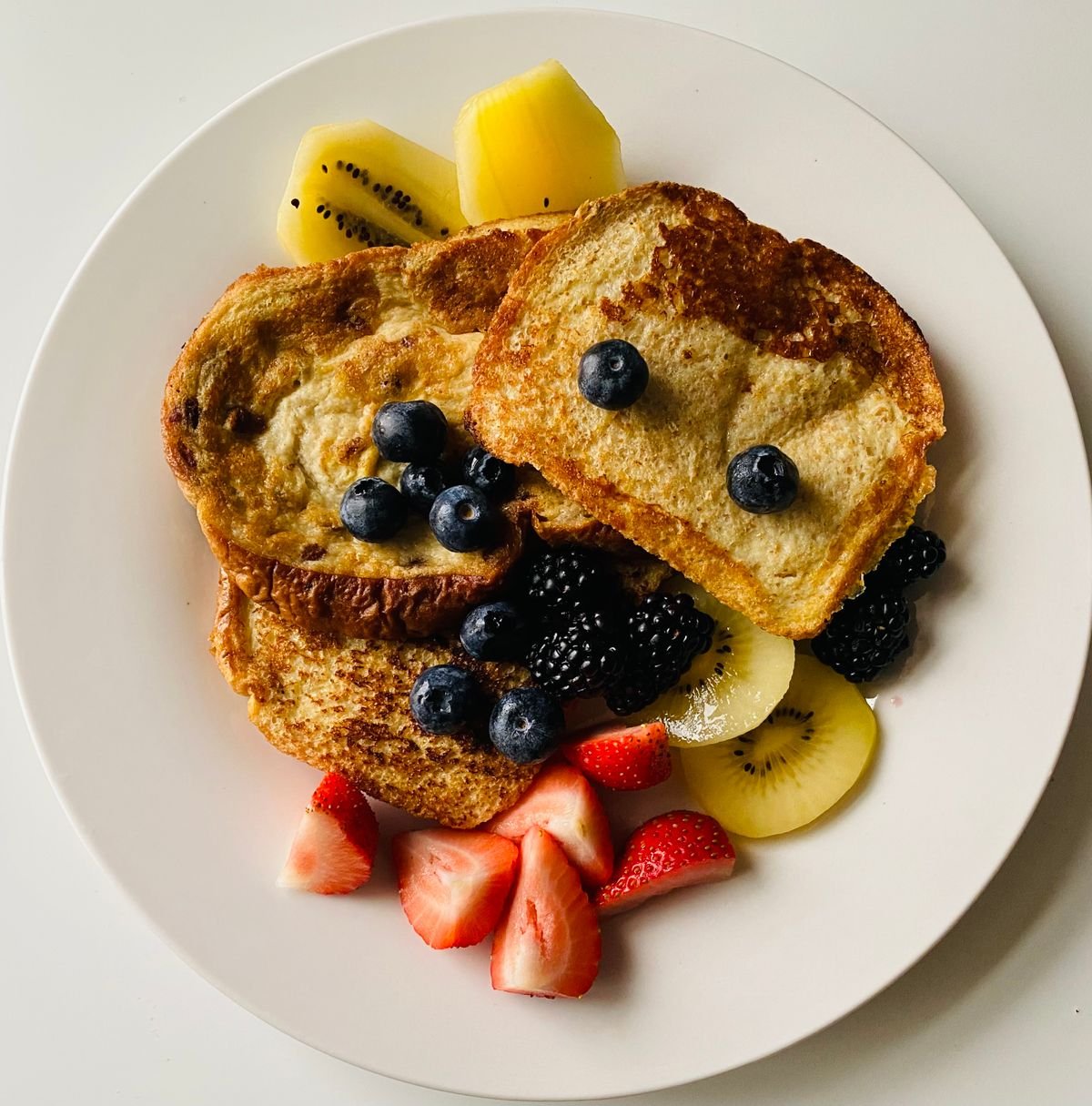
French toast is simple food done right: thick slices of bread soaked in a cinnamon-vanilla custard, fried in butter until golden and crisp at the edges, soft and creamy inside. It takes fifteen minutes, uses pantry staples, and turns an ordinary morning into something worth sitting down for. It is also a clever way to use up bread that is a day or two old.
The story behind French Toast
French toast is one of the oldest recipes in the world. Roman cooks in the 4th century soaked stale bread in milk and egg and fried it, calling it aliter dulcia, meaning another sweet dish. The idea spread across Europe: the French call it pain perdu, lost bread, because it rescues bread that would otherwise be thrown away. The English called it poor knights of Windsor, and the Germans called it arme Ritter. Every country had its own name, but the method stayed the same.
In North America, French toast became a breakfast staple. It crossed the Atlantic with European settlers and took root in home kitchens, diners and weekend breakfasts. The name French toast probably came from an innkeeper named Joseph French, who served it in New York in the 1700s, though the French themselves had been making pain perdu for centuries. Whatever the name, the dish became a symbol of a slow, generous breakfast.
What makes French toast special is the way it turns plain bread into something rich and comforting. The egg custard soaks into the crumb and sets into a soft, creamy centre, while the butter in the pan gives the outside a crisp, golden crust. Cinnamon and vanilla add warmth, and the whole slice tastes of butter, egg and sugar, with a texture that is both crisp and soft at once. It is simple food, but it feels like a treat.
This is a breakfast for a slow morning, and it suits a Canadian weekend perfectly. In Canada it works as a relaxed Saturday or Sunday breakfast, served with maple syrup, fresh berries and strong coffee, while the snow falls outside or the summer sun comes through the window. It takes fifteen minutes from start to finish, so it is easy enough for a weekday too, but it tastes like a weekend. Make it when the morning is unhurried and the table is full.
- Prep time
- 10 mins
- Cook time
- 15 mins
- Total time
- 25 mins
- Servings
- 4 servings
- Calories
- 380
Ingredients
- 8 slices thick-cut brioche or challah, 2 cm thick
- 3 large eggs
- 180 ml whole milk
- 1 tablespoon caster sugar
- 1 teaspoon vanilla extract
- 1 teaspoon ground cinnamon
- 1 pinch of fine sea salt
- 30 g unsalted butter, for frying
- 2 tablespoons maple syrup, to serve
- 100 g fresh berries, to serve
- 1 tablespoon icing sugar, for dusting
- 2 tablespoons double cream, to serve
Instructions
- Whisk the eggs, milk, caster sugar, vanilla extract, cinnamon and salt together in a wide, shallow dish. The dish should be big enough to fit a slice of bread flat. Whisk until the mixture is smooth and pale gold, with no streaks of egg white left. The cinnamon should be spread evenly through the custard, not sitting in clumps.
- Lay a slice of bread in the custard and let it soak for 20 seconds, then turn it over and soak the other side for 20 seconds. The bread should feel heavy and damp but not falling apart. Lift it out and let the excess custard drip back into the dish for a few seconds. Work with one slice at a time so none of them soak too long.
- Melt a knob of butter in a large frying pan over medium heat. The butter should foam and smell nutty, but not brown. Swirl the pan so the butter coats the surface evenly. Medium heat is important: too hot and the outside burns before the inside sets, too cool and the bread soaks up the butter and turns greasy.
- Lay two slices of soaked bread in the pan, leaving space between them. Cook for two to three minutes, until the underside is deep golden brown and crisp at the edges. You will hear a gentle sizzle and smell the butter and cinnamon. Do not press the bread down or move it around, or the crust will not form properly.
- Flip each slice carefully with a spatula and cook the second side for another two to three minutes. The toast should be golden all over, with a slightly puffed, custardy centre. If the pan looks dry, add a little more butter between batches. The finished toast should feel firm at the edges and soft in the middle.
- Transfer the cooked slices to a wire rack or a warm plate while you cook the rest. Do not stack them, or the steam will soften the crisp edges. Keep the finished slices warm in a 120°C oven while you fry the remaining bread. The whole batch takes about 15 minutes from the first slice to the last.
- Arrange two slices of French toast on each plate, overlapping them slightly. The toast should look golden and inviting, with the cinnamon speckled through the crust. Dust lightly with icing sugar through a small sieve, so it falls in a fine, even snow over the top.
- Spoon over the maple syrup, letting it pool a little on the plate, and add a handful of fresh berries beside the toast. The berries bring a fresh, tart contrast to the rich custard. Add a small jug of double cream on the side for anyone who wants a little extra richness.
- Serve the French toast at once, while it is still hot and the edges are crisp. Eat it with a fork and knife, cutting through the golden crust into the soft, custardy centre. It needs nothing more than coffee and a quiet morning, though a side of crispy bacon makes it a full weekend breakfast.
Pro tips
- Use day-old bread if you can. Slightly stale bread absorbs the custard evenly and holds its shape in the pan, while very fresh bread goes soft and can fall apart when you flip it.
- Whisk the custard well before each slice goes in. The cinnamon sinks to the bottom of the dish, so give the mixture a quick stir between slices to keep the flavour even across the whole batch.
- Cook in butter, not oil. Butter gives the toast its golden colour and rich flavour, and it foams and smells nutty when the pan is at the right heat. Add a fresh knob between batches so each slice fries in clean, hot butter.
- Do not stack the finished slices on a plate. Stacking traps steam and softens the crisp edges you just worked for. Set each slice on a wire rack or keep them in a single layer in a warm oven.
- Serve the toast hot, with the syrup on the side or poured over at the table. Syrup poured too early soaks into the toast and softens the crust, so let everyone add their own at the last moment.
Variations & serving ideas
The bread is the easiest thing to change. Brioche and challah are the classic choices, but a thick white sandwich loaf, a raisin bread, or even a croissant split in half all make excellent French toast. Raisin bread adds sweetness and spice, while croissants give a buttery, flaky result that feels like a bakery treat. Use whatever good bread you have, as long as it is thick enough to hold the custard.
The flavouring can change too. Swap the cinnamon for nutmeg, add a pinch of cardamom, or stir in a spoonful of orange zest for a brighter flavour. A splash of rum or bourbon in the custard adds warmth for an adult breakfast. For a savoury version, leave out the sugar and vanilla, add black pepper and herbs, and serve the toast with fried eggs and bacon.
Serve French toast simply, with maple syrup and berries, or dress it up for a special breakfast. A spoonful of mascarpone, a scattering of toasted nuts, or a drizzle of salted caramel all work well. In Canada it pairs naturally with real maple syrup, and a side of crispy bacon or breakfast sausage turns it into a full weekend meal that keeps everyone full until lunch.
Pair it with strong coffee, which balances the sweetness of the syrup. A glass of fresh orange juice brings a bright contrast, and a pot of tea works well for a slower morning. For a special occasion, a glass of sparkling wine with orange juice makes the breakfast feel festive. Keep the rest of the table simple, because the toast is the star.
Getting it right
The key skill in French toast is the soak. Twenty seconds per side is enough for thick bread: long enough for the custard to reach the centre, short enough that the bread keeps its shape. If the bread soaks too long, it falls apart in the pan and the middle stays wet. If it soaks too briefly, the centre stays dry and bready. Thick bread forgives a few extra seconds, but thin bread does not.
Heat control is the second skill. Cook over medium heat, with butter that foams but does not brown. The pan should be hot enough to set the egg quickly and build a golden crust, but not so hot that the sugar in the custard burns before the centre cooks. Two to three minutes per side is the right pace. If the toast browns too fast, turn the heat down and give the next batch a little more time.
The most common mistake is using bread that is too fresh or too thin, which turns soggy no matter how carefully you cook it. Day-old thick bread is the answer. The second common mistake is crowding the pan, which drops the temperature and makes the toast steam instead of fry. Cook two slices at a time, keep the butter fresh between batches, and serve each batch as it comes off the heat.
Storing & reheating
French toast is best eaten fresh from the pan, while the edges are crisp and the centre is hot and custardy. If you have leftovers, cool them completely, then keep them in the fridge for up to two days in a sealed container. Reheat them in a 180°C oven for eight minutes, or in a toaster, until the edges crisp up again. A microwave will make them soft and soggy, so avoid it.
You can freeze French toast for up to a month. Cool the slices fully, then stack them in a freezer bag with a sheet of baking paper between each one. Reheat straight from frozen in a 180°C oven for ten minutes, or in a toaster on a medium setting. The custard mixture itself keeps in the fridge overnight, covered, so you can fry fresh slices in the morning.
Frequently asked questions
What bread is best for French toast?
Thick-cut brioche, challah or a sturdy white sandwich loaf work best. The bread should be about 2 cm thick so it soaks up the custard without falling apart. Day-old bread is ideal, because it is slightly dry and absorbs the egg mixture evenly. Avoid very thin or very soft bread, which turns soggy in the pan.
Can I bake French toast in the oven?
Yes, and it is a good trick for a crowd. Soak the bread and arrange the slices in a buttered baking dish, then pour any leftover custard over the top and bake at 180°C for 25 minutes. The result is puffy and golden, like a bread pudding, and it keeps everyone at the table instead of standing at the stove.
Why is my French toast soggy in the middle?
This usually means the bread soaked too long or the bread was too thin. Dip each slice for 20 seconds per side, no more, and use thick bread. The custard should coat the bread, not drown it. Cook over medium heat so the outside sets quickly and the inside stays creamy rather than wet.
Can I make French toast gluten-free?
Yes. Use a thick gluten-free sandwich loaf, and soak it for a few seconds less than wheat bread, since gluten-free bread absorbs liquid faster. Cook it the same way over medium heat. The result is just as golden and custardy, with a slightly denser crumb that holds up well to syrup.
Can I prepare French toast the night before?
Mix the custard the night before and keep it covered in the fridge, so the morning is just a matter of dipping and frying. You can also cook the French toast ahead, cool it, and reheat it in a 180°C oven for eight minutes. It crisps up again nicely, which makes it a smart choice for a busy family breakfast.
Can I make French toast without dairy?
Yes, but use unsweetened plant milk and a dairy-free butter, and add a tablespoon of chickpea flour to the custard to help it set. The result will be a little less rich than the egg version, but still golden and satisfying. Oat milk gives the closest flavour to dairy milk in this recipe.