Garlic Butter Shrimp Recipe
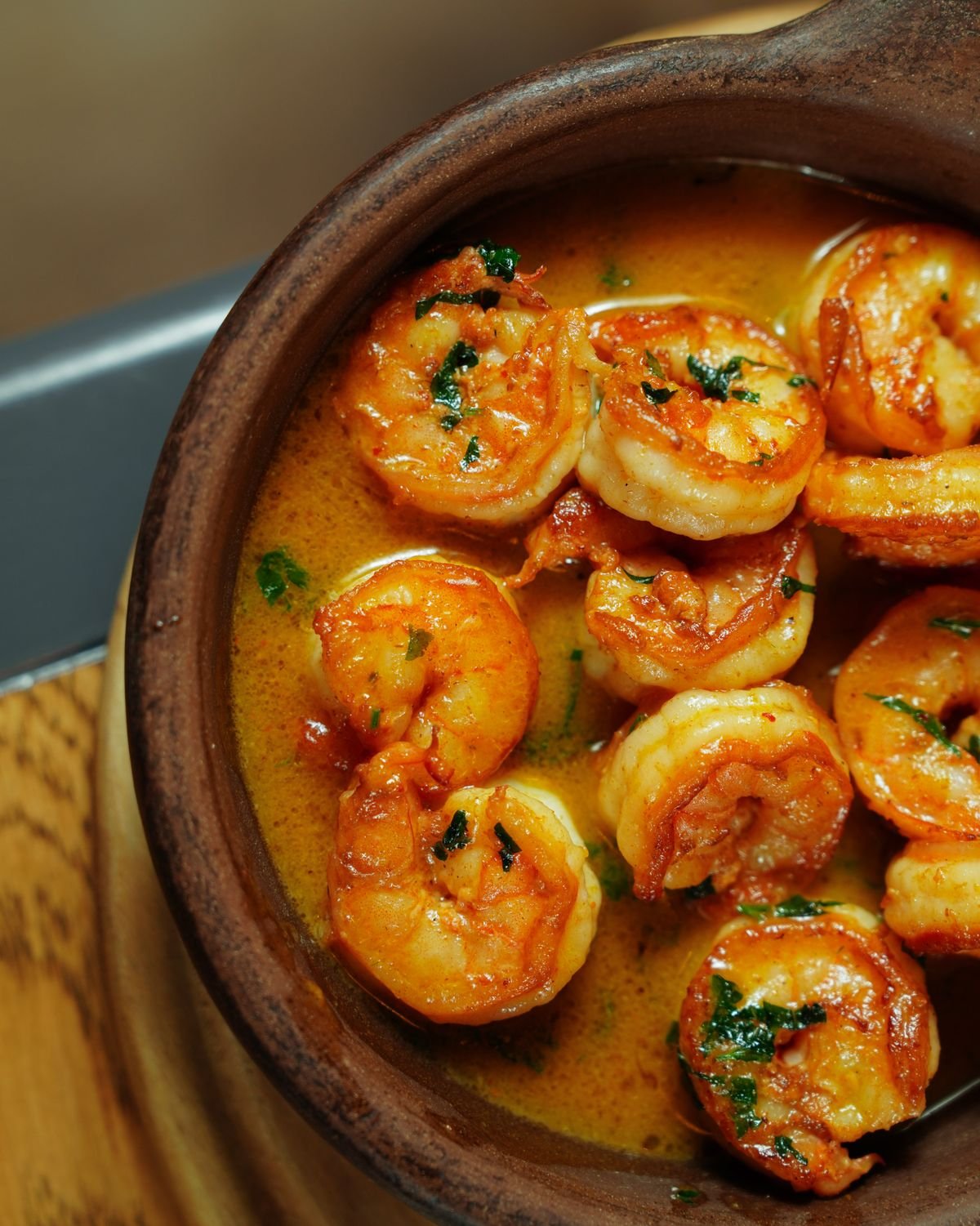
Garlic Butter Shrimp is one of the fastest good dinners you can make: plump shrimp cooked in a pan of foaming garlic butter, finished with lemon, parsley and a pinch of chilli flakes. It takes 25 minutes from start to finish, and the sauce is so good you will want bread to mop up every drop. It is the kind of dinner that tastes far more impressive than the effort it takes.
The story behind Garlic Butter Shrimp
Shrimp has been a staple of the American coast for centuries, from the shrimp boats of the Gulf of Mexico to the low country of South Carolina and Georgia. In the south, shrimp cooked in butter and garlic became a fixture of home kitchens and seafood shacks alike, a quick dish that turned a morning's catch into supper. The garlic butter version is the simplest form of that tradition. The boats came in at dawn and the shrimp were in the pan by lunch. There was no time for long cooking, and none was needed: the shrimp were fresh, the butter was rich, and the meal was done in minutes.
The dish grew out of practical cooking. Shrimp cook in minutes, butter was always in the kitchen, and garlic and lemon were cheap and plentiful. Cooks learned that a hot pan, a knob of butter and a few cloves of garlic could turn plain shrimp into something worth sitting down for. The method spread from the coast inland, and today it appears on menus from Florida to California. Each region adds its own touch. Some cooks add a splash of hot sauce, others a little cream, but the core of the dish never changes: hot pan, butter, garlic, shrimp.
What makes it special is the sauce. Butter, garlic, lemon juice and the juices the shrimp release in the pan come together in a few minutes into something rich, garlicky and bright. The chilli flakes add a gentle warmth, and the parsley keeps it fresh. The shrimp themselves stay sweet and tender if you cook them fast and take them off the heat at the right moment. The sauce is the reward for cooking the shrimp properly. The butter picks up the sweetness of the shrimp and the bite of the garlic, and the lemon keeps it from feeling heavy.
Cook it when you need dinner in a hurry and want it to taste like more than a quick fix. It suits a weeknight, a small dinner party, or a summer evening when the grill is not an option. Serve it over rice, pasta or crusty bread, with a green salad on the side, and dinner is done. It is also a good dish for guests, as it cooks so fast that you can make it while everyone is already at the table.
- Prep time
- 15 mins
- Cook time
- 10 mins
- Total time
- 25 mins
- Servings
- 4 servings
- Calories
- 380
Ingredients
- 600 g large raw shrimp, peeled and deveined, tails on
- 60 g unsalted butter
- 2 tablespoons olive oil
- 6 garlic cloves, thinly sliced
- 1 teaspoon chilli flakes
- 120 ml dry white wine or chicken stock
- 1 lemon, half juiced and half cut into wedges
- 3 tablespoons chopped flat-leaf parsley
- Salt and black pepper, to taste
- Crusty bread or cooked rice, to serve
Instructions
- Pat the shrimp dry with kitchen paper and season them with salt and pepper. Dry shrimp brown in the pan instead of steaming, which is the difference between a good sear and a pale, rubbery result. Leave them at room temperature while you prepare the rest.
- Melt half the butter with the olive oil in a large frying pan over medium-high heat. When the butter foams and the foam starts to settle, the pan is hot enough. The oil stops the butter from burning while the shrimp sear.
- Add the shrimp to the pan in a single layer, leaving space between them. Cook for 2 minutes without moving them, until the undersides turn pink and opaque and the edges curl slightly. If the pan is crowded, cook in two batches.
- Turn each shrimp and cook for 1 to 2 minutes more, until the second side is pink and the shrimp have curled into a loose C shape. A tight O shape means they are overcooked. Lift them out onto a plate and set aside.
- Lower the heat to medium and add the remaining butter to the same pan. Add the sliced garlic and chilli flakes and cook for 1 minute, stirring, until the garlic smells sweet and turns pale gold at the edges. Do not let it brown, or it will taste bitter.
- Pour in the white wine and let it bubble for 1 minute, scraping up the browned bits from the bottom of the pan with a wooden spoon. Those bits are full of flavour, and the wine loosens them into the sauce.
- Squeeze in the lemon juice and let the sauce simmer for 1 minute until it thickens slightly and turns glossy. Taste and add salt and pepper if it needs it. The sauce should be rich, garlicky and bright.
- Return the shrimp to the pan with any juices from the plate and toss them through the sauce for 30 seconds, just to warm them through. Scatter over the parsley and serve at once, with lemon wedges and bread or rice to catch the sauce.
- Taste the sauce once more and add a final squeeze of lemon if it needs brightness. The sauce should taste rich and garlicky, with a sharp edge from the lemon.
- Wipe the rim of the serving dish and carry it to the table at once. Shrimp cool quickly, and the sauce thickens as it stands, so serve while it is still glossy and hot.
Pro tips
- Pat the shrimp dry before they hit the pan. Wet shrimp steam and turn rubbery, while dry shrimp sear and pick up a golden edge. Kitchen paper is the fastest way to do it.
- Do not overcook the shrimp. Two minutes on the first side and one to two on the second is enough for large shrimp. They are done when they curl into a loose C shape, not a tight O.
- Watch the garlic closely. It goes from pale gold and fragrant to brown and bitter in seconds, so keep the heat at medium and stir it constantly. If it browns, start the sauce again.
- Cook the shrimp in a single layer with space between them. A crowded pan drops the temperature and the shrimp steam instead of searing. Two batches take only a few extra minutes and give a far better result.
- Serve it at once. Shrimp keep cooking in the residual heat of the pan, so take them off the heat the moment they are done and get them to the table while the sauce is still glossy.
Variations & serving ideas
For a spicier version, double the chilli flakes and add a finely chopped fresh red chilli with the garlic. The extra heat suits the rich butter sauce, and a squeeze of lime instead of lemon gives it a sharper edge. Taste as you go, since fresh chillies vary in strength. A lime wedge on the side lets each person add as much sharpness as they like, and the zest stirred into the sauce gives it a fresh, green scent.
Turn it into a pasta dish by tossing the finished shrimp and sauce through 300 g of cooked linguine, with a splash of the pasta water to loosen the sauce. The strands pick up the garlic butter beautifully, and the dish becomes a full meal in one pan. Use a wide pan for the pasta so the strands sit in the sauce rather than clumping, and save a mug of the cooking water to loosen the sauce at the end.
Add a handful of cherry tomatoes to the pan with the garlic for a sweeter sauce. They soften in a couple of minutes and release their juices into the butter, giving the sauce a light tomato note. A spoonful of capers stirred in at the end adds a salty pop. Drain the capers well and rinse them first, as the brine they sit in is very salty and can take over the sauce.
Serve it over steamed rice, with crusty bread for the sauce, or as part of a seafood spread with grilled fish and a green salad. Pair it with a cold white wine or a glass of sparkling water with lemon. The dish is rich, so keep the sides simple and fresh. A cold beer works just as well as wine here, and a basket of bread on the table is not optional: the sauce is too good to leave in the pan.
Getting it right
The key technique is the sear. The pan must be hot, the shrimp must be dry, and they must sit still for 2 minutes so the underside turns pink and opaque with a golden edge. Moving them too soon stops the sear from forming, and a cool pan steams them instead. Patience for those two minutes is the whole dish. If the shrimp release water and the pan goes quiet, the heat is too low. Turn it up and let the water steam off before the shrimp go in, or they will boil instead of sear.
Heat and timing control everything else. The garlic cooks for just 1 minute at medium heat, the wine bubbles for 1 minute to lift the browned bits, and the shrimp return to the pan for only 30 seconds at the end. Each step is short, and the dish comes together in under 10 minutes once the pan is hot. Have everything ready before the pan goes on the heat. Garlic, lemon, parsley and wine should all be within reach, as there is no time to chop once the shrimp start cooking.
The common mistake is leaving the shrimp in the pan while you make the sauce. They overcook in minutes and turn tough and rubbery. Take them out the moment they curl into a C shape, make the sauce in the empty pan, and return them only to warm through. If your shrimp are already tight Os, they are overdone. A good habit is to pull the shrimp out a few seconds before you think they are ready. The heat left in them finishes the cooking on the plate, and they will be tender rather than tough.
Storing & reheating
Garlic butter shrimp is best eaten fresh, straight from the pan. Leftovers keep in a sealed container in the fridge for up to 2 days, though the shrimp will firm up. Reheat them gently in a pan over low heat with a knob of butter, just until warm, and do not let them boil.
Do not freeze the finished dish. The shrimp turn rubbery when thawed and the butter sauce splits. If you want to plan ahead, peel and devein the shrimp the day before and keep them covered in the fridge, then cook the dish fresh when you are ready to eat.
Frequently asked questions
Can I use frozen shrimp?
Yes. Thaw them fully in the fridge overnight or under cold running water, then pat them very dry. Frozen shrimp release extra water, so drying them well is the key to a good sear. Thaw them in a colander so the water drains away, and never use warm water, which starts to cook the edges.
Should I leave the tails on?
It is your choice. Tails look good and give you something to hold, but they make the shrimp harder to eat with a fork. Remove them if you plan to toss the shrimp through pasta. Tails also make the dish look more elegant on the plate, which suits a dinner party or a special occasion.
What size shrimp should I buy?
Large shrimp, about 16 to 20 per pound, work best. They sear well and stay juicy. Small shrimp overcook in seconds and are easy to ruin, so avoid them for this dish. Medium shrimp can work if you shorten the cooking time, but watch them closely as they cook much faster.
Can I make it without wine?
Yes, use chicken stock instead. It gives a rich, savoury sauce without the wine. Add a little extra lemon juice at the end to keep the sauce bright and balanced. A splash of water with a squeeze of lemon also works in a pinch, though the sauce will taste a little lighter.
How do I know when shrimp are done?
They turn pink and opaque and curl into a loose C shape. If they curl into a tight O, they are overcooked. Large shrimp need about 2 minutes on the first side and 1 to 2 on the second. The flesh should be opaque all the way through, with no grey or translucent patches left in the thickest part.
What should I serve with it?
Crusty bread is the classic partner, for mopping up the garlic butter sauce. It is also good over rice or pasta, or with a simple green salad. Keep the sides plain and let the shrimp lead. For a fuller meal, start with a light soup or a green salad, and finish with fresh fruit.