Honey Mustard Chicken Recipe
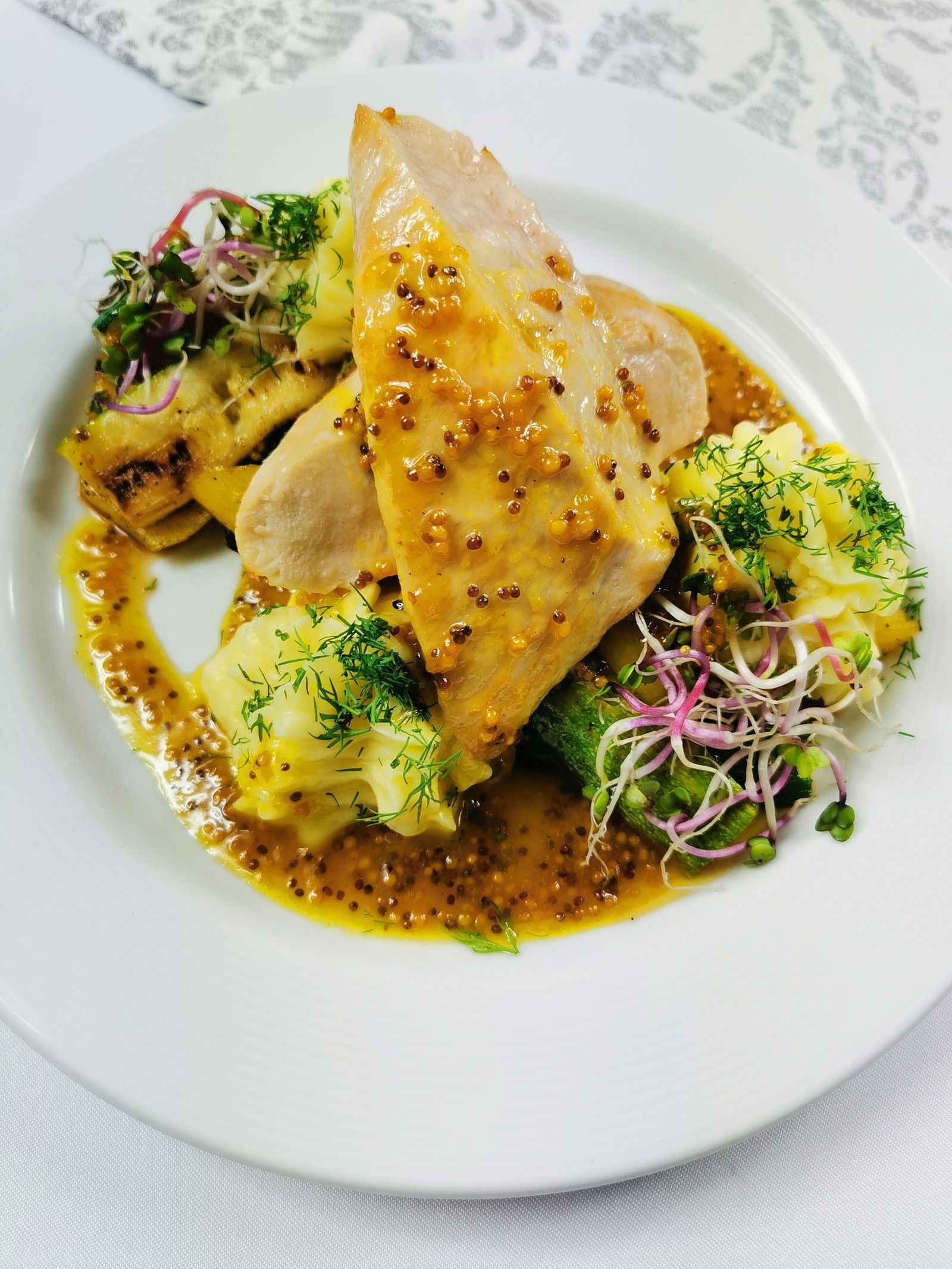
Honey Mustard Chicken is the weeknight dinner that never lets you down. Chicken thighs bake in a sauce of honey, Dijon mustard, and garlic until the edges caramelise and the meat stays juicy. The sauce is sweet, sharp, and just a little sticky, and it is so good you will want bread on the table to mop up every last bit.
The story behind Honey Mustard Chicken
Honey mustard is a thoroughly American flavour, born in the delis and diners where mustard met honey as a dip for chicken tenders and pretzels. Somewhere along the way, cooks started pouring that same sauce over chicken and baking it, and a simple dip became a full dinner. It spread through home kitchens in the 1980s and 1990s, when quick family meals with a sweet-savoury balance were exactly what busy households wanted. The sauce itself had been around longer, served in small pots beside fried chicken, and it took a practical cook to realise it worked just as well poured over a whole tray of thighs.
This is a dish of the American weeknight table: fast, forgiving, and popular with children and adults alike. It shows up at potlucks, on sheet pans after school, and in slow cookers on days when nobody has time to stand at the stove. The appeal is simple. You mix five things in a bowl, pour them over chicken, and dinner mostly cooks itself while you set the table. It is also a forgiving recipe for a new cook, because the sauce hides small mistakes and the chicken tells you plainly when it is done.
What makes this version work is the balance in the sauce and the choice of cut. Dijon mustard brings a sharp, grown-up heat that keeps the honey from tasting like dessert, and a little soy sauce adds salt and depth. Chicken thighs stay moist through the bake in a way that breasts often do not, and their skin, if you keep it on, crisps at the edges in the hot sauce. A squeeze of lemon at the end wakes the whole dish up. Wholegrain mustard adds little pops of texture and a milder heat, while the Dijon does the sharper work, and together they keep the sauce from tasting flat.
Cook this on a busy evening, when you need dinner on the table in under an hour with one pan to wash. It also works for a casual weekend lunch, served with rice or roast potatoes and a green vegetable. If you are feeding a crowd, it doubles easily in a bigger dish, and nobody will complain about the leftovers. It also travels well to a potluck, because it holds its heat in a covered dish and the sauce stays glossy even after twenty minutes in the car.
- Prep time
- 10 mins
- Cook time
- 35 mins
- Total time
- 45 mins
- Servings
- 4 servings
- Calories
- 520
Ingredients
- 8 bone-in, skin-on chicken thighs (about 1 kg)
- 3 tablespoons honey
- 3 tablespoons Dijon mustard
- 1 tablespoon wholegrain mustard
- 2 garlic cloves, finely grated
- 1 tablespoon soy sauce
- 1 tablespoon apple cider vinegar
- 1 tablespoon olive oil
- 1 teaspoon smoked paprika
- Salt and black pepper, to taste
- 1 lemon, cut into wedges, to serve
- 2 tablespoons chopped fresh parsley, to serve
Instructions
- Heat the oven to 200°C. Pat the chicken thighs dry with kitchen paper and season them all over with salt, pepper, and the smoked paprika. Dry skin browns far better than damp skin, so take a moment over this step.
- Whisk the honey, both mustards, garlic, soy sauce, vinegar, and olive oil in a bowl until the sauce is smooth and glossy. Taste it: it should be sweet first, then sharp, with a warm background of garlic. Add a little more mustard if you like it sharper.
- Heat a large ovenproof skillet over medium-high heat and place the thighs skin side down. Cook them for 5 minutes without moving them, until the skin turns deep golden and crisp and the fat renders out. The sizzle should be steady, not violent. Listen for the sizzle as the skin goes down, because a quiet pan means the heat is too low and the skin will steam instead of crisping.
- Turn the thighs over and pour the honey mustard sauce around them, spooning some over the top of each piece. The sauce will bubble as it hits the hot pan, and the smell of honey and mustard will fill the kitchen straight away.
- Slide the skillet into the oven and bake for 25 minutes, basting the thighs once halfway through with the pan sauce. The sauce will thicken and darken as it cooks, and the chicken is done when the juices run clear and the thickest part reads 74°C on a thermometer.
- Check the sauce in the last 5 minutes. Honey burns quickly, so if the edges of the pan start to darken too much, add a splash of water and stir it in. You want a sticky glaze, not a blackened crust.
- Take the skillet out of the oven and let the chicken rest for 5 minutes. The meat relaxes, the juices settle, and the sauce thickens slightly as it cools. Resting is a small step that makes a real difference to how juicy the chicken tastes.
- Squeeze a lemon wedge over the thighs and scatter the chopped parsley on top. The lemon cuts through the sweetness of the honey and brightens the whole dish, so do not skip it.
- Serve the chicken straight from the pan, spooning the sauce over each piece. Put the pan on the table on a trivet and let everyone help themselves, with rice, potatoes, or crusty bread to catch the sauce.
Pro tips
- Use bone-in, skin-on thighs for the best result. The bone keeps the meat juicy and the skin crisps beautifully; boneless thighs work too, but take 5 minutes off the bake.
- Pat the chicken dry before seasoning. Moisture on the skin is the enemy of crispness, and even a quick blot with kitchen paper makes a visible difference. A paper towel pressed firmly over each thigh takes off more moisture than a light dab, and dry skin is what gives you a proper golden crust.
- Taste the sauce before it goes on the chicken. Honeys vary in sweetness, so adjust with a little more mustard or vinegar until it tastes balanced to you.
- Do not walk away in the last few minutes. Honey caramelises fast, and the line between a sticky glaze and a burnt one is only a couple of minutes. Honey begins to darken quickly above 200°C, so if your oven runs hot, drop it to 190°C and add five minutes to the bake.
- Let the chicken rest for five minutes before serving. Cutting into it straight from the oven lets the juices run out onto the plate instead of staying in the meat.
Variations & serving ideas
Boneless, skinless chicken breasts work if you prefer them, but reduce the oven time to 20 minutes and check them early, because breasts dry out fast. Chicken drumsticks are another good swap, and they need about 5 extra minutes in the oven. For a lighter version, use the same sauce on salmon fillets and bake for 12 to 15 minutes. Pork chops take the same sauce beautifully, seared first and baked for about twenty minutes, and the honey glaze suits them just as well as chicken. Chicken drumsticks are another good swap, and they need about five extra minutes in the oven to cook through.
Change the sauce to suit your taste. A spoonful of mayonnaise stirred in makes it creamier, while a pinch of chilli flakes or a dash of hot sauce gives it a gentle kick. Maple syrup can replace the honey for a deeper, woodier sweetness, and wholegrain mustard on its own gives a milder, more textured sauce. A teaspoon of garlic powder stirred into the sauce adds a deeper savoury note, and a little finely grated ginger gives it a warm, fresh edge. A pinch of chilli flakes or a dash of hot sauce gives the sauce a gentle kick without changing its character.
Serve the chicken with buttered rice, roast potatoes, or creamy mashed potatoes, all of which soak up the sauce beautifully. A simple green salad or steamed green beans adds freshness and colour to the plate. Crusty bread is the simplest partner of all, and the best way to finish the sauce. Buttered corn on the cob is a natural partner in summer, and in winter a pile of roasted root vegetables does the same job of soaking up the sauce.
This is a weeknight staple, so keep the sides simple too. A cold beer or a glass of chilled white wine suits it, and lemonade works well for younger eaters. It is also a good dish for a casual gathering, because it holds well in a warm oven for twenty minutes while people arrive. It is also a good dish for a casual gathering, because it holds well in a warm oven for twenty minutes while people arrive.
Getting it right
The key technique here is searing the skin before the bake. A hot skillet renders the fat out of the skin and crisps it, and that crispness survives the oven because the sauce goes around the chicken rather than drowning it. If you skip the sear and put raw thighs straight into the sauce, the skin stays pale and soft, and the whole dish feels flatter. If you do not have an ovenproof skillet, sear the chicken in a frying pan and transfer it to a baking dish with the sauce poured over the top.
Heat control matters most at two points. The skillet should be hot enough that the skin sizzles the moment it touches the pan, but not so hot that the fat smokes. In the oven, 200°C is hot enough to caramelise the honey without burning it, as long as you watch the last five minutes. Basting halfway through keeps the tops glossy and stops the sauce from drying out. Basting is worth the effort, because the sauce on top of the thighs thickens and darkens in the oven while the sauce underneath stays thinner.
The most common mistake is overcooking the chicken while waiting for the sauce to thicken. Trust a thermometer: 74°C at the thickest part means done. If the sauce is still thin, take the chicken out and simmer the sauce on the hob for a few minutes instead. The other mistake is a sauce that tastes one-note, which usually means it needs more acid, so add a squeeze of lemon or a splash more vinegar. If the skin softens during the bake, a minute or two under a hot grill at the end will crisp it again, though you must watch it closely.
Storing & reheating
Store leftover chicken in the sauce in a sealed container in the fridge for up to 3 days. The sauce keeps the meat moist, and the flavours actually deepen overnight, so the leftovers often taste better than the first serving. Shredded cold chicken from this dish is excellent in sandwiches or wraps. The sauce may separate slightly in the fridge, but a gentle stir while reheating brings it back together without any trouble.
Reheat it gently in a covered pan over low heat with a splash of water, or in a 170°C oven for 15 minutes until hot through. Avoid the microwave at full power, because it can toughen the meat and make the sauce separate. Freeze cooked thighs in their sauce for up to 2 months, and thaw overnight in the fridge.
Frequently asked questions
Can I use chicken breasts instead of thighs?
Yes, boneless breasts work, but reduce the oven time to about 20 minutes and check them with a thermometer. Breasts dry out more easily than thighs, so take them out as soon as they reach 74°C and let them rest before slicing.
Is honey mustard chicken very sweet?
It is sweet, but the Dijon mustard, vinegar, and lemon keep it balanced. If you prefer it sharper, add an extra tablespoon of Dijon or a little more vinegar. Taste the sauce before baking and adjust it to your liking. A squeeze of lemon sharpens it without changing anything else.
Can I make this in a slow cooker?
Yes, place the thighs in the slow cooker, pour the sauce over them, and cook on low for 4 hours or high for 2 hours. The skin will not crisp, so if you want colour, brown the thighs in a pan first or finish them under the grill.
What should I serve with honey mustard chicken?
Rice, roast potatoes, or mashed potatoes all work well because they soak up the sauce. Add a green vegetable such as green beans or broccoli, or a simple salad, to balance the richness. Crusty bread is also a great choice for mopping up. Roasted carrots and parsnips are good partners too.
Can I prepare honey mustard chicken ahead?
Yes, you can mix the sauce and season the chicken up to a day ahead and keep them covered in the fridge. On the day, sear and bake as usual. Cooked leftovers keep for 3 days and reheat well in a covered pan.
Why did my sauce burn in the oven?
Honey burns quickly at high heat, especially if the sauce pools at the edges of the pan. Keep the oven at 200°C, check the pan in the last five minutes, and add a splash of water if the edges darken. A larger pan also helps, because the sauce spreads thinner.