Memelas Recipe
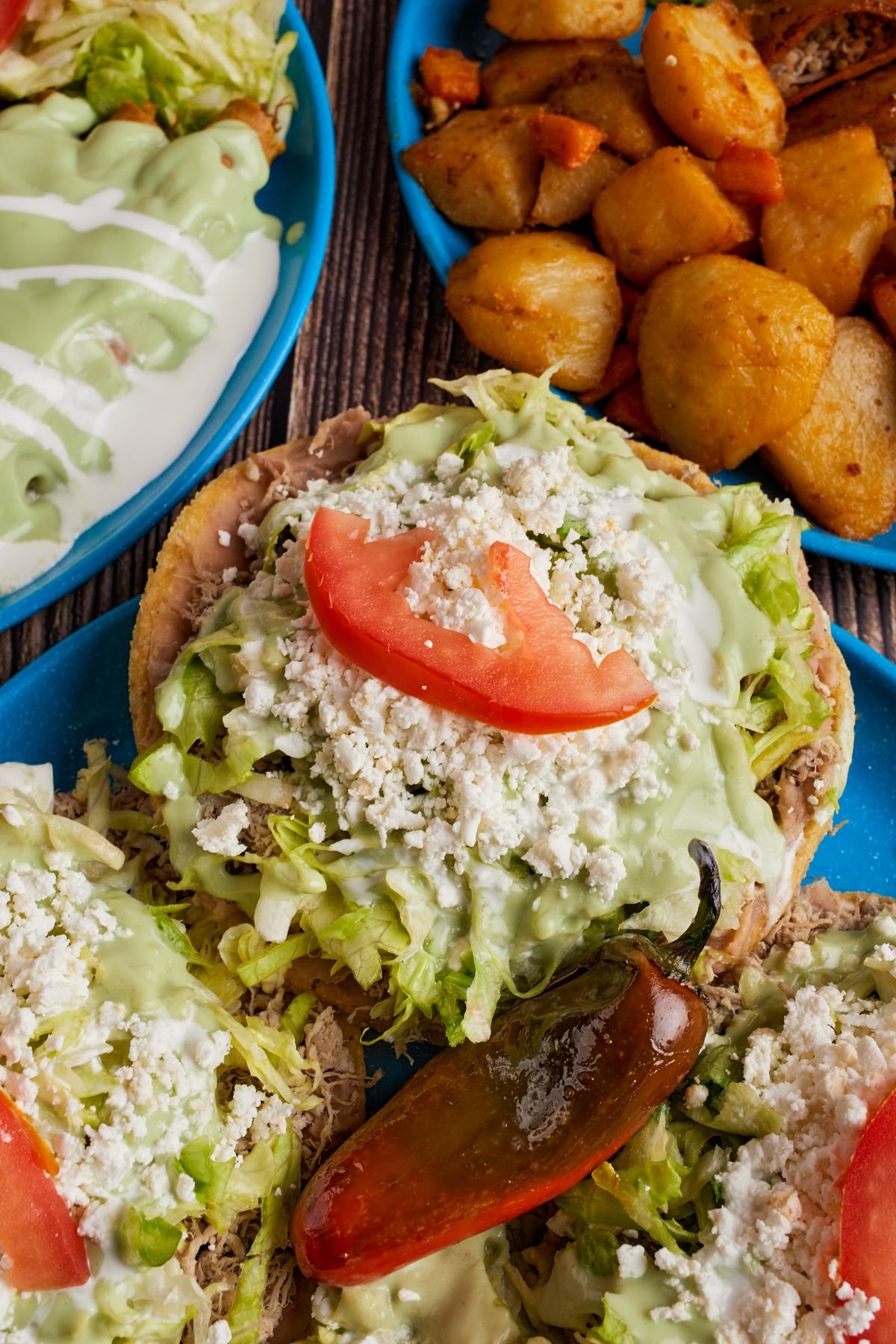
Memelas are thick, hand-pressed masa cakes from Oaxaca, griddled until golden and topped with smoky black beans, fiery salsa and crumbled cheese. They are warm, filling and full of real pepper heat. Make a big batch, pile them high, and let everyone build their own at the table. They are naturally gluten-free too, since the cakes are made from masa harina, not wheat flour.
The story behind Memelas
Memelas come from Oaxaca, a state in southern Mexico famous for its deep food traditions. The word comes from the Nahuatl language, and the cakes themselves are older than the Spanish arrival in Mexico: corn dough pressed by hand and cooked on a hot clay griddle, the comal, which has been the heart of the Mexican kitchen for centuries. Memelas are the everyday food of Oaxacan markets, cooked fresh on the comal and topped with whatever the vendor has that morning.
In Oaxaca, memelas are market food and family food at the same time. Vendors press the cakes to order, and customers eat them standing at the stall, hot from the griddle, with beans and salsa spooned over the top. At home, families make a big batch on the weekend, and everyone gathers around the table to top their own. The dish is simple, but it carries the flavour of corn, smoke and chilli that defines Oaxacan cooking.
What makes memelas special is the masa itself. Masa harina is corn that has been soaked in lime water, a process called nixtamalization, which gives the dough a soft, earthy flavour and a tender texture you cannot get from ordinary cornmeal. The cakes are thick enough to hold a generous topping, crisp at the edges and soft in the middle. The pinched rim is not decoration; it keeps the beans and salsa where they belong, in a little well on top of the cake.
This is a dish for people who love real heat, and it suits Nigerian tastes beautifully. The salsa brings a proper pepper kick, the beans make it filling, and the whole meal comes together as a one-pot style family feast: cakes from the griddle, beans from the pot, salsa from the bowl, all meeting on one plate. Serve memelas when the table is full and everyone is hungry, with extra salsa for those who like it hot and a milder bowl for the children.
- Prep time
- 30 mins
- Cook time
- 25 mins
- Total time
- 55 mins
- Servings
- 4 servings
- Calories
- 420
Ingredients
- 300 g masa harina
- 300 ml warm water, plus extra as needed
- 1 teaspoon fine sea salt
- 1 tablespoon vegetable oil, plus extra for the griddle
- 200 g cooked black beans, mashed
- 1 teaspoon ground cumin
- 2 tablespoons chipotle in adobo, chopped
- 200 g salsa roja, hot or medium
- 100 g queso fresco, crumbled
- 1 small red onion, finely diced
- 1 ripe avocado, diced
- 2 tablespoons chopped fresh cilantro
- 1 lime, cut into wedges
Instructions
- Tip the masa harina and salt into a large bowl and stir them together. Pour in the warm water and the tablespoon of oil, then mix with your hands until a soft dough forms. Knead it for two minutes until it feels smooth and moist, like soft playdough. If it cracks when you squeeze it, add warm water a tablespoon at a time until it holds together.
- Cover the dough with a damp cloth and let it rest for 15 minutes. The rest lets the masa absorb the water fully, which makes the cakes tender instead of dry. While it rests, warm the mashed black beans in a small pan with the cumin over low heat. The beans should be thick and spreadable, smelling warm and earthy.
- Divide the dough into eight equal pieces and roll each one into a smooth ball. Press each ball between your palms into a thick disc about 10 cm across and 1 cm thick. The edges may crack a little; smooth them with wet fingertips. The discs should feel sturdy, with a slightly raised rim you can pinch around the edge.
- Heat a large dry comal, griddle or heavy frying pan over medium-high heat. The surface should be hot enough that a drop of water sizzles and dances. Lay two or three memelas on the hot surface, leaving space between them. Cook for three minutes, until the underside is golden with dark speckles and smells toasty.
- Flip each memela and cook the second side for another three minutes. Press the centre gently with a spatula so it cooks evenly. The cakes should puff slightly in the middle and feel firm when you press them. If a cake feels soft and pale, give it another minute on each side.
- While the memelas are still hot, pinch a shallow rim around the edge of each one with your fingertips, so the toppings sit in a little well. This takes only a few seconds per cake and stops the beans and salsa from sliding off. Work quickly while the cakes are warm and flexible, because they firm up as they cool.
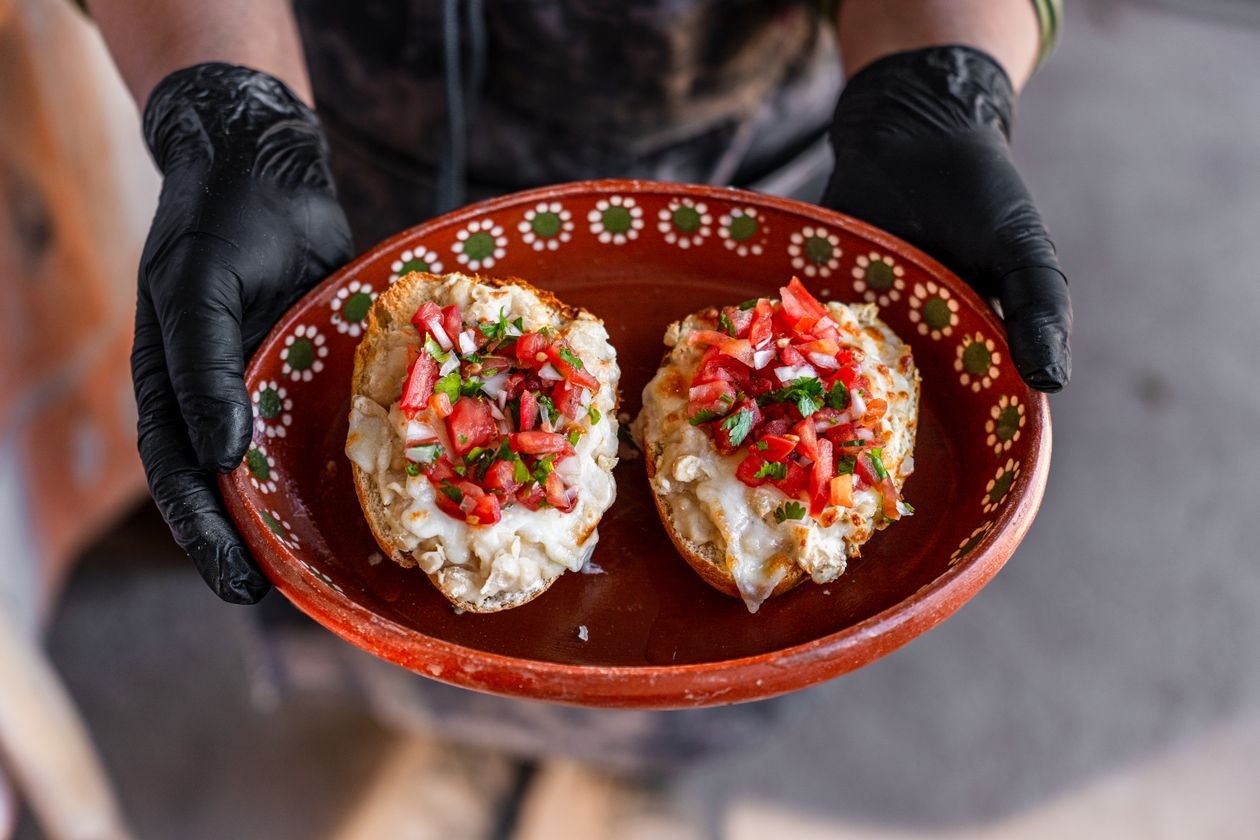
- Spread a generous spoonful of the warm black beans over each memela, right to the pinched rim. The beans should be thick enough to stay put. Spoon over the salsa next, using as much heat as your table likes. A hot salsa gives the cakes a real pepper kick, while a medium salsa keeps them friendly for children.
- Scatter the crumbled queso fresco, diced red onion and avocado over the beans and salsa. The cheese softens slightly from the heat of the cake, the onion adds a sharp crunch, and the avocado brings a cool, creamy contrast to the spicy salsa. Finish with chopped cilantro and a squeeze of lime over each one.
- Serve the memelas at once, while the cakes are still warm and the toppings are fresh. Stack them on a large platter and pass extra salsa, chipotle and lime wedges at the table. Eat them with your hands, folding the cake slightly as you lift it, and have napkins ready because the salsa always runs a little.
Pro tips
- Use warm water for the dough, not cold. Warm water hydrates the masa harina faster and gives a smoother, more flexible dough that presses without cracking at the edges.
- Keep the dough covered with a damp cloth while you shape the cakes. Masa dries out quickly in open air, and dry dough cracks when you press it, so cover the bowl and the shaped discs until they hit the griddle.
- Press the cakes with wet fingertips if the edges crack. A little water on your fingers smooths the rim and seals the cracks, and it keeps the dough from sticking to your hands as you work.
- Pinch the rim while the cakes are still hot. The cakes are flexible for a minute or two after they come off the griddle, and the rim is what holds the beans and salsa in place. Once the cakes cool, they firm up and the rim is harder to shape.
- Taste your salsa before you spoon it on. Memelas need a salsa with real pepper heat to balance the mild masa, so choose a hot salsa if your table likes it spicy, and set out a milder one for anyone who prefers less fire.
Variations & serving ideas
The beans are the easiest topping to change. Black beans are classic, but refried pinto beans, a smoky bean stew, or even a spiced lentil mash all work well on a memela. For a richer topping, add a spoonful of shredded chicken or pulled pork over the beans. A fried egg on top turns a memela into a hearty breakfast that will keep you going until lunch.
The salsa sets the heat level, so choose it to suit your table. A hot red salsa with chipotle gives a smoky fire that Nigerian pepper lovers will enjoy, while a green tomatillo salsa tastes brighter and fresher. A simple chopped tomato, onion and chilli salsa, made fresh in five minutes, is also excellent. Set out two salsas at once and let everyone choose their own level of heat.
Serve memelas family-style, on a large platter with the toppings in bowls alongside. This is a one-pot kind of meal in spirit: the cakes, the beans and the salsa all come together on the plate, and everyone eats with their hands. It suits a weekend family feast, a casual dinner with friends, or a lively lunch where the food is the centre of the table.
Pair memelas with a cold drink that tames the heat. A lime soda, a hibiscus agua fresca, or a cold beer all work well with the spicy salsa. A simple cabbage slaw with lime and salt adds crunch and freshness on the side. Finish with fresh mango or pineapple, which cools the palate after the pepper heat and rounds off the meal.
Getting it right
The key skill in memelas is the masa dough, and the secret is the right amount of water. Add the warm water gradually and knead until the dough feels like soft playdough: moist, smooth and easy to press without cracking. If the dough cracks at the edges when you press a cake, it needs more water. If it sticks to your hands, it needs a little more masa harina. A 15-minute rest after mixing lets the flour absorb the water fully.
Heat control on the griddle is the second skill. The surface must be hot enough to speckle the cakes golden in three minutes, but not so hot that they burn before the inside cooks. Test with a drop of water: it should sizzle and dance. Cook each side for three minutes, pressing the centre gently so the cake cooks evenly. A cake that puffs slightly in the middle is a sign the dough and the heat are both right.
The most common mistake is a dry, cracked dough, which makes cakes that crumble instead of holding together. Add water a tablespoon at a time and keep the dough covered with a damp cloth while you work. The second common mistake is a thin cake, which goes crisp all the way through and cannot hold its toppings. Press the discs to about 1 cm thick, with a pinched rim, so they stay soft inside and sturdy enough to carry the beans and salsa.
Storing & reheating
Memelas are best eaten fresh from the griddle, while the cakes are warm and the toppings are bright. Once topped, they soften within an hour. Store the parts separately for the best results: keep the plain cooked cakes in a sealed container at room temperature for a day, and keep the beans, salsa and toppings in covered containers in the fridge for two days.
To reheat the plain cakes, warm them on a dry griddle over medium heat for two minutes per side, until they are hot and the edges crisp again. The masa dough itself keeps in the fridge for two days, wrapped tightly in cling film. Let it come to room temperature and knead in a tablespoon of warm water before shaping fresh cakes. Do not freeze topped memelas, as the salsa makes the cakes soggy.
Frequently asked questions
What is masa harina and can I use cornmeal instead?
Masa harina is a special corn flour made from corn soaked in lime water, then dried and ground. It gives memelas their soft, earthy flavour and their tender texture. You cannot replace it with ordinary cornmeal or polenta, which will not bind into a dough. Look for masa harina in Mexican grocery stores or online.
Can I use tinned black beans for memelas?
Yes, and it is a good way to use up leftovers. Warm the beans in a pan with a little oil and a pinch of cumin, then mash them roughly with a fork. They should be thick and spreadable, not runny. A tin of black beans, drained and mashed, works well when you are short on time.
Why does my masa dough crack when I press it?
Your dough is too dry, which is the most common problem with masa. Add warm water one tablespoon at a time and knead for a minute after each addition. The dough should feel like soft playdough: moist, smooth and easy to press without cracking at the edges. Cover it with a damp cloth while you work.
Can I make the masa dough ahead of time?
Yes. The dough holds up well: wrap it tightly in cling film and refrigerate it for up to two days. Let it come to room temperature for 20 minutes, then knead in a tablespoon of warm water before shaping. The cakes will be just as tender as when the dough was freshly made.
Are memelas gluten-free?
Yes, memelas are naturally gluten-free because masa harina contains no wheat. Check that your masa harina is certified gluten-free if you are cooking for someone with coeliac disease, since some brands are processed in facilities that also handle wheat. All the toppings in this recipe are gluten-free too.
How should I serve memelas for a family meal?
Serve them family-style on a large platter, with bowls of salsa, cheese and pickled onion alongside. A simple cabbage slaw with lime adds crunch and freshness. Memelas are a one-pot kind of meal: the beans, the salsa and the cakes come together on the plate, and everyone eats with their hands.