Tteok Mandu Guk Recipe
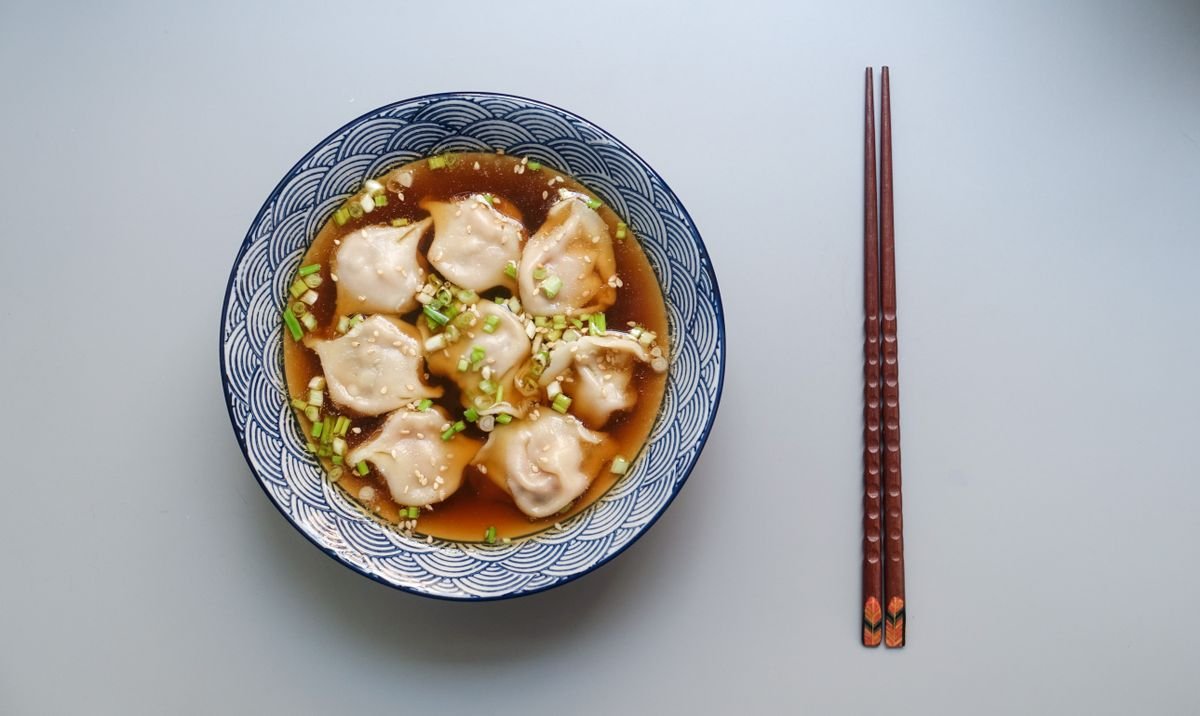
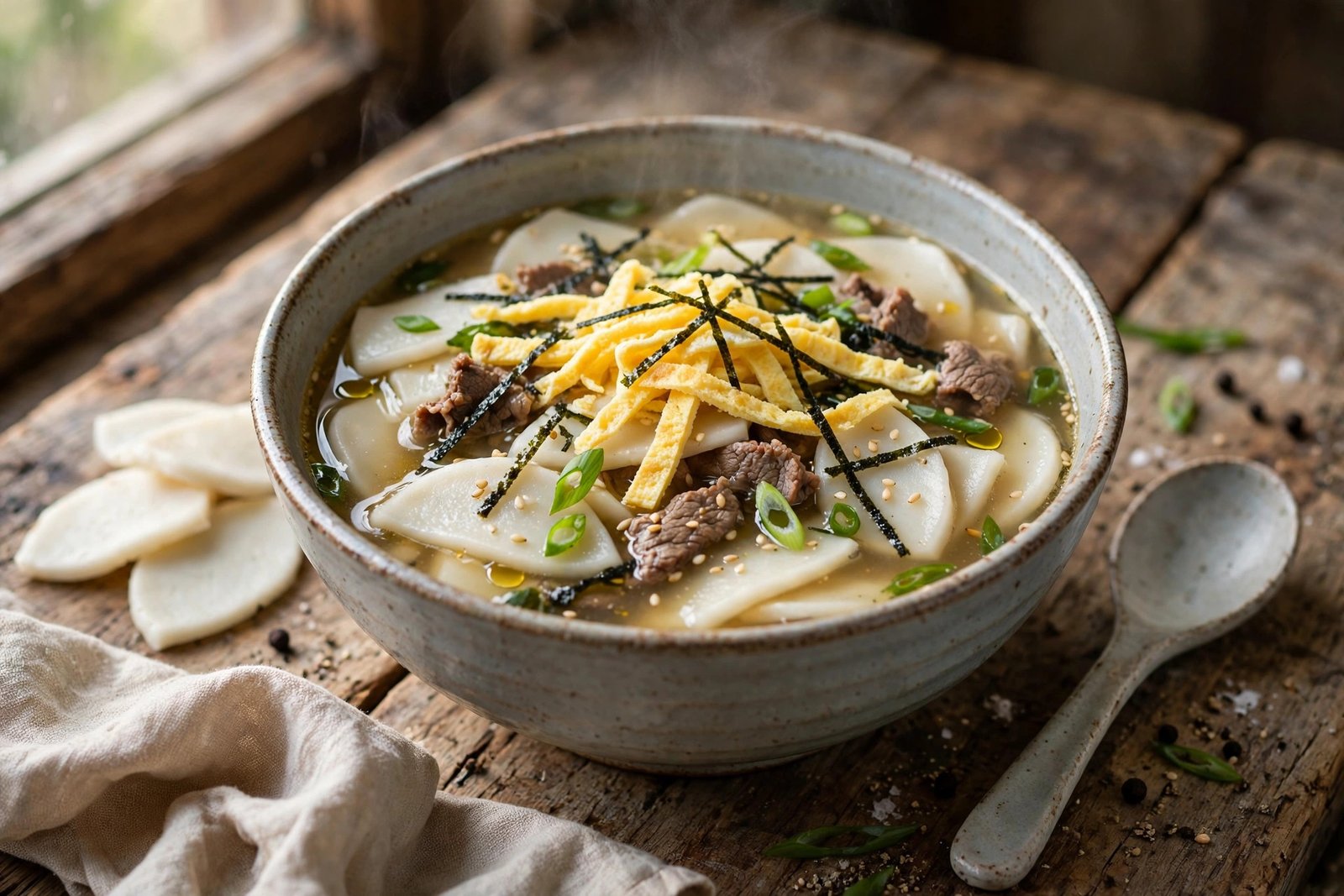
Tteok mandu guk is Korea's most comforting soup: chewy rice cakes and plump dumplings swimming in a clear, savoury beef broth, finished with ribbons of egg, spring onions and seaweed. It is warm, gentle and deeply satisfying, the kind of bowl that makes a cold day feel manageable and a family meal feel complete. It is the bowl to make when the weather turns cold, or when someone at the table needs something gentle and warm.
The story behind Tteok Mandu Guk
Tteokguk, the rice cake soup at the heart of this dish, is one of Korea's oldest foods, and it is tied to Seollal, the Lunar New Year. Eating a bowl on New Year's Day is a tradition said to mark another year of life, and the white, coin-shaped rice cakes are a symbol of a clean start and good fortune. Families gather to make the soup together, and the first bowl of the year is an occasion. The rice cakes are cut into thin ovals that look like coins, and eating them is said to bring good luck and a fresh start for the year ahead.
Mandu, the dumplings, came to Korea from China centuries ago and became a food of their own, filled with pork, beef, kimchi or vegetables and folded into neat half-moons. Adding them to tteokguk turns the light New Year soup into a heartier meal, and tteok mandu guk is now the version most families make at home, on New Year's Day and on cold winter evenings alike. Mandu fillings change with the season and the family, from pork and kimchi to beef, mushrooms or vegetables, and each version has its fans.
What makes it special is the contrast in the bowl. The rice cakes are soft and chewy, with a gentle, milky flavour. The dumplings are savoury and rich, their filling seasoned with garlic, ginger and spring onion. The broth is clear and clean, flavoured with beef, soy and sesame, and the egg ribbons and seaweed add colour and a soft, silky texture. A spoonful of sesame oil stirred in at the end gives the broth a warm, nutty smell, while the spring onions add a fresh bite.
Cook it on a cold day, or when someone in the house needs a gentle, warming meal. It suits a family lunch, a quiet dinner for two, or a New Year celebration. Serve it steaming hot in deep bowls, with kimchi on the side, and eat it slowly while the broth is still warm.
- Prep time
- 15 mins
- Cook time
- 25 mins
- Total time
- 40 mins
- Servings
- 4 servings
- Calories
- 450
Ingredients
- 400 g sliced rice cakes (tteok), soaked in cold water for 20 minutes
- 12 frozen or fresh mandu (Korean dumplings), pork or beef
- 1 litre beef stock
- 200 g beef brisket or stewing beef, in one piece
- 2 garlic cloves, crushed
- 1 tablespoon light soy sauce
- 1 tablespoon fish sauce
- 1 teaspoon sesame oil
- 2 eggs, beaten
- 2 spring onions, finely sliced
- 1 sheet dried seaweed (gim), cut into strips
- 1 teaspoon toasted sesame seeds
- Salt and black pepper, to taste
Instructions
- Put the beef brisket in a pot with the beef stock and bring it to a gentle simmer. Skim off any foam that rises, then lower the heat, cover and cook for 20 minutes, until the beef is tender enough to shred with a fork.
- Lift the beef out and shred it into thin strips with two forks. Strain the stock through a fine sieve into a clean pot, so the broth is clear. Skim off any foam that rises while the beef cooks, since it keeps the broth clean and clear. This clear broth is the base of the soup, so take a moment to get it right.
- Season the broth with the soy sauce, fish sauce and crushed garlic. Taste it: it should be savoury and clean, with a gentle saltiness. Add a pinch of salt if it needs it, remembering the dumplings and rice cakes will add their own flavour.
- Drain the soaked rice cakes and add them to the simmering broth. Cook for 5 to 6 minutes, until they turn soft and chewy and float to the surface. Stir gently so they do not stick to the bottom of the pot.
- Add the mandu to the pot and cook for 4 to 5 minutes, until they float and the wrappers turn slightly translucent. Fresh mandu cook a little faster than frozen, so watch them and lift one out to check the filling is hot through.
- Return the shredded beef to the pot and stir it through. Let the soup simmer for 1 minute more, so the beef warms through and the flavours come together.
- Turn the heat to low. Pour the beaten eggs in a slow, thin stream over the surface of the soup, stirring gently in one direction with a spoon. The egg will set into soft ribbons as it hits the hot broth. Pour slowly and stir gently in one direction, so the egg sets into long, silky ribbons rather than lumps.
- Take the pot off the heat and stir in the sesame oil. Taste the broth once more and adjust the salt or fish sauce. The soup should taste clean, savoury and lightly rich.
- Ladle the soup into deep, warm bowls, making sure each bowl gets rice cakes, dumplings and beef. Top with spring onions, seaweed strips and sesame seeds, and serve at once, with kimchi on the side.
Pro tips
- Soak the rice cakes before cooking. Dry tteok are hard and need 20 minutes in cold water to soften, or they will stay tough in the middle even after simmering in the broth.
- Skim the stock well while the beef cooks. The foam is harmless, but removing it keeps the broth clear and clean-tasting, which is the point of this soup. A fine sieve catches the small bits that a spoon misses, so take the time to strain it properly.
- Do not boil the soup hard once the mandu go in. A fierce boil can split the dumpling wrappers, so keep it at a gentle simmer and let them cook through slowly.
- Pour the egg in a thin stream and stir in one direction. A fast pour makes lumps, while a slow stream and a gentle stir give you the soft ribbons that make the soup look its best. Beat the eggs well first, so the ribbons come out even and pale gold rather than streaky.
- Taste the broth before serving. It should be savoury but light, so season in small steps and remember that the fish sauce and soy sauce are both strong.
Variations & serving ideas
For a vegetarian version, use a mushroom or vegetable stock and fill the mandu with kimchi and tofu instead of meat. The broth will be lighter but still savoury, and a spoonful of soy sauce and sesame oil keeps the depth. Add extra mushrooms for body. Dried shiitake mushrooms, soaked and sliced, give the broth a deep, earthy flavour that suits the mild rice cakes.
Swap the beef for chicken if you prefer. Poach a chicken breast in the stock for 15 minutes, then shred it the same way. The broth will be milder and a little sweeter, and the soup suits a lighter meal. A few dried anchovies simmered in the stock add a deeper, traditional flavour. A few slices of fish cake, or eomuk, added with the rice cakes, are another classic addition that many families love.
Add a handful of sliced mushrooms or a few leaves of spinach to the soup with the rice cakes. The mushrooms bring an earthy note, while the spinach wilts in seconds and adds colour. A spoonful of gochujang stirred into your own bowl gives a gentle heat without changing the pot. A drizzle of sesame oil and a pinch of ground black pepper in your own bowl lets you adjust the flavour to your taste.
Serve it with kimchi and a small plate of pickled radish for a full Korean meal. A bowl of steamed rice is not needed, since the rice cakes fill that role. Pair it with hot barley tea, and keep the table simple so the soup can lead. A cup of hot barley tea and a small plate of kimchi complete the meal, and the soup itself needs nothing more.
Getting it right
The key technique is the broth. A clear, well-seasoned beef stock is the whole dish, and it needs care: gentle simmering, regular skimming, and seasoning in small steps. The rice cakes and dumplings add their own flavour as they cook, so season the broth lightly at first and adjust at the end. Strain the broth through a fine sieve before you add the rice cakes, so it stays clear and clean-tasting.
Heat and timing control the dumplings. They need a gentle simmer, not a rolling boil, and 4 to 5 minutes is enough for most mandu. Overcooked wrappers split and leak their filling into the broth, which clouds it and wastes the best part. Lift one out and check that the filling is hot through before you serve. Frozen mandu need a minute longer than fresh ones, so check one by cutting it open and feeling the filling.
The common mistake is adding the egg too fast or too early. The egg goes in last, off a hard boil, in a slow stream, so it sets into ribbons rather than lumps. If the soup tastes flat, it usually needs a little more fish sauce or a pinch of salt, added while the pot is still hot. Stir the egg in one direction only, which keeps the ribbons long and silky instead of breaking them into small pieces.
Storing & reheating
This soup is best eaten fresh, while the rice cakes are soft and the broth is hot. If you have leftovers, store the broth, rice cakes and dumplings together in a sealed container in the fridge for up to 2 days. The rice cakes will firm up as they cool. Stir in a splash of hot water when you reheat, which loosens the rice cakes and brings the soup back to life.
Reheat gently in a pot over medium heat, stirring so the rice cakes do not stick. Add a splash of water or stock if the soup has thickened. Do not freeze it, as the rice cakes turn hard and grainy and the dumpling wrappers go soft when thawed. The broth on its own freezes well for up to a month, so make a double batch and save half for another day.
Frequently asked questions
What are tteok rice cakes?
Tteok are Korean rice cakes made from steamed rice flour, shaped into small oval discs. They are white, chewy and mildly flavoured, and they are the heart of tteokguk, the traditional New Year soup. They are sold dried or frozen in Korean groceries, and they need a good soak before cooking.
Can I use frozen mandu?
Yes, frozen mandu work well and are what most families use. Add them straight from the freezer and cook for 5 to 6 minutes, until they float and the filling is hot through. Do not thaw them first. They cook in 5 to 6 minutes from frozen, until they float and the wrappers look slightly translucent.
Why do Koreans eat this on New Year?
Tteokguk is the traditional Seollal dish, eaten on Lunar New Year. The white rice cakes are said to symbolise a clean start, and eating a bowl is a custom said to mark another year of life. Families often make it together on New Year's morning, and the first bowl is shared with elders.
Can I make the broth ahead?
Yes. Cook the beef and strain the broth up to 2 days ahead, then store it in the fridge. Reheat it to a simmer and cook the rice cakes and dumplings fresh when you are ready to eat. The rice cakes and mandu should always be cooked fresh, since they go soft if they sit in the broth.
What if I cannot find tteok?
Look for sliced rice cakes in the frozen section of a Korean or Asian grocery. If you cannot find them, the soup still works with just mandu, though the rice cakes are what make it tteok mandu guk. Look in the frozen section of a Korean or Asian grocery, where sliced rice cakes are sold in bags.
Is this soup spicy?
No, it is mild and gentle. The broth is savoury rather than hot. If you like heat, stir a spoonful of gochujang into your own bowl, or serve it with kimchi on the side. A spoonful of gochujang in your own bowl adds a gentle heat without changing the whole pot.