Jogi Gui Recipe
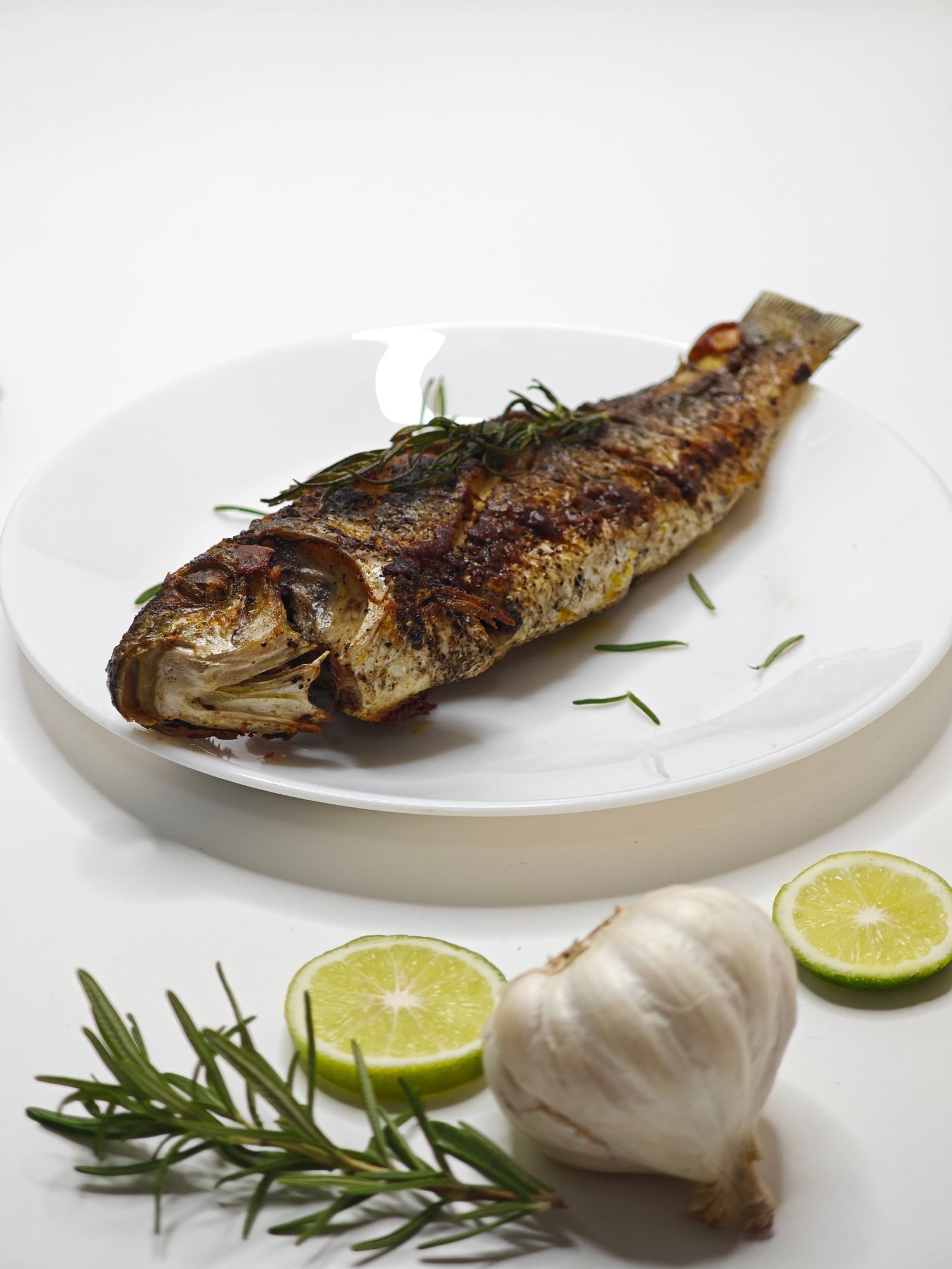
Golden, crisp-skinned yellow croaker, grilled until the flesh flakes in soft white layers and the skin crackles under your chopsticks. Jogi gui is a Korean classic — simple, salty, deeply savoury — and it needs little more than a hot grill, good fish and a squeeze of lemon. Serve it with rice and kimchi and dinner is done. It is a dish that rewards good fish and a hot grill, and it never needs a complicated sauce.
The story behind Jogi Gui
Jogi, the yellow croaker, has been prized in Korea for centuries, and the most famous of all comes from Yeonggwang, a coastal county in Jeolla Province on the south-west coast. There, the fish are salted and dried in the sea wind to make gulbi, a preserved croaker that was once so valued it was sent to the royal court as tribute. Grilled gulbi became the centrepiece of holiday tables, and even today a well-made jogi gui is a dish people serve when they want to honour their guests.
The fish also carries a ritual role. Jogi appears on the ancestral offering table at Chuseok, the harvest festival, and at jesa ceremonies, where families honour their ancestors with food. The fish is always served whole, head and tail intact, because completeness matters in ritual cooking. That same whole fish, grilled and set on a plate with rice and soup, is also everyday food in the coastal towns where croaker is caught — simple, honest cooking that has not changed much in generations.
What makes jogi gui special is the contrast between the skin and the flesh. The skin, brushed lightly with oil and grilled over strong heat, turns crisp and golden, with a salty bite that wakes up the palate. Inside, the white flesh is delicate and flaky, almost sweet, and it pulls apart in clean layers. A little soy-based dipping sauce or a squeeze of lemon is all it needs — the fish itself does the talking.
This is a dish for a calm, unhurried evening. The fish needs a short salt cure, the grill does the work in ten minutes, and the sides are things you can put together while it cooks. Serve it for a family meal in Australia when you want something light, a little bit special, and properly Korean — it looks impressive on the table, and it is far easier than it looks. If you can find croaker at a Korean grocer, buy a few extra and freeze them; a good fish in the freezer means a special dinner is never far away, even on an ordinary weeknight.
- Prep time
- 25 mins
- Cook time
- 30 mins
- Total time
- 55 mins
- Servings
- 4 servings
- Calories
- 460
Ingredients
- 4 whole yellow croaker (about 200 g each), cleaned and scaled
- 2 tsp fine sea salt, for curing the fish
- 1 tbsp rice wine (mirin or dry sherry)
- 1 tbsp neutral oil, for brushing the grill and fish
- 2 spring onions, finely sliced
- 1 lemon, cut into wedges
- 2 tbsp soy sauce, for the dipping sauce
- 1 tsp rice vinegar
- 1 tsp sesame oil
- 1 tsp toasted sesame seeds
- 1 clove garlic, finely grated (optional)
- 1 tsp chilli flakes (optional, for the sauce)
Instructions
- Salt the fish first. Pat the cleaned croaker very dry inside and out with paper towel, then rub the salt evenly over the skin and into the belly cavity. Set the fish on a rack over a tray and leave them in the fridge for 20 to 30 minutes. The salt firms the flesh, seasons it right through, and helps the skin crisp later.
- Make the dipping sauce while the fish cures. Stir the soy sauce, rice vinegar, sesame oil, sesame seeds and garlic together in a small bowl. Taste it: it should be salty with a gentle tang and a warm sesame note. Add chilli flakes if you like heat. Set the sauce aside — it is served at the table, not cooked.
- Prepare the grill. Heat a barbecue or grill pan over medium-high heat until it is properly hot, then brush the bars or pan lightly with oil. A hot, oiled grill is what stops the skin sticking, so do not rush this step. If you are using an oven grill, set it to high and heat a tray under it for five minutes.
- Dry the fish again and brush with oil. Take the croaker out of the fridge, wipe off any moisture that has gathered on the skin, and brush both sides lightly with oil and a little rice wine. The fish should look glossy, not wet. This thin layer of oil is what turns the skin crisp and golden instead of pale and soggy.
- Grill the first side without moving the fish. Lay the croaker on the hot grill and leave it completely alone for 4 to 5 minutes. You will hear it sizzle and smell the skin starting to brown. Do not try to lift it early — the skin releases from the grill on its own once it has crisped, and forcing it tears the skin off.
- Turn once and finish the other side. Slide a wide spatula under the fish and flip it gently in one motion, then grill for another 4 to 5 minutes. The skin should be golden and blistered, the flesh near the head should look opaque, and the fish should flake easily when you press it with a chopstick near the backbone.
- Rest the fish briefly, then plate it. Move the croaker to a warm platter and let it rest for 2 minutes — the heat settles through the flesh and the juices redistribute. Scatter the spring onion over the top, set the lemon wedges alongside, and put the dipping sauce in a small bowl on the table.
- Serve it whole and let people help themselves. A squeeze of lemon and a dip in the sauce is all each bite needs. Eat it while the skin is still crisp and the flesh is steaming.
Pro tips
- Buy the freshest croaker you can find. The eyes should be clear and bright, the gills red, and the fish should smell of the sea, not of fish. Frozen croaker works, but thaw it fully overnight in the fridge first.
- Do not skip the salt cure. Twenty minutes of salt firms the flesh and seasons it through — without it the fish tastes flat and the skin will not crisp properly. If the fish has been frozen, give it a little longer — the salt needs time to reach the centre of the flesh.
- Keep the grill hot and the fish dry. Wet skin sticks and steams instead of crisping, so pat the fish dry twice: once before salting, once before grilling.
- Turn the fish only once. Every extra flip risks breaking the flesh and tearing the skin, so be patient and let each side finish before you move it. A fish basket or a well-oiled piece of foil on the grill also works if you are nervous about the skin sticking.
- Rest the fish before serving. Two minutes on a warm plate lets the heat settle evenly, so the flesh near the bone is cooked through and the flakes separate cleanly.
Variations & serving ideas
Jogi gui is a forgiving dish once you know the pattern: salt, dry, grill hot, turn once. If you cannot find yellow croaker, the same method works beautifully with other whole white fish — sea bream, snapper, whiting or flathead are all good Australian choices, and the cooking time barely changes. Adjust the salt cure to the size of the fish: a larger snapper needs 30 minutes, a small whiting only 15.
The famous Yeonggwang gulbi version uses salted, dried croaker, which you can find in Korean grocers. Dried fish needs a soak in cold water for 20 minutes to soften and remove excess salt, then it grills in about 3 minutes per side. The flavour is deeper and saltier than fresh fish, almost like a mild cured ham of the sea, and it is wonderful with plain rice and a bowl of kimchi.
If you have no grill, the oven works well. Set the oven grill to high, place the fish on a rack over a tray, and grill 5 minutes per side, watching closely so the skin does not burn. A hot cast-iron pan is another option: cook the fish in a little oil over medium-high heat, pressing gently with a spatula so the skin stays flat against the metal and crisps evenly.
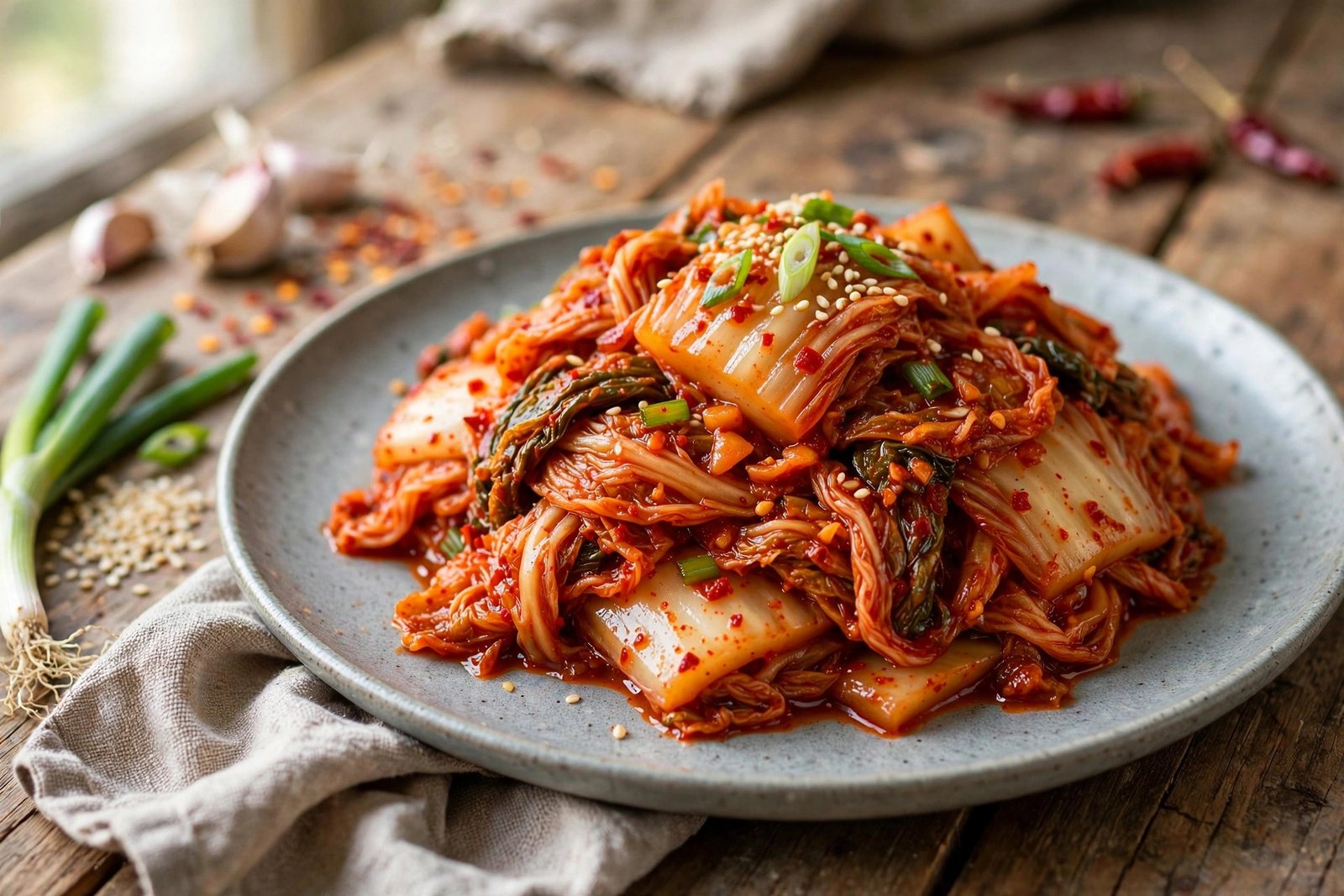
Serve jogi gui as the centre of a Korean table. Steamed rice, kimchi, a bowl of doenjang soup, and a few small vegetable sides — spinach, bean sprouts, pickled radish — make it a complete meal. A cold beer or a glass of soju is the traditional drink, and a simple green salad with sesame dressing works well if you want something lighter alongside. A squeeze of yuzu or a few drops of ponzu sauce over the finished fish adds a bright citrus note that suits the rich skin beautifully, and a small salad of shaved fennel or cucumber with sesame dressing keeps the plate feeling fresh. For a celebration table, serve two fish per platter with a big bowl of rice in the middle and let everyone help themselves — the whole fish on a platter is a generous, welcoming sight, and it turns an ordinary dinner into something people remember.
Getting it right
The technique that matters most is the salt cure. Salt does three jobs at once: it seasons the fish right through, it draws moisture out of the skin so it can crisp, and it firms the flesh so it holds together on the grill. Twenty to thirty minutes is the right window for a 200-gram fish — less and the seasoning stays on the surface, more and the fish starts to taste cured and salty. For a bigger fish, add ten minutes; for a smaller one, take ten off.
Heat control is the second skill. The grill must be properly hot before the fish touches it, because the first minute decides whether the skin sticks or releases. You want a strong, steady heat — not a raging flame that chars the skin before the flesh cooks through. If the skin blackens while the flesh near the bone is still translucent, the heat is too high: move the fish to a cooler part of the grill and finish it there.
The most common mistake is moving the fish too soon. People get nervous, lift the fish to check, and tear the skin off on the grill bars. The skin releases on its own once it has crisped — if it resists, wait another minute. The second mistake is wet fish: if you skip drying the skin after the cure, the moisture steams the skin soft instead of letting it crisp. Dry skin, hot grill, one flip — that is the whole technique in one line.
Storing & reheating
Leftover jogi gui keeps in the fridge for up to two days in a sealed container, though the skin will soften. Store any leftover dipping sauce separately in a small jar — it keeps for a week. If you have leftover fish, flake the flesh off the bones and keep it plain; it is excellent stirred through fried rice or mixed into a fish salad the next day.
To reheat, use the oven, not the microwave. Warm the fish on a rack in a 180°C oven for 8 to 10 minutes, until hot through — the dry heat helps the skin crisp up again a little. The microwave makes the flesh rubbery and the skin soggy, so save it for the rice. Do not freeze cooked grilled fish; the texture turns dry and stringy on thawing.
Frequently asked questions
Where can I buy yellow croaker in Australia?
Korean and Asian fishmongers are your best bet, and some large fish markets carry it. Ask for jogi or yellow croaker. If it is not available, sea bream, snapper or whiting work well with the same method. Take your time with it and the result will be worth the effort.
Can I use frozen yellow croaker?
Yes. Thaw it fully overnight in the fridge, never at room temperature, then pat it very dry before salting. Frozen fish can be a little softer, so handle it gently on the grill and turn it only once. Take your time with it and the result will be worth the effort.
What is gulbi, and how is it different?
Gulbi is yellow croaker that has been salted and dried in the sea wind, most famously from Yeonggwang. It tastes deeper and saltier than fresh fish. Soak it in cold water for 20 minutes before grilling. Take your time with it and the result will be worth the effort.
How do I stop the fish sticking to the grill?
Use a very hot, well-oiled grill and dry fish. Lay the fish down and do not move it until the skin has crisped — it releases on its own. A fish basket or a piece of foil also helps if your grill is tricky. Take your time with it and the result will be worth the effort.
Can I cook jogi gui in the oven?
Yes. Use the oven grill on high, with the fish on a rack over a tray, for about 5 minutes per side. Watch it closely so the skin browns without burning, and finish with a squeeze of lemon. Take your time with it and the result will be worth the effort.
What do I serve with jogi gui?
Steamed rice, kimchi and a bowl of doenjang soup are the classics. Add a few small vegetable sides like spinach or bean sprouts, and the meal is complete. A cold beer is the traditional drink. Take your time with it and the result will be worth the effort.