Godeungeo Jorim Recipe
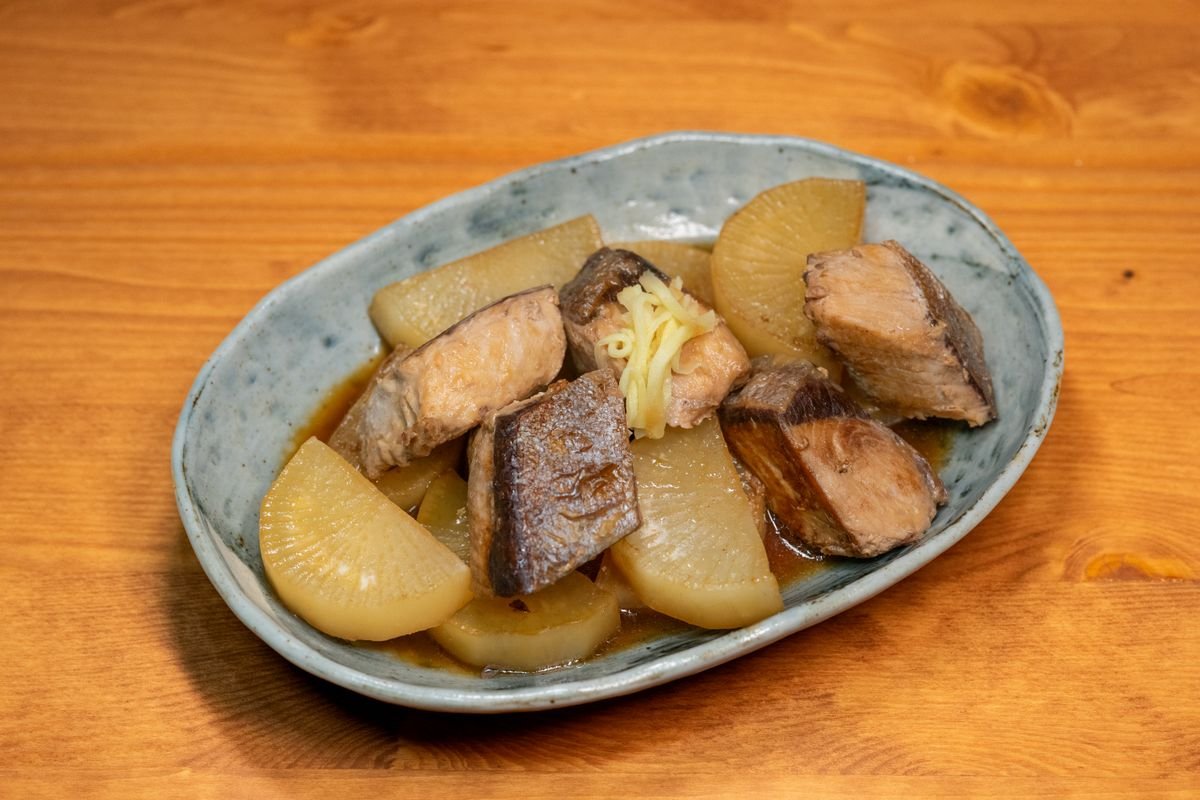
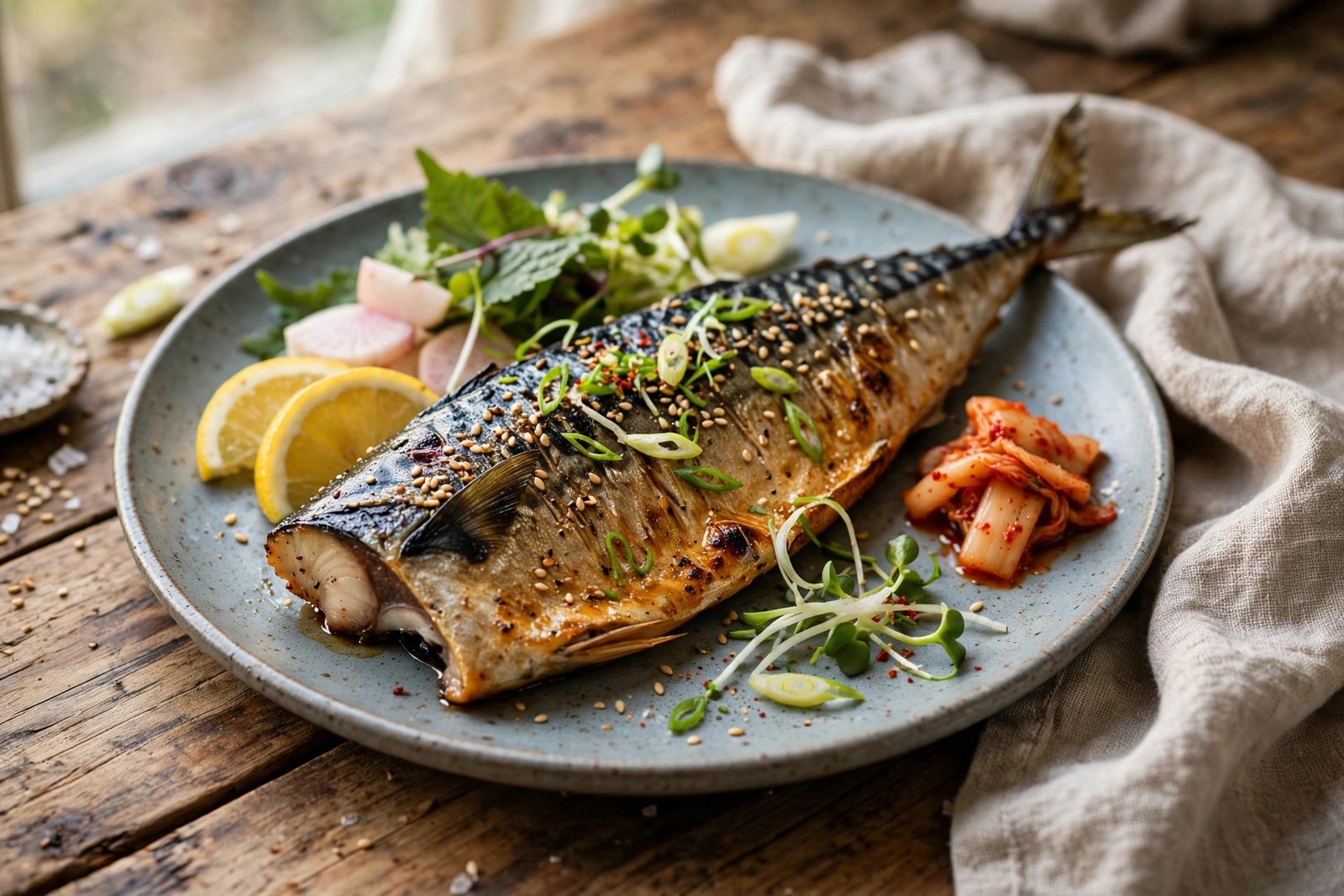
Godeungeo Jorim is Korean braised mackerel, simmered in a spicy gochujang sauce with radish until the fish turns tender and the sauce turns thick and glossy. The mackerel soaks up the heat and sweetness of the sauce, and the radish underneath goes soft and rich. Serve it with steamed rice for a bold Australian weeknight dinner that tastes like a Busan fish market supper.
The story behind Godeungeo Jorim
Godeungeo jorim, or braised mackerel, is a classic home dish from Busan, the port city on Korea's southern coast, where mackerel has been caught and eaten for centuries. The fish was cheap and plentiful, and braising it in a spicy sauce was a way to make it taste rich and keep it through the week. Families in Busan cooked it in a shallow pot with radish, and the dish spread across the country as a staple of Korean home cooking. The fish was cheap and plentiful, and braising it in a spicy sauce was a way to make it taste rich and keep it through the week, so nothing from the catch went to waste.
In Korea, jorim dishes are part of everyday meals, served with rice and a few side dishes as a normal family dinner. The word jorim means to braise in a seasoned sauce until the liquid reduces and the flavours soak in. Mackerel suits the method well, since its oily flesh stays moist in the sauce and the strong flavour of the fish stands up to the chilli and garlic. The word jorim means to braise in a seasoned sauce until the liquid reduces and the flavours soak in, and mackerel suits the method well, since its oily flesh stays moist in the sauce.
What makes this dish special is the balance between the rich fish and the spicy, sweet sauce. Gochujang gives heat and depth, sugar softens it, and the radish underneath soaks up the sauce and turns sweet and soft. The fish cooks in the sauce rather than beside it, so every bite tastes of both. It is a dish that turns a humble fish into a meal worth remembering. Gochujang gives heat and depth, sugar softens it, and the radish underneath soaks up the sauce and turns sweet and soft, so every bite tastes of both fish and sauce.
Cook this when you want a bold, warming dinner with real flavour, or when fresh mackerel is on special at the fishmonger. It suits an Australian weeknight dinner, when the table needs something hearty and spicy, or a weekend lunch with rice and a few side dishes. The pot does most of the work, and dinner is ready in under an hour. The pot does most of the work, and dinner is ready in under an hour, which makes this a reliable choice when fresh mackerel is on special at the fishmonger.
- Prep time
- 15 mins
- Cook time
- 25 mins
- Total time
- 40 mins
- Servings
- 4 servings
- Calories
- 450
Ingredients
- 4 mackerel, cleaned and cut into 3 pieces each
- 300 g Korean radish, sliced into thick rounds
- 3 tablespoons gochujang
- 1 tablespoon gochugaru
- 2 tablespoons soy sauce
- 1 tablespoon sugar
- 1 tablespoon rice vinegar
- 4 garlic cloves, minced
- 1 tablespoon fresh ginger, finely grated
- 300 ml water
- 1 tablespoon sesame oil
- 2 spring onions, cut into long pieces
- 1 red chilli, thinly sliced
- Steamed rice, to serve
Instructions
- Rinse the mackerel pieces under cold water and pat them dry with paper towels, then set them aside on a plate. Dry fish browns better and the sauce clings to it more easily. Check for any remaining bones along the belly and pull them out with tweezers if you find them.
- Peel the radish and cut it into thick rounds about 2 centimetres thick, then lay them in a single layer across the bottom of a wide, shallow pot. The radish will cook in the sauce and turn sweet, and it also keeps the fish from sticking to the pan. Pour the water over the radish. The radish will cook in the sauce and turn sweet, and it also keeps the fish from sticking to the pan, so lay the rounds out in a single even layer.
- Mix the gochujang, gochugaru, soy sauce, sugar, rice vinegar, garlic and ginger together in a small bowl until the paste is smooth and deep red. Taste it; it should be spicy, sweet and savoury all at once. Spoon half the sauce over the radish in the pot.
- Lay the mackerel pieces on top of the radish in a single layer, skin side up, so they sit above the liquid. Spoon the remaining sauce over the fish, making sure every piece is coated. The sauce should look thick and glossy on the fish, not thin or watery.
- Bring the pot to a boil over high heat, then lower the heat to medium and put the lid on. Simmer for 15 minutes, spooning the sauce over the fish once or twice as it cooks. The sauce will bubble gently and the smell of chilli and garlic will fill the kitchen. The sauce will bubble gently and the smell of chilli and garlic will fill the kitchen, and the fish should look glossy and well coated as it cooks.
- Lift the lid and check the fish; the flesh should flake easily with a fork and look opaque all the way through. The radish should be soft enough to cut with a spoon. If the sauce is still thin, take the lid off and simmer for 5 more minutes so it thickens.
- Drizzle the sesame oil over the fish and scatter the spring onions and sliced red chilli on top. Let the pot sit off the heat for 2 minutes so the sauce settles and the flavours come together. The sauce should coat the fish in a thick, shiny layer. The sauce should coat the fish in a thick, shiny layer, and the radish underneath should look soft and stained red from the gochujang.
- Serve the fish straight from the pot with steamed rice, making sure each person gets fish, radish and plenty of sauce. Eat the fish with chopsticks and spoon the sauce over the rice. The meal is best eaten hot, while the sauce is still glossy and the fish is tender.
Pro tips
- Buy the freshest mackerel you can find, since the dish relies on the fish, and a fishy smell before cooking will only get stronger in the sauce.
- Lay the radish in a single layer under the fish, so it cooks in the sauce, turns sweet, and stops the fish from sticking to the pan while it braises.
- Mix the sauce before you start cooking, so you can coat the fish evenly and the flavours have time to come together in the bowl before the pot gets hot.
- Simmer the fish gently with the lid on and spoon the sauce over it, rather than turning the pieces, since mackerel breaks apart easily.
- Let the pot rest for two minutes off the heat before serving, so the sauce thickens slightly and the flavours settle into the fish and the radish.
Variations & serving ideas
You can use salmon, sea bass or any firm oily fish in place of mackerel, keeping the same sauce and cooking time. White fish such as cod also works, though it needs a shorter cooking time and more care when serving. The sauce is the heart of the dish, so it works well with whatever fish is fresh and affordable. The sauce is the heart of the dish, so it works well with whatever fish is fresh and affordable, and a few slices of onion under the fish add sweetness to the sauce.
For a milder version, use less gochujang and gochugaru and add a little more sugar, which keeps the sauce sweet and savoury without the fire. For more heat, add a sliced fresh chilli with the spring onions at the end. A spoonful of doenjang stirred into the sauce gives an earthy depth that suits the radish. For more heat, add a sliced fresh chilli with the spring onions at the end, and a spoonful of doenjang stirred into the sauce gives an earthy depth that suits the radish.
Serve the fish with steamed rice and a few side dishes, such as kimchi, pickled vegetables or a simple bean sprout salad. For an Australian weeknight dinner, the fish with rice and kimchi is a complete meal. The leftover sauce is excellent spooned over rice or used as a base for a noodle soup the next day. For an Australian weeknight dinner, the fish with rice and kimchi is a complete meal, and the leftover sauce is excellent spooned over rice or used as a base for a noodle soup.
Pair the dish with a cold lager, a glass of iced barley tea, or sparkling water with lemon. Keep the drinks cold and simple, since the sauce is rich and spicy. A small dish of pickled radish on the side adds a sharp, fresh note that cuts through the heat. A small dish of pickled radish on the side adds a sharp, fresh note that cuts through the heat and gives the meal a little crunch between bites.
Getting it right
The key technique is braising the fish in a shallow pot with the lid on, so the steam and sauce cook the fish gently and evenly. The radish goes in first as a bed, then the fish sits on top, and the sauce is spooned over as it cooks. The lid keeps the heat in and stops the sauce from drying out before the fish is done. The lid keeps the heat in and stops the sauce from drying out before the fish is done, and the radish bed underneath keeps the fish from sticking to the pan.
Heat control matters twice in this dish. First, the pot must come to a boil quickly so the sauce starts to thicken and the fish cooks through, then the heat must come down to a gentle simmer. A hard boil will break the fish apart and make the sauce bitter. Keep the simmer steady and spoon the sauce over the fish once or twice so every piece gets coated. Keep the simmer steady and spoon the sauce over the fish once or twice so every piece gets coated, and check the radish with a spoon to make sure it has gone soft.
The most common mistake is moving the fish too much while it cooks, which breaks the tender flesh apart. Lay the pieces in a single layer at the start and leave them alone, spooning sauce over them instead of turning them. The other common slip is adding too much water, which makes the sauce thin and washes away the flavour. Start with the amount given and add more only if the pan looks dry. The other common slip is adding too much water, which makes the sauce thin and washes away the flavour, so start with the amount given and add more only if the pan looks dry.
Storing & reheating
Leftover godeungeo jorim keeps in the fridge for up to two days in a sealed container, with the fish stored in its sauce so it does not dry out. The flavour deepens overnight as the fish sits in the spicy sauce, and the radish tastes even sweeter the next day. Reheat gently so the fish does not fall apart.
To reheat, warm the fish and sauce in a covered pan over low heat for 5 minutes, adding a spoonful of water if the sauce has thickened too much. Avoid the microwave, which can overcook the fish and make it dry. The dish does not freeze well, since the fish turns soft and the sauce separates when thawed, so cook only what you can eat in two days.
Frequently asked questions
How do I know if the mackerel is fresh?
Fresh mackerel should smell like clean seawater, with bright eyes and firm flesh that springs back when you press it. The skin should be shiny with clear stripes. If the fish smells strong or fishy, it is past its best and will taste the same in the dish.
Can I use frozen mackerel?
Yes, frozen mackerel works well for braising, since the sauce adds plenty of flavour and the fish cooks through in the sauce. Thaw it fully in the fridge overnight and pat it dry before cooking, so the sauce is not watered down by ice crystals.
How spicy is godeungeo jorim?
The heat comes from gochujang and gochugaru, so use less of each for a milder version and more for extra fire. A spoonful of sugar balances the heat, and the radish underneath the fish soaks up the sauce and tastes sweet and mild.
How do I know when the fish is cooked?
The fish is done when the flesh flakes easily with a fork and looks opaque all the way through, and the sauce has thickened enough to coat the back of a spoon. The radish should be soft enough to cut with a spoon. If the sauce is still thin, simmer for a few more minutes with the lid off.
Can I use a different fish for this dish?
Yes, you can use salmon, sea bass or any firm oily fish in place of mackerel, keeping the same sauce and cooking time. The dish works best with oily fish, since the fat carries the spicy sauce well. White fish such as cod also works, though it needs a shorter cooking time.
Why is radish cooked under the fish?
The radish soaks up the spicy sauce and turns sweet and soft, which balances the rich, oily fish. It also stops the fish from sticking to the pan and gives the dish a vegetable that is already cooked in the sauce. A layer of radish under the fish is essential to the dish.