Ramen Recipe
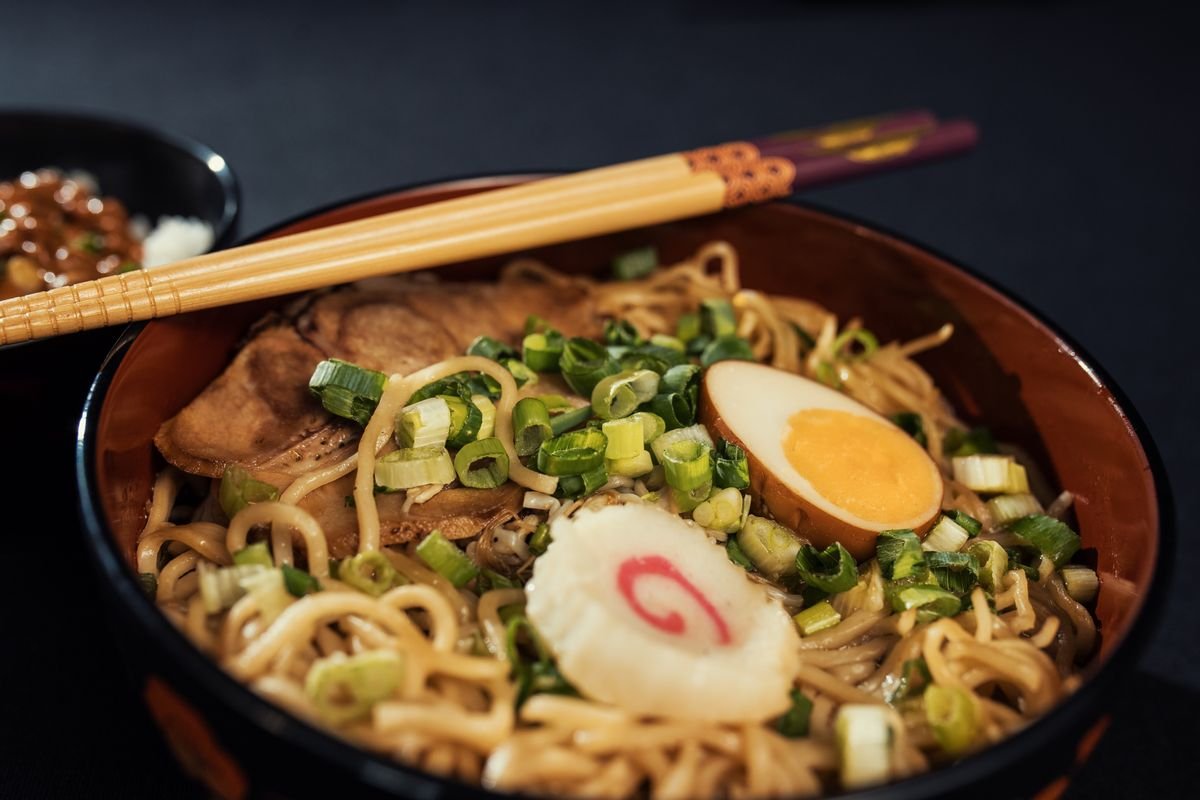
A steaming bowl of homemade ramen with rich pork broth, springy noodles, soft chashu pork and a jammy egg. The broth simmers with ginger, garlic and soy until it tastes deep and savoury, and the toppings turn a simple noodle soup into a proper meal. Make it for a warming Australian weeknight dinner when only a hot bowl will do.
The story behind Ramen
Ramen began in China as a simple noodle soup and crossed to Japan in the late nineteenth century, where it grew into something entirely its own. After the Second World War, cheap wheat flour and instant noodles made it a staple for busy workers, and small ramen shops spread through every city. Each region developed its own style, from the rich pork broth of Fukuoka to the miso ramen of Sapporo, and the dish became one of Japan's most loved meals. The word ramen comes from the Chinese lamian, meaning pulled noodles, and the dish kept that name as it changed into something new in Japan.
In Japan, ramen is fast food with craft behind it. Customers eat standing at a counter or perched on a stool, slurping loudly, which is a sign of enjoyment and also cools the noodles as they are lifted. The chef works in front of you, pulling noodles from boiling water and ladling broth over them in seconds. A good shop has regulars who know exactly how they want their noodles, firm or soft, rich or light, and the chef remembers. Many shops make their own noodles each morning, and the chef judges the broth by taste alone, adjusting the salt and fat until the bowl is right for the day.
What makes ramen special is the broth. A great bowl has depth that comes from time, bones, aromatics and fat working together until the liquid tastes rich and round. The noodles need a springy bite that holds up in hot soup, and the toppings add contrast, soft pork, a jammy egg, crunchy bamboo and fresh spring onion. Every spoonful should have a little of everything, salty, savoury, warm and fresh at once. The toppings also matter more than they look, since each one adds a different texture, and a bowl without them feels plain no matter how good the broth is.
Cook this when you want a meal that feels like an event, even on a weeknight. It suits a cold Australian evening, when a steaming bowl is the best way to warm up, or a weekend lunch with friends who will happily wait while the broth simmers. The pork does most of the work, and once the broth is made, the bowls come together in minutes.
- Prep time
- 20 mins
- Cook time
- 40 mins
- Total time
- 60 mins
- Servings
- 4 servings
- Calories
- 650
Ingredients
- 2 litres chicken stock, good quality
- 500 g pork shoulder, boneless
- 4 tablespoons soy sauce
- 2 tablespoons mirin
- 1 tablespoon sake
- 3 cm fresh ginger, sliced
- 4 garlic cloves, smashed
- 2 spring onions, white parts only
- 1 tablespoon sesame oil
- 400 g fresh ramen noodles
- 4 eggs, at room temperature
- 200 g bamboo shoots, drained
- 2 sheets nori seaweed, halved
- 4 spring onions, thinly sliced, to serve
Instructions
- Bring a large pot of water to the boil and lower in the eggs carefully with a spoon. Boil them for exactly 6 and a half minutes, then lift them out and plunge them into a bowl of ice water. Once they are cold, peel them gently under running water and set them aside in a small bowl with 2 tablespoons of the soy sauce.
- Put the pork shoulder into a large heavy pot with the chicken stock, ginger, garlic, spring onion whites, mirin and sake. Bring it slowly to a simmer over medium heat, skimming off any foam that rises to the top with a spoon. The stock should smell warm and savoury as it heats.
- Cover the pot with the lid left slightly open and simmer the pork gently for 40 minutes, turning it once halfway through. The meat should feel tender when you press it with a fork, and a knife should slide through it without resistance. Do not let the broth boil hard or it will turn cloudy.
- Lift the pork out onto a board and let it rest for 10 minutes, so the juices settle back into the meat. While it rests, strain the broth through a fine sieve into a clean pot and throw away the ginger, garlic and onion. Taste the broth and stir in the remaining soy sauce and the sesame oil.
- Slice the rested pork across the grain into thin pieces about 5 millimetres thick. The slices should hold together but feel soft and yielding. If the pork is still a little tough, it needs more time in the broth, so return it to the pot for another 10 minutes and try again.
- Bring a separate large pot of water to a rolling boil for the noodles. Cook the fresh ramen noodles for 2 to 3 minutes, stirring once with chopsticks so they do not stick together. They should be springy and just tender, with a firm bite in the centre, not soft or mushy.
- While the noodles cook, warm four deep bowls with hot water and then tip the water out. Divide the hot broth between the bowls and add a pinch of salt if needed. The broth should be steaming and smell rich and savoury as you pour it.
- Drain the noodles well and divide them between the bowls, lifting them high with chopsticks so they settle in a neat mound in the centre of the broth. Work quickly so the noodles do not overcook while they wait. The noodles will start to soak up the broth at once.
- Arrange the sliced pork, halved eggs, bamboo shoots and nori over the noodles, then scatter the sliced spring onions on top. Serve at once, with chopsticks and a soup spoon, and eat while the noodles are hot and springy and the broth is steaming.
Pro tips
- Simmer the broth gently and skim the foam in the first few minutes, since a clear broth tastes cleaner and looks far more appetising in the bowl.
- Cook the noodles in a separate pot of boiling water, so the starch stays out of the broth and the noodles keep their springy bite.
- Boil the eggs for exactly six and a half minutes and chill them in ice water at once, or the yolks will set hard and lose their jammy centre, which is the best part of the bowl.
- Warm the bowls with hot water before serving, so the broth stays steaming hot while you eat and the noodles do not cool down too fast.
- Slice the pork across the grain into thin pieces, since cutting with the grain makes the meat chewy no matter how long it has simmered, and thin slices also warm faster in the broth.
Variations & serving ideas
You can change the broth to suit your taste by stirring in a spoonful of miso paste for a deeper, earthier bowl, or a spoonful of chilli oil for gentle heat. A knob of butter melted into the finished broth adds richness, a trick used in Sapporo-style ramen, and a splash of black garlic oil gives a smoky note that pairs well with the pork. The base broth is forgiving, so taste as you go.
For the toppings, use what you like best. Sweetcorn, bean sprouts, mushrooms and a sheet of nori are all classic additions, and a few slices of chashu can be swapped for shredded chicken or firm tofu. Vegetarians can build the bowl on a mushroom broth with a soft egg and plenty of spring onions. The toppings are the fun part, so let everyone build their own bowl. A few slices of roast pork from the night before make an easy shortcut, warmed in the broth for a minute before the bowls are built.
Serve ramen as a main meal on its own, since one bowl is filling and complete. For a larger spread, add a plate of gyoza or a simple cucumber salad on the side. For an Australian weeknight dinner, a bowl of ramen with a cold drink and a small salad is a satisfying meal that does not need anything else. For a larger spread, add a plate of gyoza or a simple cucumber salad on the side, and let guests help themselves while the noodles are still hot.
Pair the bowl with a cold lager, a glass of iced green tea, or sparkling water with lemon. Keep the drinks cold and simple, since the hot broth is the star of the meal. A small dish of pickled ginger or chilli oil on the table lets everyone adjust the heat of their own bowl. A small dish of pickled ginger or chilli oil on the table lets everyone adjust the heat of their own bowl without changing the broth for the whole pot.
Getting it right
The key technique is a gentle simmer, never a hard boil. The pork needs steady, low heat to turn tender and to give its flavour to the broth without clouding it. Keep the pot at a lazy bubble, with the lid slightly open, and skim the foam that rises in the first few minutes. A clear, rich broth is the reward for patience, while a boiled broth turns murky and greasy. If the broth starts to boil, lower the heat at once and add a splash of cold water to calm it down before it clouds.
Heat control matters in three places: the broth, the eggs and the noodles. The eggs need exactly six and a half minutes in boiling water, then ice water at once, or the yolks set too firm. The noodles need a rolling boil and only two or three minutes, since they keep cooking in the hot broth after they leave the water. Get the timing right and every part of the bowl lands at its best.
The most common mistake is cooking the noodles in the broth, which turns the soup starchy and cloudy and makes the noodles go soft. Always cook them separately and drain them well. The other common slip is seasoning the broth before it has reduced, so it ends up too salty once the liquid has cooked down. Taste and season at the end, after the pork has come out and the broth is finished. Taste the broth with a clean spoon after each addition, since salt is easy to add and impossible to take out once it is in the pot.
Storing & reheating
Leftover ramen broth keeps in the fridge for up to three days in a sealed container, and it freezes well for up to three months in portions. Store the noodles, pork and eggs separately, since noodles left in broth turn soft and swollen within hours. The pork slices reheat well and also make a good filling for sandwiches the next day.
To serve again, reheat the broth until it is steaming hot and cook a fresh batch of noodles. Warm the pork slices in the hot broth for a minute and add a freshly boiled egg if you have time. Do not reheat noodles that have already been cooked, since they will go limp and starchy and spoil the bowl.
Frequently asked questions
What noodles should I use for ramen?
Fresh ramen noodles cook in 2 to 3 minutes and have the best springy bite, but dried instant noodles work well too if you throw away the seasoning packet. Cook the noodles separately from the broth so the starch does not cloud the soup. Drain them well before they go into the bowl.
Can I make the ramen broth ahead of time?
Yes, you can simmer the broth for up to two days ahead and keep it in the fridge, where the flavour actually improves overnight. Skim off the fat that sets on top, reheat the broth gently, and cook the noodles fresh just before serving so they stay springy.
How do I get a jammy ramen egg?
A good ramen egg has a set white and a soft, jammy yolk that is golden and just runny in the centre. Boil a room-temperature egg for exactly 6 and a half minutes, then plunge it into ice water. Peel it carefully and marinate it in soy sauce for at least an hour.
Can I make a vegetarian version of ramen?
Yes, a vegetarian version works well with a mushroom and kombu broth, simmered with ginger, garlic and soy sauce for depth. Use firm tofu or a soft boiled egg for protein, and add sweetcorn, spring onions and nori for the classic toppings. The broth needs a little more soy and sesame oil to make up for the missing pork.
How do I know if my broth tastes right?
The broth should taste rich and savoury with a clear ginger and garlic warmth, and it should coat your lips lightly from the pork fat. If it tastes flat, add a splash of soy sauce or a pinch of salt. If it tastes too salty, add a little water and a knob of butter to round it out.
What is the right way to eat ramen?
Eat the noodles first while they are hot and springy, lifting them with chopsticks and slurping, which cools them slightly and mixes in the broth. Then drink the broth straight from the bowl. The toppings are there to be eaten along the way, a bite of pork, a spoonful of egg, a little at a time.