Ochazuke Recipe
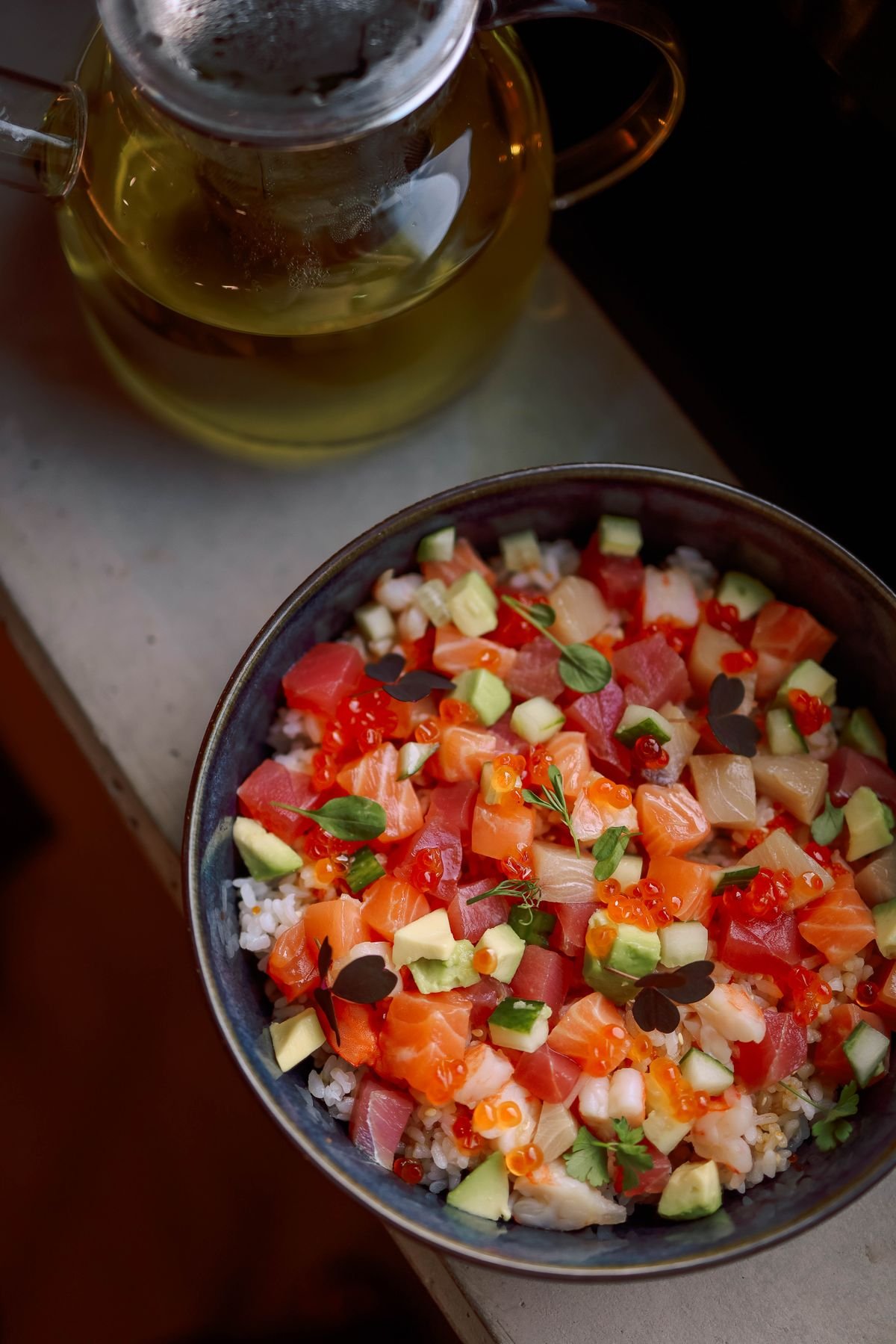
Ochazuke is Japan's most comforting bowl: hot green tea poured over warm rice, with flakes of salmon, seaweed and crunchy pickles on top. It is light, salty, soothing and ready in minutes, the kind of meal you make when you want something gentle. Keep the toppings ready and this Australian weeknight supper comes together almost as fast as the kettle boils.
The story behind Ochazuke
Ochazuke began as a practical way to use leftover rice and tea, and it has been part of Japanese home cooking for centuries. In the Edo period, cooks poured hot water or tea over cold rice to soften it, and the dish became a quick meal for workers and travellers who needed something warm and fast. Tea houses along the old highways served it to people on the road, and it slowly became a dish in its own right rather than just a way to use up leftovers. The dish spread because it solved a real problem: cold rice is hard and dull, but hot tea brings it back to life in seconds without a second round of cooking.
In Japan today, ochazuke is comfort food in the truest sense. It is the bowl you make late at night, when you feel unwell, or after a heavy meal when you want something light. Restaurants serve it at the end of a long dinner as a gentle finish, and home cooks reach for it when the fridge is nearly empty. The dish carries a quiet sense of care, since it asks for so little and gives back warmth. Some families keep a small jar of ochazuke toppings in the cupboard, ready to sprinkle over rice whenever someone comes home hungry and does not want a big meal.
What makes ochazuke special is the contrast in one bowl. Hot tea softens the bottom of the rice into a light broth, while the top stays fluffy and the toppings stay crisp. Salty salmon, crunchy pickles, toasted sesame and a little wasabi each add a different note, and the tea ties them together. It is a dish that proves a meal does not need to be rich or complicated to be deeply satisfying. The balance is what keeps people coming back, since no single ingredient shouts and the bowl tastes clean and calm from the first spoonful to the last.
Cook this when you want something gentle and quick, or when you have leftover rice and a little cooked fish to use up. It suits a light Australian weeknight supper after a big day, a late dinner when you do not want to cook, or a soothing bowl when someone in the house feels tired. The kettle does most of the work, and dinner is ready in minutes. All you need is a kettle, a bowl of rice and a few toppings from the fridge, and the meal is ready before the tea has finished brewing.
- Prep time
- 10 mins
- Cook time
- 15 mins
- Total time
- 25 mins
- Servings
- 4 servings
- Calories
- 420
Ingredients
- 4 cups cooked short-grain rice, warm
- 500 ml hot green tea, such as sencha
- 200 g cooked salmon, flaked
- 4 sheets nori seaweed, cut into thin strips
- 2 tablespoons pickled ginger, chopped
- 2 tablespoons takuan pickles, finely diced
- 2 spring onions, thinly sliced
- 1 tablespoon toasted sesame seeds
- 1 tablespoon soy sauce
- 1 teaspoon wasabi paste
- 1 teaspoon toasted sesame oil
- 1/2 teaspoon fine sea salt
Instructions
- Brew the green tea first and keep it hot in the teapot while you prepare the toppings. Use water just off the boil so the tea tastes fresh and grassy rather than bitter. Let it steep for 2 minutes, then set it aside near the bowls. A good sencha gives a fresh, grassy note, while a roasted hojicha gives a warmer, toastier bowl that suits a cold evening.
- Flake the cooked salmon into bite-sized pieces, removing any skin and bones as you go. If you are using leftover grilled salmon, warm it gently in a pan for a minute so it is not cold when it meets the rice. Season the flakes lightly with the soy sauce.
- Cut the nori into thin strips with scissors and dice the takuan pickles into small pieces. Chop the pickled ginger and slice the spring onions finely. Put each topping in its own small pile on a plate so everyone can build their bowl the way they like. Keep the piles small and neat, since a tidy bowl looks far more appetising than a heap, and the colours of the pickles and seaweed show up better.
- Spoon the warm rice into four wide bowls, mounding it slightly in the centre. The rice should be hot, not just warm, so the tea keeps the bowl steaming when it is poured. Press the rice down lightly with the back of the spoon.
- Arrange the salmon flakes over the rice, then scatter the nori, pickles, ginger, spring onions and sesame seeds on top. Add a small dab of wasabi at the side of each bowl for anyone who wants a little heat. The bowl should look generous before the tea goes in. A small mound in the centre keeps the toppings from sliding off and makes room for the tea to pool around the base of the rice.
- Pour the hot green tea over each bowl in a slow stream, using about 125 ml per bowl. The tea should reach about halfway up the rice, so the top stays fluffy and the bottom turns into a light soup. Listen for the soft hiss as the tea meets the hot rice.
- Drizzle a few drops of sesame oil over each bowl and add a pinch of salt if needed. The oil adds a warm, nutty smell that rises with the steam. Taste the broth and add a drop more soy sauce if it needs salt. If the broth tastes weak, add a few more drops of soy sauce rather than more tea, since extra liquid only dilutes the flavour further.
- Serve the ochazuke at once, with chopsticks and a soup spoon on the side. Eat the rice from the top first, then spoon up the tea and rice together from the bottom. The bowl is best finished while it is still hot and the nori is crisp.
Pro tips
- Brew the tea fresh and use it within a few minutes, since green tea left standing turns bitter and flat, and a fresh pot always tastes cleaner.
- Warm the rice until it is steaming hot before you build the bowls, so the tea does not cool down on contact and the first spoonful is properly hot.
- Keep the toppings in separate piles so each person can choose their own mix of salmon, pickles and seaweed, and add more of whatever they like best.
- Cut the nori just before serving, because it goes soft within a minute of touching the steam and loses its crisp bite and dark green colour.
- Go light on the soy sauce at first and taste the broth, since the salmon and pickles already bring plenty of salt and the tea adds its own gentle flavour.
Variations & serving ideas
The toppings are the easiest part to change, so use what you have. Grilled eel, salted cod roe, a soft boiled egg, or even leftover roast chicken all work well in place of salmon. Vegetarians can use pickled plum, simmered mushrooms or a handful of edamame, with extra sesame and a little more soy sauce for depth. The tea and rice carry the dish, so the toppings are yours to choose. A handful of shredded chicken or a few slices of leftover roast pork can stand in for fish, and a spoonful of kimchi adds a spicy crunch that wakes the whole bowl up.
For a richer bowl, use hot dashi stock instead of green tea, which gives a deeper, more savoury broth. A spoonful of miso whisked into the tea adds body, and a few drops of chilli oil give gentle warmth. Some cooks stir a raw egg yolk into the hot rice before pouring the tea, which turns the broth silky and rich. For a richer bowl, use hot dashi stock instead of green tea, which gives a deeper, more savoury broth, and a pinch of dried seaweed stirred into the stock adds extra depth.
Serve ochazuke as a light meal on its own, or as the final course after a larger Japanese dinner. For an Australian weeknight supper, a bowl of ochazuke with a side of pickled vegetables is enough on a warm evening. Add a simple salad of cucumber and sesame if you want something fresh alongside. Serve ochazuke as a light meal on its own, or as the final course after a larger Japanese dinner, when guests want something warm and gentle to finish with rather than dessert.
Pair the bowl with a pot of the same green tea you used for the broth, or with cold barley tea on a hot day. Keep the drinks light and let the gentle flavours of the bowl lead. A small dish of pickles on the side adds crunch and salt without making the meal heavy. Pair the bowl with a pot of the same green tea you used for the broth, or with cold barley tea on a hot day, and keep a small dish of pickles on the side for crunch.
Getting it right
The key technique is pouring the tea at the right moment and in the right amount. The rice must be hot and the tea just off the boil, so the bowl steams from the first spoonful. Pour slowly and stop when the tea reaches about halfway up the rice, leaving the top fluffy and the bottom soupy. Too much tea drowns the rice, and too little leaves it dry. A wide, shallow bowl works better than a deep one, since the rice spreads out and the tea reaches it evenly instead of pooling at the bottom.
Heat control matters mainly in the tea. Water at a full boil makes green tea bitter and harsh, so let the kettle rest for a minute after it boils. The ideal temperature is around 85 degrees Celsius, which brews the tea gently and keeps its fresh, grassy flavour. Warm the bowls with hot water first so the finished ochazuke stays hot while you eat. If you are unsure about the temperature, pour the tea into a jug first and wait 30 seconds; it will cool to the right point and pour more smoothly over the rice.
The most common mistake is assembling the bowl too early. Once the tea is poured, the rice keeps softening, so build the bowls and pour the tea only when everyone is sitting down. The other common slip is over-salting the toppings, since the tea and soy sauce already bring salt. Taste the broth before you add more seasoning, and go light with the wasabi at first. A good test is the first spoonful: the rice should be hot all the way through and the broth should taste lightly salty, never sharp or plain.
Storing & reheating
Ochazuke is best eaten as soon as it is made, since the rice softens quickly once the tea is poured. Keep the components separate if you want leftovers: store the cooked rice, salmon and pickles in separate sealed containers in the fridge for up to two days. The tea should be brewed fresh each time.
To serve again, reheat the rice until steaming hot, warm the salmon gently, and pour freshly brewed tea over the top. Do not reheat a finished bowl, since the rice turns mushy and the nori goes limp. The toppings keep well on their own and make a quick lunch the next day, and the pickles and salmon can also fill a rice ball or a simple sandwich.
Frequently asked questions
What toppings can I use for ochazuke?
Cooked salmon is the classic topping, but grilled eel, salted cod roe, pickled plum or even a soft boiled egg all work well. Use whatever cooked fish or pickles you have on hand, since the tea and rice carry the dish and the toppings are there for flavour and texture.
Can I use dashi stock instead of tea?
Yes, a light dashi stock gives a richer, more savoury bowl than tea alone, and many restaurants serve it that way. Use the same amount of hot dashi in place of the tea, and keep the salt light since dashi is already seasoned.
How hot should the tea be?
The tea should be hot enough to warm the rice through and wake up the toppings, just off the boil at about 85 degrees Celsius. Boiling water can make the tea bitter and the rice gummy, so let the kettle sit for a minute before you pour.
Can I use leftover rice for ochazuke?
Yes, ochazuke is a good way to use leftover rice, and day-old rice actually holds its shape better under the hot tea. Warm the rice first in the microwave or in a steamer so the bowl is hot from the first spoonful.
What rice is best for ochazuke?
Freshly cooked short-grain rice is best, since it stays plump and separate under the tea. Long-grain rice works too but turns softer faster, so pour the tea just before you sit down to eat and do not let the bowl stand.
Is ochazuke a light meal?
Yes, ochazuke is naturally light, with tea, rice and a little fish or pickles, and it is easy on the stomach. Keep the toppings lean and the soy sauce light, and it makes a gentle late dinner or a soothing meal when you feel under the weather.