Nabeyaki Udon Recipe
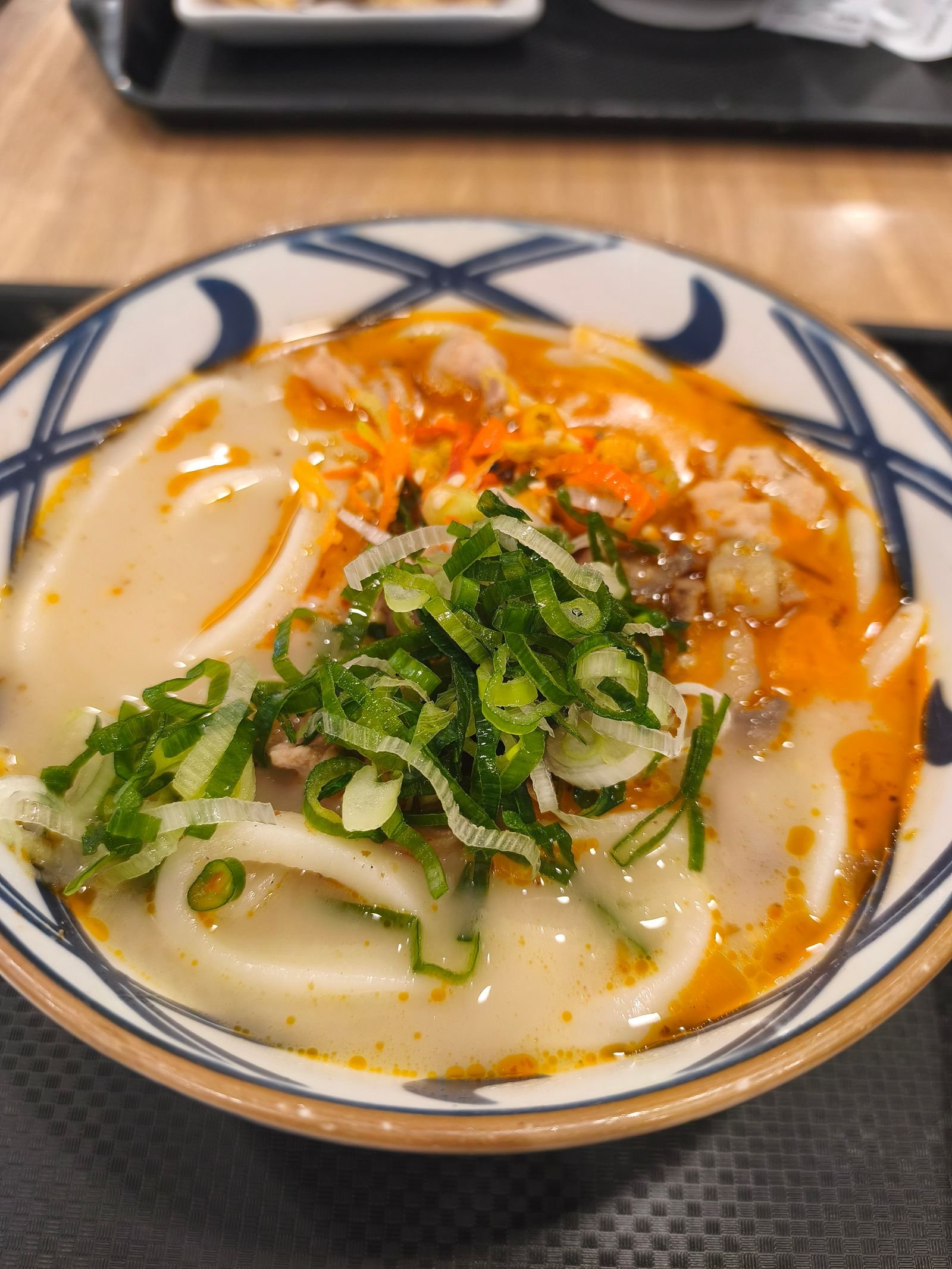
Nabeyaki Udon is Japan's winter hug in a bowl: thick, chewy udon noodles in a hot, clear dashi broth, topped with chicken, a soft egg, mushrooms and a crisp tempura prawn. It arrives at the table still bubbling in its little clay pot, steam rising, and it warms you to the bone. Make it when the weather turns cold and you want dinner in one pot.
The story behind Nabeyaki Udon
Nabeyaki means cooked in a pot, and this dish is named for the small clay or iron pot it is served in. The dish grew out of the noodle shops of Osaka and Kyoto, where cooks ladled hot broth over udon and finished the bowl with whatever toppings the kitchen had. The clay pot, called a donabe, keeps the soup bubbling long after it leaves the stove, so the last spoonful is as hot as the first. The pot itself is part of the ritual; it is carried to the table with a cloth, set down with a soft thud, and the lid is lifted to release a cloud of steam.
In Japan, nabeyaki udon is cold-weather food. It shows up on menus in autumn and winter, when people want something hot and filling after a day out in the cold. Families make it at home on quiet evenings, and noodle shops serve it to workers stopping in for a quick, warming lunch. The egg is the signature touch: cracked into the hot broth, it poaches gently in the pot and turns silky by the time you eat it. It is the moment everyone watches for, and a perfectly poached egg, golden and trembling, is the mark of a well-made bowl.
What makes it special is the combination of textures. The udon is thick and chewy, the broth is light and clear, the chicken is tender, the mushrooms are soft and earthy, and the tempura prawn adds a crisp, golden crunch. The egg ties it together, its soft yolk enriching the broth as you stir it through. Every spoonful carries a different mix, and the pot keeps everything hot while you eat. The broth itself is light and clear, so the bowl feels nourishing rather than heavy, and the steam alone is enough to warm your hands on a cold day.
Cook this on a cold night when you want a one-pot dinner that feels like a treat. It comes together in under an hour, most of it hands-off simmering, and it feeds four people generously. Serve it in deep bowls or straight from the pot, with chopsticks and a spoon, and let everyone fish out their favourite toppings as they eat. It is a forgiving dish, so do not worry about perfect presentation; the steam, the colour and the smell do most of the work.
- Prep time
- 20 mins
- Cook time
- 25 mins
- Total time
- 45 mins
- Servings
- 4 servings
- Calories
- 560
Ingredients
- 4 portions fresh or frozen udon noodles
- 1.2 litres dashi stock
- 3 tbsp soy sauce
- 2 tbsp mirin
- 1 tsp sugar
- 2 chicken thighs, sliced
- 4 eggs
- 8 shiitake mushrooms, sliced
- 2 spring onions, sliced
- 1 small carrot, sliced into thin rounds
- 4 tempura prawns (shop-bought or homemade)
- 1 sheet nori, cut into strips
- 1 tsp toasted sesame oil
- Salt, to taste
Instructions
- Pour the dashi into a large pot and bring it to a gentle simmer over medium heat. Add the soy sauce, mirin and sugar, and stir until the sugar dissolves. Taste the broth; it should be light, savoury and gently sweet, with the dashi flavour clear and clean. Stir well.
- Add the sliced chicken to the simmering broth and cook for 8 minutes, until the pieces turn white all the way through and feel tender. Skim off any foam that rises so the broth stays clear and golden. The chicken should feel tender when pressed.
- Add the shiitake mushrooms and carrot rounds and simmer for 5 minutes more. The mushrooms will soften and turn glossy, and the carrots will become tender while keeping a little bite. The broth will smell earthy and rich by now.
- Cook the udon noodles in a separate large pot of boiling water according to the packet, usually 2 to 3 minutes for fresh or frozen udon. Drain well and divide the noodles between four deep, heatproof bowls or small clay pots.
- Ladle the hot broth, chicken, mushrooms and carrot over the noodles in each bowl. The broth should cover the noodles generously, with the toppings floating on the surface. Work quickly so everything stays hot. Work quickly so everything stays hot.
- Crack one egg into each bowl, letting it slide gently into the hot broth. The egg will begin to set at once, with the white turning opaque and the yolk staying soft and golden. Do not stir it yet; let it poach in the heat of the broth.
- Place a tempura prawn on top of each bowl, leaning it against the side so the crisp batter stays above the broth for as long as possible. Scatter the spring onions over the top and lay a few strips of nori on the surface.
- Drizzle a few drops of toasted sesame oil over each bowl and serve immediately, while the broth is steaming and the egg is still soft. Eat with chopsticks and a spoon, breaking the yolk into the broth when you are ready for a richer spoonful. Eat it straight away while it steams.
- Serve with extra soy sauce and shichimi togarashi, the Japanese seven-spice blend, on the table. A little sprinkle of shichimi adds a gentle warmth that suits the clear broth, and a dash of soy lets each person season their own bowl.
Pro tips
- Use a good dashi, because the broth is the soul of this dish. Instant dashi granules work well, but a homemade dashi from kombu and bonito flakes tastes clearer and more delicate. Taste the broth before adding the noodles.
- Cook the noodles separately. Udon cooked in the broth makes the soup starchy and cloudy, while separately cooked noodles keep the broth clear and the noodles chewy. Rinse the noodles briefly if the packet suggests it.
- Crack the egg gently and do not stir it. Let it poach in the hot broth for a minute before you touch it, so the white sets around the yolk. A broken yolk is not a disaster, but a whole soft yolk is the pleasure of this dish.
- Keep the tempura prawn above the broth until serving. The crisp batter softens quickly in hot soup, so lean it against the side of the bowl and let each person dip it in when they are ready.
- Serve the bowls very hot. Warm the bowls with hot water before you ladle in the noodles, so the soup stays bubbling and the egg poaches properly in the heat.
Variations & serving ideas
Swap the chicken for thinly sliced pork, or leave the meat out and add extra mushrooms and a piece of fried tofu for a vegetarian bowl. Aburaage, the sweet fried tofu pouch, is a classic udon topping and soaks up the broth beautifully. A few prawns or a piece of white fish also work well in place of chicken.
You can vary the toppings with the seasons. Add spinach or bok choy in spring, sweetcorn and peas in summer, and root vegetables like lotus root in winter. A slice of kamaboko, the pink and white fish cake, is traditional and adds colour. A handful of shredded chicken or a few slices of pork belly also work, and a soft piece of fried tofu soaks up the broth beautifully. Keep the toppings to three or four so the bowl stays balanced and the broth stays clear. Keep the toppings to three or four so the bowl stays balanced and the broth stays clear.
Serve nabeyaki udon as a main course on its own, with nothing more than a small side of pickles. A cucumber sunomono or a little pickled ginger adds a sharp, cool contrast to the hot broth. Gyoza make a good companion for a bigger meal, and the whole spread suits a cold evening when you want to linger over dinner. A small bowl of rice is rarely needed, since the udon is filling on its own, but a little pickled ginger on the side is always welcome.
Pair it with hot green tea, which is the classic drink with a noodle soup and cleans the palate between spoonfuls. A cold beer works too, especially a light Japanese lager, and a little sake with the meal is traditional in winter. Warm sake suits the soup particularly well, since the warmth of the drink matches the warmth of the bowl. Keep the drinks simple, because the soup itself is the star of the table. Keep the drinks simple, because the soup itself is the star of the table. A few slices of pork belly also work well. Keep it simple.
Getting it right
The key technique is the broth. Dashi should be treated gently; a hard boil dulls its delicate flavour and clouds the liquid. Keep it at a bare simmer, with small bubbles breaking the surface, and season it lightly so the dashi shines through. Taste as you go, because the soy and mirin should support the broth, not overpower it. The broth should taste clean and savoury, with a gentle sweetness in the background and the dashi flavour clear at the front. If it tastes salty, add a splash of water; if it tastes flat, add a little more soy.
Control the egg by controlling the heat. The broth must be hot enough to set the white, but calm enough not to break the yolk. Crack the egg into a small cup first, then slide it gently into the bowl. Let it sit untouched for a minute so the white firms up around the yolk. If the broth is boiling hard, the egg will scatter, so take the pot off the heat for a few seconds before you crack it in.
The most common mistake is overcooking the udon. Fresh udon needs only two or three minutes, and it keeps cooking in the hot broth, so pull it early while it still has a firm bite. Another common slip is overloading the bowl with toppings, which crowds the noodles and cools the broth. Three or four toppings are enough, and each one should be easy to reach with chopsticks. A crowded bowl also cools faster, which means the egg may not poach properly. Three or four toppings are enough, and each one should be easy to reach with chopsticks.
Storing & reheating
Nabeyaki udon is best eaten fresh, straight from the bowl, but the broth and toppings keep in the fridge for up to 2 days in a sealed container. Store the noodles separately, since they will swell and turn soft if left in the broth. Reheat the broth until steaming, warm the toppings in it, and cook fresh noodles on the day.
The broth freezes well for up to 2 months, and the cooked chicken and mushrooms freeze with it. Thaw overnight in the fridge, reheat gently without boiling, and add fresh noodles, a fresh egg and a fresh tempura prawn when you serve. The egg and the tempura should always be fresh, since they do not survive freezing or reheating well. The egg and the tempura should always be fresh, since they do not survive freezing or reheating well.
Frequently asked questions
What is nabeyaki udon?
Nabeyaki udon is a Japanese noodle soup served bubbling hot in a small clay or iron pot. Thick udon noodles sit in a clear dashi broth with chicken, egg, mushrooms and tempura prawns. The name means cooked in a pot, a reference to the serving dish.
Can I make nabeyaki udon vegetarian?
Yes. Leave out the chicken and add extra mushrooms, spinach and fried tofu instead. Use a kombu dashi made without bonito flakes, and check that your noodles are egg-free if you want it fully plant-based. Use a kombu dashi made without bonito flakes for a fully plant-based bowl.
Where can I buy dashi stock?
Instant dashi granules are sold in most Asian grocery shops and many supermarkets, and they make a good broth in minutes. They dissolve in hot water and give a clean, savoury base that suits this soup well. Ready-made dashi in cartons is another easy option.
Do I need a clay pot to make nabeyaki udon?
No, a deep heatproof bowl works fine. The clay pot, called a donabe, keeps the soup hot for longer, but any deep bowl will do. Warm the bowls with hot water first so the soup stays steaming when you serve it.
Can I use dried udon noodles?
Yes, dried udon works well, though it takes longer to cook, usually 8 to 10 minutes. Fresh or frozen udon is quicker and has a chewier texture, so use it if you can find it. Cook any udon separately from the broth.
How do I keep the egg from breaking?
Crack the egg into a small cup first, then slide it gently into the hot broth. Let it sit untouched for a minute so the white sets. Make sure the broth is simmering gently, not boiling hard, or the egg will scatter.