Japanese Curry Rice Recipe
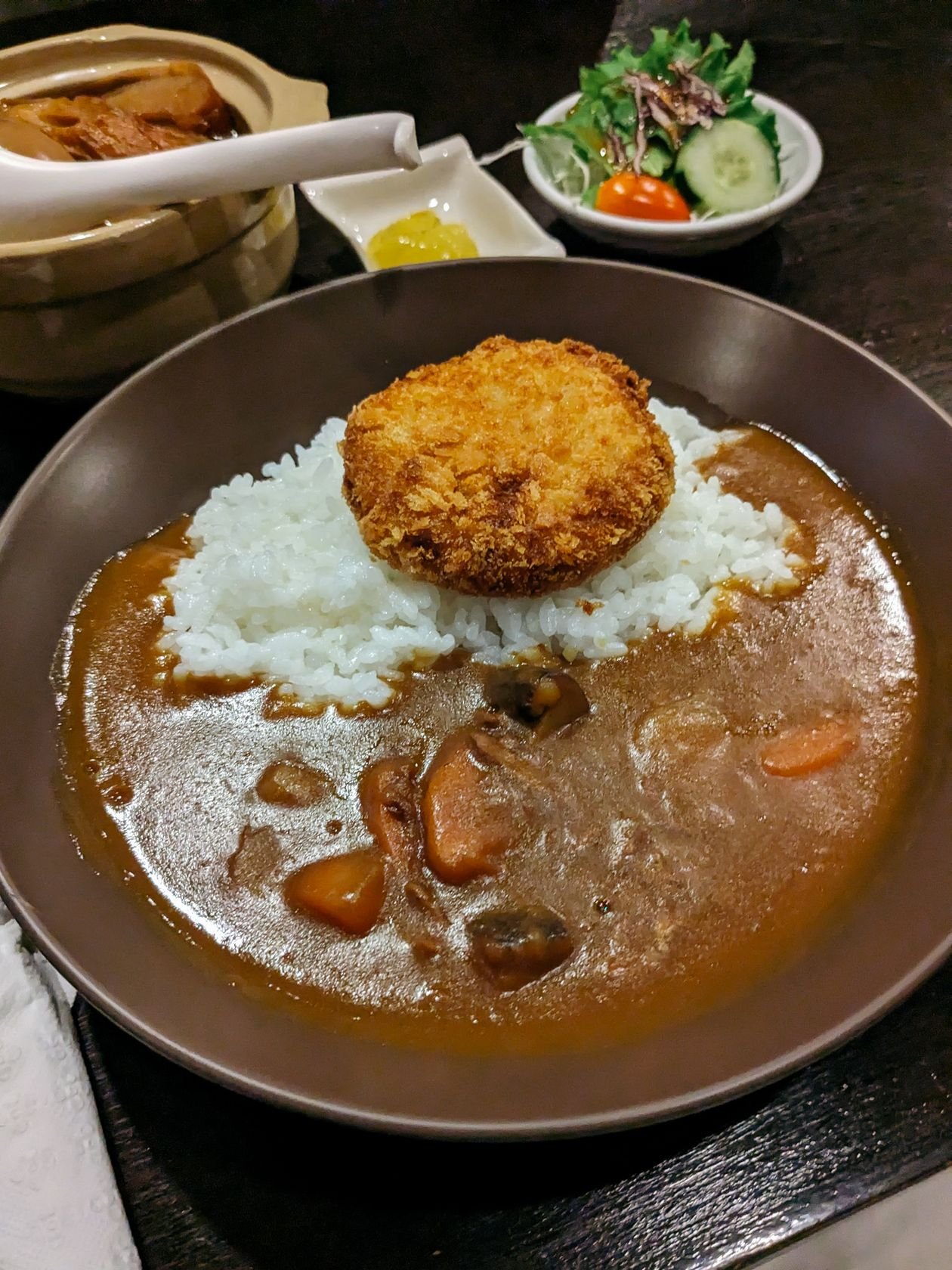
Japanese curry rice is the comfort food Japan reaches for most: tender pieces of beef, potatoes and carrots in a thick, mild, slightly sweet curry sauce, ladled over a mound of steamed rice. The sauce is smooth and rich, the vegetables turn soft and sweet, and the whole plate tastes like a warm evening at home. It is easy, forgiving, and loved by almost everyone who tries it.
The story behind Japanese Curry Rice
Japanese curry arrived in the late 19th century, when the British navy brought Indian-style curry to Japan during the Meiji period. Japanese cooks adapted it to their own tastes, making it thicker, milder and sweeter than the curries it came from, and serving it over rice instead of bread. The dish spread through navy canteens and school lunches, and by the 20th century it had become one of the most eaten meals in the country. The navy served curry every Friday, a tradition that still continues today, and the habit spread from sailors to their families and then to the whole country.
In Japan, curry rice is everyday food, cooked at home, sold in restaurants and eaten from instant pouches on busy nights. It appears on school lunch menus, in family kitchens and at curry shops that serve nothing else. The sauce comes from a roux, a block of curry paste that melts into the pot, and every household has a favourite brand and a favourite level of heat. The dish is also a way to use up vegetables and leftover meat, because almost anything can go into the pot.
What makes Japanese curry special is the sauce itself. It is thick enough to coat a spoon, mild enough for children, and sweet in a way that surprises first-time tasters. The sweetness comes from onions cooked slowly until they turn soft and golden, and from the roux itself, which often includes a little honey or apple. The vegetables soften into the sauce, the meat turns tender, and the rice underneath soaks up the edges of the curry.
Cook Japanese curry rice when you want a one-pot meal that feeds a family with almost no fuss. It suits a weeknight dinner, a slow Sunday lunch or a batch-cooking session, because the curry tastes even better the next day. It is also a good dish for beginners, because the roux does most of the flavour work and the pot is very forgiving about timing.
- Prep time
- 20 mins
- Cook time
- 40 mins
- Total time
- 1 hr
- Servings
- 4 servings
- Calories
- 620
Ingredients
- 500 g beef stewing steak, cut into bite-size pieces
- 2 onions, thinly sliced
- 2 carrots, peeled and cut into chunks
- 3 potatoes, peeled and cut into chunks
- 2 tablespoons vegetable oil
- 1 litre water or beef stock
- 1 tablespoon tomato paste
- 1 teaspoon honey (optional)
- 100 g Japanese curry roux blocks (about half a standard pack)
- Salt to taste
- 600 g cooked short-grain rice, to serve
- Pickled vegetables (fukujinzuke), to serve (optional)
Instructions
- Heat the oil in a large heavy pot over medium-high heat. Brown the beef in batches for 2 to 3 minutes per side, until the pieces have a deep brown crust, then lift them out and set them aside. Browning builds flavour in the sauce, so do not skip this step or crowd the pan. Work in two batches if the pot is crowded, because a single layer of meat browns properly while a heaped pan steams and stays pale.
- Lower the heat to medium and cook the onions in the same pot for 8 to 10 minutes, stirring often, until they are soft, sweet and golden. The onions should shrink down and smell sweet, which is the base flavour of the whole curry. Stir the onions often and scrape the bottom of the pot, because the sweet, browned bits that stick there are flavour for the sauce.
- Return the beef to the pot and add the carrots, potatoes, water and tomato paste. Stir well, scraping up the browned bits from the bottom of the pot, then bring it to a gentle boil.
- Skim off any foam that rises to the surface with a spoon, then lower the heat and cover the pot. Simmer for 25 to 30 minutes, until the beef is tender and the potatoes are soft enough to break with a spoon. The beef should yield easily when you press it with a spoon, and the potatoes should break apart with almost no effort.
- Turn off the heat and break the curry roux blocks into the pot, stirring until they melt completely into the sauce. The roux thickens the curry, so stir well and make sure no lumps of roux remain.
- Return the pot to low heat and simmer gently for 5 to 10 minutes, stirring often, until the sauce is thick, smooth and glossy. It should coat the back of a spoon and hold its shape briefly when you drag the spoon through it. The sauce will turn from thin and watery to thick and glossy in front of your eyes, and a spoon dragged through it should leave a trail that holds for a second.
- Stir in the honey if you like a touch of sweetness, then taste the sauce and add salt if it needs it. The curry should be mild, savoury and slightly sweet, with the flavour of the onions coming through.
- Spoon the steamed rice onto one side of each plate or bowl, and ladle the curry beside it, not over the top. Serve at once with pickled vegetables on the side, and eat while the sauce is still hot and thick.
Pro tips
- Brown the beef properly. A deep brown crust on the meat gives the sauce a rich, savoury depth that no amount of roux can replace. A properly browned piece of beef is dark on the outside and still pink in the middle when it comes out of the pan, because it finishes cooking in the sauce.
- Cook the onions slowly. Eight to ten minutes of gentle frying turns them sweet and golden, and that sweetness is the base flavour of Japanese curry. If the onions start to brown too fast, lower the heat and add a splash of water, which lets them soften without burning.
- Take the pot off the heat before you add the roux. The blocks melt smoothly in hot liquid, but a boiling pot can make the sauce lumpy and uneven. The roux melts in a minute or two off the heat, and you can see it dissolve into the sauce as you stir.
- Stir the curry often after the roux goes in. The thick sauce catches and burns easily on the bottom of the pot, so keep it moving. The sauce thickens fast once the roux is in, so stir from the bottom and the edges, where it catches first.
- Let the curry rest for 10 minutes before serving. The sauce thickens slightly as it cools, and the flavours settle together in the pot. The potatoes soften further as the curry sits, and the sauce soaks into them, so a rested curry always tastes richer than one served straight from the pot.
Variations & serving ideas
Japanese curry is easy to change, and every household has its own version. Chicken thigh makes a lighter curry that cooks faster, while pork belly gives a richer, fattier result. A vegetarian version uses mushrooms, sweet potato and aubergine, and it is just as satisfying. Some cooks add a grated apple or a spoonful of jam for sweetness, and others stir in a little chocolate or coffee for a deeper, darker sauce. The heat level is yours to choose, from mild to hot, by picking a different roux. Some families mix two roux flavours, half mild and half medium, to get a heat level that suits everyone at the table, including children.
Substitutions are simple. If you cannot find Japanese curry roux, a mild curry powder mixed with flour and butter makes a rough substitute, though the flavour is less smooth. Sweet potatoes can replace regular potatoes, and any root vegetable, such as parsnip or turnip, works in the pot. Beef stock gives a richer sauce than water, and a splash of soy sauce at the end adds a savoury depth.
Serve Japanese curry rice with the rice and curry side by side on the plate, not mixed together, so each spoonful can take a little of both. Pickled vegetables, called fukujinzuke, are the classic accompaniment, and a simple green salad adds freshness. A soft-boiled egg on top is a popular addition, and a little chilli oil gives heat for those who want it.
Pair the dish with a cold beer, a glass of iced tea or a cup of barley tea, which is the usual drink with curry in Japan. For a full meal, start with a light salad and finish with fruit, because the curry itself is filling enough to carry the dinner. Leftover curry is a gift: it tastes better the next day, and it makes a fine filling for a curry bread roll or a topping for noodles. In Japan, leftover curry is also spooned over an omelette to make omurice curry, a favourite lunch that turns last night's dinner into something new.
Getting it right
The key technique in Japanese curry is building flavour in layers before the roux ever goes in. Browning the beef creates a deep, savoury base through the Maillard reaction, and cooking the onions slowly until they are soft and golden adds a sweetness that no shortcut can match. The tomato paste, stirred in and cooked briefly, adds a background richness. Each step is simple, but skipping any of them leaves the sauce flat and one-dimensional. The onions alone take nearly ten minutes, and that time is an investment, because their sweetness is what makes Japanese curry taste different from every other curry.
Heat and timing control matter most after the roux is added. The sauce must be kept at a gentle simmer, never a hard boil, because the thick sauce catches and burns on the bottom of the pot very quickly. Stir often, keep the heat low, and watch the sauce as it thickens. Five to ten minutes is enough for the roux to melt fully and the sauce to turn glossy. Longer cooking at this stage risks scorching, so take the pot off the heat as soon as the sauce coats a spoon.
The common mistakes are easy to fix. A lumpy sauce means the roux was added to a boiling pot or not stirred enough, so take the pot off the heat next time and stir until every block has melted. A thin sauce means not enough roux or too much liquid, so add another block or simmer a little longer with the lid off. A burnt taste means the sauce caught on the bottom, so stir more often and keep the heat low. A bland curry usually needs more salt or a spoonful of soy sauce, because the roux alone is not always enough seasoning.
Storing & reheating
Japanese curry keeps in the fridge for up to 3 days in a sealed container, and most cooks agree it tastes better on the second day, when the flavours have settled and the sauce has thickened. Store the rice separately, because rice left in the curry goes soft and mushy. Reheat the curry gently in a pot over low heat with a splash of water, stirring often.
For longer storage, freeze the curry without the rice for up to 3 months. Thaw it overnight in the fridge, then reheat it gently in a pot, adding a little water if the sauce has thickened too much. Do not freeze the potatoes, because they turn grainy and watery when thawed, so fish them out before freezing or accept a softer texture.
Frequently asked questions
What is Japanese curry roux?
Curry roux is a solid block of curry paste, made from flour, fat, curry spices and seasonings, that melts into the pot to flavour and thicken the sauce. It comes in mild, medium and hot versions, and most supermarkets with a Japanese section stock it. Break the blocks into the pot off the heat and stir until smooth.
Can I use chicken instead of beef?
Yes, chicken thigh is a popular choice and cooks faster than beef. Brown the pieces the same way, then simmer for about 20 minutes until tender. The curry will be lighter and a little less rich, but just as satisfying with the same vegetables and sauce.
Why is Japanese curry sweet?
The sweetness comes from onions cooked slowly until they turn soft and golden, and from the roux itself, which often contains a little honey or apple. It is a gentle, background sweetness rather than a sugary taste, and it balances the spices in the sauce. A spoonful of honey or a grated apple can add sweetness too, though most cooks rely on the slow-cooked onions alone.
Can I make Japanese curry ahead of time?
Yes, and it tastes better the next day. Make the curry, cool it, and keep it in the fridge for up to 3 days, storing the rice separately. Reheat it gently in a pot with a splash of water, stirring often so the thick sauce does not catch and burn.
Why did my curry sauce go lumpy?
The roux was probably added to a boiling pot or not stirred enough. Always take the pot off the heat before adding the roux blocks, and stir until every piece has melted completely. If lumps remain, whisk the sauce or pass it through a sieve.
What should I serve with Japanese curry?
Steamed short-grain rice is essential, served beside the curry rather than mixed in. Pickled vegetables, called fukujinzuke, are the classic accompaniment, and a simple green salad or a soft-boiled egg on top both work well.