Hiyayakko Recipe
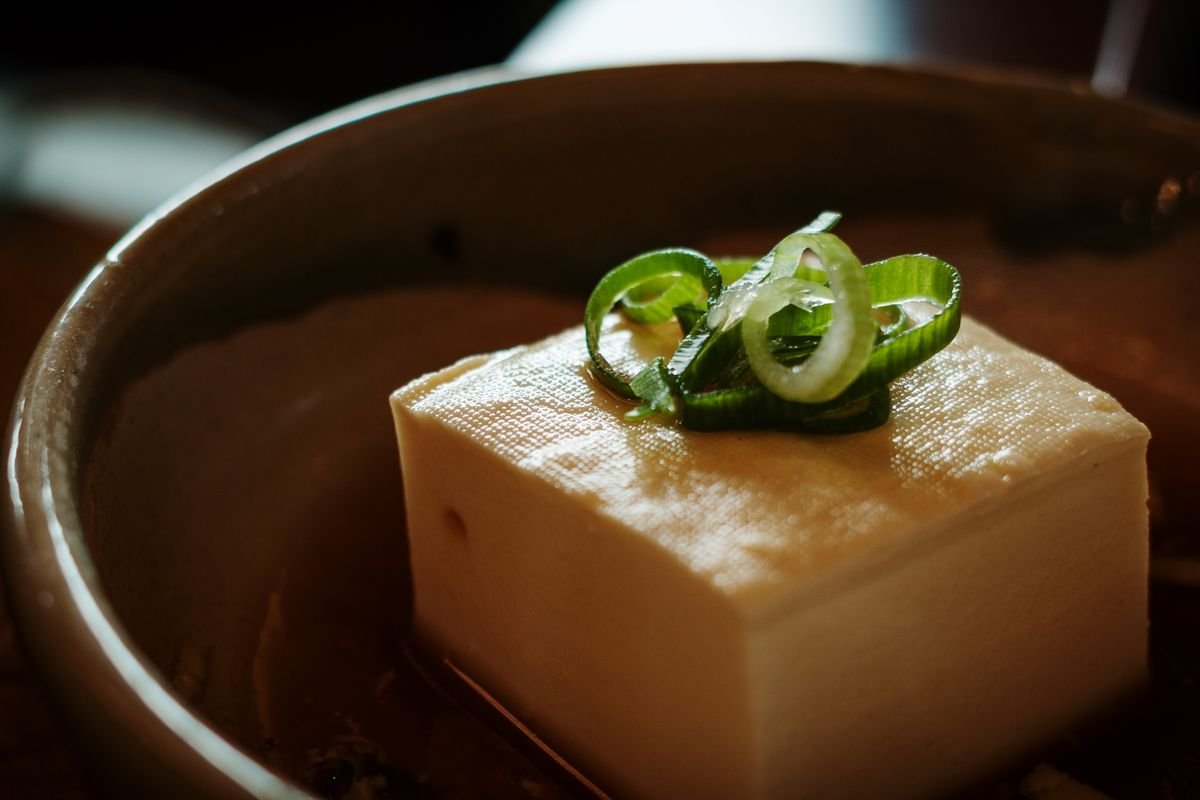
Hiyayakko is Japan's simplest dish: a cold block of silken tofu, topped with grated ginger, spring onion and a splash of soy sauce. It is cool, clean and light, with a soft, creamy texture that needs no cooking at all. On a hot day, there is nothing better, and it takes 20 minutes to make.
The story behind Hiyayakko
Hiyayakko has been eaten in Japan for centuries. The name means cold tofu, and the dish comes from the days when tofu was made fresh each morning and sold by street vendors, who carried it in wooden buckets of cold water. A block of fresh tofu, eaten cold with a few toppings, was a quick, cheap meal for workers and a cooling dish in the summer heat. Tofu sellers in old Japan carried their wares through the streets, calling out to customers, and the tofu was eaten the same day it was made.
Tofu itself reached Japan from China more than a thousand years ago, brought by Buddhist monks, and it became a staple of temple cooking, where meat was avoided. Silken tofu, soft and smooth, was prized for its delicate texture, and hiyayakko became the simplest way to enjoy it: no cooking, no sauce to make, just cold tofu and a few fresh toppings. The dish is often served as part of a summer meal, alongside cold noodles and grilled fish, when the heat makes heavy food unappealing.
What makes it special is the contrast of textures and flavours. The tofu is cool, soft and mild, almost blank, so the toppings do all the work. The ginger brings warmth and a sharp bite, the spring onion adds freshness and crunch, the soy sauce gives salt and depth, and the bonito flakes, if you use them, add a smoky, savoury note. Each bite is cold, clean and quietly full of flavour. Bonito flakes are made from tuna that is smoked, dried and shaved into paper-thin flakes, and they add a deep, savoury flavour to the tofu.
Cook it in summer, when the weather is hot and you want something light. It suits a starter for a Japanese dinner, a side dish with rice and grilled fish, or a snack with a cold beer on a warm evening. Make it just before serving, straight from the fridge, and eat it while it is still properly cold. Hiyayakko is one of the few Japanese dishes with no cooking at all, which makes it a favourite on hot days when no one wants to stand at the stove.
- Prep time
- 15 mins
- Cook time
- 5 mins
- Total time
- 20 mins
- Servings
- 4 servings
- Calories
- 160
Ingredients
- 600 g silken tofu (2 blocks)
- 2 tablespoons soy sauce
- 1 tablespoon grated fresh ginger
- 2 spring onions, finely sliced
- 1 tablespoon bonito flakes (katsuobushi)
- 1 teaspoon sesame seeds, toasted
- 1 teaspoon sesame oil
- 1 small cucumber, thinly sliced (optional)
- Grated daikon, to serve (optional)
Instructions
- Take the tofu blocks out of their packets and drain them gently. Silken tofu is very soft and breaks easily, so handle it with care and use a wide spoon or a spatula to lift it. Pat the blocks dry with paper towel, touching them lightly so they do not crack. Open the packet over the sink, since silken tofu sits in water, and drain it gently so the block does not slide out and break.
- Cut each block into 2 equal pieces and place them in 4 small, shallow bowls. The tofu should sit in the centre of the bowl with a little space around it for the toppings and the soy sauce. Chill the bowls in the fridge for 10 minutes while you prepare the toppings. Use small, shallow bowls rather than deep ones, so the tofu is easy to reach with chopsticks and the toppings stay on top.
- Peel the ginger and grate it finely on a small grater or a microplane. You need about 1 tablespoon of soft, juicy grated ginger. Squeeze it lightly if it is very wet, but keep some of the juice, as it carries a lot of flavour. Grate the ginger on the fine side of a box grater, and use the back of a spoon to press out the juice if you want it drier.
- Slice the spring onions finely, keeping the green and white parts together, and set them aside in a small bowl. Toast the sesame seeds in a dry pan for 1 to 2 minutes, shaking often, until they smell nutty and turn pale gold. Slice the spring onions on a sharp diagonal, which gives longer pieces that look better scattered over the tofu.
- Take the chilled tofu out of the fridge and spoon a little grated ginger onto the top of each block. Scatter the spring onions over the ginger, then add a small pinch of bonito flakes and a few toasted sesame seeds to each bowl. Scatter the toppings evenly across the top of the block, so every bite of tofu comes with a little ginger and onion.
- Drizzle half a tablespoon of soy sauce over each block, letting it run down the sides and pool a little in the bowl. Add a few drops of sesame oil to each serving. The soy sauce should season the tofu without drowning it.
- Taste the soy sauce on a piece of tofu and add a few more drops if the flavour needs lifting.
- Serve at once, while the tofu is still cold from the fridge. Eat it with chopsticks or a spoon, breaking off pieces of tofu with a little of each topping. Offer extra soy sauce at the table for anyone who wants more.
Pro tips
- Use silken tofu, not firm tofu. Silken tofu is soft, smooth and creamy, which is the whole point of the dish. Firm tofu is too dense and dry, and it will not give you the cool, delicate texture that makes hiyayakko work. Check the date on the tofu packet before you buy it, and choose the freshest block on the shelf, since old tofu tastes sour.
- Chill the tofu well before serving. The dish depends on the cold, so keep the blocks in the fridge until the moment you serve them. Warm tofu tastes flat and the toppings lose their freshness. Keep the tofu in the coldest part of the fridge, and do not leave it on the counter while you prepare the other ingredients.
- Handle the tofu gently. Silken tofu breaks at the slightest pressure, so lift it with a wide spoon, pat it dry with a light touch, and cut it with a sharp, wet knife for clean edges. A microplane grater gives the finest ginger, which spreads more evenly over the tofu than coarsely grated pieces.
- Grate the ginger fresh. Ready-grated ginger from a jar tastes dull and sharp at the same time, while fresh ginger is warm, juicy and bright. Grate it just before you serve the dish. If the tofu cracks when you lift it, do not worry: arrange the pieces in the bowl and cover the cracks with the toppings.
- Do not drown the tofu in soy sauce. Half a tablespoon per serving is enough to season it. Too much soy sauce overwhelms the delicate flavour of the tofu and makes the whole bowl taste salty.
Variations & serving ideas
For a heartier version, add a spoonful of grated daikon and a little chopped myoga ginger on top of the tofu. The daikon adds a fresh, peppery bite and a little juice that mixes with the soy sauce. A few slices of cucumber around the bowl add colour and crunch. A spoonful of yuzu kosho, a paste of citrus and chilli, adds a sharp, fragrant heat that works beautifully with the cool tofu.
Swap the bonito flakes for a spoonful of kimchi or a little pickled ginger if you want a different flavour. Kimchi brings heat and sourness, while pickled ginger adds a clean, sharp sweetness. Both work well with the cool tofu, and both are easy to find. For a more filling version, top the tofu with a spoonful of natto, the fermented soybeans that are a common breakfast food in Japan.
Add a soft-boiled egg, halved, next to the tofu for a more filling dish. The creamy yolk mixes with the soy sauce and makes a richer sauce for the tofu. A few slices of avocado also work, adding a buttery texture that suits the mild flavour of the tofu. A little grated wasabi mixed into the soy sauce gives the dish a clean, nose-tingling heat that suits the mild tofu.
Serve it as a starter for a Japanese meal, with rice, miso soup and grilled fish to follow. It also works as a light lunch on its own, with a bowl of rice and a few pickles. A cold beer or a cup of cold green tea is the classic partner on a hot day. If you cannot find bonito flakes, use a few drops of sesame oil and a pinch of salt instead, which give a simpler but still pleasant flavour.
Getting it right
The key technique is handling the tofu. Silken tofu is delicate, and it breaks if you press it, drop it, or cut it with a dull knife. Drain it gently, pat it dry with a light touch, and cut it with a sharp knife that you have run under cold water. If a block cracks, serve it anyway: the toppings will cover it, and the flavour is the same. The tofu should be cut with a wet knife, which slides through the soft block cleanly and leaves smooth, even edges.
Heat does not come into this dish, so temperature control means keeping everything cold. Chill the bowls, chill the tofu, and grate the ginger at the last minute so it stays fresh. The dish should come to the table cold, with the toppings bright and the tofu firm and cool to the touch. The toppings should be prepared before the tofu comes out of the fridge, so the dish is assembled quickly and served while it is still cold.
The common mistake is over-seasoning. The tofu is mild, and the toppings are meant to season it lightly, not bury it. Half a tablespoon of soy sauce, a little ginger and a scattering of spring onion are enough. If the bowl tastes flat, add a few more drops of soy sauce rather than doubling the ginger, which will take over. The soy sauce should be poured over the tofu at the table if possible, so each person can season their own serving to taste.
Storing & reheating
Hiyayakko does not keep. Make it and eat it within an hour, while the tofu is cold and the toppings are fresh. Leftovers go soft in the fridge, the spring onion wilts, and the ginger loses its brightness. Do not freeze tofu, as it turns spongy and crumbly when thawed. Unopened tofu keeps in the fridge until the date on the packet, but once opened it should be eaten the same day.
If you want to plan ahead, prepare the toppings in advance and keep them covered in the fridge. Cut and plate the tofu just before serving, so it is cold, firm and clean. Buy only as much tofu as you need for one meal, and check the date on the packet before you open it. If you must store an opened block, cover it with cold water in a sealed container and change the water daily, though it is best eaten fresh.
Frequently asked questions
What is hiyayakko?
Hiyayakko is chilled silken tofu served cold with toppings such as grated ginger, spring onion, bonito flakes and soy sauce. The name means cold tofu, and it is one of the simplest dishes in Japanese cooking. The name comes from hiya, meaning cold, and yakko, an old word for a small square block, which describes the chilled tofu exactly.
What tofu should I use?
Silken tofu is the right choice, as it is soft, smooth and creamy. Firm tofu is too dense and dry for this dish. Look for silken tofu in the chilled section, and handle it gently, as it breaks easily. Silken tofu is not pressed, which is why it is so much softer than firm tofu.
Is hiyayakko vegan?
It is vegan if you leave out the bonito flakes, which are made from dried fish. The rest of the dish is just tofu, ginger, spring onion and soy sauce, so it is naturally free of animal products without the flakes. Bonito is the only animal product here, so the swap is simple.
Can I make hiyayakko ahead of time?
Only the toppings can be prepared ahead. Cut and plate the tofu just before serving, so it is cold and firm. The finished dish should be eaten within an hour, as the toppings wilt and the tofu softens. The toppings wilt quickly in the fridge, and the tofu softens, so the dish should be assembled just before you eat it.
What are bonito flakes?
Bonito flakes, or katsuobushi, are thin shavings of dried, smoked tuna. They add a smoky, savoury flavour and they move and curl on top of hot food, though on cold tofu they simply sit as a topping. Buy them in Asian grocery shops or the international aisle.
What do I serve with hiyayakko?
Serve it as a starter or a side dish with steamed rice, miso soup and grilled fish or chicken. It also works as a light lunch on its own, with a bowl of rice and a few pickles on the side.