Stracciatella Soup Recipe
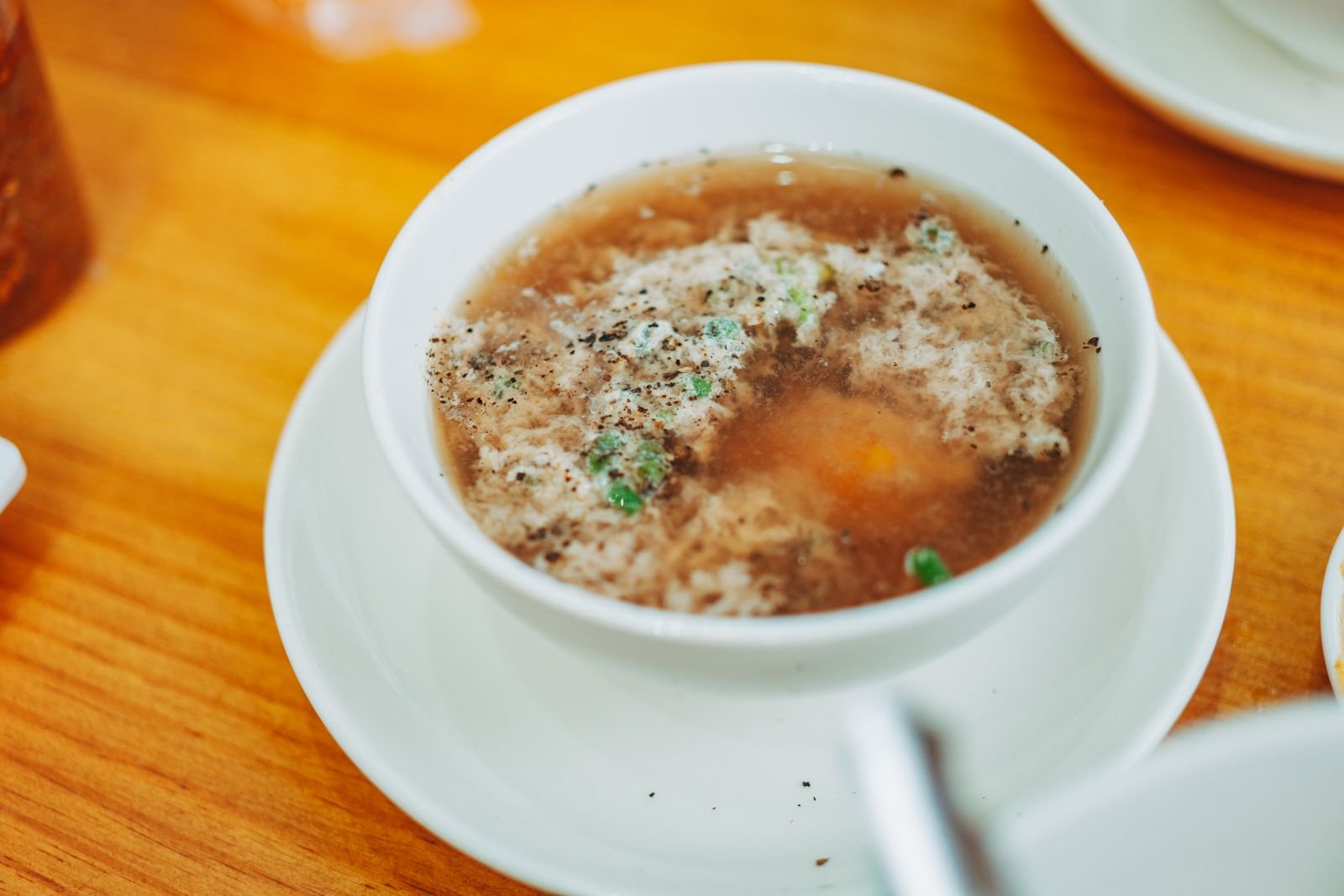
Stracciatella Soup is comfort in a bowl: hot, clear chicken broth swirled with delicate ribbons of egg and Parmigiano. It takes thirty minutes, uses ingredients you probably already have, and tastes far better than its simple list suggests. Serve it with crusty bread when someone needs warming up. It is light, warming and ready in half an hour, with nothing more than eggs, broth and cheese.
The story behind Stracciatella Soup
Stracciatella comes from Rome and the region of Lazio, and its name means little rags, a nod to the wispy shreds of egg that float in the broth. The dish dates back centuries, to a time when cooks stretched simple ingredients into something nourishing. Eggs were cheap and always to hand, broth was made from bones and scraps, and a little cheese gave the bowl its savoury depth. Nothing was wasted, and the result was far better than the sum of its parts. Eggs, broth, cheese and a pinch of nutmeg were things a Roman household almost always had, so the soup became a fixture of home cooking.
In Rome, stracciatella is the soup of the cold months and the soup of recovery. It is what you make when someone is ill, when the weather turns, or when you want something light before a bigger meal. Roman cooks reach for it the way others reach for chicken soup: as a gentle, warming bowl that asks little of the person eating it and gives back a lot. It also has a place at Easter, where a richer version with semolina appears on festive tables. That festive bowl is thicker and more substantial, often served as part of a long family lunch. The everyday version stays simple, and that simplicity is the point. The everyday version stays simple, and that simplicity is the point.
What makes it special is the texture. The eggs are whisked with cheese and poured into simmering broth in a thin stream while you stir, so they set into soft ribbons instead of clumps. The broth stays clear and golden, the egg turns pale and tender, and the whole bowl smells of chicken, nutmeg and Parmigiano. Nutmeg is the quiet spice here; you notice it only when it is missing, and it ties the egg and cheese together in a way salt alone cannot. It is light enough to start a meal and satisfying enough to stand alone.
Cook this soup when you want something warm and gentle without a long cook. It suits a quiet weeknight, a first course before roast chicken, or a lunch for someone feeling under the weather. Use the best broth you can, because with so few ingredients the broth does most of the work. A homemade stock is ideal, but a good shop-bought one will still give you a lovely bowl. If you use shop-bought stock, choose a low-salt one so you can season the soup yourself, and warm it with a bay leaf and a few peppercorns for ten minutes to give it more depth.
- Prep time
- 10 mins
- Cook time
- 20 mins
- Total time
- 30 mins
- Servings
- 4 servings
- Calories
- 280
Ingredients
- 1.5 litres good chicken stock
- 4 large eggs
- 60 g Parmigiano-Reggiano, finely grated
- 2 tbsp semolina (optional, for body)
- 1/4 tsp ground nutmeg
- 2 tbsp chopped flat-leaf parsley
- 1 tbsp lemon juice (optional)
- Salt, to taste
- Black pepper, to taste
- Crusty bread, to serve
Instructions
- Pour the chicken stock into a large saucepan and bring it to a gentle simmer over medium heat. Taste the stock and season lightly with salt. It should be well flavoured on its own, since it carries the whole soup. A clear, golden stock makes the prettiest soup.
- While the stock heats, crack the eggs into a bowl and whisk them with the Parmigiano, the nutmeg and a pinch of black pepper. If you are using semolina, whisk that in too. The mixture should look pale yellow and slightly thick, with the cheese evenly mixed through. Whisk until smooth.
- Turn the stock down so it barely simmers. A rolling boil will break the egg into rough clumps, while a gentle simmer lets it set into fine ribbons. You want small bubbles rising slowly, not a hard churn.
- Pour the egg mixture into the stock in a thin, steady stream, stirring the broth in slow circles with a fork or whisk as you pour. Keep stirring for 30 seconds as the egg sets. You will see pale ribbons forming and drifting through the broth. Keep stirring in slow circles until all the egg has set.
- Let the soup simmer very gently for 2 minutes more. The ribbons should look soft and wispy, and the broth should stay clear and golden. If the egg looks scrambled and chunky, the heat was too high, but the soup will still taste good.
- Taste and adjust the seasoning. Add the lemon juice now if you are using it; it brightens the broth without making it sour. Stir in half the parsley and keep the rest for serving. Taste once more before serving.
- Ladle the soup into warm bowls. The ribbons will settle and drift as you pour, which is part of the charm. Make sure each bowl gets a good share of egg and a ladleful of clear broth.
- Scatter the remaining parsley over each bowl and add a little extra grated Parmigiano on top. Serve straight away with crusty bread for dipping. The bread soaks up the broth and turns a light soup into a proper lunch.
- If you have leftover soup, stir it gently before reheating, since the ribbons settle at the bottom. Warm it slowly over low heat and add a fresh grating of Parmigiano and a little parsley to each bowl, so the second serving tastes as fresh as the first.
Pro tips
- Use the best chicken stock you can get. With only a handful of ingredients, a thin or salty stock will show, while a rich homemade stock makes the soup taste like it cooked for hours. A rich stock makes the soup taste like it cooked for hours.
- Keep the broth at a bare simmer when you add the eggs. High heat turns the ribbons into scrambled lumps, while a gentle simmer gives you the fine, silky shreds this soup is named for.
- Whisk the eggs and cheese well before pouring. Lumps of cheese in the bowl will sink and clump, but a smooth mixture streams into the broth and sets evenly.
- Pour in a thin stream, not all at once. A slow pour with constant stirring is what makes ribbons; dumping the eggs in one go makes a single flat omelette in your soup.
- Season at the end, not the start. The Parmigiano is salty, and the stock may already be salted, so taste after the eggs go in and add salt only if the bowl needs it. Taste first.
Variations & serving ideas
For a heartier bowl, stir in a handful of baby spinach or shredded cooked chicken just before serving. A few drops of good olive oil on top add richness without weight, and a grating of lemon zest over the bowl lifts the whole thing. Keep additions small so the delicate ribbons stay the star. The spinach wilts in seconds and adds colour, while the chicken turns the soup into a light main course. A few cooked orzo or small pasta shapes also work, though they make the soup less delicate.
If you want a richer Easter-style version, add the semolina and an extra egg, and finish with more Parmigiano. The soup turns thicker and more substantial, closer to a meal in itself. For a lighter version, skip the semolina and use two whole eggs plus two egg whites, which keeps the ribbons delicate and the broth clear. You can also stir in grated courgette or carrot, finely shredded, which softens in the hot broth and adds colour without changing the character of the soup.
Serve stracciatella as a first course before roast chicken, grilled fish or a pasta main. It also works as a light lunch with bread and a salad. Keep the accompaniments simple, because the soup itself is quiet and does not want competition. A green salad with lemon dressing is plenty alongside it. It also works as a light lunch with bread and a salad. Keep the accompaniments simple, because the soup itself is quiet and does not want competition. A green salad with lemon dressing is plenty alongside it.
Pair it with a dry white wine such as a Vermentino or a Soave if it opens a meal, or with sparkling water and lemon if it is lunch. The soup is gentle, so the drink should be gentle too. Finish with fruit or a small biscuit rather than a heavy pudding, and let the warmth of the soup carry the meal. A glass of sparkling water with lemon keeps the palate fresh, and the whole meal feels light and calm rather than heavy. A few drops of olive oil on top add richness.
Getting it right
The key technique is the pour. Whisk the eggs, cheese and nutmeg until smooth, then pour the mixture into the simmering stock in a thin stream while you stir in slow, steady circles. The motion matters as much as the speed. Stirring in one direction draws the egg into long ribbons, while random stirring breaks it into small flecks. Aim for ribbons about as wide as a shoelace. If the stream is too thick, the egg sets in sheets; if it is too thin, it breaks into tiny flecks. A steady hand and a slow pour are worth more than speed, and your second bowl will always look better than your first.
Heat control is everything here. The stock must be hot enough to set the egg on contact, but calm enough not to tear it apart. A bare simmer, with small bubbles breaking the surface, is the sweet spot. If the pot starts to boil hard, lift it off the heat for a few seconds before you pour. Once the egg is in, two minutes of gentle heat is enough.
The most common mistake is pouring the eggs into boiling stock, which gives you scrambled egg soup instead of stracciatella. The second is under-whisking the cheese, which leaves clumps. The third is overcooking, which toughens the ribbons and clouds the broth. If your first attempt comes out chunky, lower the heat and pour more slowly next time; the flavour will still be good, and the technique improves fast with practice. Taste the broth before you serve and adjust the salt and lemon, since a well-seasoned broth is what makes a simple soup taste complete.
Storing & reheating
Stracciatella is best eaten fresh, but leftovers keep in the fridge for up to 2 days in a sealed container. The egg ribbons will soften a little on standing, which is normal. Stir the soup gently before serving so the egg is evenly spread through the broth, and add a fresh grating of Parmigiano and a little chopped parsley to freshen each bowl. Reheat gently in a saucepan over low heat, stirring occasionally, and do not let the soup boil or the ribbons will toughen.
This soup does not freeze well, because the egg ribbons turn rubbery and the broth clouds on thawing. If you want to make it ahead, freeze the stock on its own and make the egg ribbons fresh when you serve it. The whole soup takes only ten minutes from a hot pot of stock, so there is little to gain from freezing the finished dish.
Frequently asked questions
What does stracciatella mean?
Stracciatella means little rags in Italian, a reference to the wispy shreds of egg that float in the broth. The name describes the texture of the egg ribbons, not the ice cream of the same name, which is a different dish entirely.
Can I make stracciatella with vegetable stock?
Yes, a good vegetable stock works well and keeps the soup vegetarian. Use a rich, well-seasoned stock with plenty of flavour, since the broth carries the dish. A stock made with onion, carrot, celery and a dried mushroom or two gives a deeper, more savoury base than a plain vegetable stock. Mushroom stock also gives a lovely depth.
Why did my eggs turn into scrambled lumps?
The stock was too hot, or the eggs went in too fast. Keep the broth at a bare simmer and pour the egg mixture in a thin stream while stirring in slow circles. A gentle heat gives ribbons, while a hard boil gives lumps.
Is semolina necessary in stracciatella?
No, semolina is optional. It adds a little body and makes the soup slightly thicker, which is traditional in the Easter version. Without it the soup stays lighter and the broth clearer, which many cooks prefer. Add it if you like a heartier bowl.
Can I add pasta to stracciatella soup?
Yes, a small handful of orzo, stelline or other tiny pasta shapes works well. Cook the pasta in the stock first, then add the eggs. Keep the amount small so the soup stays light and the egg ribbons stay visible in the clear broth.
How do I store leftover stracciatella?
Keep it in a sealed container in the fridge for up to 2 days. Reheat gently over low heat without boiling, or the ribbons will toughen. The soup does not freeze well, so make only as much as you will eat.