Pappa al Pomodoro Recipe
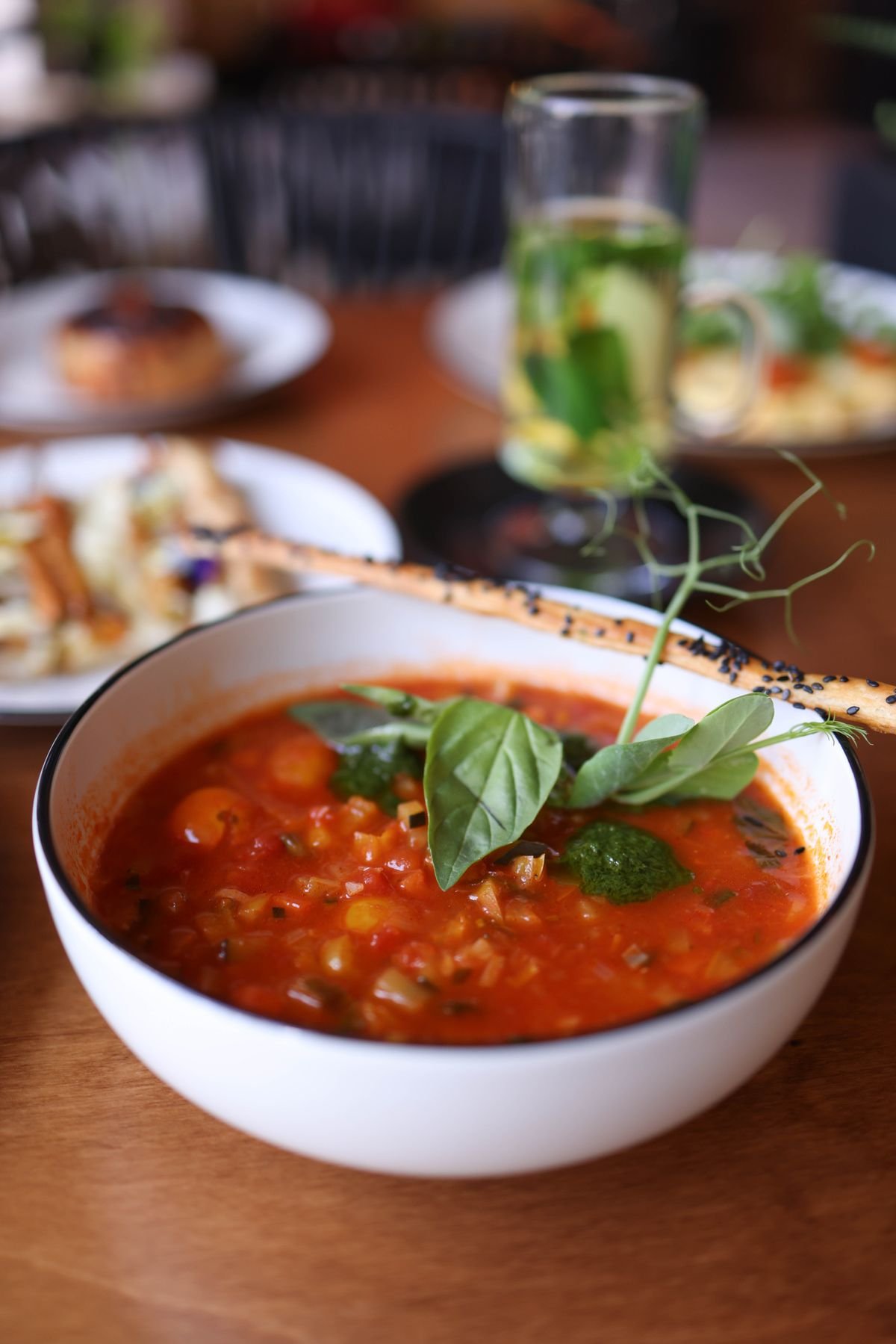
Pappa al Pomodoro is a thick Tuscan tomato and bread soup that turns stale bread into something deeply comforting. Ripe tomatoes simmer with garlic and basil, then torn bread melts into the pot until the soup is rich, soft and spoonable. A drizzle of good olive oil and a torn basil leaf finish each bowl. It is humble food at its best, and it tastes like late summer in a bowl.
The story behind Pappa al Pomodoro
Pappa al Pomodoro comes from Tuscany, and it belongs to the tradition Italians call cucina povera, the cooking of poor people, where nothing was wasted and a few good ingredients had to stretch. Stale bread was the problem every Tuscan household faced, because the local bread is made without salt and goes hard within a day. Instead of throwing it away, cooks softened it in tomato and stock, and the result was a soup so good it became a classic in its own right.
The dish is built on four things: tomatoes, bread, garlic and basil, plus olive oil that is never skimped on. There is no cream, no butter and no meat, yet the soup tastes rich, because the bread melts into the tomatoes and gives the bowl its body. It is the kind of food that was cooked in farmhouse kitchens for generations before anyone wrote it down, passed along by taste and habit rather than by cookbooks. The dish stayed a home-cooked staple for a long time, and it only reached restaurant menus when cooks outside Tuscany started to value the same plain, honest food. Today it shows up on menus from Florence to New York, but the best versions still taste like a farmhouse pot, simple and unhurried.
What makes pappa al pomodoro special is its texture. It is not a smooth soup and it is not a stew. It sits in between, thick enough to eat with a spoon but soft enough to spread, with pieces of bread that have soaked up tomato and gone silky. The basil goes in at the end so it stays green and fragrant, and the olive oil on top is not a garnish but part of the flavour, fruity and a little peppery against the sweet tomatoes. Eat it slowly and you notice how the soup changes as it cools, the tomato settling into something rounder and sweeter, the bread turning softer with every spoonful.
This soup fits a weeknight dinner in the US as easily as it fits a Tuscan farmhouse table. Fresh tomatoes are at their best in late summer, but good canned tomatoes carry the dish through the rest of the year, and the bread is whatever crusty loaf is going stale on your counter. Serve it warm with a salad and call it dinner, or let it cool to room temperature on a hot evening, the way many Tuscan families do, with a glass of something cold beside it.
- Prep time
- 25 mins
- Cook time
- 30 mins
- Total time
- 55 mins
- Servings
- 4 servings
- Calories
- 380
Ingredients
- 2 pounds ripe tomatoes, or 2 cans (28 ounces each) whole peeled tomatoes
- 6 cups day-old crusty white bread, torn into chunks
- 4 tablespoons extra-virgin olive oil, plus more for serving
- 4 garlic cloves, thinly sliced
- 1 small onion, finely chopped
- 2 cups vegetable stock
- 1 large handful fresh basil leaves
- 1 teaspoon sugar, optional
- 1/2 teaspoon red pepper flakes, optional
- Salt and black pepper, to taste
- Grated Parmesan cheese, for serving
Instructions
- Score a small cross on the bottom of each fresh tomato, then drop them into boiling water for 45 seconds. Lift them out, slip off the skins, and chop the flesh roughly. If you are using canned tomatoes, crush them in a bowl with your hands and keep the juices.
- Warm the olive oil in a large pot over medium heat. Add the onion and cook for 4 to 5 minutes until soft and sweet-smelling, then stir in the garlic and red pepper flakes and cook for 30 seconds until the garlic turns pale gold.
- Add the tomatoes and a good pinch of salt, and let them simmer for 8 to 10 minutes. The tomatoes will soften, break down and darken a shade, and the kitchen will smell like a tomato sauce just starting to come together. You will see the pieces slump and the sauce thicken around them, and a wooden spoon dragged through the pot will leave a trail that closes slowly.
- Pour in the vegetable stock and bring the pot to a gentle boil. Taste the broth and add the sugar only if the tomatoes taste sharp or sour, then season with black pepper and let it bubble for 2 minutes. The broth should taste bright and tomatoey at this point, with the garlic in the background and the pepper flakes giving a gentle warmth at the back of the throat.
- Drop in the torn bread, pushing it down into the liquid with a wooden spoon so every piece gets soaked. Turn the heat down low and cook for 12 to 15 minutes, stirring now and then, until the bread collapses into a thick, porridge-like soup. The bread will hiss softly as it hits the hot liquid, and the top pieces will need a push to sink. Stir from the bottom so nothing sticks, and watch the soup grow thick and spoonable.
- Tear in most of the basil leaves and stir them through, then take the pot off the heat. The soup should be thick enough to mound on a spoon and fall back slowly. If it looks stiff, add a splash of stock and stir.
- Let the soup rest for 5 minutes so the bread finishes softening and the flavours settle together. The texture will be soft and rustic, not smooth, with little pieces of bread still visible in the red soup.
- Ladle into wide bowls and finish each one with a generous swirl of olive oil and a few torn basil leaves. Serve with grated Parmesan on the side and extra bread for wiping the bowl clean.
Pro tips
- Tear the bread by hand instead of cutting it. Torn edges soak up more liquid and give the soup a better, more rustic texture than neat cubes.
- Use the best olive oil you have for finishing. It goes on raw at the end, so its flavour is front and centre, and a cheap oil will taste flat against the tomatoes. A grassy, peppery oil is ideal, and you only need a tablespoon per bowl to make the whole dish taste finished.
- Taste the tomatoes before you add sugar. Ripe summer tomatoes need none at all, while pale winter ones may need a small pinch to balance the acidity. A pinch of sugar is a tool, not a habit, so add it a little at a time and taste after each pinch.
- Add the basil off the heat. Basil turns dark and loses its fresh smell if it boils, so tear it in at the end and let the heat of the soup do the work.
- Make it a day ahead if you can. The flavours settle and deepen overnight, and a gentle reheat with a splash of stock brings it back to life. It also means dinner is mostly done before you start, which is a gift on a busy night, since all you need is a salad and some bread on the side.
Variations & serving ideas
The classic version is tomato, bread, garlic and basil, but you can shift it to match the season. In summer, use only fresh ripe tomatoes and serve the soup at room temperature with extra basil. In winter, use good canned tomatoes and a pinch of red pepper flakes, and serve it hot with a grating of Parmesan and a hunk of bread on the side.
For a richer bowl, stir a spoonful of tomato paste into the pot with the garlic, or add a Parmesan rind while the tomatoes simmer and fish it out before serving. The rind melts slowly and gives the soup a deep, savoury background note without adding cream or butter. A spoonful of pesto swirled on top instead of plain basil is another easy change that children tend to like. A soft poached egg on top turns the bowl into a full lunch, the yolk running into the tomato and enriching every spoonful. A handful of white beans stirred in with the bread adds protein and makes the soup hearty enough to stand alone on a cold evening.
If you need a swap, any crusty white bread works in place of Tuscan bread, and day-old sourdough or ciabatta are both good. Gluten-free bread also works, though it breaks down faster, so add it later and cook it for a shorter time. For a dairy-free table, skip the Parmesan and finish with olive oil and a little lemon zest, which lifts the tomato flavour.
Serve pappa al pomodoro as a starter with a simple green salad, or as a light main with a plate of cheese and cured meats. It sits well next to grilled chicken or a piece of white fish, and a glass of crisp white wine or sparkling water with lemon suits it. On a cold night, follow it with something warm and simple, like roasted vegetables, and let the soup do the talking. A simple arugula salad with lemon and shaved Parmesan is a good match, and a bowl of olives or some roasted peppers on the side rounds out the table. Keep the rest of the meal light, because the soup is filling, and let a small dessert, like fresh fruit with a little honey, finish the evening.
Getting it right
The bread is the heart of this soup, and its condition matters more than anything else. It needs to be stale, at least a day old, so it holds its shape for a few minutes in the pot before collapsing. Fresh bread turns to paste too fast and makes the soup gluey. If your loaf is still soft, tear it up and leave it on a tray for an hour, or dry it in a low oven for 10 minutes until the edges feel firm.
Heat control is gentle all the way through. The tomatoes should simmer, not boil hard, so they soften and sweeten without catching. Once the bread goes in, keep the heat low and stir often, scraping the bottom of the pot, because the thick soup can stick and scorch in minutes. You will hear the spoon drag and feel the soup get heavier as the bread drinks, which is exactly the change you want to watch for.
The most common mistake is adding too much liquid. This is a thick soup, closer to porridge than to broth, so start with the stock given and add more only at the end if it looks stiff. The second mistake is blending it smooth. A quick stir with a spoon is all it needs. If you want it a little smoother, mash a few spoonfuls against the side of the pot, but leave the rest rustic, with pieces of bread you can still see.
Storing & reheating
Pappa al pomodoro keeps in the fridge for up to 4 days in a sealed container, and the flavour actually deepens overnight. It will thicken as it sits because the bread keeps absorbing liquid, so stir in a splash of stock or water when you reheat it.
It freezes well for up to 2 months, though the texture turns a little softer after thawing. Freeze it in portions, thaw overnight in the fridge, and warm it gently on the stove. Always finish a reheated bowl with fresh basil and a new drizzle of olive oil, since the old garnish loses its brightness in storage. Do not freeze it with the fresh basil on top, since the leaves turn dark and limp; add the garnish only when you serve it.
Frequently asked questions
Can I use canned tomatoes instead of fresh?
Yes, canned whole peeled tomatoes are a fine swap and often taste better than out-of-season fresh ones. Use a good-quality tin, crush them by hand, and keep the rest of the recipe the same. In summer, ripe fresh tomatoes are worth the extra peeling. Fresh tomatoes need peeling and a little more simmering time, while canned ones are ready to crush straight from the tin.
What bread works best for pappa al pomodoro?
Tuscan bread is famously made without salt, which is why it goes stale fast and soaks up soup so well. Any crusty white bread works, but avoid soft sandwich bread, which turns gluey. Day-old sourdough or ciabatta are good choices.
Should pappa al pomodoro be served hot or at room temperature?
Serve it warm, not piping hot, or even at room temperature, which is how many Tuscan families eat it in summer. The flavours open up as it cools a little, and the olive oil on top stays bright and fruity.
My soup is too thick. How do I fix it?
Add a splash more stock or water and stir it back to a thick, spoonable texture. The bread keeps drinking liquid as it sits, so the soup always thickens a little after cooking. Warm it gently and it comes right back. Add the liquid a little at a time, stirring well, until the spoon moves easily through the pot again.
Is pappa al pomodoro vegan?
Yes. Use vegetable stock and skip any cheese on top. The soup is naturally dairy-free, and the olive oil and basil give it all the richness it needs without butter or cream.
Can I make pappa al pomodoro ahead of time?
Yes, it keeps well in the fridge for up to 4 days in a sealed container. Reheat it gently on the stove with a splash of water or stock, stir well, and finish with fresh basil and a new drizzle of olive oil.