Pasta al Forno Recipe
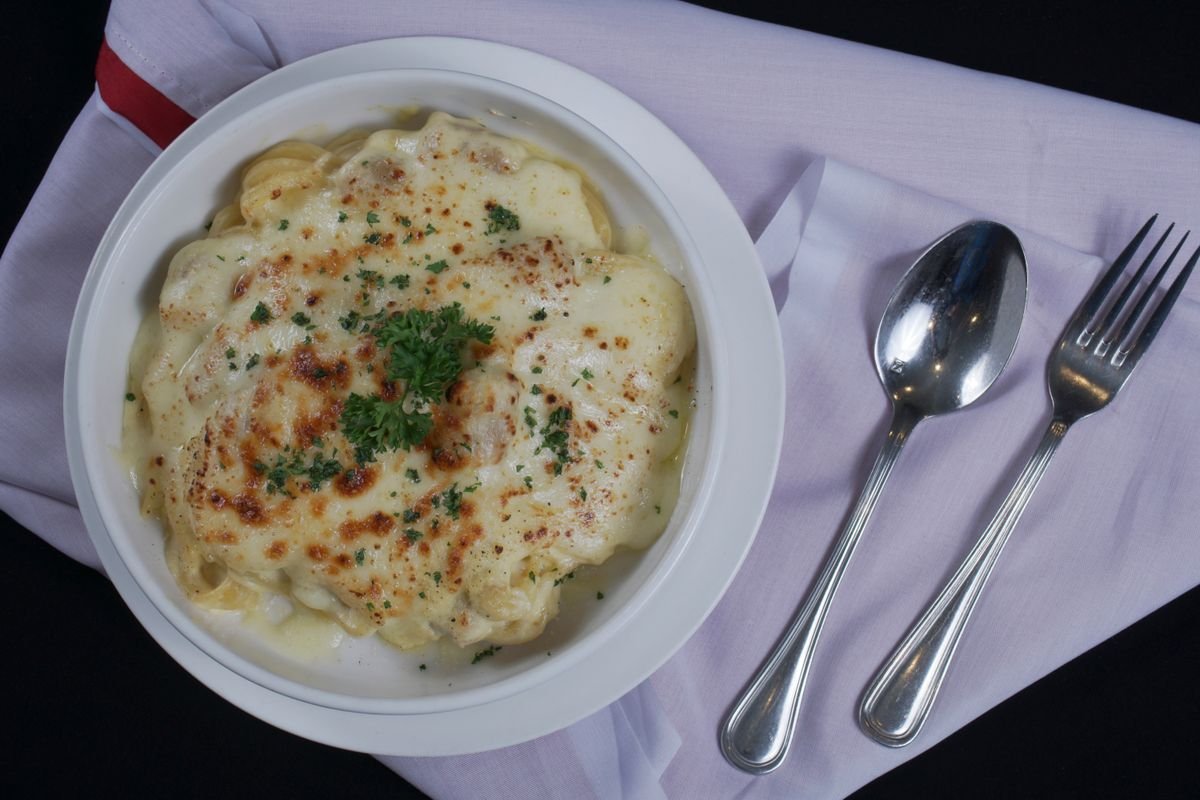
Pasta al Forno is the baked pasta dish Italian families make when everyone is coming to dinner. Layers of rigatoni, slow-cooked tomato sauce, creamy mozzarella and salty Parmesan go into the oven until the top turns golden and the edges bubble. It feeds a crowd, reheats well, and tastes even better the next day. This is comfort food at its best, and it is far simpler than it looks.
The story behind Pasta al Forno
Baked pasta has been part of Italian cooking for centuries, and every region has its own version. In the south, especially around Naples and Sicily, families layered pasta with tomato sauce and cheese and baked it in the oven on Sundays, when the whole family sat down together after church. The dish grew out of practicality: a tray of pasta could feed a dozen people, it used up leftover sauce and cheese, and it could be assembled in advance and baked when guests arrived. Over time it became a celebration dish, the one that appeared at birthdays, holidays and Sunday lunch, when the table was full and nobody was in a hurry. In Naples, the dish is often made with ziti, broken into short pieces by hand, and the sauce is cooked slowly with a little pork for richness.
In Italy, pasta al forno is Sunday food. The sauce simmers while the family gathers, the pasta is boiled and layered, and the dish goes into the oven just as everyone sits down. The cook pulls it out bubbling and golden, sets it in the middle of the table, and lets it rest for a few minutes while the cheese settles. Nobody rushes this dish. It is cut into squares, served on warm plates, and followed by a simple salad and fruit. The meal stretches for hours, and the empty dish at the end is the sign of a good lunch. The cook usually makes the sauce in the morning, so the house smells of tomato and garlic by lunchtime, and the dish is assembled just before the family sits down.
What makes it special is the contrast between the top and the middle. The top layer turns crisp and golden, with little browned edges of pasta that crunch when you bite them. Underneath, the pasta stays soft and saucy, the mozzarella melts into long, stretchy strands, and the tomato sauce keeps everything moist. The Parmesan on top forms a salty, savoury crust. Each square gives you a little of everything: crisp edges, soft pasta, melted cheese and rich sauce, all in one bite. The best versions use a tomato sauce that is simple, with no cream and no sugar, because the cheese already brings the richness and the pasta needs the acidity.
Cook it when you have people to feed and time to enjoy the meal. It suits a family Sunday lunch, a birthday dinner, or a cold evening when you want something hearty from the oven. It also works for a potluck, since it travels well in its dish and can be reheated without losing much. Make it the day before a busy weekend, keep it in the fridge, and bake it when you need it. Serve it with a green salad and good bread, and let the dish do the talking. It is also a practical dish for a host, since it can be assembled hours ahead, kept in the fridge, and baked when guests arrive, with no last-minute work.
- Prep time
- 20 mins
- Cook time
- 40 mins
- Total time
- 60 mins
- Servings
- 4 servings
- Calories
- 650
Ingredients
- 400 g rigatoni or penne pasta
- 500 ml tomato passata
- 1 small onion, finely chopped
- 2 garlic cloves, finely chopped
- 3 tablespoons olive oil
- 1 tablespoon tomato paste
- 1 teaspoon dried oregano
- 200 g mozzarella, torn into small pieces
- 60 g Parmesan, finely grated
- 150 g Italian sausage meat, crumbled
- Salt and black pepper, to taste
- A handful of fresh basil leaves, torn
Instructions
- Heat the oven to 190 C and lightly oil a large baking dish, about 30 by 20 cm. Bring a large pot of salted water to a rolling boil for the pasta. A hot oven and a big pot of water are the two things you need ready before you start the sauce.
- Warm the olive oil in a wide pan over medium heat and cook the onion for 5 minutes, stirring often, until it turns soft and pale gold. Add the garlic and cook for 1 minute more, until it smells sweet and just starts to colour at the edges. Do not let it brown, or it will taste bitter in the sauce.
- Add the sausage meat to the pan and break it up with a wooden spoon. Cook for 5 to 6 minutes, stirring now and then, until it is browned all over and no pink remains. The fat from the sausage will flavour the whole sauce, so let it cook properly before you move on.
- Stir in the tomato paste and oregano and cook for 1 minute, until the paste darkens a shade and smells rich. Pour in the passata, season with salt and pepper, and bring the sauce to a gentle simmer. Let it cook for 15 minutes, stirring now and then, until it thickens and tastes round and sweet.
- While the sauce simmers, cook the rigatoni in the boiling water for 2 minutes less than the packet time. It should still be firm in the middle, since it will finish cooking in the oven. Drain it well and tip it back into the pot.
- Pour the sauce over the drained pasta and toss it together so every tube is coated. Stir in half the mozzarella and half the Parmesan, then spoon half the pasta into the baking dish. Scatter the rest of the mozzarella over the top and add the remaining pasta.
- Finish with the rest of the Parmesan scattered evenly over the surface. This top layer is what turns crisp and golden, so spread it right to the edges of the dish and press it down lightly with the back of a spoon.
- Cover the dish loosely with foil and bake for 25 minutes. Remove the foil and bake for 12 to 15 minutes more, until the top is golden brown and the sauce bubbles at the edges. You should hear a gentle sizzle when you open the oven door.
- Let the dish rest for 10 minutes before serving so the cheese settles and the squares hold together when you cut them. Scatter the torn basil over the top and serve in generous squares, with a green salad and crusty bread alongside.
Pro tips
- Cook the pasta 2 minutes short of the packet time. It finishes in the oven, and pasta that starts fully cooked will turn soft and mushy by the time the cheese browns.
- Rest the dish for 10 minutes after baking. Hot from the oven, the cheese is runny and the squares fall apart on the plate. A short rest lets everything set so you can cut clean portions.
- Use low-moisture mozzarella rather than the soft ball in water. Fresh mozzarella releases a lot of liquid in the oven and can make the dish watery, while the firmer block melts just as well.
- Season the sauce well before it meets the pasta. The pasta itself is bland, so the sauce has to carry all the flavour. Taste it as it simmers and adjust the salt until it tastes bright and rich.
- Make the sauce a day ahead if you like. It keeps well in the fridge, and the flavour deepens overnight. Warm it gently before you mix it with the pasta so the dish goes into the oven evenly heated.
Variations & serving ideas
For a vegetarian version, leave out the sausage meat and add a tin of drained butter beans or a handful of sliced mushrooms fried in the same pan. The beans add a soft, creamy bite, and the mushrooms bring an earthy depth that suits the tomato sauce. Add a pinch of chilli flakes if you like a little warmth. A spoonful of ricotta in the middle layer makes the dish softer and creamier, and it pairs well with a little lemon zest in the sauce.
Swap the rigatoni for penne, ziti or large shells, all of which hold sauce well and layer nicely in the dish. Short pasta shapes work best here, since long pasta is hard to layer and serve in squares. Keep the cooking time 2 minutes short, whatever shape you choose. For a meatier version, use crumbled Italian sausage or shredded roast chicken, both of which soak up the sauce and stay juicy in the oven.
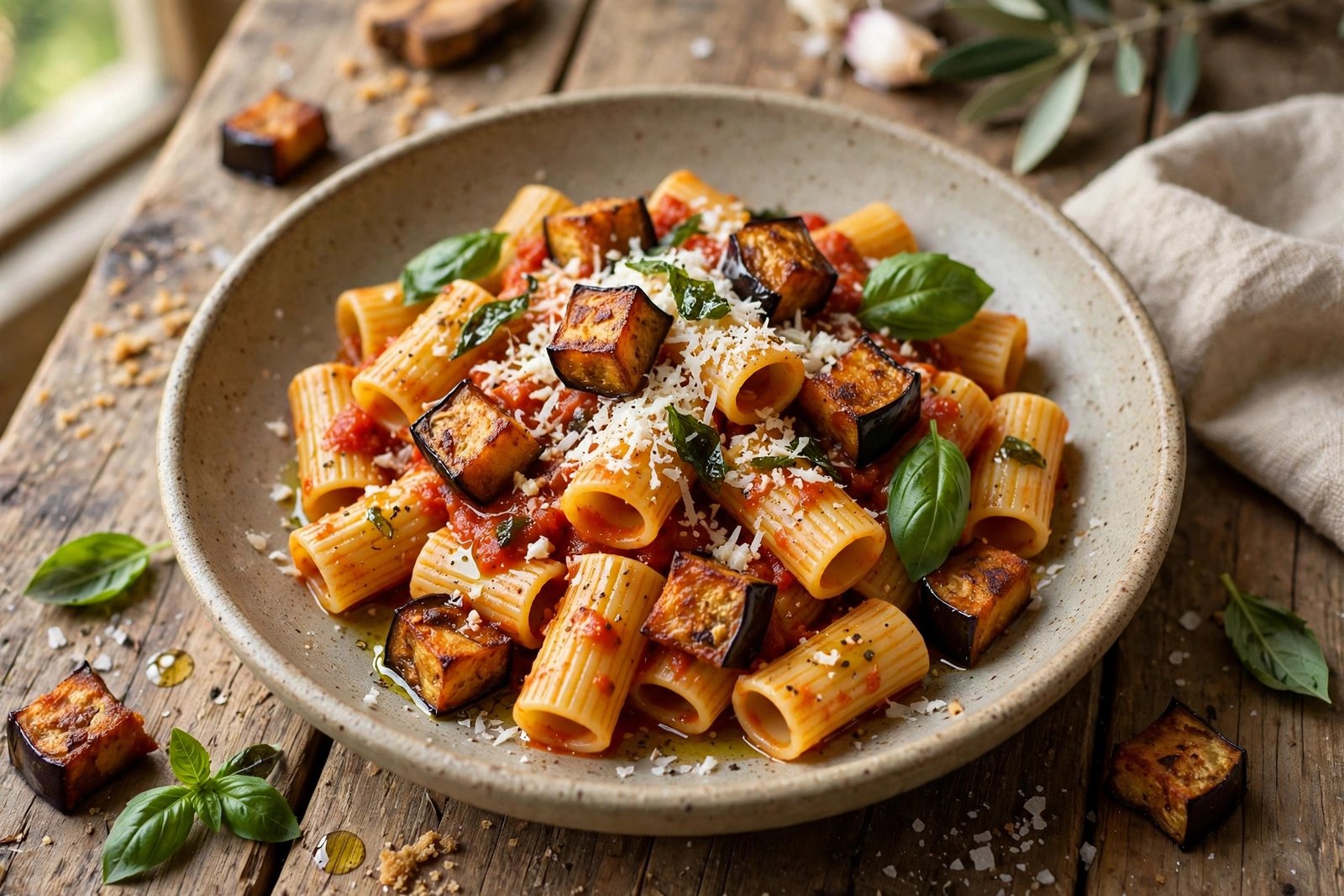
Add a layer of ricotta in the middle for a creamier result. Spoon half the pasta into the dish, dot spoonfuls of ricotta over it, then add the rest of the pasta and cheese. The ricotta melts into soft pockets that make each serving richer. A few spoonfuls of pesto swirled through the sauce is another easy change. Aubergine works well too: slice it, salt it, fry it until golden, and layer it between the pasta for a version close to the Sicilian style.
Serve it with a simple green salad dressed with lemon and olive oil, which cuts through the richness of the cheese. Crusty bread is useful for the sauce left on the plate. A glass of red wine, such as a Chianti, suits it well, and the meal needs nothing more than fruit to finish. If you want a lighter meal, serve smaller portions with a big salad of bitter leaves, which balances the richness of the cheese and the sauce.
Getting it right
The key technique is layering. Pasta, sauce and cheese go in by turns, so every part of the dish has cheese in it, not just the top. Mix the sauce through the pasta first, then build the dish in two layers, scattering cheese between them. This is what gives you melted strands all the way through instead of a dry middle and a cheesy top. The pasta should be boiled in well-salted water, so it is seasoned from the inside, and the sauce should be thick enough to coat a spoon.
Heat and timing control the result. The oven should be hot before the dish goes in, so the cheese melts and browns in the same time the pasta finishes cooking. Covering the dish with foil for the first 25 minutes traps steam and cooks the pasta through, then removing the foil lets the top crisp. If the top browns too fast, cover it again and give it a few more minutes. If the sauce is too thin, it will pool at the bottom of the dish and the pasta will slide apart when you cut it, so simmer it until it clings.
The common mistake is overcooking the pasta at the start. Pasta that is fully cooked before baking turns soft and loses its shape in the dish. Pull it out 2 minutes early and let the oven do the rest. If the finished dish tastes flat, it usually needs more salt in the sauce, so season boldly and taste before you assemble.
Storing & reheating
Leftovers keep in a sealed container in the fridge for up to 3 days. The flavours settle nicely overnight, and many people think it tastes better the next day. Reheat portions in the oven at 180 C for 15 to 20 minutes, covered with foil, until hot all the way through.
You can also freeze the baked dish in portions for up to 2 months. Wrap each portion tightly and thaw it in the fridge overnight before reheating. The texture softens a little after freezing, but the flavour holds up well. Do not freeze the dish unbaked with fresh mozzarella, as it releases too much water.
Frequently asked questions
Can I make Pasta al Forno ahead of time?
Yes. Assemble the dish up to a day ahead, cover it and keep it in the fridge. Add 10 minutes to the covered baking time, since it goes into the oven cold. Let it rest for 10 minutes before serving so the cheese settles and the squares hold together.
What pasta shape works best?
Rigatoni is the classic choice, as the tubes hold sauce inside and layer well. Penne, ziti and large shells also work. Avoid long pasta, which is hard to layer and serve in neat squares. Short, ridged shapes grip the sauce best, so pick one with a rough surface if you can.
Can I make it vegetarian?
Yes, easily. Leave out the sausage and add butter beans, mushrooms or roasted vegetables instead. The dish is just as satisfying, and the cheese and tomato sauce carry plenty of flavour on their own. A tin of beans also adds protein, so the vegetarian version still feels like a proper meal.
Why did my dish turn out watery?
The most likely cause is fresh mozzarella in water, which releases liquid as it bakes. Use low-moisture mozzarella and drain the pasta well. A sauce that is too thin can also cause it, so simmer the sauce until it coats a spoon.
Can I freeze Pasta al Forno?
Yes. Freeze baked portions in sealed containers for up to 2 months. Thaw overnight in the fridge and reheat in the oven at 180 C until hot through. The texture softens slightly but the flavour stays good, so label the containers with the date before freezing.
How do I stop the top from burning?
Keep the dish covered with foil for the first 25 minutes and only uncover it for the final browning. If the top colours too fast, cover it again and lower the oven to 180 C for the last few minutes.