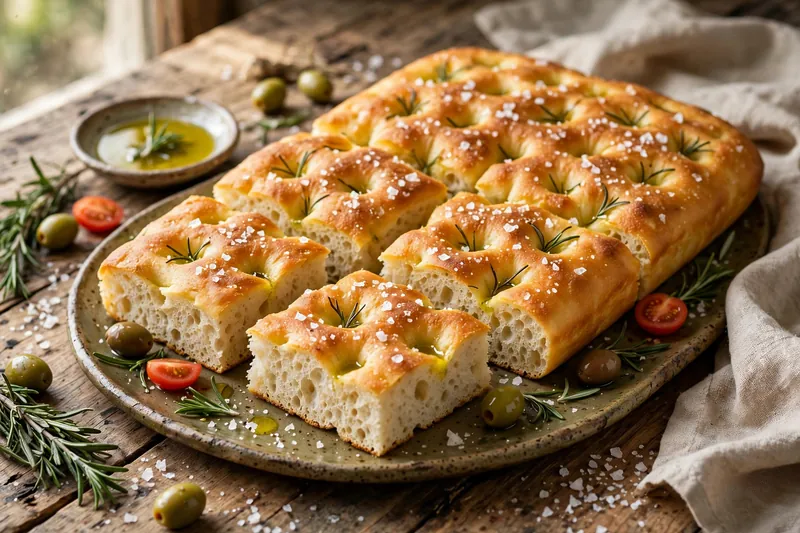
Crostata Recipe
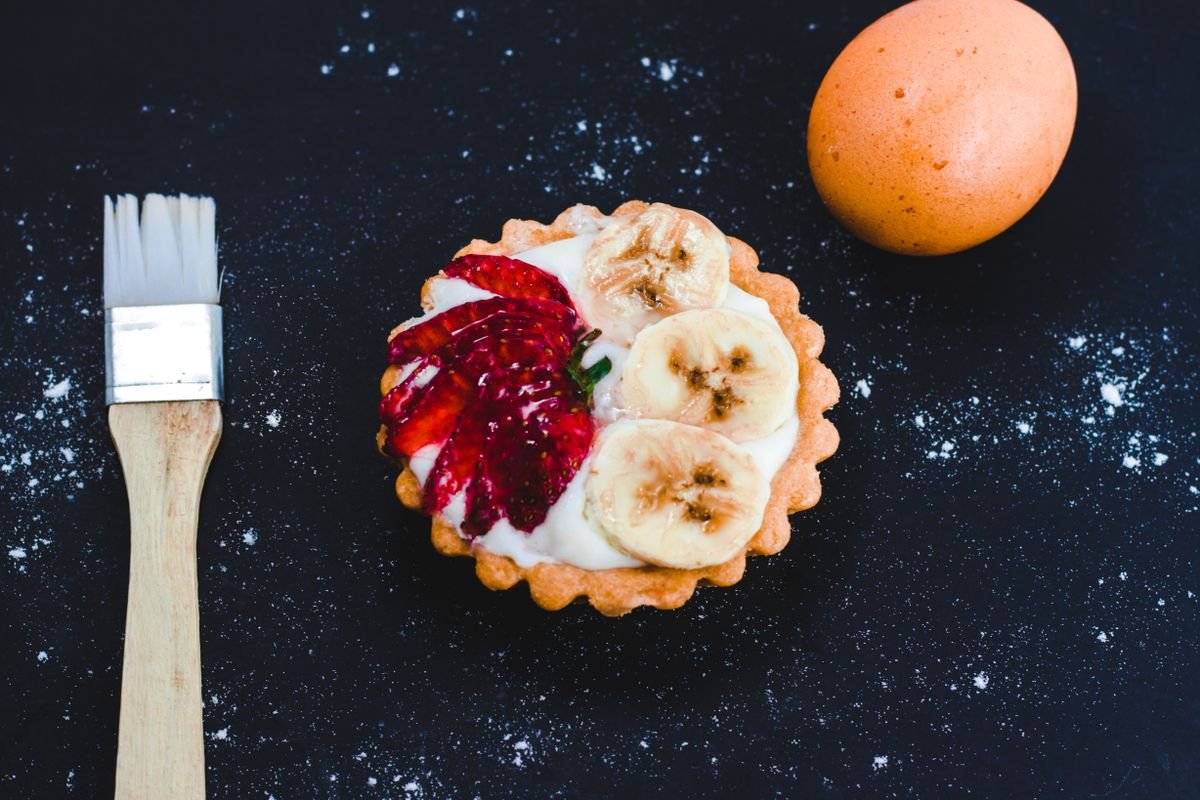
Crostata is Italy's homely jam tart: a buttery, crumbly shortcrust base filled with sweet jam and finished with a golden lattice top. It slices cleanly, keeps beautifully, and tastes of real butter, lemon and fruit. One bite and you will understand why Italian families bake it every week, not just for special days. It needs no fancy equipment, just a bowl, a rolling pin and a tart tin, which makes it a good first tart for new bakers.
The story behind Crostata
Crostata is the tart every Italian home baker knows by heart. It comes from the simple tradition of pasta frolla, a sweet shortcrust pastry made from flour, butter, sugar and egg that has been the base of Italian home baking for centuries. Families in Tuscany, Emilia-Romagna and Lazio have passed down their own versions, changing the jam, the zest and the thickness of the lattice, but the shape stays the same: a round tart, a layer of jam, and strips of pastry laid across the top like a woven basket.
In Italy, crostata is everyday food, not restaurant food. Mothers and grandmothers bake it on Saturday morning for the week ahead, and it sits in the kitchen ready for breakfast, for an afternoon snack with coffee, or for a simple dessert after dinner. Children take a slice to school wrapped in paper. It appears at village festivals and family gatherings, and every bakery sells it by weight, cut from a large tray. The tart is humble, but it carries the same pride as any fancy pastry.
What makes a crostata special is the balance between the pastry and the filling. The pasta frolla should be buttery and crumbly, breaking into tender crumbs rather than bending like bread. Lemon zest lifts the butter, and the jam should be sweet with a sharp edge, so the tart never tastes flat. The lattice is not just decoration; it lets steam escape and keeps the jam from boiling over, and its golden strips give each slice a crisp edge to bite through.
This is a bake that suits an American weeknight or weekend. The dough comes together in ten minutes, it chills while you do something else, and the tart bakes in about half an hour. In the US it works as a relaxed dessert after a family dinner, or as a bake to take to a neighbour, a school event or a potluck. It travels well, slices neatly, and needs nothing more than a cup of coffee or a glass of cold milk alongside it.
- Prep time
- 30 mins
- Cook time
- 35 mins
- Total time
- 65 mins
- Servings
- 4 servings
- Calories
- 380
Ingredients
- 300 g plain flour, plus extra for dusting
- 150 g cold unsalted butter, cubed
- 100 g caster sugar
- 1 large egg, plus 1 egg yolk
- 1 teaspoon finely grated lemon zest
- 1 pinch of fine sea salt
- 400 g apricot or cherry jam
- 1 tablespoon milk, for brushing
- 1 tablespoon demerara sugar, for sprinkling
Instructions
- Tip the flour, caster sugar and salt into a large bowl and stir them together. Add the cold butter cubes and rub them into the flour with your fingertips until the mixture looks like coarse breadcrumbs. Work quickly so the butter stays cold, and lift the mixture high as you rub to keep it light and airy.
- Add the egg, extra yolk and lemon zest to the bowl. Stir with a fork at first, then gather the mixture with your hands and press it into a rough dough. Knead it just two or three times on a clean worktop until it holds together. Overworking makes the pastry tough, so stop as soon as it looks smooth.
- Divide the dough into two pieces, one about two-thirds of the total and one about one-third. Flatten each piece into a disc, wrap in cling film, and chill in the fridge for 30 minutes. The dough should feel firm and cool when you unwrap it. This rest lets the gluten relax so the pastry bakes tender instead of shrinking.
- Roll the larger disc on a lightly floured worktop into a circle about 28 cm across. Lift it into a 24 cm tart tin with a removable base, pressing it gently into the corners. Trim the overhang with a sharp knife, then prick the base all over with a fork. This stops the base from puffing up in the oven.
- Spread the jam evenly over the pastry base with the back of a spoon, right to the edges. A thick layer is good, about 5 mm deep, but do not overfill or the jam will bubble over the lattice. Warm the jam for 20 seconds in the microwave if it is very stiff, so it spreads smoothly without tearing the pastry.
- Roll the smaller disc of dough into a rectangle about 3 mm thick. Cut it into strips about 1.5 cm wide using a sharp knife or a pastry wheel. Lay half the strips across the tart in one direction, spacing them about 2 cm apart, then lay the rest across at a right angle to make a lattice. Press the ends gently onto the rim.
- Brush the lattice strips lightly with milk and sprinkle over the demerara sugar. The milk helps the pastry turn golden and the sugar adds a light crunch. Bake on the middle shelf of a preheated oven at 180°C for 30 to 35 minutes, until the pastry is golden and the jam bubbles gently at the edges.
- Let the crostata cool in the tin for at least 20 minutes before you try to move it. The jam is very hot and runny straight from the oven, and it firms up as it cools. Once it is warm rather than hot, push the base up carefully from the tin and slide the tart onto a serving plate.
- Serve the crostata at room temperature, cut into wedges with a sharp knife. Wipe the blade between cuts so the slices stay neat. It is wonderful on its own, with a spoonful of softly whipped cream, or with a scoop of vanilla ice cream on warm days.
Pro tips
- Keep every ingredient cold, including the eggs. Cold butter and cold eggs make a tender, crumbly pastry, while warm ingredients melt into the flour and turn the dough greasy and tough.
- Chill the dough for the full 30 minutes, even if you are in a hurry. The rest relaxes the gluten, firms the butter and makes the pastry much easier to roll without cracking or sticking to the worktop.
- Roll the dough between two sheets of baking paper if it feels sticky. This stops you adding extra flour, which would dry the pastry out, and it makes lifting the round into the tin much simpler.
- Choose a jam you love eating straight from the jar. The jam is the main flavour of the tart, so a good-quality thick jam with real fruit makes a real difference. Taste it first and add a squeeze of lemon if it seems too sweet.
- Let the crostata cool before slicing. Hot jam runs everywhere and the pastry is fragile straight from the oven. Twenty minutes of cooling lets the filling set, so your wedges come out neat and the lattice stays intact.
Variations & serving ideas
The jam is the easiest thing to change. Apricot is the classic Italian choice, but cherry gives a deeper colour and a sharper taste, raspberry adds a bright tang, and plum or fig jam makes a darker, richer tart. You can also use two jams at once, spreading apricot on one half and cherry on the other, so each slice offers a choice. A thin layer of sweetened ricotta under the jam turns the crostata into a creamy, cheesecake-like dessert.
The pastry can change too. Replace a quarter of the plain flour with ground almonds for a nutty, tender crumb, or add a pinch of cinnamon to the dough for a warm spice note. Orange zest works in place of lemon and pairs well with cherry jam. For a chocolate version, swap two tablespoons of flour for cocoa powder and fill the tart with cherry jam, which is a natural match for dark chocolate.
Serve crostata simply, in wedges at room temperature, and it needs nothing else. For a dinner party, add a spoonful of mascarpone or softly whipped cream, or a small scoop of vanilla gelato. In the US it fits right in at a weekend brunch or a holiday table, where it can sit beside pies and cakes and still hold its own. A dusting of icing sugar just before serving makes it look finished.
Pair it with coffee, which is how Italians eat it most often. A cup of espresso or a milky cappuccino balances the sweet jam. Black tea works well too, and a glass of cold milk makes it a favourite with children. For an evening dessert, a small glass of vin santo or another sweet dessert wine matches the buttery pastry and brings out the fruit in the jam.
Getting it right
The key skill in crostata is keeping the pastry cold and handling it gently. Cold butter creates tiny pockets in the dough that turn to steam in the oven, and that steam is what makes the pastry crumbly instead of hard. Rub the butter in quickly, use eggs straight from the fridge, and chill the dough for a full 30 minutes. If the kitchen is warm, chill the lined tin too before it goes in the oven.
Heat control matters in the second half of the bake. Start at 180°C on the middle rack so the base cooks through before the top colours too much. The jam will bubble at the edges when the tart is nearly done, and the lattice should be an even golden colour, not pale and not dark brown. If the strips brown too fast, lay a sheet of foil loosely over the top and let the base finish cooking for the last five minutes.
The most common mistake is overworking the dough, which makes the pastry tough and causes it to shrink away from the tin. Mix only until the dough holds together, then stop. The second common mistake is a soggy base from wet jam or a cold oven. Use a thick jam, prick the base well with a fork, and make sure the oven is fully hot before the tart goes in. A metal tin helps here, because it conducts heat to the base faster than a ceramic dish.
Storing & reheating
Crostata keeps well at room temperature for two days if you cover it loosely with foil or keep it in a cake tin. The pastry stays crisp and the jam stays soft. After two days, move it to the fridge, where it will keep for up to five days. Bring it back to room temperature for 30 minutes before serving, so the pastry softens and the flavours open up again.
You can freeze a whole baked crostata for up to a month. Wrap it tightly in two layers of cling film, then a layer of foil, and label it with the date. Thaw it overnight in the fridge, then warm it in a 160°C oven for ten minutes to refresh the pastry. Do not microwave it, because the pastry turns soft and chewy instead of crisp and crumbly.
Frequently asked questions
Can I make the pastry dough ahead of time?
Yes, and it is one of the best things about this recipe. Wrap the dough tightly in cling film and keep it in the fridge for up to two days, or freeze it for a month. Let it soften at room temperature for 15 minutes before rolling so it does not crack.
What jam is best for crostata?
Apricot jam is the classic choice in Italy, and its gentle tartness balances the rich butter pastry. Cherry, raspberry, plum and fig jam all work well too. Choose a thick jam that holds its shape, not a thin runny one, so the filling stays put when you slice the tart.
Why does my pastry shrink in the tin?
This usually means the butter was too warm or the dough was overworked. Keep the butter cold, handle the dough as little as possible, and chill it for 30 minutes before rolling. If it still shrinks, let the lined tin rest in the fridge for 15 minutes before baking.
Can I make the dough in a food processor?
Yes, a food processor makes quick work of it. Pulse the flour, sugar and cold butter until the mixture looks like breadcrumbs, then add the egg and pulse just until the dough comes together. Stop as soon as it forms a ball, because overworking makes the pastry tough.
Why did the top of my crostata burn?
The most likely cause is an oven running hot or a rack set too high. Bake on the middle rack at 180°C and check after 25 minutes. If the edges darken early, cover them loosely with foil and let the centre finish. A pale golden top is the goal, not dark brown.
Can I make crostata gluten-free?
Yes. Use a good gluten-free flour blend made for baking, with xanthan gum already included, and add an extra egg yolk for binding. The dough will be softer, so chill it well before rolling and handle it gently. The flavour stays buttery and the texture stays pleasantly crumbly.