Poriyal Recipe
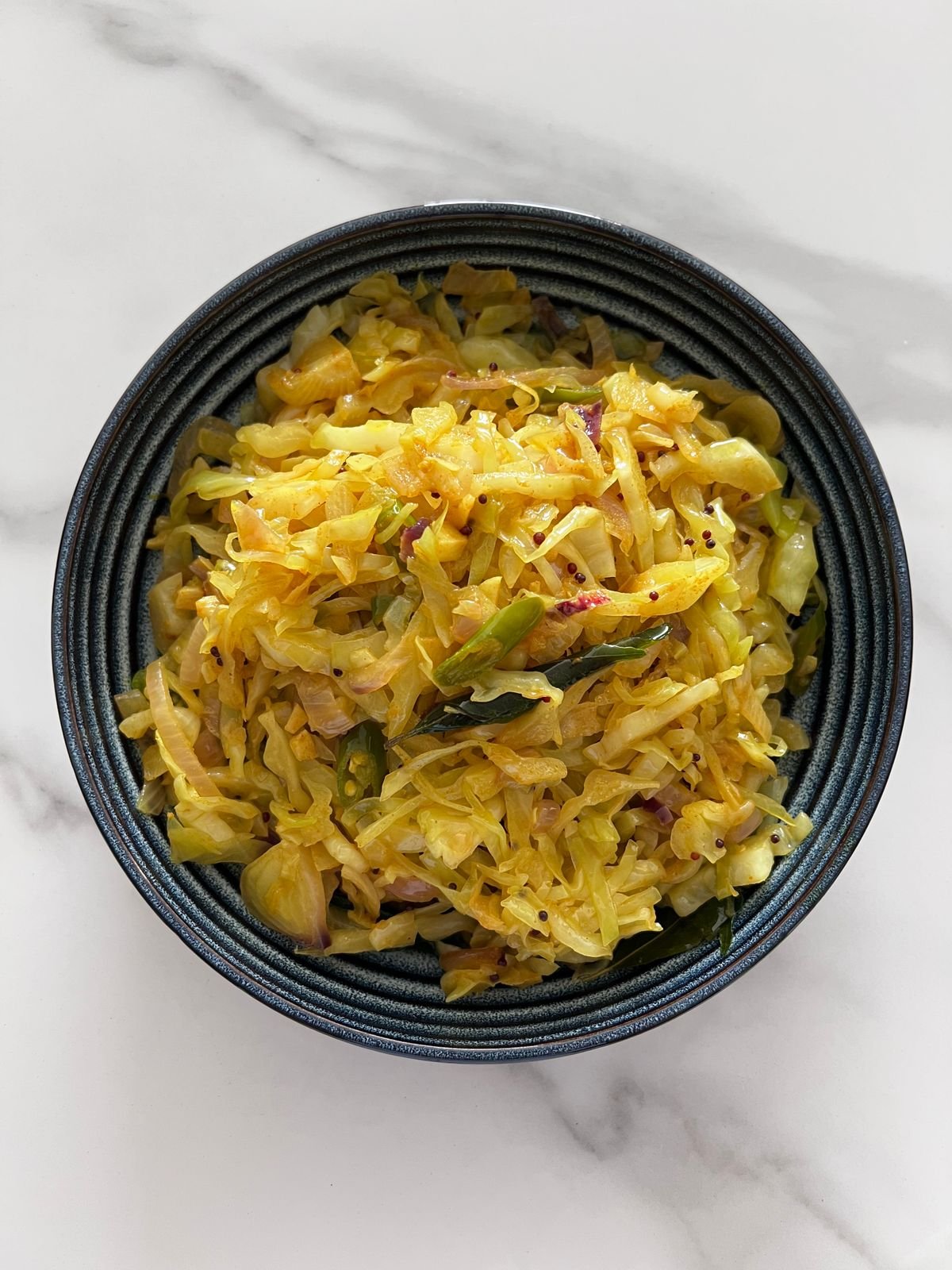
Poriyal is a South Indian stir-fry of vegetables with mustard seeds, curry leaves and fresh coconut, cooked fast in a hot pan until just tender. The vegetables stay bright and crisp, the coconut adds a gentle sweetness, and the tempering gives a warm, nutty crackle. Serve it as a side with rice and sambar for a fresh UK Sunday lunch full of colour.
The story behind Poriyal
Poriyal is a daily side dish from Tamil Nadu in South India, where vegetables are stir-fried with a tempering of mustard seeds, curry leaves and coconut. The dish is part of the traditional South Indian meal, served on a banana leaf or a steel plate with rice, sambar, rasam and a spoonful of curd. Families cook it every day, changing the vegetable with the season, and it is one of the first dishes Tamil children learn to make. Families cook it every day, changing the vegetable with the season, and it is one of the first dishes Tamil children learn to make alongside rice and sambar.
In South India, a meal is built around balance, with rice at the centre and several small dishes around it, each adding a different flavour and texture. Poriyal brings crunch and freshness to the plate, next to the soft lentils of sambar and the tang of rasam. The tempering, called tadka, is the heart of the dish, and the sound of mustard seeds popping in hot oil is one of the most familiar sounds in a Tamil kitchen. The tempering, called tadka, is the heart of the dish, and the sound of mustard seeds popping in hot oil is one of the most familiar sounds in a Tamil kitchen.
What makes poriyal special is how little it asks of the cook and how much it gives back. A handful of spices, a few curry leaves and some fresh coconut turn plain green beans into a dish that is bright, fragrant and full of texture. The vegetables stay crisp, the coconut adds sweetness, and the tempering gives a warm, nutty crackle in every bite. It is proof that a side dish can be the most memorable part of a meal. The vegetables stay crisp, the coconut adds sweetness, and the tempering gives a warm, nutty crackle in every bite, so the side dish can be the most memorable part of a meal.
Cook this when you want a fresh, quick side dish that brings colour and crunch to the table. It suits a UK Sunday lunch, when the main course needs something light and bright beside it, or a simple weeknight dinner of rice, lentils and vegetables. The dish cooks in minutes, so have everything chopped and ready before the oil gets hot. The dish cooks in minutes, so have everything chopped and ready before the oil gets hot, and the whole meal can be on the table in half an hour.
- Prep time
- 15 mins
- Cook time
- 20 mins
- Total time
- 35 mins
- Servings
- 4 servings
- Calories
- 280
Ingredients
- 400 g green beans, finely chopped
- 2 tablespoons vegetable oil
- 1 teaspoon mustard seeds
- 1 teaspoon urad dal
- 1 teaspoon cumin seeds
- 10 curry leaves
- 2 dried red chillies, broken in half
- 1 onion, finely chopped
- 2 green chillies, slit lengthways
- 1/2 teaspoon turmeric powder
- 1/2 teaspoon fine sea salt
- 80 g fresh coconut, grated
- 2 tablespoons fresh coriander, chopped
- 1 tablespoon lemon juice
Instructions
- Trim the green beans and chop them into small pieces about 1 centimetre long, so they cook quickly and evenly. Wash them and drain them well in a colander. Grate the coconut and chop the onion, green chillies and coriander, so everything is ready before the pan gets hot.
- Heat the oil in a wide frying pan or kadai over medium-high heat until it shimmers. Add the mustard seeds and wait for them to pop and crackle, which takes about 30 seconds. The popping sound tells you the oil is hot enough for the tempering to work. Grate the coconut and chop the onion, green chillies and coriander, so everything is ready before the pan gets hot and the tempering does not wait.
- Add the urad dal and cumin seeds and fry for 30 seconds, stirring constantly, until the dal turns light golden. The dal should smell nutty, not burnt, so watch it closely. Add the curry leaves and dried red chillies, which will sizzle and release a warm, herbal smell.
- Stir in the chopped onion and green chillies and cook for 2 minutes, until the onion turns soft and see-through. The onion should not brown, just soften and sweeten slightly. Add the turmeric and stir for 10 seconds so the spice blooms in the oil and turns it golden. The onion should not brown, just soften and sweeten slightly, and the turmeric turns the oil golden as it blooms in the pan.
- Tip in the chopped green beans and the salt, then toss everything together so the beans are coated in the spiced oil. Cook for 5 minutes, stirring often, until the beans turn bright green and just tender. You should still feel a little bite when you taste one.
- Sprinkle 2 tablespoons of water over the beans and cover the pan with a lid for 2 minutes, so the steam finishes cooking them through. Lift the lid and check; the beans should be tender but still crisp, with no water left in the pan. If they are still firm, add another splash of water and cook for 1 minute more. If they are still firm, add another splash of water and cook for 1 minute more, then check again, since a minute can make the difference between crisp and soft.
- Stir in the grated coconut and cook for 1 minute more, tossing so the coconut warms through and clings to the beans. The coconut should look soft and moist, not dry or toasted. Take the pan off the heat as soon as the coconut is mixed in.
- Stir in the chopped coriander and the lemon juice, then taste and add a little more salt if needed. The dish should taste fresh, lightly spiced and gently sweet from the coconut. Serve hot as a side dish with steamed rice and sambar, while the beans are still bright and crisp.
Pro tips
- Chop the beans small and even, about 1 centimetre long, so they cook quickly and evenly and every piece gets the same tempering and the same amount of coconut.
- Wait for the mustard seeds to pop fully before adding the dal, since the popping sound tells you the oil is hot enough for the tempering to work and the spices to bloom.
- Watch the urad dal closely as it fries, since it goes from golden to burnt in seconds, and a burnt dal will spoil the whole dish with a bitter taste.
- Add the coconut at the very end and cook it for only a minute, so it stays soft and moist instead of drying out and tasting toasted in the pan.
- Taste the poriyal before serving and adjust the salt and lemon juice, since the coconut and the beans both need a final check to taste bright and fresh on the plate.
Variations & serving ideas
You can make poriyal with cabbage, carrots, cauliflower or beetroot, keeping the same tempering and cooking time. Harder vegetables such as carrots and beetroot need a few extra minutes and a splash more water to soften. Mix two vegetables together for colour, such as beans and carrots, which look lovely on the plate. Harder vegetables such as carrots and beetroot need a few extra minutes and a splash more water to soften, and mixing two vegetables together gives colour on the plate.
For a richer version, add a spoonful of roasted peanuts or cashews with the coconut, which gives crunch and a nutty flavour that suits the tempering. A pinch of asafoetida in the oil adds a savoury depth that many Tamil cooks swear by. You can also add a little grated ginger with the onion for extra warmth. A pinch of asafoetida in the oil adds a savoury depth that many Tamil cooks swear by, and a little grated ginger with the onion gives extra warmth to the dish.
Serve poriyal as a side dish with steamed rice, sambar and rasam for a full South Indian meal, or with plain rice and a spoonful of curd for a simple lunch. For a UK Sunday lunch, a bowl of poriyal alongside roast chicken or a lentil stew brings colour and crunch to the table. For a UK Sunday lunch, a bowl of poriyal alongside roast chicken or a lentil stew brings colour and crunch to the table, and it suits a simple weeknight dinner of rice and lentils.
Pair the dish with a glass of cold buttermilk, a pot of filter coffee after the meal, or sparkling water with lemon. Keep the drinks light and let the fresh, spiced vegetables lead. A small dish of pickle on the side adds a sharp note that suits the gentle sweetness of the coconut. A small dish of pickle on the side adds a sharp note that suits the gentle sweetness of the coconut and gives the meal a little extra bite.
Getting it right
The key technique is the tempering, or tadka, where whole spices are fried in hot oil until they pop and release their flavour. The mustard seeds must pop fully, which takes about 30 seconds in properly hot oil, and the urad dal must turn light golden without burning. Get the tempering right and the whole dish tastes warm and nutty; rush it and the spices stay raw and sharp. Get the tempering right and the whole dish tastes warm and nutty, while rushing it leaves the spices raw and sharp, so listen for the mustard seeds popping before you move on.
Heat control matters twice in this dish. First, the oil must be hot enough for the mustard seeds to pop, or the tempering will not work at all. Second, the heat must come down once the vegetables go in, so the beans cook gently and stay bright green instead of browning. A covered steam at the end finishes the beans without overcooking them. A covered steam at the end finishes the beans without overcooking them, and a splash of water in the pan is all it takes to create the steam you need.
The most common mistake is overcooking the vegetables, which turns them dull, soft and lifeless. Poriyal should be just tender with a clear bite, so check the beans often and take the pan off the heat as soon as they are ready. The other common slip is adding the coconut too early, which dries it out and makes it taste toasted instead of fresh and moist. Stir the coconut in at the very end. The other common slip is adding the coconut too early, which dries it out and makes it taste toasted instead of fresh and moist, so stir it in at the very end.
Storing & reheating
Leftover poriyal keeps in the fridge for up to two days in a sealed container, though the vegetables soften a little overnight. The coconut absorbs the spice flavours as it sits, so the dish still tastes good the next day. Reheat it gently in a pan so the beans do not overcook and turn limp.
To reheat, warm the poriyal in a pan over medium heat for 3 minutes, stirring often, until hot through. Avoid the microwave if you can, since it can make the coconut dry and the beans soft. The dish does not freeze well, so cook only what you need for two days and enjoy it fresh, while the beans are still bright and the coconut is still soft.
Frequently asked questions
What is poriyal?
Poriyal is a South Indian stir-fry made by tempering spices in hot oil, then cooking chopped vegetables quickly until just tender. The classic version uses green beans, cabbage or carrots, finished with grated coconut and curry leaves. It is a daily side dish in Tamil homes, served with rice and sambar.
Can I use desiccated coconut instead of fresh?
Fresh coconut gives the best flavour and texture, with a soft, moist crumb that clings to the vegetables. Desiccated coconut works too, though it is drier, so sprinkle it with a little water first. Frozen grated coconut is a good middle ground and is sold in most Indian grocery shops.
Why do I need mustard seeds and urad dal?
Mustard seeds pop in hot oil and give a warm, nutty bite, while urad dal turns golden and adds crunch. If you skip them, the dish loses its characteristic tempering flavour. A pinch of cumin seeds can stand in for mustard seeds, though the taste will be different.
How do I know when the poriyal is done?
The vegetables should be bright, just tender and still crisp when you bite into them, with the coconut clinging to the pieces rather than sitting in a puddle. If the vegetables look dull and soft, they have cooked too long. A splash of water helps them steam, but too much makes them soggy.
Is poriyal vegan?
Yes, poriyal is naturally vegan, since it is made from vegetables, oil, spices and coconut, with no dairy or animal products. Use any vegetable oil you like, and the dish stays completely plant-based. It is also naturally gluten-free, so it suits many diets at once.
Can I use other vegetables for poriyal?
Yes, cabbage, carrots, cauliflower and beetroot all make good poriyal, keeping the same tempering and cooking time. Harder vegetables such as carrots and beetroot need a few extra minutes and a splash more water. Mix two vegetables together for colour, such as beans and carrots.