Pongal Recipe
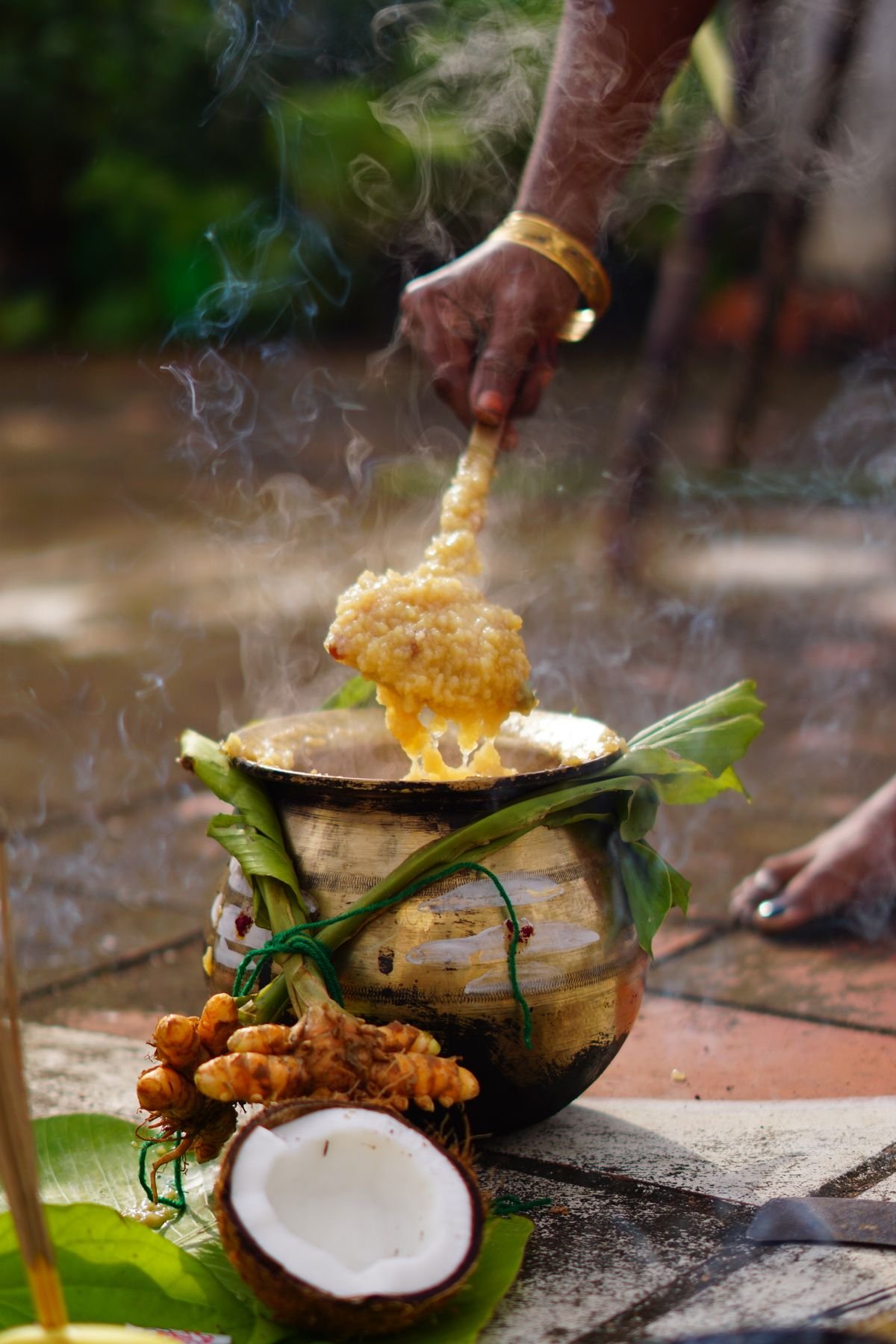
Pongal is South India's most comforting one-pot meal: rice and moong dal cooked together until soft and creamy, then tempered with cumin, black pepper, ginger and ghee. It is gentle, nourishing and mild, the dish that Tamil families turn to for breakfast, for a light dinner, and for the days when only something soft and warm will do. It is soft, creamy and mild, and it asks little of the cook while giving a lot back.
The story behind Pongal
Pongal takes its name from the Tamil word pongu, meaning to boil over, and it is tied to the harvest festival of the same name. During Pongal, the four-day festival held in mid-January, families cook rice and milk in a new clay pot until it bubbles over, a sign of abundance and a good year ahead. The dish is offered to the sun god first, then shared by the family. The pot is set in the sun and the milk is left to boil over, a moment the whole family watches for, since the overflowing pot is said to promise a year of plenty.
The everyday version, ven pongal, is a simpler affair, and it is one of the great breakfast dishes of Tamil Nadu. Rice and split moong dal are cooked together with a tempering of cumin, pepper, ginger and curry leaves, finished with ghee. It is served in temples as prasadam, the blessed food, and in homes it is the meal for a slow morning, eaten with coconut chutney and sambar. In temples, pongal is cooked in large pots and served to devotees as prasadam, and the smell of ghee and cumin fills the temple kitchen.
What makes it special is the texture. The rice breaks down and the dal melts into it, so the dish is soft, creamy and almost porridge-like, with a gentle warmth from the pepper and ginger. The ghee adds richness, and the tempering of cumin and cashews brings a toasted, nutty note. It is a dish that asks little of the cook and gives a lot back. Black pepper gives a gentle warmth that builds slowly, while the ginger adds a fresh, bright note that keeps the dish from feeling heavy.
Cook it for breakfast on a slow morning, for a light dinner, or when someone in the house is unwell and needs something gentle. It suits a quiet meal on its own, or a fuller South Indian spread with sambar, coconut chutney and filter coffee.
- Prep time
- 10 mins
- Cook time
- 30 mins
- Total time
- 40 mins
- Servings
- 4 servings
- Calories
- 380
Ingredients
- 1 cup short-grain rice, rinsed
- 1/2 cup split yellow moong dal
- 4 cups water
- 1/2 teaspoon turmeric powder
- 1 teaspoon salt
- 2 tablespoons ghee
- 1 teaspoon cumin seeds
- 1 teaspoon whole black peppercorns, lightly crushed
- 1 inch fresh ginger, finely chopped
- 10 curry leaves
- 2 tablespoons cashew nuts, halved
- 1 green chilli, slit lengthwise (optional)
- Coconut chutney and sambar, to serve
Instructions
- Rinse the rice and moong dal together in cold water until the water runs clear, then drain. This removes excess starch and helps the pongal cook evenly without turning gluey.
- Put the rice, dal and water in a pressure cooker or a heavy pot with the turmeric and salt. If using a pressure cooker, cook for 4 to 5 whistles, about 15 minutes. If using a pot, bring it to a boil, then simmer covered for 25 to 30 minutes, stirring now and then.
- Check the pongal. The rice should be soft and broken down, the dal melted in, and the whole pot creamy and porridge-like. If it looks dry, stir in a splash of hot water. If it looks thin, simmer uncovered for a few minutes.
- Mash the pongal lightly with the back of a ladle, just enough to bring it together. It should be soft and spoonable, not stiff. Keep it warm on a low heat while you make the tempering.
- Heat the ghee in a small pan over medium heat until it melts and smells nutty. Add the cumin seeds and let them crackle for 20 seconds, until they darken slightly and smell warm.
- Add the crushed peppercorns, ginger, curry leaves and green chilli. The curry leaves will splutter and crisp in the hot ghee, so stand back a little. Cook for 30 seconds, until the ginger smells warm and the leaves turn crisp. Stand back a little when the curry leaves go in, since they splutter and spit hot ghee.
- Add the cashew nuts and cook for 1 minute, stirring, until they turn pale gold at the edges. Do not let them brown too much, as they will keep cooking in the hot ghee.
- Pour the hot tempering over the pongal, ghee and all, and stir it through well. The ghee should coat the rice and the spices should be evenly mixed through the pot.
- Taste and adjust the salt. Serve at once in warm bowls, with coconut chutney and sambar on the side, and a drizzle of extra ghee on top if you like. Eat it while it is soft and steaming.
Pro tips
- Rinse the rice and dal well. The rinsing removes loose starch, which is what makes pongal gluey instead of creamy. Rinse until the water runs clear, not just once.
- Do not skimp on the water. Pongal needs plenty of liquid to turn soft and porridge-like, and it thickens as it sits. Use hot water, not cold, so the pongal stays warm and the texture does not seize up. Add more hot water at the end if it looks stiff.
- Crush the peppercorns lightly, not finely. Whole peppercorns give a gentle, warm heat, while fine ground pepper makes the dish taste sharp and one-note.
- Make the tempering in ghee, not oil. Ghee gives the dish its richness and its nutty smell, and it carries the cumin and pepper flavours through the rice in a way oil does not. Buy good quality ghee if you can, since its nutty flavour is central to the dish.
- Serve it hot. Pongal firms up fast as it cools, so have the chutney and sambar ready before you temper it, and get it to the table while it is still soft and steaming.
Variations & serving ideas
For a richer version, add a spoonful of grated coconut to the pot with the rice and dal. The coconut melts in and gives the pongal a gentle sweetness and extra body, which suits a breakfast serving. Add the vegetables to the pot with the rice and dal, so they cook in the same time and melt into the soft porridge. A few spoonfuls of cooked vegetables, like carrots or peas, also work well.
Swap the moong dal for toor dal if you prefer a slightly earthier flavour. Toor dal takes a little longer to cook, so add 5 minutes to the cooking time. A mix of the two dals is common in many homes, and it gives a deeper, nuttier taste. Rinse the toor dal well and soak it for 15 minutes first, which helps it cook evenly with the rice.
Add a pinch of asafoetida, or hing, to the tempering for a more traditional flavour. It adds a savoury, onion-like depth that suits the mild rice and dal. A spoonful of jaggery stirred in at the end makes a sweet version, sakkarai pongal, which is the festival dish. Cardamom and a few cashews go into the sweet version, and it is served warm with a spoonful of ghee on top.
Serve it with coconut chutney and sambar, and a cup of hot filter coffee. It also works with a spoonful of pickle and a papad on the side. Keep the meal simple and let the pongal lead, as it needs little else. A glass of buttermilk on the side is a classic pairing, cooling and light against the warm, soft rice.
Getting it right
The key technique is the cook of the rice and dal. They need enough water and enough time to break down into a soft, creamy porridge, and the pot should be stirred now and then so nothing sticks. A pressure cooker does this in 15 minutes, while a pot takes 25 to 30 minutes of gentle simmering. Stir the pot every few minutes so the rice does not catch on the bottom, and add hot water if it starts to look dry.
Heat and timing matter for the tempering. The ghee must be hot enough that the cumin seeds crackle at once, and the whole tempering takes under 2 minutes. If the ghee is too cool, the spices stew and taste raw. If it is too hot, the cumin burns and turns bitter. Listen for the crackle and watch the colour. The curry leaves should crisp in seconds, and the cashews should turn pale gold, not dark brown.
The common mistake is serving pongal too stiff. It thickens as it sits, so it should be slightly looser than you want when it leaves the pot. If it firms up, stir in a splash of hot water and a little ghee. If it tastes flat, it usually needs more salt or a little more pepper in the tempering. Taste the pongal after you stir in the tempering, since the ghee carries the spices through the rice and changes the flavour.
Storing & reheating
Pongal is best eaten fresh, while it is soft and warm. If you have leftovers, keep them in a sealed container in the fridge for up to 2 days. The pongal will firm up as it cools, which is normal. Stir in a splash of hot water and a little ghee when you reheat, which brings back the soft, creamy texture.
Reheat gently in a pan over low heat with a splash of hot water, stirring until it loosens and turns creamy again. Add a little ghee on top to bring back the richness. Do not freeze it, as the rice turns grainy and the texture does not recover well when thawed. The tempering can be made fresh each time, which takes only 2 minutes and makes the leftovers taste new again.
Frequently asked questions
What is pongal?
Pongal is a South Indian dish of rice and moong dal cooked together until soft and creamy, tempered with cumin, pepper, ginger and ghee. It is a comfort food, eaten for breakfast or a light dinner. The name comes from the Tamil word pongu, meaning to boil over, which is also the name of the harvest festival.
Can I make pongal without a pressure cooker?
Yes. Cook the rice and dal in a heavy pot with 4 and a half cups of water, simmering covered for 25 to 30 minutes. Stir now and then so it does not stick, and add hot water if it gets too thick. Stir it every few minutes so the rice does not stick to the bottom of the pot.
Is pongal healthy?
It is a gentle, nourishing meal. Rice and moong dal together give protein and fibre, and the dish is light on spice. Use less ghee if you want a lighter version, and add vegetables for extra nutrition. Moong dal is easy to digest and rich in protein, which is why pongal is often served to children and older people.
What is the difference between ven pongal and sakkarai pongal?
Ven pongal is the savoury version, tempered with cumin, pepper and ghee. Sakkarai pongal is the sweet festival version, made with jaggery, cardamom and milk, and offered during the Pongal harvest festival. Sakkarai pongal is made with jaggery, cardamom and milk, and it is cooked in a new clay pot.
Can I add vegetables to pongal?
Yes. Carrots, peas and beans work well, added to the pot with the rice and dal. They cook in the same time and add colour and nutrition without changing the soft, creamy texture. Add them to the pot with the rice and dal, so they cook in the same time.
What should I serve with pongal?
Coconut chutney and sambar are the classic partners, along with a cup of hot filter coffee. A spoonful of pickle and a crisp papad on the side make the meal complete. A cup of hot filter coffee is the classic drink, strong and sweet, served in a steel tumbler.