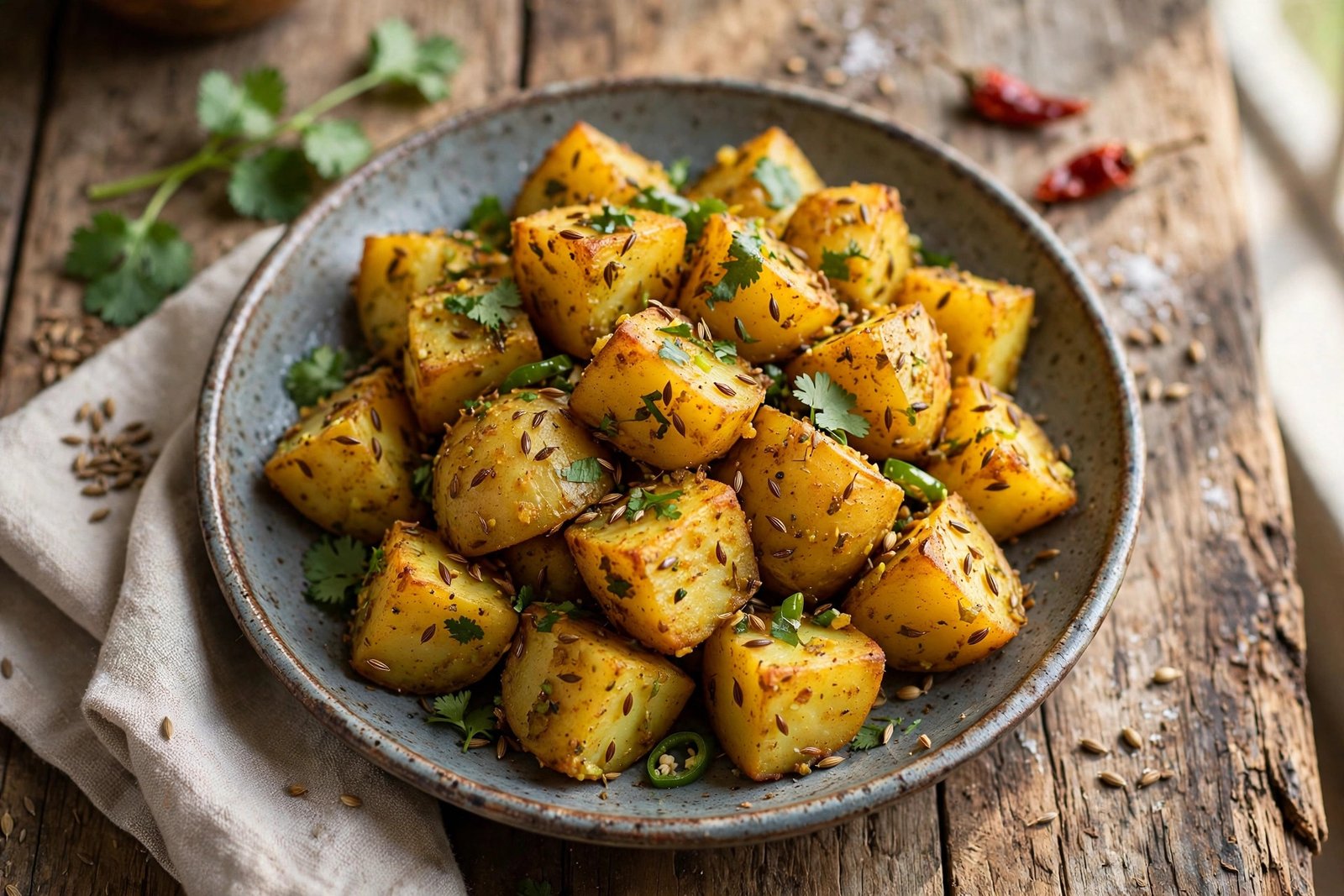
Gobi Paratha Recipe
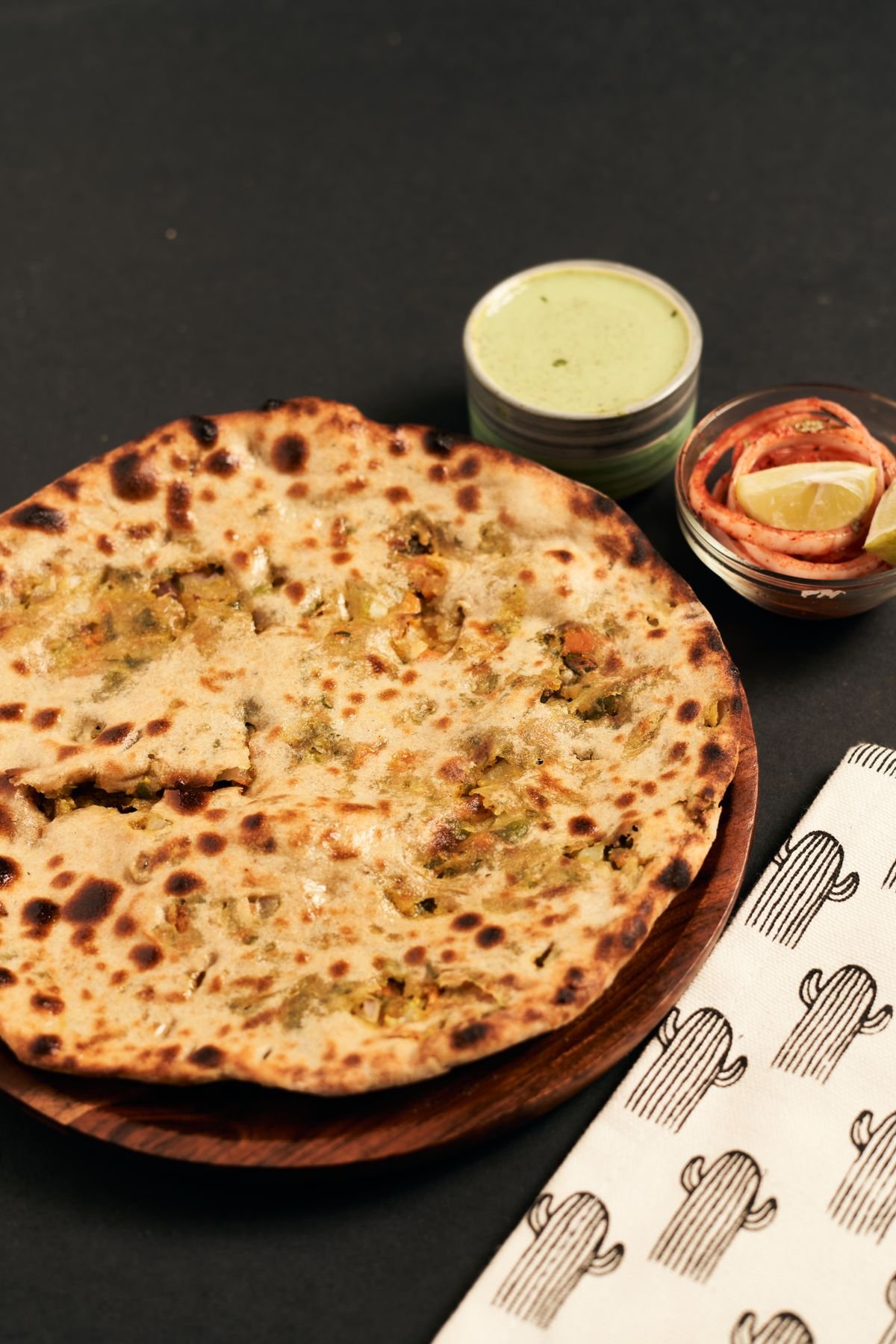
Gobi paratha is a Punjabi stuffed flatbread with a spiced cauliflower filling tucked inside soft whole wheat dough. The paratha cooks on a hot griddle until golden spots appear, brushed with ghee so the edges turn crisp while the centre stays tender. Tear one open and the steam carries cumin, ginger and green chilli. Serve it with cool yogurt, butter and pickle for a breakfast that keeps you full until lunch.
The story behind Gobi Paratha
Gobi paratha comes from Punjab, where cauliflower grows through the cool winter months and flatbreads are cooked fresh on the griddle every morning. Farmers needed breakfast that would last through a long morning in the fields, so cooks began stuffing whole wheat dough with seasoned vegetables. Cauliflower was a natural choice: cheap, plentiful, and able to carry strong spices without falling apart. The paratha became a winter staple, served with a knob of white butter melting on top and a glass of lassi on the side.
In Punjabi homes, parathas are morning food and family food. The dough is kneaded the night before or first thing in the morning, and the filling is cooked while the griddle heats. Children eat them before school with yogurt, and adults wrap one in foil for the road. At roadside dhabas, the cook slaps the dough on a huge iron tawa, and the smell of ghee and toasted cumin drifts across the courtyard. A stack of parathas with a bowl of pickle is the kind of meal that needs no cutlery and no ceremony.
What makes a good gobi paratha is the filling. It must be dry, well seasoned and finely grated, so it spreads evenly and never tears the dough. Wet filling is the enemy: it seeps through, sticks to the griddle and leaves the paratha soggy. The dough matters too — soft, rested and pliable, rolled gently so the filling stays inside. When both are right, the paratha puffs slightly on the griddle, the crust turns golden with crisp freckles, and the first bite gives you warm cauliflower, ginger and chilli wrapped in buttery bread.
Cook gobi paratha on a cold morning when you want something warm and filling, or as a weekend brunch that everyone gathers around. It makes a fine brunch for a cold Canadian morning, with snow outside and a stack of hot parathas, yogurt and pickle on the table. Make the filling the night before and the morning becomes easy: roll, griddle, eat. Leftovers wrap well for lunchboxes too, and they taste just as good at room temperature with a spoonful of pickle.
- Prep time
- 30 mins
- Cook time
- 25 mins
- Total time
- 55 mins
- Servings
- 4 servings
- Calories
- 380
Ingredients
- 2 cups whole wheat flour (atta), plus extra for dusting
- 3/4 cup warm water, for kneading the dough
- 2 cups cauliflower florets, finely grated
- 1 tablespoon fresh ginger, finely grated
- 2 green chillies, finely chopped
- 1/2 teaspoon cumin seeds
- 1/2 teaspoon garam masala
- 1/2 teaspoon amchur (dried mango powder)
- 1/2 teaspoon salt, plus a pinch for the dough
- 2 tablespoons fresh coriander leaves, chopped
- 4 tablespoons ghee or butter, for cooking
- 1/4 teaspoon ajwain (carom seeds), for the dough
Instructions
- Tip the whole wheat flour into a large bowl with the ajwain and a pinch of salt, then pour in the warm water a little at a time. Mix with your fingers until the flour comes together into a shaggy dough, then knead for 6 to 8 minutes until it feels smooth, soft and slightly tacky. Cover with a damp cloth and rest for 20 minutes so the gluten relaxes and the dough rolls without springing back.
- While the dough rests, grate the cauliflower on the fine side of a box grater until you have about 2 cups of fluffy shreds. Tip them into a clean tea towel, gather the corners and squeeze hard over the sink until no more water drips out. This step matters most: wet cauliflower makes a soggy filling that tears the dough and sticks to the pan.
- Heat a dry pan over medium heat and toast the cumin seeds for 30 seconds until they smell warm and nutty. Add the squeezed cauliflower, ginger, green chillies, garam masala, amchur and salt, and cook for 4 to 5 minutes, stirring often. The filling should turn fragrant and dry, with no steam rising from the pan. Stir in the coriander, tip the filling onto a plate and let it cool completely.
- Divide the rested dough into 8 equal balls and divide the cooled filling into 8 equal portions. Flatten a dough ball in your palm into a cup shape, place a portion of filling in the centre and pull the edges up and over it. Pinch the top firmly closed, then press the sealed ball flat between your palms. Repeat with the rest, keeping the filled balls covered so they do not dry out.
- Dust your work surface lightly with flour and roll one filled ball out gently, starting from the centre and working outward. Use light, even pressure and turn the paratha a quarter turn after every roll so it stays round. Aim for a disc about 15 cm across and 3 mm thick. If a little filling peeks through, dust that spot with flour and carry on — a small patch is fine.
- Heat a heavy griddle or tawa over medium heat until a sprinkle of water sizzles and vanishes at once. Lay the paratha on the dry griddle and cook for about 1 minute, until small bubbles appear on the surface and the underside shows pale golden spots. Flip it over and cook the second side for another minute.
- Brush the top with half a teaspoon of ghee, flip again and brush the other side too. Press the edges gently with a spatula so they make full contact with the griddle and crisp up. Cook for another minute on each side until the paratha is golden brown with darker freckles and feels crisp at the edges but soft in the middle.
- Slide the finished paratha onto a plate and cover it loosely with a clean cloth while you cook the rest. The cloth keeps them warm and soft without trapping steam that would make them soggy. Wipe the griddle with a dry cloth between parathas if flour builds up and starts to burn.
- Serve the gobi parathas hot, with a generous knob of butter melting on top. Set out bowls of plain yogurt, mango pickle and a little extra coriander, and let everyone tear their paratha open and scoop up the filling with each bite. Eat them fresh from the griddle, while the crust is still crisp and the cauliflower is steaming.
Pro tips
- Squeeze the grated cauliflower until it is as dry as you can get it. Even a little leftover moisture will seep into the dough, tear the paratha and stick to the griddle. A clean tea towel wrung hard over the sink does the job better than paper towels.
- Let the dough rest for the full 20 minutes. Freshly kneaded dough springs back when you roll it and fights you at every turn, while rested dough rolls out smoothly and evenly. If the dough still resists, rest it for another 10 minutes under the damp cloth.
- Cook the filling until it is completely dry before you let it cool. If steam still rises from the pan, keep stirring for another minute or two. A dry filling spreads evenly, stays put inside the dough and gives you a paratha that puffs instead of leaking.
- Roll with a light hand and even pressure. Pressing too hard in one spot squeezes the filling out through the dough, while gentle, steady rolling keeps the layers even. Turn the paratha a quarter turn after each roll so it stays round and cooks evenly.
- Keep the griddle at medium heat, not high. A screaming hot griddle burns the outside before the filling warms through, while a cool griddle dries the paratha out. The sweet spot is when the paratha colours in about a minute a side and smells toasty, not burnt.
Variations & serving ideas
For a richer filling, mix a little grated paneer into the cauliflower, about half a cup, which adds a creamy softness and extra protein. A handful of green peas or finely chopped spring onions also works well, stirred in after the filling cools. If you like more heat, add a pinch of red chilli flakes or an extra green chilli, and for a tangier edge, swap the amchur for a squeeze of lemon juice stirred in at the end.
You can change the dough too. A mix of whole wheat flour and a little plain flour gives a softer, paler paratha, while adding a spoonful of besan (gram flour) to the dough brings a nutty note. Fresh fenugreek leaves kneaded into the dough make methi gobi paratha, a winter favourite. If you are short on time, roll the filling straight into the dough like a thepla instead of stuffing it.
Serve gobi paratha the classic Punjabi way: with a dollop of white butter, a bowl of plain yogurt and mango or lime pickle. For a lighter meal, skip the butter and serve it with raita and a simple salad of onion, tomato and lemon. In Canada, it makes a warming brunch on a cold morning — stack the parathas high, put the butter and pickles in the middle of the table, and let everyone serve themselves.
Pair gobi paratha with masala chai for breakfast or a glass of sweet lassi for a fuller meal. It also works as a lunchbox staple, wrapped in foil with a small pot of pickle. If you have leftover filling, stir it into scrambled eggs or spread it on toast with a fried egg for a quick second meal that wastes nothing.
Getting it right
The key technique is managing moisture at every stage. Cauliflower holds a surprising amount of water, so grate it fine, squeeze it hard in a tea towel and then cook it until the pan is dry. The dough should be soft but not sticky, and the filling should feel crumbly and dry in your hand. When both are right, the paratha rolls out without tearing and puffs gently on the griddle.
Rolling is the second skill. Start from the centre and roll outward with light pressure, turning the paratha a quarter turn after each pass. This keeps the filling evenly spread and the shape round. If you see filling breaking through, dust that spot with flour and ease off the pressure there. A paratha that is slightly thick in the middle is fine; one that is torn will leak and stick.
The most common mistakes are a wet filling, a stiff dough and a griddle that is too hot. Wet filling tears the dough, so squeeze and cook it dry. Stiff dough cracks when rolled, so knead it soft and rest it well. A griddle that is too hot burns the crust before the centre warms, so keep it at medium heat and give each side a full minute. If a paratha does tear, patch it with a little dough and carry on — it will still taste good.
Storing & reheating
Cooked gobi parathas keep in the fridge for up to 2 days, stacked with a sheet of baking paper between each one and wrapped in foil or a sealed container. The filling on its own keeps for 2 days in the fridge too, so you can roll fresh parathas in the morning. For longer storage, freeze cooked parathas in a stack with paper between them for up to a month.
To reheat, warm the parathas on a hot griddle for a minute on each side with a tiny brush of ghee, which brings back the crisp edges. You can also reheat them in a dry frying pan over medium heat. Avoid the microwave if you can, as it softens the crust and makes the filling steam the bread soggy.
Frequently asked questions
Why does my gobi paratha filling leak out?
Leaking usually means the filling was too wet or the dough was rolled too thin in one spot. Squeeze the cauliflower very dry, cook the filling until no steam rises, seal the dough firmly and roll with light, even pressure.
Can I use frozen cauliflower?
Yes, but thaw it fully and squeeze out every drop of water first. Frozen cauliflower holds even more moisture than fresh, so cook it a minute or two longer in the pan until it is completely dry before you use it as filling.
Can I make gobi paratha ahead of time?
Yes. Make the filling the night before and keep it in the fridge, and knead the dough ahead too. In the morning, just stuff, roll and cook. Cooked parathas also reheat well on a hot griddle with a brush of ghee.
Why is my paratha tough and chewy?
Tough parathas usually come from dough that was kneaded too stiff or not rested long enough. Knead the dough until soft and smooth, rest it for at least 20 minutes under a damp cloth, and cook on medium heat so it stays tender.
Can I make gobi paratha gluten free?
A wheat-free version is tricky because the dough needs gluten to stretch around the filling. A gluten-free flour blend can work, but the dough tears more easily, so roll the parathas thicker and handle them gently on the griddle.
What do I serve with gobi paratha?
The classic partners are white butter, plain yogurt and mango pickle, with masala chai to drink. A simple onion and tomato salad adds crunch, and a bowl of raita works well if you want something cooler and lighter.