Gobi Matar Recipe
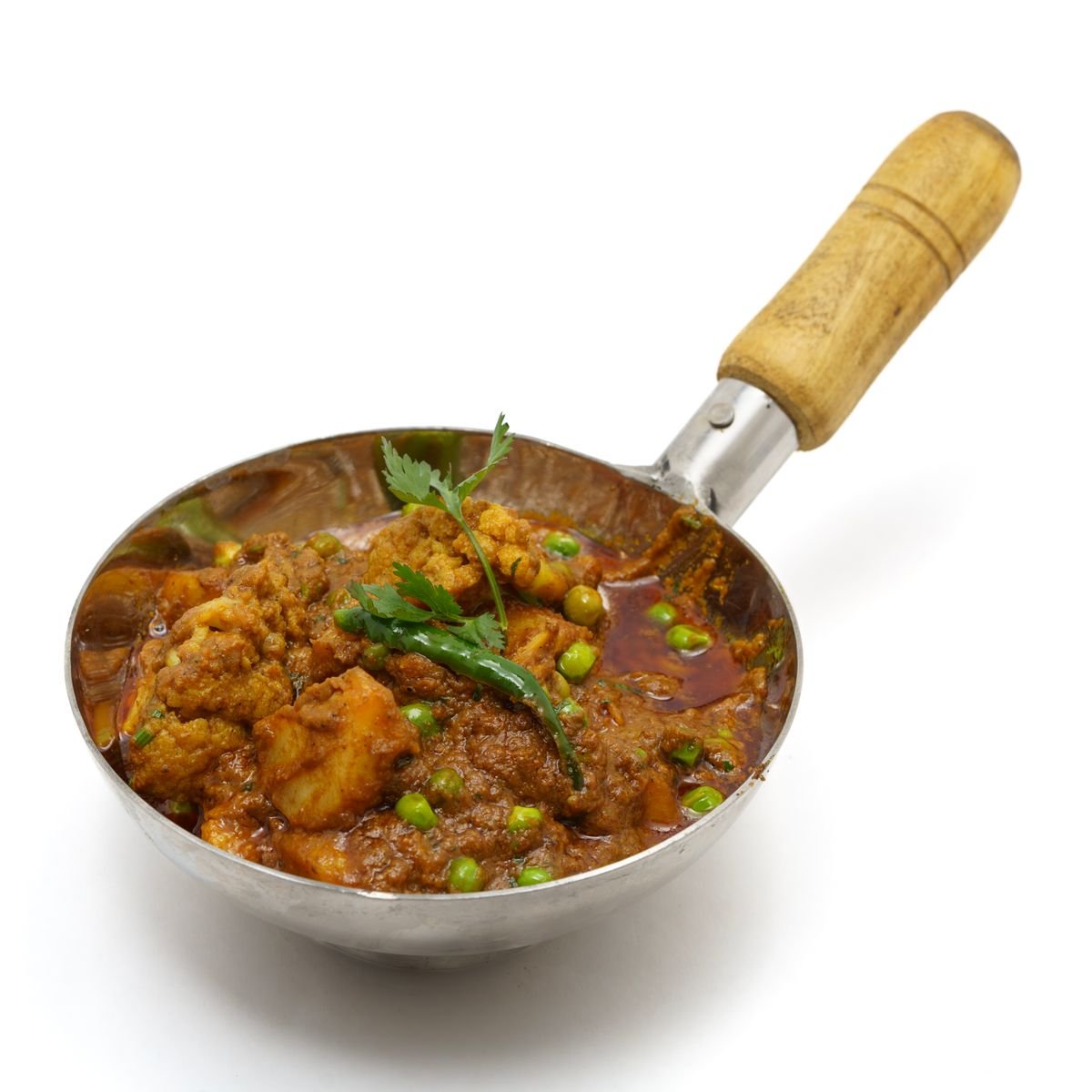
Gobi matar is the kind of homely North Indian sabzi that turns two simple vegetables into a meal worth looking forward to. Cauliflower florets soften in a spiced tomato masala while sweet green peas add little pops of colour and sweetness in every spoonful. It cooks in one pan, needs no cream and no special technique, and somehow tastes even better the next day. Serve it hot with roti, paratha, or plain steamed rice.
The story behind Gobi Matar
Gobi means cauliflower and matar means green peas, and together they make one of the most cooked sabzis in North Indian homes. The dish comes from Punjab and the wider north, where winter brings firm white cauliflower heads and fresh green peas to the markets at the same time. Cooks there learned long ago that the two vegetables suit each other: cauliflower turns soft and soaks up spice, while peas stay sweet and bright. The classic version is a dryish sabzi, not a soupy curry, cooked in a tomato and onion masala with cumin, turmeric, and garam masala.
In most homes this is everyday food, not occasion food. It shows up on a steel thali next to dal, rice, and roti, and it packs well into a lunchbox because it holds its shape and reheats without falling apart. You will find it in dhabas along highways too, where it is cooked in big iron kadhais over strong flames and served with buttered tandoori roti. Office workers, students, and families all eat some version of it, which is why nearly every North Indian cook has their own small twist on the spice mix or the cooking time.
What makes it work is contrast. Cauliflower is mild and almost nutty once it browns a little at the edges, and peas bring sweetness that balances the heat of green chilli and red chilli powder. The tomato masala ties them together with a gentle tang, and a pinch of kasuri methi at the end adds a warm, slightly smoky note. Nothing in the pan shouts. Each bite gives you soft cauliflower, a sweet pea, and a little spice, and the mix stays light enough to eat with a second roti.
Cook it when cauliflower is in season and firm, which in most of India means the cooler months from late autumn through early spring. It is a good weeknight choice because the whole dish takes under an hour and uses one pan. Make it for a simple family dinner, for a guest who eats vegetarian, or for a tiffin that needs to taste good at room temperature. Leftovers make a fine filling for a paratha or a wrap the next day, so cook a little extra on purpose.
- Prep time
- 20 mins
- Cook time
- 30 mins
- Total time
- 50 mins
- Servings
- 4 servings
- Calories
- 260
Ingredients
- 1 medium cauliflower (about 500 g), cut into small florets
- 1 cup green peas, fresh or frozen (150 g)
- 2 medium tomatoes, finely chopped (about 300 g)
- 1 medium onion, finely chopped
- 1 tablespoon ginger-garlic paste and 2 green chillies, slit lengthwise
- 3 tablespoons oil or ghee
- 1 teaspoon cumin seeds
- 1/2 teaspoon turmeric powder
- 1 teaspoon Kashmiri red chilli powder
- 1 teaspoon coriander powder
- 1/2 teaspoon garam masala
- 1 teaspoon kasuri methi (dried fenugreek leaves), crushed
- Salt to taste
- 2 tablespoons chopped coriander leaves
Instructions
- Cut the cauliflower into small, even florets about an inch wide, and rinse them well. Soak the florets in warm salted water for 10 minutes, then drain. This loosens any hidden grit and helps the cauliflower cook evenly. Pat them dry so they brown instead of steaming in the pan.
- Warm the oil in a wide pan or kadhai over medium heat. Add the cumin seeds and let them crackle for 20 to 30 seconds until they smell warm and nutty. Keep the heat steady so the seeds toast without burning, which would turn the whole dish bitter.
- Add the chopped onion and cook for 4 to 5 minutes, stirring often, until it turns soft and pale gold at the edges. You want it sweet and translucent, not brown. Scrape the bottom of the pan as you stir so nothing sticks and darkens.
- Stir in the ginger-garlic paste and slit green chillies and cook for one minute. The raw smell should fade and the paste should turn a shade darker. If the pan looks dry, splash in a tablespoon of water so the paste fries instead of catching.
- Add the chopped tomatoes, turmeric, red chilli powder, and coriander powder with a pinch of salt. Cook for 6 to 7 minutes, mashing the tomatoes with your spoon, until the oil starts to separate at the edges and the masala looks glossy. This is the point where the raw tomato taste disappears and the gravy turns rich.
- Add the cauliflower florets and mix well so every floret is coated in masala. Cook uncovered for 2 minutes so the florets pick up a little colour. Then pour in about 1/4 cup of water, cover the pan, and lower the heat.
- Cook covered on low-medium heat for 8 to 10 minutes, stirring once halfway through. The cauliflower should be tender when you press a floret with a spoon but still hold its shape. Add the peas and cook uncovered for 3 to 4 minutes more, until the peas are bright green and the extra water has dried up.
- Sprinkle in the garam masala and crushed kasuri methi, and stir gently for one minute. Taste and adjust the salt. The sabzi should look moist but not watery, with the masala clinging to the vegetables instead of pooling at the bottom.
- Take the pan off the heat and rest the sabzi covered for 5 minutes. This short rest lets the flavours settle and the masala thicken slightly. Scatter the chopped coriander over the top and serve hot with roti, paratha, or rice.
Pro tips
- Cut the florets the same size so they finish cooking together. Big chunks stay hard in the middle while small ones turn to mush, and uneven pieces make the whole dish look careless on the plate.
- Do not add too much water. Gobi matar is best when the masala coats the vegetables, so add water a splash at a time and let it cook off before you decide the pan needs more. A dryish sabzi also reheats better the next day, since there is no watery gravy to separate.
- If your cauliflower smells strong, the warm salted soak really helps. Ten minutes is enough, and it also washes out any tiny insects hiding in the florets, which is worth doing even with fresh-looking heads.
- Frozen peas go in near the end. They need only 3 to 4 minutes, and cooking them longer turns them dull and wrinkled, so keep them out of the pan until the cauliflower is nearly done.
- Toast the kasuri methi between your palms before adding it. The warmth wakes up its aroma, and crushed leaves mix through the sabzi better than whole ones, which can sit in clumps on top.
Variations & serving ideas
Aloo gobi matar is the best-known variation: add one cubed potato with the cauliflower and give it a few extra minutes under the lid. The potato turns soft and starchy and makes the dish filling enough to stand alone with just roti. Some cooks add a handful of paneer cubes at the end for a richer version that works well for guests. If you want the potato to stay in neat cubes, fry it separately for a few minutes before it joins the pan. That keeps the edges firm instead of crumbling into the masala.
For a lighter version, skip the onion-tomato masala and cook the vegetables with just cumin, turmeric, green chilli, and a squeeze of lemon. This dry, almost stir-fry style suits a summer lunch and pairs well with dal and rice. You can also add a pinch of amchur (dried mango powder) for tang instead of tomatoes. A squeeze of lemon at the end wakes everything up, and a handful of chopped spring onion scattered over the top adds a fresh bite that works well in summer.
Swap the peas for sweetcorn or add a chopped capsicum with the onion for colour and crunch. A few tablespoons of coconut milk stirred in at the end gives a South Indian touch, though that moves the dish away from its Punjabi roots. If you like heat, add a dried red chilli with the cumin seeds or a pinch more red chilli powder. For a richer party version, stir in two tablespoons of cream or a spoon of cashew paste at the very end, off the heat, so it blends smoothly without splitting.
Serve it with roti, paratha, or naan, and a bowl of plain yogurt or raita on the side. It also works as a filling: spoon leftovers into a wrap with sliced onion and a little chutney. For a full thali, pair it with dal tadka, steamed rice, and a small salad of onion, tomato, and cucumber. It also works cold the next day as a sandwich filling with a smear of mint chutney, or folded into a quesadilla with grated cheese for a quick lunch.
Getting it right
The key technique is cooking the masala properly before the vegetables go in. Tomatoes need time to lose their raw edge, and you can tell they are ready when the oil separates and the masala smells sweet and roasted rather than sharp. Rushing this step leaves a thin, sour gravy that no amount of garam masala can fix. If the masala sticks, a splash of water and a good scrape with the spoon will lift the browned bits back into the gravy. Those browned bits carry a lot of flavour, so do not throw them away by scrubbing the pan clean.
Heat control matters twice. First, keep the oil at medium heat while the onion and tomato cook, so they soften without browning too fast. Then lower the heat once the cauliflower is covered, so the florets steam gently in their own moisture. High heat at this stage burns the masala at the bottom while the tops of the florets stay raw. Listen to the pan as well as watching it. A steady, gentle sizzle means the heat is right; a loud, spitting crackle means the oil is too hot and the spices will burn.
The most common mistake is overcooking the cauliflower until it collapses. Check a floret at 8 minutes: it should yield to a spoon but still look like a floret. The second mistake is drowning the dish in water, which turns a sabzi into a soup. Add water in small splashes and remember the vegetables release moisture as they cook. If the florets do overcook, do not throw the dish out. Mash it lightly with a spoon, add a squeeze of lemon, and serve it as a soft sabzi with paratha. It will not look the same, but it will still taste good.
Storing & reheating
Cool the sabzi completely, then store it in a sealed container in the fridge for up to 3 days. The flavours deepen overnight, and the peas hold up well. Do not leave it at room temperature for more than 2 hours, especially in warm weather. Label the box with the date so you do not lose track, and keep it towards the front of the fridge where you will see it.
It freezes well for up to a month, though the cauliflower softens a little on thawing. Reheat in a pan over low heat with a splash of water, stirring gently so the florets do not break. A microwave works too: cover the bowl and heat in short bursts, stirring between each one. If the reheated sabzi looks dry, add a spoon of water and a pinch of garam masala to wake the flavours back up.
Frequently asked questions
Can I use frozen cauliflower for gobi matar?
Yes, frozen cauliflower works, but thaw it fully and pat it dry first. Frozen florets hold extra water, so they steam rather than brown. Add them straight to the masala and skip the soaking step, and cook a couple of minutes less since they soften faster than fresh.
Is gobi matar vegan?
Yes, as long as you cook it in oil instead of ghee. The dish has no cream, milk, or yogurt in it. Serve it with roti and a simple salad, and it fits a vegan meal without any change to the flavour.
Why does my cauliflower turn mushy?
It is usually overcooked or cooked with too much water. Keep the florets even in size, cook them covered on low-medium heat, and check at 8 minutes. Take the pan off the heat while the florets still feel slightly firm, because they keep softening in the residual heat.
Can I make gobi matar without tomatoes?
Yes. Cook the onion, ginger-garlic, and spices as usual, then add the cauliflower with a splash of water and finish with lemon juice and amchur for tang. The result is a drier, lighter sabzi that still tastes complete. It keeps the dish light and lets the cauliflower and peas carry the flavour.
What can I serve with gobi matar?
Roti, paratha, or naan are the natural partners, with plain yogurt or raita on the side. It also sits well next to dal and steamed rice in a thali. Leftover sabzi makes a good wrap filling with sliced onion and green chutney.
How do I reduce the bitterness of cauliflower?
Fresh, firm cauliflower rarely tastes bitter. The warm salted soak helps, and so does cooking the masala well before the florets go in. A pinch of sugar is not traditional, but a small squeeze of lemon at the end balances any sharp edge without changing the dish.