Gyros Recipe
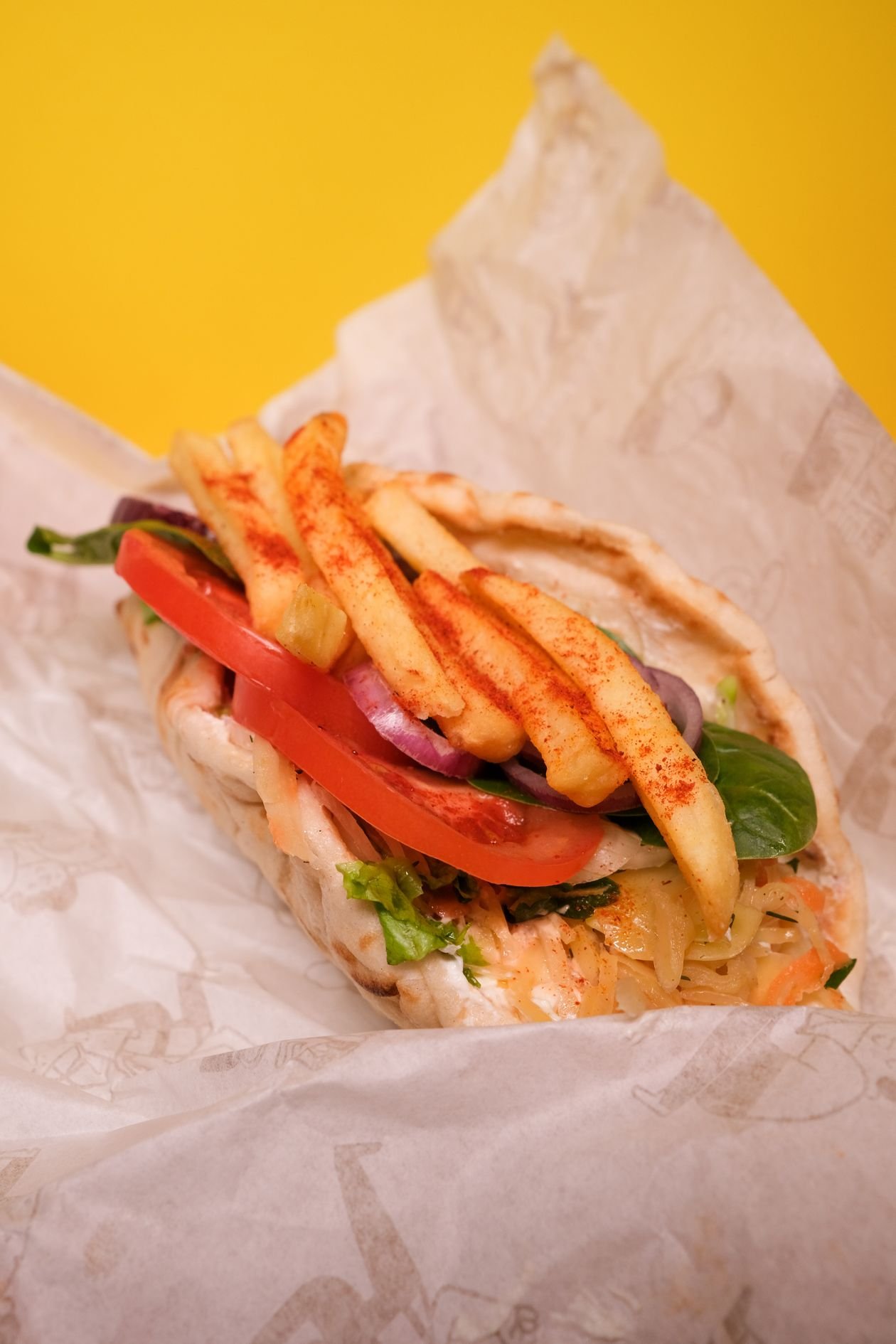
Gyros is Greece's great street food: thin slices of marinated pork, crisp at the edges and juicy inside, wrapped in warm pita with tomato, onion and a cool spoonful of tzatziki. The marinade does the heavy lifting — olive oil, lemon, oregano and garlic — while a hot pan gives the meat its charred edges. Make it at home in under two hours and it will beat most takeaways, especially once you taste the tzatziki made from scratch.
The story behind Gyros
The word gyros means turn, and that is exactly how the meat cooks — stacked on a tall vertical spit that rotates slowly in front of a hot grill. The idea travelled to Greece from the Ottoman world in the 1800s, and Athens made it its own, swapping the lamb of the doner for pork, the classic Greek choice. As the spit turns, the cook shaves off the crisp outer layer and the inside keeps cooking. At home you get the same result from a screaming-hot pan: thin strips, high heat, charred edges.
In Greece gyros is the food you eat standing up, wrapped in paper, usually after midnight or in the middle of a working day. Every neighbourhood has a shop with a spit turning in the window, and the queue at lunchtime moves fast: order, watch the cook slice, take the warm package and walk. It is cheap, fast and filling, and it is the meal Greeks reach for when nobody feels like cooking. The best shops are judged on two things: the crispness of the meat and the quality of the tzatziki.
What sets a great gyros apart is the contrast in a single bite. The meat is hot, salty and charred at the edges, the tzatziki is cold and garlicky, the tomato and onion are fresh and sharp, and the pita is warm and soft enough to hold it all without tearing. The marinade ties it together: lemon and oregano cut through the richness of the pork, while the garlic and cumin give it a warmth that builds slowly.
Make it on a Friday night when the week is done, or when friends are coming and you want something hands-on and generous. It suits a crowd because everyone builds their own wrap, and it works just as well on a barbecue — cook the strips over coals and the smoke adds another layer. Kids love it, which is rare for a dish with this much garlic and lemon. Any leftovers reheat well, and the meat is just as good cold the next day, sliced over a salad.
- Prep time
- 1 hour 20 mins
- Cook time
- 25 mins
- Total time
- 1 hour 45 mins
- Servings
- 4 servings
- Calories
- 620
Ingredients
- 600 g pork shoulder, sliced into thin strips
- 3 tablespoons olive oil
- Juice of 1 lemon
- 3 garlic cloves, finely grated
- 1 tablespoon dried oregano
- 1 teaspoon ground cumin
- 1 teaspoon sweet paprika
- 1 teaspoon sea salt
- 1/2 teaspoon black pepper
- 4 large pita breads
- 2 tomatoes, sliced
- 1 red onion, thinly sliced
- 200 g thick Greek yogurt
- 1/2 cucumber, grated and squeezed dry
Instructions
- Cut the pork into strips about as thick as a pencil, slicing against the grain so the meat stays tender. Keep them around 5 cm long, so they cook fast and fit neatly into a pita, and put them in a bowl big enough to toss properly.
- Whisk the olive oil, lemon juice, garlic, oregano, cumin, paprika, salt and pepper in a small bowl. Pour it over the pork and rub it in with your hands, making sure every strip is coated. Cover and leave it in the fridge for at least 1 hour, or overnight if you have the time.
- Make the tzatziki while the meat marinates: stir the yogurt, cucumber, a pinch of salt and a squeeze of lemon together, and grate in half a garlic clove if you like it punchy. It should taste cool, garlicky and a little sharp. Cover and chill.
- Heat a large heavy pan or griddle over high heat until a drop of water sizzles and vanishes at once. Add a thin film of oil and wait until it shimmers. The pan needs to be properly hot — this is what gives the meat its charred edges instead of a grey, steamed surface.
- Lay the pork strips in a single layer with space between them, and do not touch them for 2 minutes — moving the meat early stops a deep brown crust from forming. Turn each strip and cook for another 2 to 3 minutes, until the edges are crisp and the middle is just cooked.
- Cook in batches, wiping the pan and adding a little more oil between rounds. Crowding the pan drops the temperature and the meat steams instead of browning, which is the one thing that ruins gyros. Keep the cooked strips warm on a plate tented loosely with foil.
- Warm the pitas in a dry pan for 30 seconds a side, until they puff slightly and feel soft. Stack them under a clean tea towel as you go, which keeps them warm and stops them drying out. A cold, stiff pita cracks when you roll it, so do not skip this step.
- Lay a warm pita flat and spread a generous spoonful of tzatziki down the middle. Add a pile of pork, then tomato and red onion, and finish with a pinch more oregano and a squeeze of lemon. Fold the bottom up first, then roll the sides in, so the filling stays put.
- Wrap each gyros in foil or baking paper, twisting the bottom closed, and serve at once while the meat is hot and the tzatziki is cold. Hand them over with napkins, and let people eat them standing up, the way they are meant to be eaten.
Pro tips
- Slice the pork as thinly as you can. Thin strips pick up more marinade, cook in minutes and char at the edges, which is where the flavour lives. If the shoulder is hard to slice, chill it in the freezer for 20 minutes first.
- Do not skip the marinating time: an hour is the minimum, and overnight is better still. The acid in the lemon softens the surface of the pork, so a long marinade gives you more tender strips.
- Use the hottest pan you can. A cast-iron skillet or heavy griddle holds heat far better than a thin non-stick pan, and browns the second batch just as well as the first. If it smokes a little, that means it is ready.
- Rest the cooked meat for 5 minutes before you pile it into the pita. The juices settle back into the strips instead of running out into the bread, so the meat stays juicy and the pita stays intact. Tent it with foil while it rests.
- Warm the pitas right before you serve. One that has sat out for ten minutes goes stiff and cracks at the fold, while a warm one bends around the filling. Thirty seconds a side in a dry pan is all it takes.
Variations & serving ideas
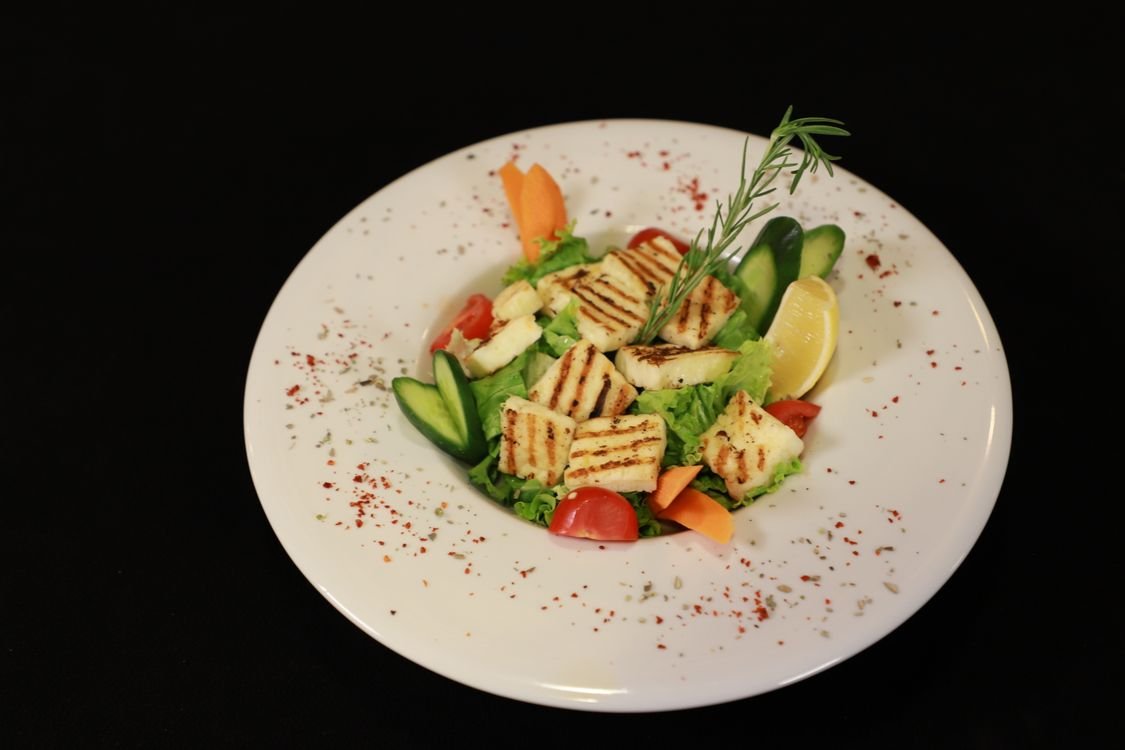
Chicken thighs are the easiest swap and many people prefer them: use the same marinade, cook them the same way, and slice them after resting. Lamb works too, though it is richer, so use a little less oil in the marinade and add extra lemon at the end. For a meat-free version, thick slices of halloumi or portobello mushrooms take the same marinade beautifully and char well in a hot pan. If you use chicken, thighs are the cut to buy — breast dries out in a hot pan, while thighs stay juicy and char just as well.
Change the marinade and you change the dish. Add a spoonful of yogurt to the mix and the meat stays even juicier, while a pinch of chilli flakes gives it a slow heat. Smoked paprika stands in for sweet paprika if you want a deeper, smokier edge, and fresh thyme can replace half the oregano in summer when the herb is growing well. A pinch of sugar in the marinade helps the strips caramelise, though it is easy to overdo — half a teaspoon is plenty. A little grated onion in the marinade is another good move: it adds sweetness and helps the meat brown.
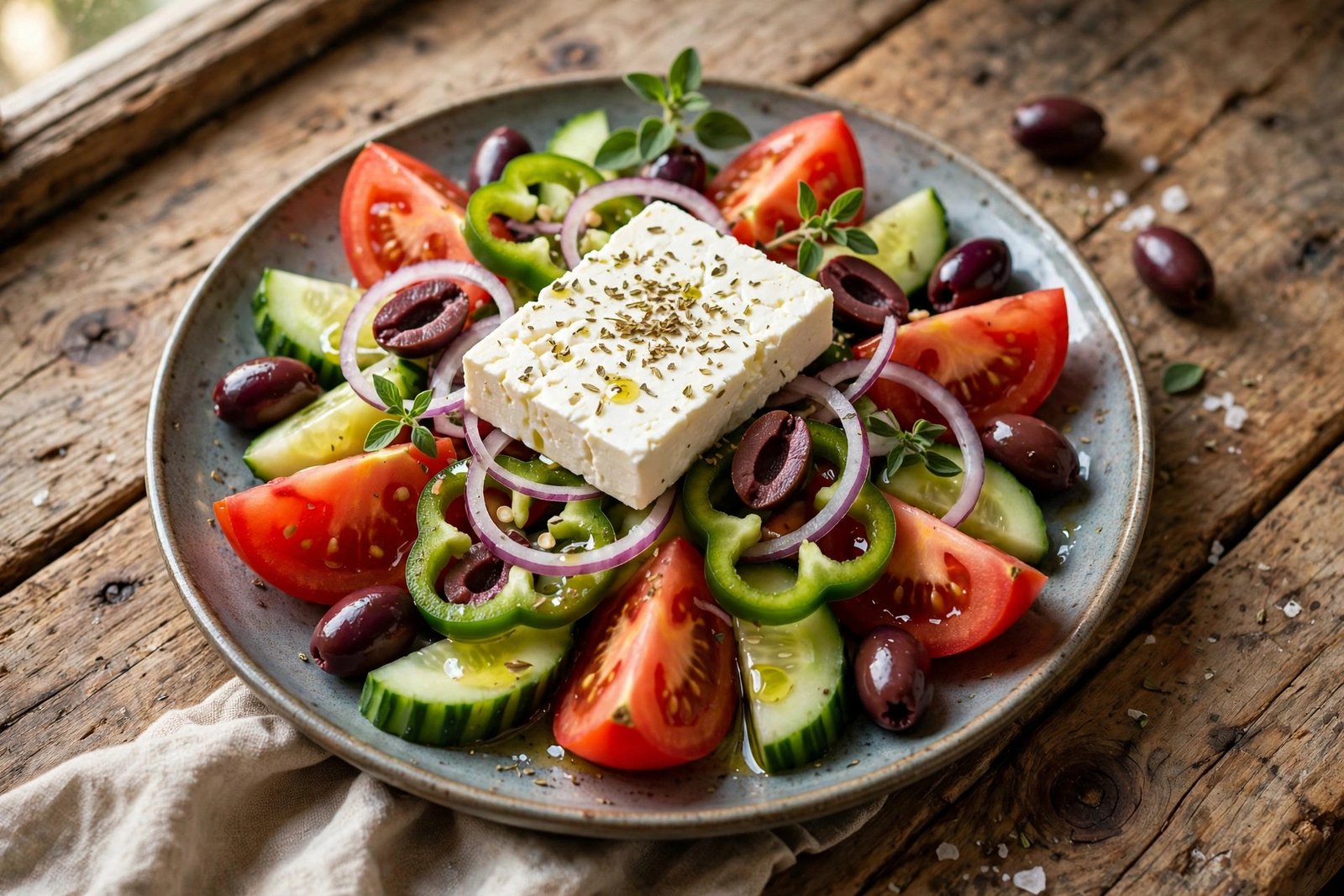
Serve it as a plate instead of a wrap: pile the meat next to lemon potatoes, a Greek salad and a big spoonful of tzatziki, with warm pita on the side for scooping. In Greece, chips often go inside the wrap itself — hot, salted and unapologetic. It is not traditional in the strict sense, but it is how half of Athens eats gyros, and it is very good. For a lighter lunch, skip the pita and serve the meat over a chopped salad with a spoonful of tzatziki on top.
A cold lager or a glass of retsina is the classic partner, though sparkling water with lemon works just as well on a hot day. Keep the sides simple and cold — a cucumber and tomato salad, some olives — so the hot, salty meat stays the star. For a crowd, set everything out in bowls and let people build their own. Keep a lemon on the table too — a last squeeze over the finished wrap wakes everything up.
Getting it right
The defining skill is slicing and marinating the meat. Thin strips, cut against the grain, give the marinade more surface to work on and cook so fast they stay juicy. Rub the marinade in by hand rather than just pouring it over the top — the difference in flavour is obvious, and the oregano and garlic stick to the meat instead of pooling at the bottom of the bowl.
Heat is the second skill, and it is the one most home cooks get wrong. The pan must be hot enough that the meat sizzles loudly the moment it lands, and the strips must sit in a single layer with space between them. Work in batches and let each side form a real crust before you turn it. If the pan goes quiet, it is too crowded — take some meat out and let the heat recover. A cast-iron pan holds its heat through the second and third batches, which is why it beats a thin pan here.
The usual mistakes are all easy to fix. Meat that comes out grey and wet was cooked in a crowded, lukewarm pan — next time, use fewer strips and more heat. Pita that cracks was served cold — warm it just before assembly. Tzatziki that tastes thin probably needs more salt and a longer chill, and a watery one means the cucumber was not squeezed dry enough. Squeeze it in a clean tea towel until no more liquid comes out. If the meat is done but the pita is still cold, the wrap will disappoint — time the pitas for the last two minutes.
Storing & reheating
Keep the cooked meat, tzatziki and pita separate, each in its own container. The meat lasts 3 days in the fridge and freezes well for up to 2 months, sliced and portioned with a little of its cooking juice. Tzatziki keeps for 2 days, though it loosens as it sits — stir it before serving. Label the container with the date, so nothing lingers forgotten at the back of the fridge.
Reheat the meat in a hot, lightly oiled pan for 2 to 3 minutes, until the edges crisp up again. The microwave works in a pinch but leaves the strips soft and steamy, so use the pan when you can. Warm fresh pitas at serving time and make the tzatziki fresh if yours has been sitting for more than a couple of days.
Frequently asked questions
Is pork or chicken better for gyros?
Pork shoulder is the Greek classic, with enough fat to stay juicy under high heat. Chicken thighs are a close second and cook a little faster. Avoid chicken breast, which dries out quickly in a hot pan. Either way, slice thin, marinate for an hour and cook in batches.
How long should I marinate gyros meat?
At least 1 hour, and overnight is better. The lemon, garlic and oregano need time to work into the meat, and a long marinade gives more tender strips. Do not go past 24 hours, though — the lemon acid starts to break down the surface of the meat and turns the texture mushy.
Can I cook gyros on a barbecue?
Yes, and it is one of the best ways to do it. Cook the strips on a hot grill, or in a grill basket over coals, turning once until charred at the edges. The smoke adds a layer of flavour a pan cannot match. Keep the strips thin so they cook through before the outside burns.
Should I make tzatziki from scratch?
Yes, if you have five minutes. Shop-bought tzatziki is often thin and shy on garlic, while the homemade kind is thick, cold and punchy. The trick is squeezing the cucumber properly dry and letting the finished tzatziki chill for at least 20 minutes before serving.
Why does my pita crack when I roll it?
It was too cold or too dry. Warm each pita in a dry pan for 30 seconds a side until it puffs and feels soft, then keep the stack under a tea towel. Do not overfill, either — a modest pile of meat rolls far better than a mountain of it.
Can I make gyros ahead of time?
You can prep everything ahead: marinate the meat overnight, make the tzatziki a day early, and slice the tomato and onion in the morning. Cook the meat and warm the pitas just before serving — gyros is at its best in the five minutes after it comes off the pan.