Hilopites Recipe
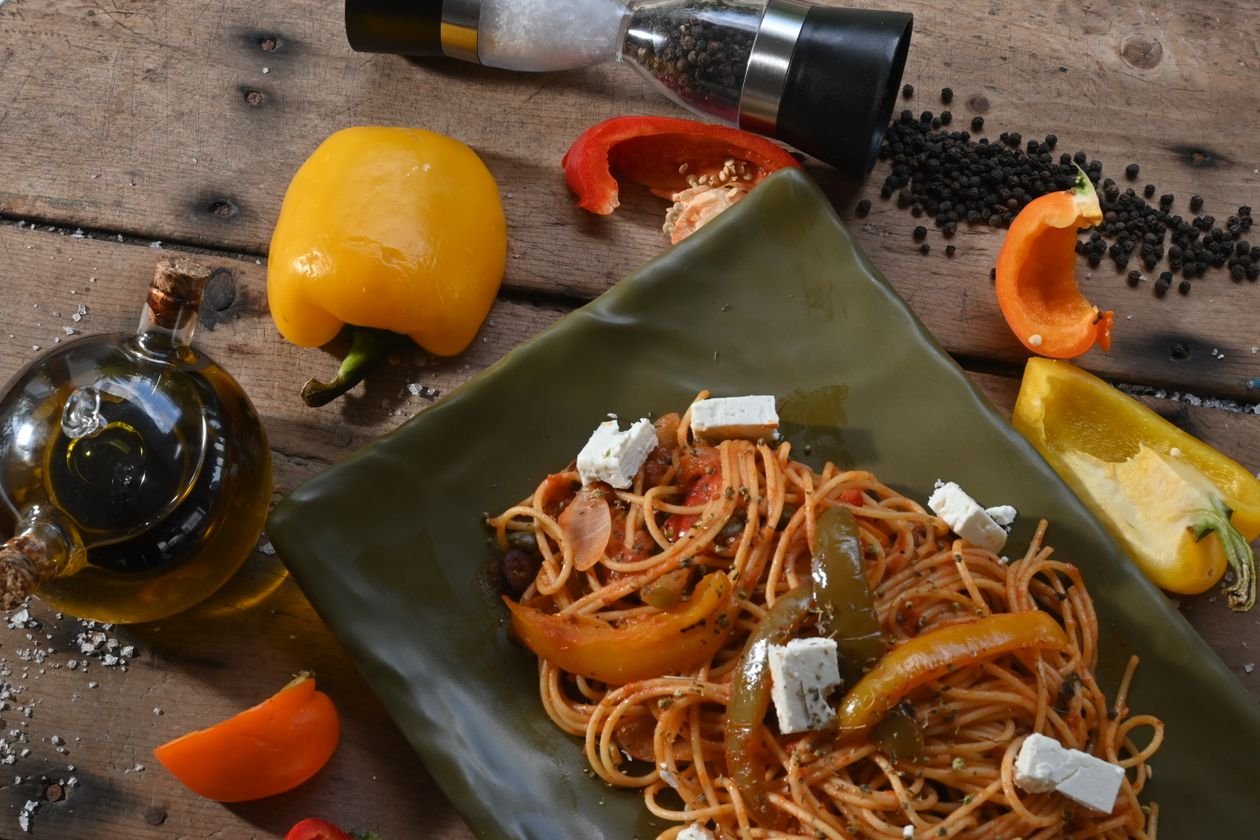
Hilopites are small squares of Greek egg pasta, simmered in a rich tomato sauce with tender chicken, cinnamon and a generous snowfall of cheese. The pasta soaks up the sauce as it cooks, turning soft and deeply flavoured, while the chicken falls apart in shreds. Serve it straight from the pot, with crusty bread to mop up the sauce and a simple salad on the side.
The story behind Hilopites
Hilopites are the pasta of the Greek home kitchen: small squares of egg pasta, rolled out by hand, cut with a knife, and dried in the sun on clean sheets. In villages across Greece, families still make a batch in late summer, when the eggs are plentiful and the weather is dry enough to dry the pasta properly. The squares are stored in cotton bags and cooked through the winter in soups and sauces. The name comes from the Italian word for pasta, a reminder of the long trading history between Greece and Venice, and the squares are still cut by hand in many village kitchens.
The classic way to serve them is with chicken cooked in a tomato sauce, a dish that shows up at Sunday lunches and family gatherings. The chicken simmers until it is tender enough to shred, and the pasta goes straight into the same pot, soaking up the sauce as it cooks. Cinnamon is the quiet signature of the dish, a reminder of the spice trade that shaped Greek cooking for centuries. The cinnamon in the sauce is the detail that marks the dish as Greek rather than Italian, and it is used with a light hand so it warms the sauce without sweetening it.
What makes Hilopites special is the pasta itself. Egg pasta has a soft, almost silky texture that dried Italian pasta never quite matches, and the small squares catch the sauce in a way long strands cannot. Each spoonful holds pasta, sauce and shreds of chicken together, so the dish eats like a stew that happens to be made of pasta.
Cook this on a cool evening when you want a proper one-pot meal that feeds four with little fuss. It takes under an hour from start to finish, and most of that time is hands-off simmering. Serve it in warm bowls with grated cheese on top and crusty bread on the side, and let everyone help themselves from the pot. It is a forgiving dish, too: the sauce can wait on a low flame while the table is set, and the pasta takes only ten minutes once everyone is ready.
- Prep time
- 15 mins
- Cook time
- 30 mins
- Total time
- 45 mins
- Servings
- 4 servings
- Calories
- 620
Ingredients
- 300 g hilopites (small square Greek egg pasta)
- 500 g chicken thighs, bone-in or boneless
- 3 tablespoons olive oil
- 1 medium onion, finely chopped
- 2 garlic cloves, finely chopped
- 400 g tin chopped tomatoes
- 2 tablespoons tomato paste
- 1 teaspoon dried oregano and 1/2 teaspoon ground cinnamon
- 1 teaspoon sugar
- 1 teaspoon salt, plus more to taste
- 1/2 teaspoon black pepper
- 3 cups hot chicken stock or water
- 80 g kefalotyri or Parmesan cheese, grated
- 2 tablespoons fresh parsley, chopped
Instructions
- Heat the olive oil in a wide, heavy pot over medium-high heat. Season the chicken thighs with salt and pepper, then brown them skin-side down for about 4 minutes per side until golden. Work in batches if the pot is crowded, and set the chicken aside on a plate when it is done. The browned bits left in the pot are full of flavour, so do not wash the pot out before you cook the onions.
- Turn the heat to medium and add the onion to the same pot. Cook for 5 to 6 minutes, stirring and scraping up the browned bits from the chicken, until the onion is soft and golden at the edges. Then add the garlic and cook for one more minute, until it smells fragrant but not burnt.
- Stir in the tomato paste and cook for one minute, until it darkens a shade and smells sweet rather than sharp. Add the chopped tomatoes, oregano, cinnamon and sugar, and let the sauce bubble for 3 to 4 minutes. It should thicken slightly and lose its raw, acidic smell.
- Return the chicken to the pot and pour in the hot stock. Bring it to a gentle boil, then turn the heat to low and cover the pot. Simmer for 20 minutes, until the chicken is cooked through and tender. Lift the chicken out and shred the meat with two forks, discarding any bones and skin.
- Taste the sauce and adjust the salt. It should taste rich and savoury with a warm background of cinnamon. If it tastes too sharp, add another pinch of sugar. The sauce should be loose at this point, since the pasta will soak up a good amount of liquid.
- Stir the hilopites into the sauce with the shredded chicken. Keep the heat at a gentle simmer and cook for 10 to 12 minutes, stirring every couple of minutes so the small pasta squares do not stick to the bottom. Add a splash of hot water if the pan looks dry. The pasta will swell as it cooks, so the pot will look fuller by the minute; that is normal, and it is why you need a wide pot.
- When the pasta is tender but still has a little bite, take the pot off the heat. The sauce should be thick enough to coat the pasta rather than pool around it. If it looks too loose, let it stand for two minutes and the pasta will drink up the extra liquid.
- Stir in half the grated cheese and the chopped parsley, then cover the pot for two minutes so the cheese melts into the sauce. Serve straight from the pot in warm bowls, with the remaining cheese scattered over the top.
- Eat it while it is hot, with crusty bread on the side for the sauce. The pasta firms up as it cools, so do not leave the pot sitting too long before serving.
Pro tips
- If you cannot find hilopites, look for them in Greek or Mediterranean grocery shops, or order them online. Orzo is the closest everyday substitute, though it cooks a little faster. Dried hilopites keep for months in a sealed jar, so a bag from a Greek shop is worth keeping in the cupboard.
- Brown the chicken properly and do not skip the tomato paste step. Both add depth that the sauce cannot get from simmering alone.
- Use hot stock, not cold water, when you build the sauce. Cold liquid drops the temperature of the pot and slows the cooking, while hot stock keeps everything moving.
- Grate the cheese yourself if you can. Pre-grated cheese often contains anti-caking agents that stop it melting smoothly into the sauce. A block of kefalotyri keeps well in the fridge and grates easily, so buy a small piece if your shop stocks it.
- Serve the dish in warm bowls. Hilopites cool fast in a cold bowl, and the sauce thickens as it cools, so warm bowls keep it at its best for longer.
Variations & serving ideas
For a meat-free version, leave the chicken out and cook the hilopites in a rich tomato sauce with a handful of sliced mushrooms and a spoon of butter stirred in at the end. A generous amount of grated cheese makes the dish feel complete, and the pasta itself carries enough flavour to hold the meal together.
Swap the chicken for lamb for a deeper, richer version. Brown lamb shoulder pieces the same way, then simmer them for 45 minutes until tender before shredding. The cinnamon suits lamb even better than chicken, and a little crumbled feta on top finishes the dish beautifully. A handful of crumbled feta stirred in at the end melts into the sauce and adds a salty tang that suits the lamb.
If you like heat, add a pinch of chili flakes with the oregano. The warmth sits nicely against the sweet tomato sauce and the cinnamon. A splash of red wine stirred into the sauce with the tomatoes also deepens the flavour; let it bubble for a minute to cook off the alcohol before adding the stock.
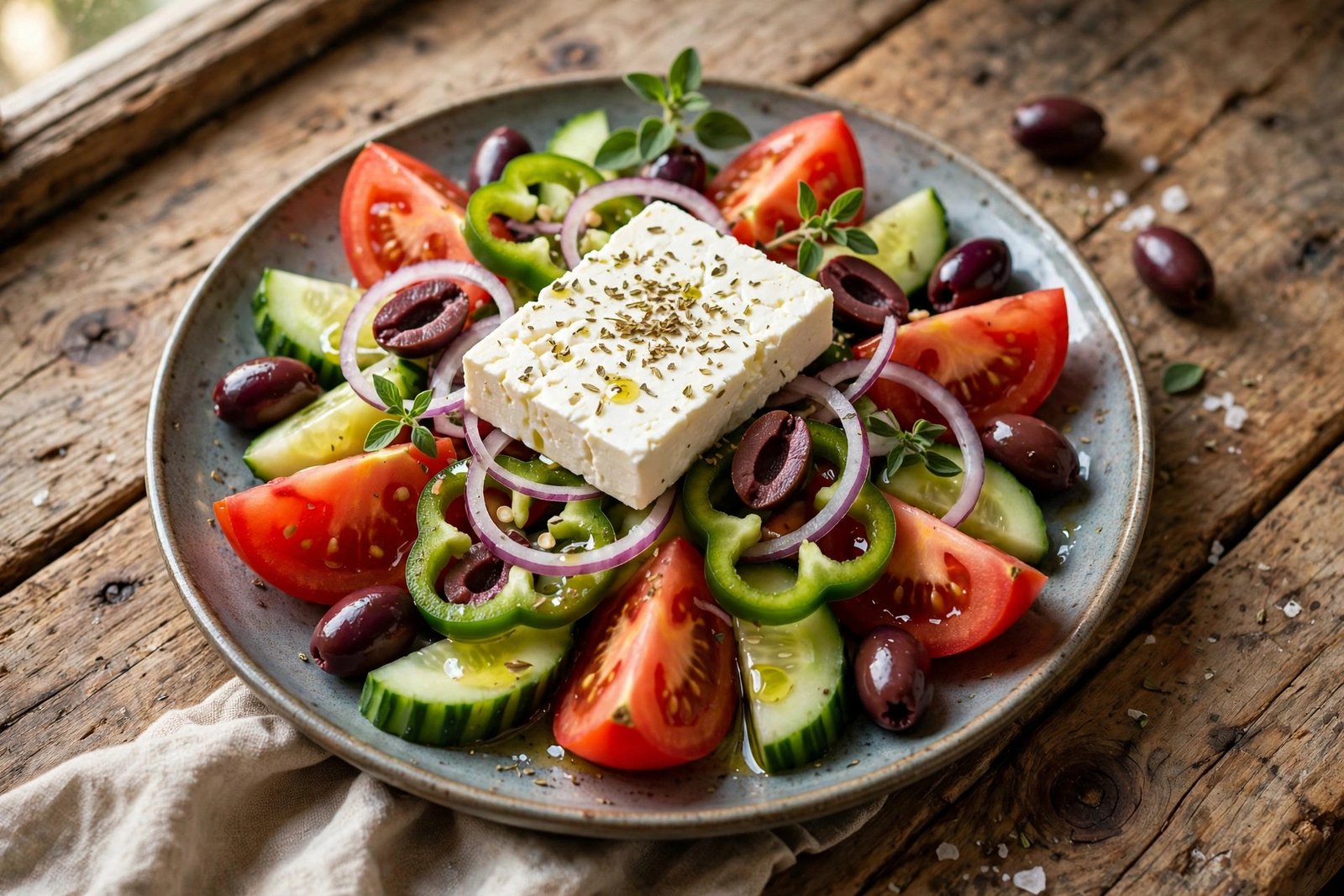
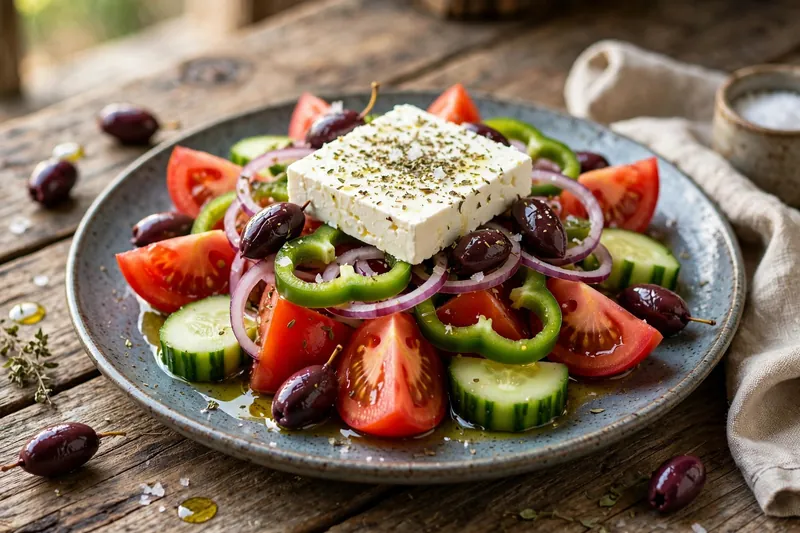
Serve Hilopites with a Greek salad of tomato, cucumber, red onion and olives, plus crusty bread for the sauce. A glass of red wine suits the rich flavours, and a bowl of thick yoghurt with honey makes a simple dessert. Leftovers reheat well for lunch the next day with a splash of water.
Getting it right
The chicken needs a good brown before it simmers, because that colour becomes flavour in the sauce. Use a wide pot so the pieces sit in a single layer, and give them a full four minutes per side without moving them. If the pot is crowded, the chicken will steam instead of browning, so brown it in two batches if you have to.
The sauce should be loose when the pasta goes in. Hilopites are thirsty little squares and they will drink up a surprising amount of liquid in ten minutes. If the sauce looks thick before you add the pasta, stir in a splash of hot stock first. Keep the heat at a gentle simmer and stir every couple of minutes, or the pasta will settle and stick to the bottom. If the pan looks dry at any point, add a ladle of hot stock rather than cold water, so the cooking never stalls.
The common mistake is overcooking the pasta. Hilopites go from pleasantly firm to soft very fast, so start tasting at eight minutes and pull the pot off the heat the moment they are tender with a little bite left. They keep cooking in the hot sauce for another minute or two, so stopping early is always the safer choice. Taste the pasta a minute before you think it is done, since it firms up less than you expect once the pot comes off the heat.
Storing & reheating
Hilopites keep in a sealed container in the fridge for up to two days. The pasta will soak up sauce as it sits, so reheat it gently on the stove with a splash of water or stock to loosen it. Stir often while reheating, since the pasta can catch on the bottom of the pan.
Freezing is not ideal, because the pasta turns soft and grainy on thawing. If you must freeze it, freeze the sauce and chicken alone and cook fresh pasta when you serve it. The sauce freezes well for up to two months and reheats beautifully with a little extra stock.
Frequently asked questions
What are hilopites, and what can I use instead?
Hilopites are small, square Greek egg pasta, usually made with eggs, milk and flour. The squares are about the size of a fingernail. If you cannot find them, use orzo, small shells or broken pieces of dried lasagne sheets, though the texture will be slightly different.
Should I use chicken thighs or breast?
Chicken thighs are best, since they stay juicy through a long simmer and shred easily. Chicken breast works too, but it dries out faster, so check it after 20 minutes and take it out as soon as it is cooked through.
Does the cinnamon make the sauce taste sweet?
A pinch of cinnamon is classic in Greek tomato sauces and gives the dish its warm, rounded flavour. It will not taste like a dessert spice at this amount. If you are unsure, start with a small pinch and add more to taste.
How do I stop the pasta from sticking?
Watch the liquid level as the pasta cooks. Hilopites absorb a lot of sauce, so keep the pan at a gentle simmer and add a splash of hot water or stock if the pan looks dry. Stir often, since the small squares stick to the bottom easily.
Can I make Hilopites ahead of time?
Yes, the sauce and chicken can be cooked a day ahead and kept in the fridge. Cook the hilopites fresh when you are ready to eat, since cooked pasta left in sauce overnight turns soft and swells. Reheat the sauce, add a little water, then stir in the pasta and cook as usual.
What should I serve with Hilopites?
A simple Greek salad of tomato, cucumber, red onion and olives is the classic partner, plus crusty bread for the sauce. A glass of red wine or a cold beer suits the rich, tomatoey flavours, and a spoon of yoghurt on the side cools the dish.